
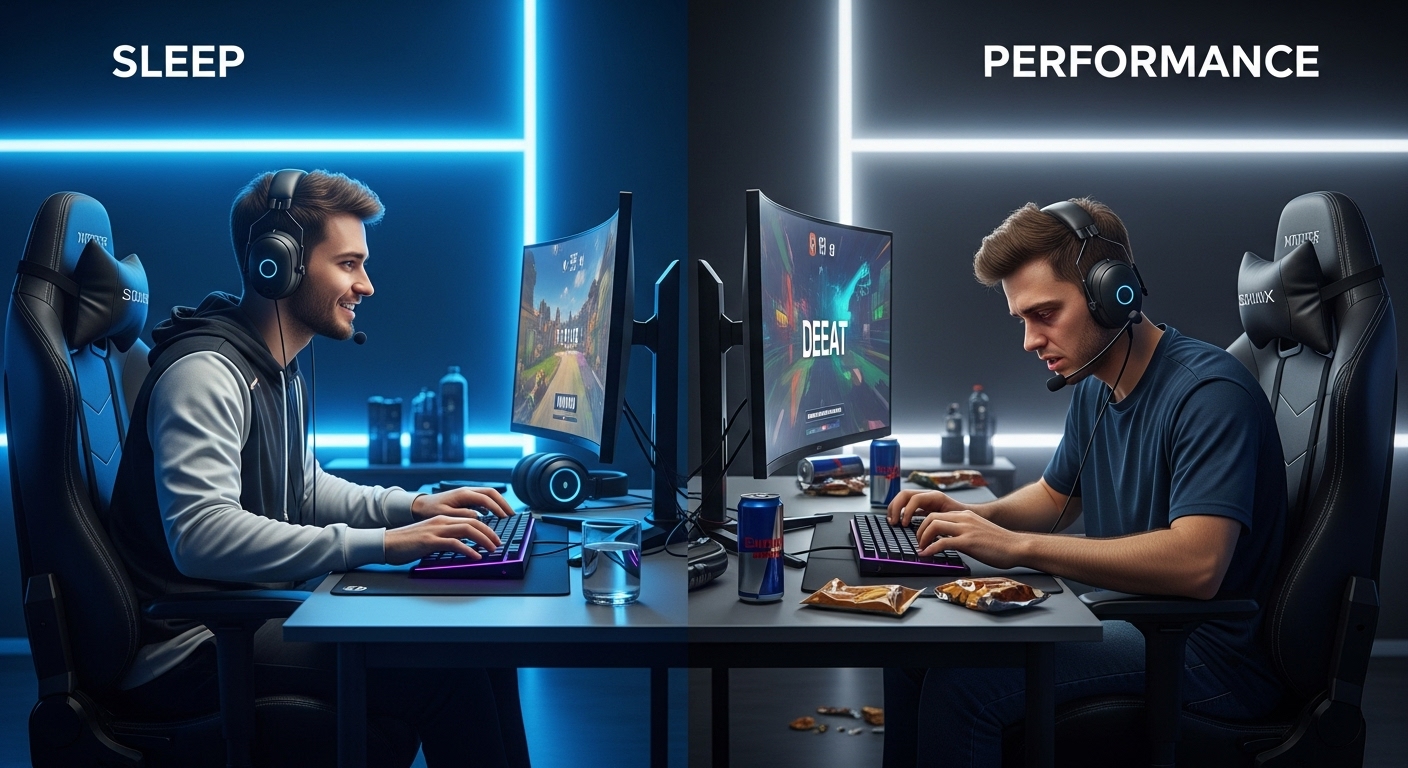
Esports has transformed from a niche hobby into a global billion-dollar industry, with massive audiences, lucrative sponsorships, and international tournaments filling arenas worldwide. Titles like League of Legends, Counter-Strike 2, Valorant, and Dota 2 dominate the competitive scene, attracting millions of players and fans. Yet, as technology continues to evolve, a new frontier is emerging: Virtual Reality (VR) Esports.
Could VR esports be the next big thing in gaming, entertainment, and competitive sports? To answer that question, we need to explore the history of esports, the current state of VR, the potential for VR-based competitive gaming, and the challenges that stand in its way.
1. The Evolution of Esports: From LAN Parties to Global Arenas
Before diving into VR esports, it’s important to understand how far competitive gaming has come. Esports didn’t just appear overnight—it grew from grassroots communities into a worldwide phenomenon.
- The Early Days (1990s–2000s): Competitive gaming started in small LAN tournaments, with players gathering in basements, gaming cafes, or small events to test their skills in titles like Quake, StarCraft, and Counter-Strike.
- The Rise of Online Play: Broadband internet made it easier for gamers to compete globally. Platforms like Battle.net, Xbox Live, and PlayStation Network fueled the growth of online communities.
- The Streaming Era (2010s): Platforms like Twitch and YouTube Gaming transformed esports into spectator sports, allowing millions of fans to watch live matches from anywhere.
- Modern Esports (2020s): Today, esports rivals traditional sports in viewership. The League of Legends World Championship and The International (Dota 2) offer prize pools exceeding tens of millions of dollars.
But as esports continues to grow, many are asking: What’s next?
2. The Emergence of Virtual Reality in Gaming
Virtual Reality has long been seen as a futuristic dream—a fully immersive digital environment where players can step inside the game. Thanks to advances in hardware and software, VR gaming is no longer science fiction.
Popular VR Platforms
- Meta Quest 3 / Quest Pro
- Valve Index
- HTC Vive
- PlayStation VR2
These platforms have lowered barriers to entry, making VR accessible to a wider audience. Games like Beat Saber, Half-Life: Alyx, and VRChat showcase VR’s potential, but competitive titles like Echo Arena, Onward, and VR Master League hint at something more—the rise of VR esports.
3. What Are VR Esports?
VR esports are competitive games played in virtual reality, where physical movement and immersive gameplay become central to the competition. Unlike traditional esports, where performance depends primarily on reflexes, strategy, and mouse/keyboard or controller precision, VR esports introduce full-body motion, spatial awareness, and physical athleticism into the mix.
Examples of VR Esports Titles
- Echo Arena (Ready At Dawn): A zero-gravity sports game often described as “VR ultimate frisbee in space.”
- Onward (Downpour Interactive): A realistic VR tactical shooter that combines strategy and immersive gunplay.
- Beat Saber Competitive Scene: Though primarily a rhythm game, competitive leagues have formed around speed, accuracy, and endurance.
- Blaston, Population: One, Pavlov VR: Popular shooters and action-based VR games with growing competitive communities.
In many ways, VR esports blur the line between traditional sports and digital competition—players physically move, dodge, and react in real-time, making the experience more dynamic and athletic.
4. Why VR Esports Could Be the Next Big Thing
Several factors suggest that VR esports could revolutionize the industry.
4.1 Immersion Like Never Before
VR provides unmatched immersion. Spectators can feel like they’re inside the game, while players experience every moment firsthand. Imagine a live-streamed VR esports match where fans can “step into” the arena with a VR headset and watch the game unfold in 3D.
4.2 Physical Activity & Athleticism
Unlike traditional esports, which often face criticism for sedentary lifestyles, VR esports require movement, stamina, and coordination. This could redefine the perception of esports, making it closer to traditional sports in terms of physical engagement.
4.3 Unique Spectator Experience
Esports broadcasts in VR could offer new perspectives—spectators can switch camera angles, watch from the players’ point of view, or even float above the battlefield in real-time. This interactive viewing experience could transform esports into something even more engaging.
4.4 Market Growth Potential
The VR industry itself is expanding rapidly. With major tech companies like Meta, Apple, and Sony investing heavily in VR hardware, the potential market for VR esports will grow alongside mainstream VR adoption.
4.5 Health & Fitness Appeal
VR esports intersect with fitness gaming trends. Games like Beat Saber and Supernatural already show how VR can encourage exercise. Competitive VR games could push esports into wellness territory, appealing to a broader audience.
5. Challenges Facing VR Esports
While the potential is massive, VR esports faces several hurdles before it can rival traditional esports.
5.1 Hardware Costs
High-quality VR headsets and powerful PCs are expensive, limiting accessibility compared to traditional gaming setups. Although standalone devices like Meta Quest are more affordable, competitive VR still requires strong performance.
5.2 Physical Barriers
VR esports demand physical space and stamina. Players need room to move, which can be restrictive for those in smaller homes. Additionally, physical fatigue could limit match lengths and overall endurance.
5.3 Motion Sickness & Accessibility
Some players experience motion sickness in VR, which could discourage participation. VR esports also need to consider inclusivity for players with physical disabilities.
5.4 Lack of Mainstream Titles
While VR has popular games, very few have become globally recognized esports titles. For VR esports to thrive, developers must create games with competitive depth, balance, and spectator appeal.
5.5 Broadcasting & Infrastructure
Streaming VR esports is more complex than traditional esports. Camera perspectives, spectator modes, and broadcast quality need to evolve to make VR competitions enjoyable for audiences.
6. The Role of Technology in Shaping VR Esports
The success of VR esports will depend heavily on technological advancements.
- Improved Hardware: Lighter, wireless headsets with higher resolution and reduced motion sickness will make VR more accessible.
- Haptic Feedback & Full-Body Tracking: Advanced suits, gloves, and motion trackers will enhance gameplay realism.
- Mixed Reality Integration: Blending VR with AR (augmented reality) could open new possibilities for esports competitions in hybrid spaces.
- Cloud Gaming & 5G: Reduced latency and cloud-based VR could make competitive VR smoother and more accessible worldwide.
7. Current VR Esports Leagues & Communities
Several organizations and grassroots communities are already pioneering VR esports.
- VR Master League (VRML): The largest VR esports league, featuring titles like Onward, Echo Arena, and Pavlov VR.
- Echo Combat Tournaments: Known for competitive zero-gravity matches.
- Beat Saber Competitions: Independent tournaments where players push rhythm and reflexes to extreme levels.
Though still niche compared to traditional esports, these leagues prove that dedicated VR communities exist and are steadily growing.
8. The Future of VR Esports
So, will VR esports become the next big thing? Here’s what the future might hold:
8.1 Integration with Mainstream Esports
Major esports organizations may eventually adopt VR titles, creating hybrid tournaments where VR games are showcased alongside traditional ones.
8.2 VR Arenas & Stadiums
Imagine VR esports events hosted in physical arenas where fans can watch live while players compete in virtual worlds projected onto massive screens. Spectators could also join virtually via VR headsets from home.
8.3 Olympic-Level Recognition
The International Olympic Committee has already explored esports partnerships. VR’s athletic component could position it as a bridge between digital and traditional sports, possibly making VR esports more acceptable in Olympic contexts.
8.4 Esports Training & Education
VR could revolutionize esports training by offering immersive practice environments, customizable simulations, and enhanced team coordination tools.
8.5 New Genres of Competitive VR
Future VR titles could blend genres in ways never before possible, creating unique competitive formats that don’t exist in traditional gaming.
9. Comparing VR Esports with Traditional Esports
| Aspect | Traditional Esports | VR Esports |
| Accessibility | PC/console, widely available | Expensive hardware, space required |
| Physical Activity | Minimal | High—requires stamina & movement |
| Spectator Appeal | Established broadcast formats | Innovative, immersive experiences |
| Mainstream Titles | LoL, CS:GO, Dota 2, Valorant | Few recognized competitive games |
| Growth Potential | Saturated but strong | Emerging, high potential |
10. Conclusion: Is VR Esports the Next Big Thing?
VR esports represents an exciting frontier for competitive gaming. Its combination of immersion, physical activity, and innovative spectator experiences makes it unlike anything else in the industry. However, significant challenges—hardware costs, accessibility, and the lack of mainstream titles—still stand in the way of widespread adoption.
The future of VR esports will depend on technological advancements, developer support, and the growth of dedicated communities. If these factors align, VR esports could very well redefine what it means to be an athlete in the digital age.
For now, VR esports is still a niche, but its potential is undeniable. As VR technology becomes more affordable and accessible, and as new competitive titles emerge, we may see VR esports rise from the fringes to the main stage of global gaming.