The Beginning of a Digital Revolution
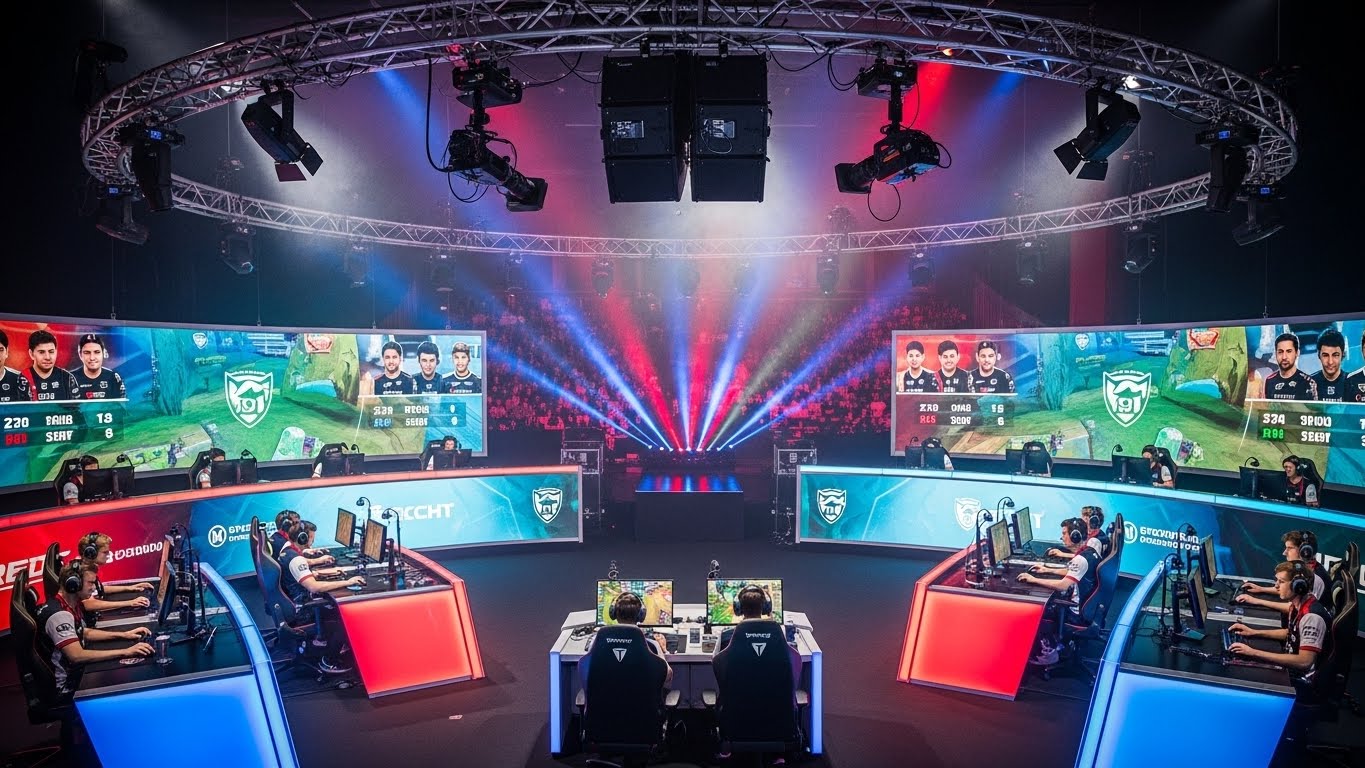
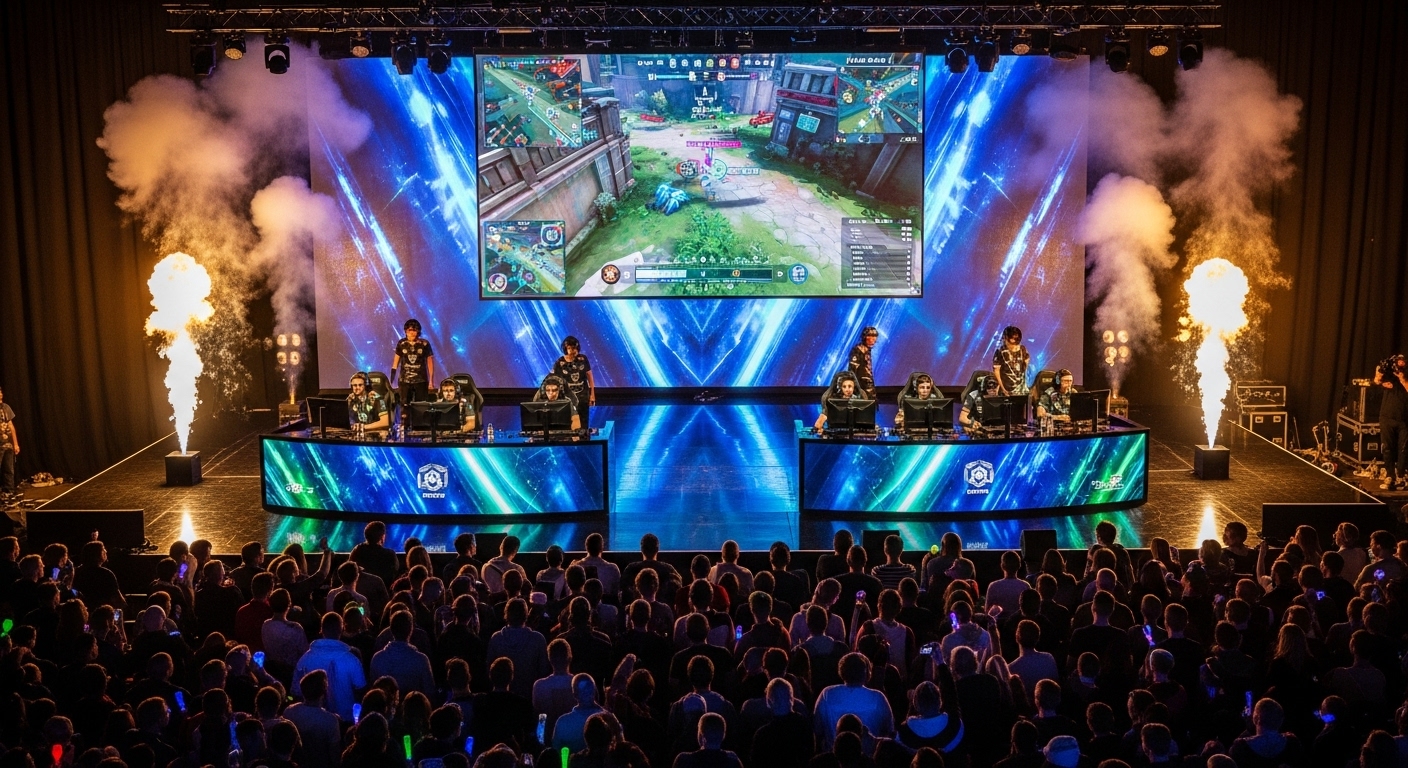
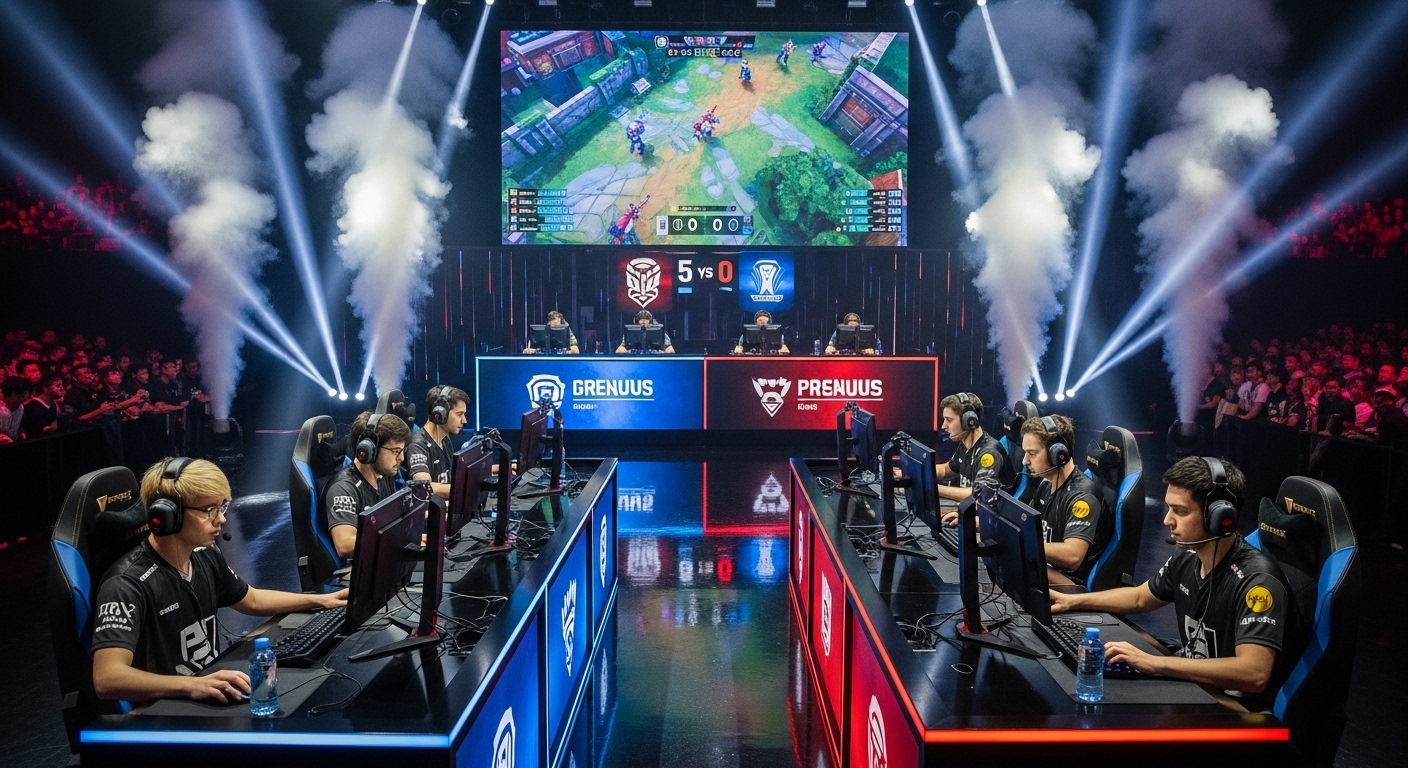
Esports, short for electronic sports, refers to competitive video gaming at a professional level. What started as a small subculture in arcades and college computer labs has exploded into one of the most dynamic entertainment industries on the planet. Over the past two decades, esports has transformed from casual LAN parties to massive global tournaments that attract millions of viewers and offer prize pools in the tens of millions.
In the early days, gaming competitions were modest. The first recorded video game competition dates back to 1972 at Stanford University, where students battled in a game called Spacewar. The prize? A year’s subscription to Rolling Stone magazine. Nobody could have imagined then that this simple contest would pave the way for an industry that now rivals traditional sports in popularity and revenue.
The Rise of Online Gaming and Global Connectivity
The introduction of the internet completely changed how gamers connected with one another. Before online multiplayer gaming, most competitions required players to be physically present. With broadband internet and networked gaming in the late 1990s and early 2000s, players could now compete globally from their own homes. This innovation not only expanded accessibility but also created communities where gamers could learn, compete, and grow together.
Titles like StarCraft, Counter-Strike, and Warcraft III became the backbone of early esports. South Korea, in particular, played a massive role in the foundation of the modern esports structure. The country’s investment in high-speed internet and dedicated TV channels for gaming laid the groundwork for professional leagues and player contracts. The Korean esports scene, dominated by StarCraft pros, showed the world that gaming could be a serious career path.
From Hobby to Profession
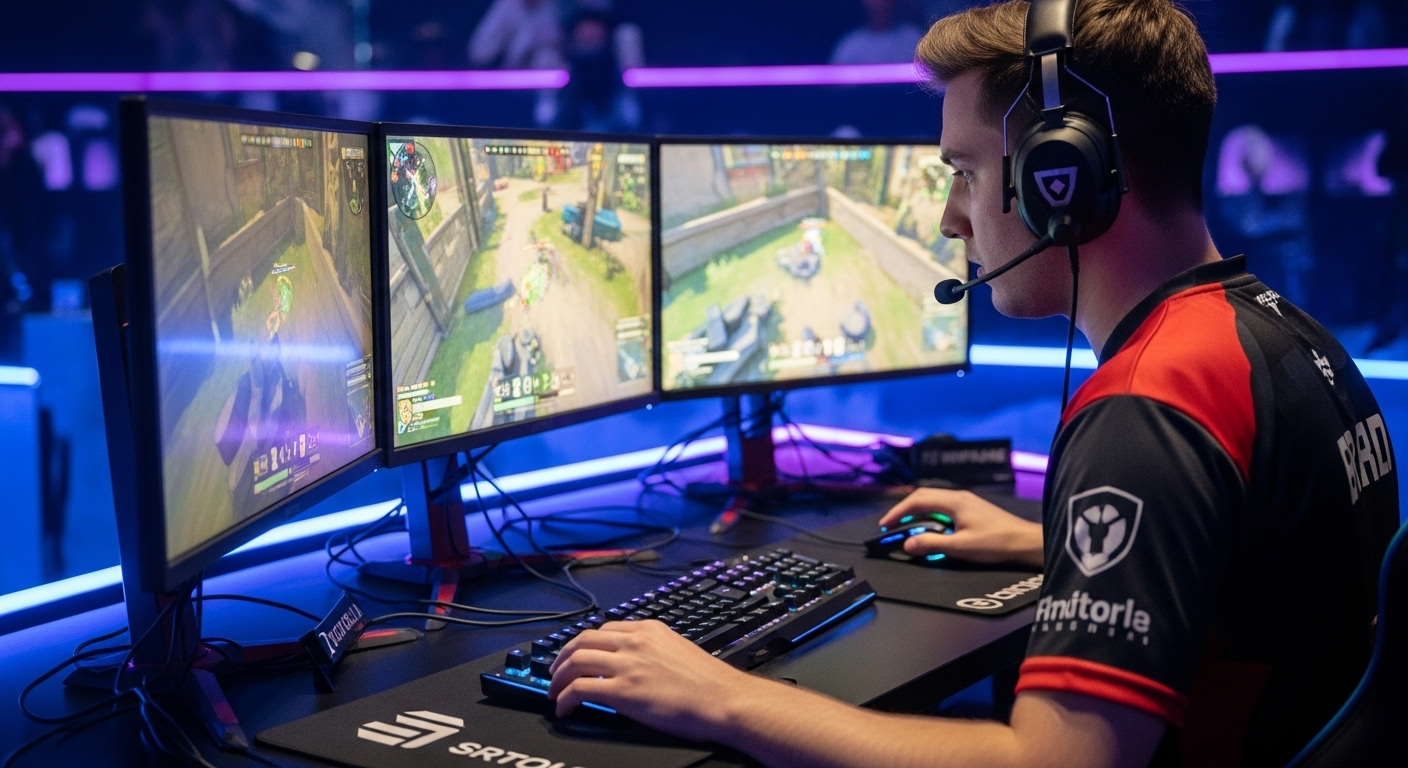
As esports matured, so did its players. What was once considered a pastime became a legitimate profession. Professional gamers started training like athletes—dedicated schedules, coaching staff, diet plans, and psychological support became common. Teams formed under major organizations with sponsorships, salaries, and structured management.
In games like League of Legends, Dota 2, and Counter-Strike: Global Offensive, players can earn hundreds of thousands, even millions, through tournament winnings and brand endorsements. The life of a professional gamer, while glamorous on the surface, requires immense dedication. Hours of daily practice, strategic planning, and dealing with the mental pressure of constant competition are part of their everyday routine.
The Explosion of Esports Tournaments
One of the major turning points for esports was the rise of organized global tournaments. Events such as The International (for Dota 2), the League of Legends World Championship, and the Fortnite World Cup have become cultural phenomena. These tournaments draw audiences comparable to traditional sporting events like the Super Bowl or the FIFA World Cup.
The International 2019 broke records with a prize pool surpassing 34 million dollars, crowdfunded by the game’s community. Similarly, the Fortnite World Cup offered a solo winner a staggering three million dollars—more than some professional golfers or tennis players earn for major titles. These figures highlight the immense financial power that esports now holds.
Esports and Streaming Platforms
Another key factor behind the growth of esports is the rise of streaming platforms like Twitch, YouTube Gaming, and Facebook Gaming. Before these services existed, it was difficult for fans to watch professional matches or learn from top players. Streaming changed that entirely. Now, anyone can tune in live to see their favorite teams compete, follow commentary, and even interact with players during streams.
Streaming also gave birth to a new kind of celebrity—the gaming influencer. Many professional players and content creators have built massive followings online. Their personalities, gameplay, and connection with fans help bridge the gap between competitive gaming and entertainment. This blend of sports and digital media has helped esports reach demographics that traditional sports often struggle to engage.
Esports as a Career Path
Today, esports offers a wide range of career opportunities beyond just playing. There are coaches, analysts, commentators (known as casters), event organizers, marketers, and game developers all working behind the scenes to support the industry. Esports organizations function similarly to professional sports franchises, with management teams handling operations, branding, and sponsorships.
Educational institutions have also recognized the potential of esports. Universities around the world now offer scholarships to talented players, much like traditional sports programs. Courses in esports management, game design, and digital media are preparing the next generation to thrive in this growing industry.
The Role of Technology and Innovation
The advancement of technology has been crucial in shaping esports. High-performance gaming PCs, improved graphics engines, and faster internet connections have elevated the quality of both gameplay and viewing experiences. Virtual reality (VR) and augmented reality (AR) technologies are also starting to influence competitive gaming, hinting at a future where players could compete in fully immersive digital arenas.
Artificial intelligence and data analytics have also made their way into esports. Teams now use software tools to analyze performance metrics, opponent strategies, and player reaction times. This analytical approach mirrors what you’d see in traditional sports like basketball or football, where data-driven insights can be the difference between victory and defeat.
The Cultural Impact of Esports
Esports is more than just gaming—it’s a cultural movement. The community-driven nature of the scene has fostered creativity, inclusivity, and global connection. Fans gather in massive arenas, waving team banners and chanting for their favorite players just as passionately as any football or basketball supporter.
Esports has also reshaped youth culture. Many young people now see professional gaming as a legitimate dream career. Parents who once discouraged gaming are beginning to recognize its potential for discipline, teamwork, and problem-solving. Gaming communities have created spaces for people from different countries and backgrounds to connect through shared passion.
Moreover, esports has influenced fashion, music, and media. Brands collaborate with gaming teams to launch apparel lines, and artists perform at major tournaments. This crossover between gaming and mainstream culture has blurred the lines between traditional entertainment and digital performance.
The Economics of Esports
The esports economy is a complex ecosystem involving developers, teams, sponsors, advertisers, and broadcasters. Revenue primarily comes from sponsorships, media rights, merchandise sales, and ticketed events. Big brands like Nike, Red Bull, and Mercedes-Benz have all entered the esports market, recognizing its massive reach among younger audiences.
For game developers, esports represents long-term engagement. When a game becomes part of the competitive circuit, it maintains player interest for years, sometimes decades. This model ensures consistent revenue from both the casual and competitive player bases.
Challenges in the Esports Industry
Despite its rapid rise, esports still faces challenges. Issues like player burnout, lack of standardized regulations, and financial instability in smaller organizations remain ongoing concerns. The short lifespan of professional gamers—often retiring before their late twenties—poses questions about post-career opportunities and health management.
Cheating, match-fixing, and online toxicity are also issues that threaten the integrity of competitive gaming. Esports organizations and governing bodies are working to create more transparent systems, anti-cheat measures, and better mental health support for players.
Another significant challenge is ensuring diversity and inclusion. While esports is global, representation of women and marginalized communities still lags behind. Efforts are being made to build safer and more inclusive environments for all participants.
Esports and Traditional Sports
Interestingly, the worlds of esports and traditional sports are starting to overlap. Major sports franchises have launched their own esports divisions, investing in games like FIFA, NBA 2K, and even League of Legends. This crossover demonstrates the recognition of esports as a legitimate competitive platform.
Traditional athletes have also ventured into gaming, either as investors or players. Some even use esports as part of their training or branding strategy. This synergy between physical and digital sports highlights a new era of interactive entertainment.
The Future of Esports
Looking ahead, the future of esports appears limitless. As technology continues to evolve, the boundaries between real and virtual competition will blur even further. With the rise of virtual reality, 5G networks, and artificial intelligence, esports experiences will become even more immersive and accessible.
Governments and educational institutions are also beginning to formally recognize esports, opening the door for national teams, regulated leagues, and international standards. The inclusion of esports as a medal event in multi-sport competitions like the Asian Games marks an important milestone toward global legitimacy.
Esports is also likely to expand its influence into emerging markets. Countries in South America, the Middle East, and Africa are investing in gaming infrastructure, fostering new generations of players and fans. With smartphones becoming more powerful, mobile esports is expected to dominate these regions, bridging the gap between console and PC gaming.
How Esports Builds Community
Beyond competition and profit, one of the most powerful aspects of esports is its community. Gamers don’t just watch matches; they engage in discussions, share content, and create art, memes, and fan theories. Online forums, Discord servers, and social media platforms serve as virtual stadiums where millions come together to celebrate their shared love for games.
The collaborative spirit of gaming has also encouraged global charity events and awareness campaigns. Streamers and organizations frequently host charity tournaments to support causes ranging from disaster relief to education and healthcare. In doing so, esports has proven that it can be a force for good.
Esports and Education
Esports is increasingly finding its place in the educational world. Schools and universities are realizing the academic and developmental potential of gaming. Students involved in esports programs often show improved problem-solving skills, teamwork, and communication abilities.
Esports scholarships are now available at numerous institutions, offering young players a chance to pursue higher education while developing their gaming careers. Beyond gameplay, esports programs teach broadcasting, marketing, event planning, and game development—skills that have applications far beyond the gaming world.
The Human Element Behind the Screen
It’s easy to forget that behind every controller and keyboard is a person driven by passion. The best esports players often start young, dedicating countless hours to refining their craft. Their stories mirror those of traditional athletes—filled with sacrifice, perseverance, and moments of triumph.
The emotional highs and lows of competition create compelling narratives that captivate audiences. When an underdog team defeats a global powerhouse or a veteran player stages an incredible comeback, fans feel the same adrenaline rush that comes from watching any great sporting event. These human moments remind us that esports is not just about pixels—it’s about people.
Conclusion: The Power of Play
Esports has redefined what it means to compete, connect, and celebrate human potential in the digital age. It’s not simply a trend or a hobby—it’s a movement that combines technology, creativity, and community. From its humble beginnings in university labs to filling stadiums across the world, esports has proven that the power of play can unite millions, break barriers, and inspire generations.
As the next decade unfolds, esports will continue to evolve, challenging our perceptions of sports, entertainment, and even culture itself. One thing is certain—the world of competitive gaming isn’t just the future of sports. It’s the future of global connection.