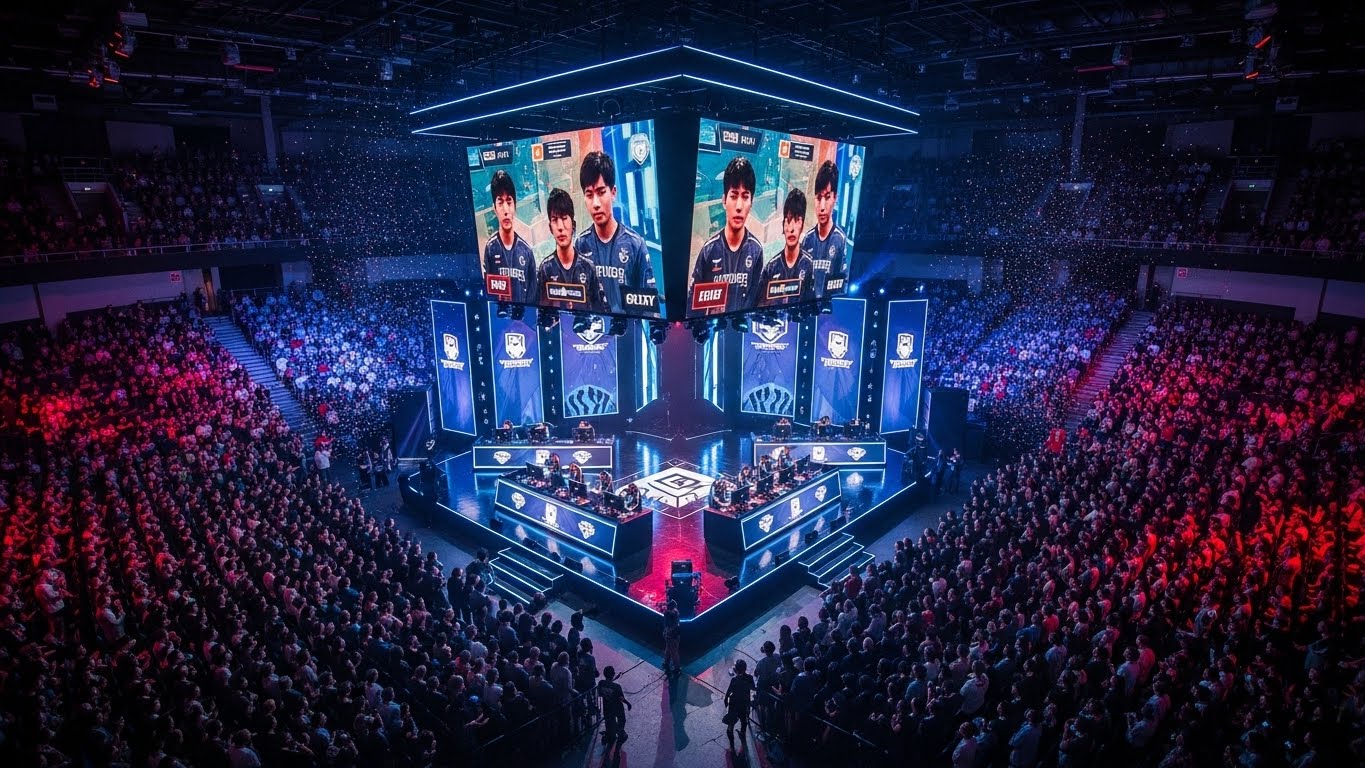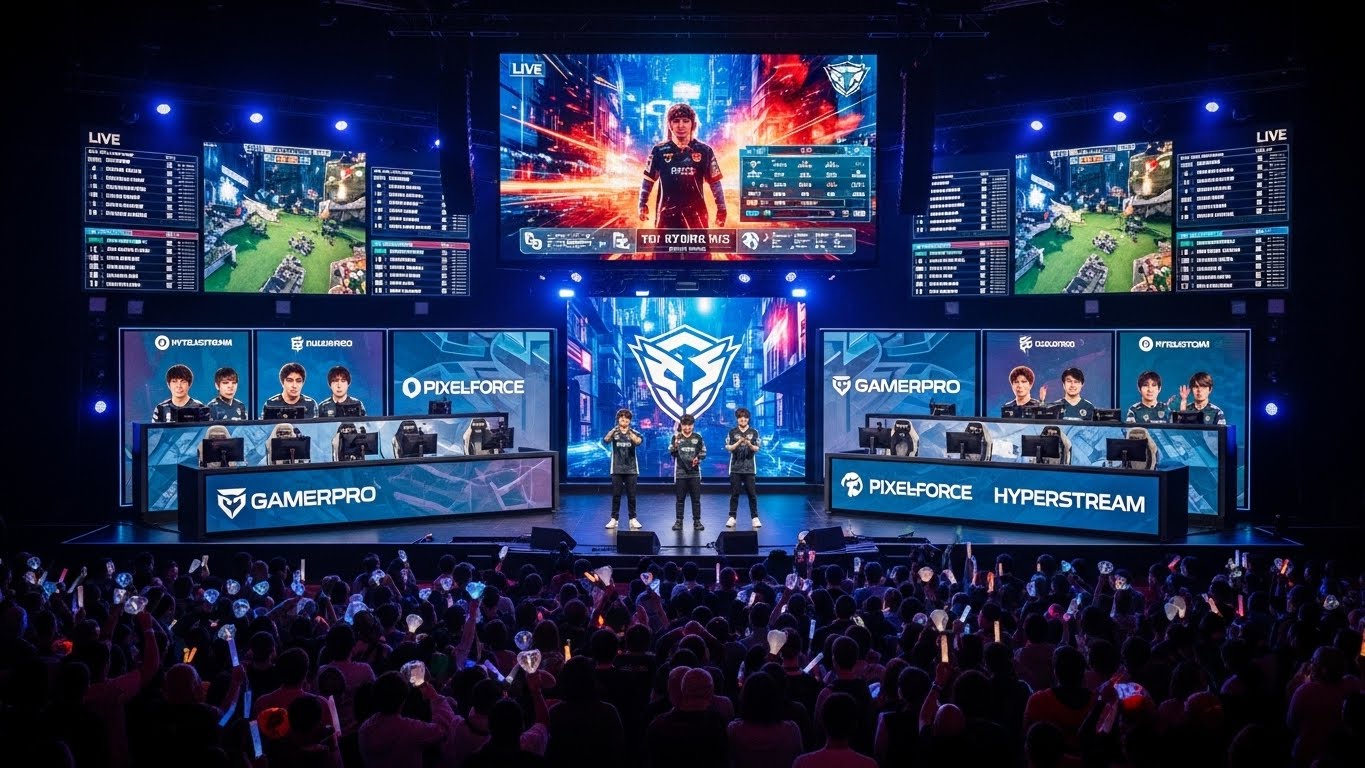
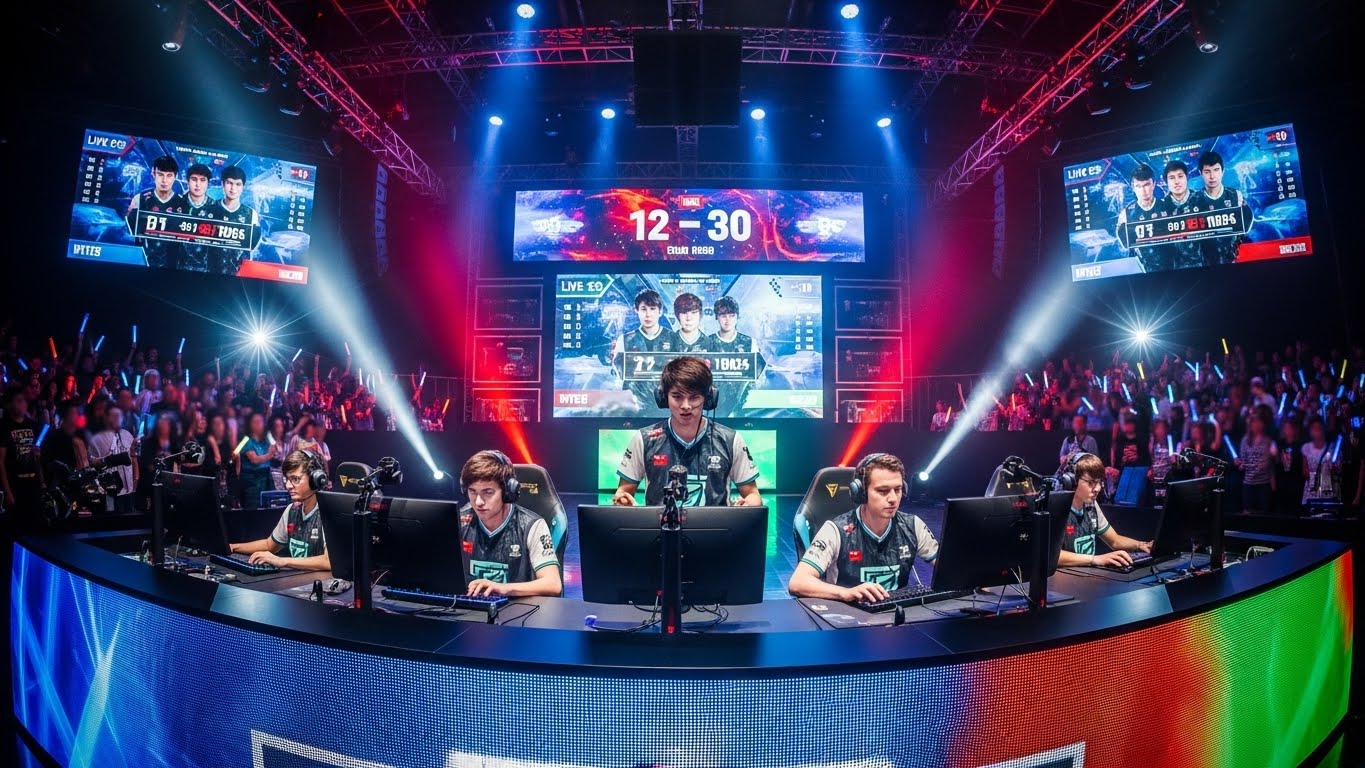
Esports, short for electronic sports, has become one of the most prominent entertainment industries of the 21st century. Once a niche hobby for passionate gamers, it has evolved into a global multibillion-dollar ecosystem, drawing millions of fans, professional players, and corporate sponsorships. The competitive gaming industry has transformed from small LAN tournaments to packed arenas and prime-time broadcasts. In this blog post, we will explore the world of esports, its rapid growth, the key elements that have driven its success, and what the future holds for this exciting industry.
The Evolution of Esports
Esports, as we know it today, didn’t develop overnight. The roots of competitive gaming can be traced back to the early days of video games. In the 1970s and 1980s, video games like Pong and Space Invaders became popular in arcades. Although the idea of competition through gaming was present, it was relatively informal and localized.
The first real step toward modern esports occurred in 1997, with the creation of the Red Annihilation tournament for the game Quake. The event marked the first large-scale competitive gaming competition, with the winner receiving a Ferrari 328 GTS. From there, the competitive gaming landscape began to expand, particularly with the release of online multiplayer games like StarCraft (1998) and Warcraft III (2002). These games gave rise to professional leagues and tournaments, which laid the groundwork for what we know as the esports industry today.
However, it wasn’t until the mid-2000s that esports gained significant mainstream attention. With the rise of games like League of Legends (2009), Dota 2 (2013), Counter-Strike: Global Offensive (2012), and Overwatch (2016), esports began to attract larger audiences. These titles provided the perfect blend of accessible gameplay, strategic depth, and online competition. Moreover, streaming platforms like Twitch (founded in 2011) allowed gamers to showcase their skills to a global audience, further fueling the growth of esports.
The Components of Esports: Games, Tournaments, and Teams
At the heart of esports is the diverse range of games that provide the foundation for competition. These games can be broadly classified into several categories:
- Multiplayer Online Battle Arenas (MOBAs): League of Legends, Dota 2, and Smite are some of the most well-known titles in this genre. Players control a unique character, called a “champion” or “hero,” and work in teams to destroy the opposing team’s base. These games require deep strategic thinking, quick decision-making, and excellent team coordination.
- First-Person Shooters (FPS): Games like Counter-Strike: Global Offensive, Overwatch, and Call of Duty have dominated the FPS genre in esports. These games involve high-speed combat, requiring precision aiming and reflexes. They are often played in team formats, where players must work together to complete objectives while eliminating their opponents.
- Real-Time Strategy (RTS): Titles such as StarCraft II have been staples in competitive gaming. These games involve resource management, building armies, and outsmarting opponents through strategy and tactical execution.
- Fighting Games: Fighting game tournaments, such as those for Street Fighter, Tekken, and Super Smash Bros., have been fixtures in the esports landscape for decades. Players battle head-to-head, using a combination of technical skills, combo moves, and knowledge of the game’s mechanics.
- Sports Simulations: FIFA, NBA 2K, and Madden NFL are examples of esports titles that mirror traditional sports. These games provide a competitive environment where players can simulate real-world athletic competitions.
Alongside the games themselves, esports tournaments have become massive events that attract both players and viewers. Some of the most prestigious tournaments in esports include The International (for Dota 2), the League of Legends World Championship, and the CS:GO Major Championships. These tournaments offer millions of dollars in prize money and often feature elaborate production values, including live broadcasts, commentary, and fan interactions. The scale of these events has earned them a place in mainstream media, with broadcasts appearing on major television networks and platforms like YouTube and Twitch.
The Professionalization of Esports
As the esports industry grew, so did the professionalization of the players, teams, and organizations involved. Just as in traditional sports, esports athletes now undergo intense training regimens, manage their physical and mental health, and dedicate hours each day to perfecting their craft. Many professional gamers begin their careers at a young age, often starting as teenagers before transitioning to full-time careers in their early 20s.
Esports organizations have evolved from small, independent groups to multi-million-dollar entities. These organizations operate similarly to traditional sports teams, with players signing contracts, receiving salaries, and participating in team-sponsored events. Organizations like Cloud9, Team Liquid, and Fnatic are now household names in the esports world, with their brands extending beyond just gameplay to include merchandise, streaming, and fan engagement.
The sponsorship and endorsement opportunities in esports have also exploded. Just as athletes in traditional sports sign sponsorship deals with major brands, esports players and teams are now partnered with global companies across a wide range of industries. Brands like Red Bull, Nike, Intel, and Coca-Cola have invested heavily in the esports space, recognizing the massive potential for engagement with younger, tech-savvy audiences. These sponsorships help fuel the esports ecosystem, covering everything from tournament prize pools to team salaries.
The Global Impact of Esports
One of the defining features of esports is its global nature. While traditional sports may have regional leagues or global tournaments, esports transcends national boundaries. Players, teams, and fans from around the world come together to participate in or watch tournaments, often in real-time. This international scope has made esports one of the most inclusive and diverse forms of entertainment.
Countries like South Korea have long been at the forefront of esports development, with government-backed programs, massive fan support, and established esports infrastructure. In recent years, other countries, particularly in North America, Europe, and China, have also embraced the industry, leading to the formation of international leagues and tournaments that attract a global audience.
Streaming platforms have played a crucial role in making esports accessible to anyone with an internet connection. Services like Twitch, YouTube Gaming, and Facebook Gaming have enabled fans to watch their favorite players and teams live, creating vibrant communities around individual games and players. Additionally, these platforms provide fans with the opportunity to interact with players, hosts, and other viewers, fostering a sense of belonging and connection.
The Future of Esports: What Lies Ahead?
As esports continues to grow, there are several trends and developments that will shape its future:
1. Increased Integration with Traditional Sports
In recent years, we’ve seen a convergence between traditional sports and esports. The rise of esports leagues like the Overwatch League and the League of Legends Championship Series (LCS) has led to closer partnerships with traditional sports organizations. For instance, teams like Team Liquid and Cloud9 have entered into partnerships with major sports franchises, and cities have developed esports arenas in collaboration with sports organizations. The relationship between esports and traditional sports will continue to deepen, with more cross-industry collaborations likely in the coming years.
2. More Investment in Infrastructure
With the growing popularity of esports, more investments are being made in dedicated esports arenas, training facilities, and even academic programs designed to train the next generation of players and industry professionals. Universities are increasingly offering scholarships for esports players, and some institutions have created esports departments that are dedicated to growing both the competitive and business sides of the industry.
3. Expansion of Esports into the Olympics
One of the most talked-about future developments in esports is the possibility of including esports in the Olympic Games. While this remains a topic of debate, the International Olympic Committee (IOC) has acknowledged the growing popularity of esports. Events like The Asian Games (2018) included esports as a demonstration sport, and there are discussions about making esports a permanent fixture in future Olympics. If this happens, it could lead to even greater exposure and legitimization of esports on the global stage.
4. The Rise of Virtual Reality (VR) and Augmented Reality (AR) in Esports
As technology advances, VR and AR are poised to transform the esports landscape. These technologies could offer entirely new ways for players to engage with games and for fans to experience events. VR could create fully immersive esports competitions, while AR could enhance the spectator experience by overlaying digital elements onto live events. The integration of VR and AR into esports could open up exciting new possibilities for both players and audiences.
5. More Focus on Diversity and Inclusion
The esports community has long been criticized for a lack of diversity, particularly with regard to gender and race. However, recent efforts have been made to create a more inclusive and welcoming environment. Many organizations are now prioritizing diversity in their recruitment, with an emphasis on empowering underrepresented groups in esports. As the industry grows, it is likely that these efforts will continue to expand, leading to a more diverse and inclusive esports ecosystem.
Conclusion: Esports – A New Era of Entertainment
Esports is no longer a fringe activity; it is now a global phenomenon that has earned its place in the mainstream entertainment industry. From its humble beginnings in arcades and LAN parties to the massive global tournaments and professional leagues we see today, the evolution of esports has been nothing short of remarkable.