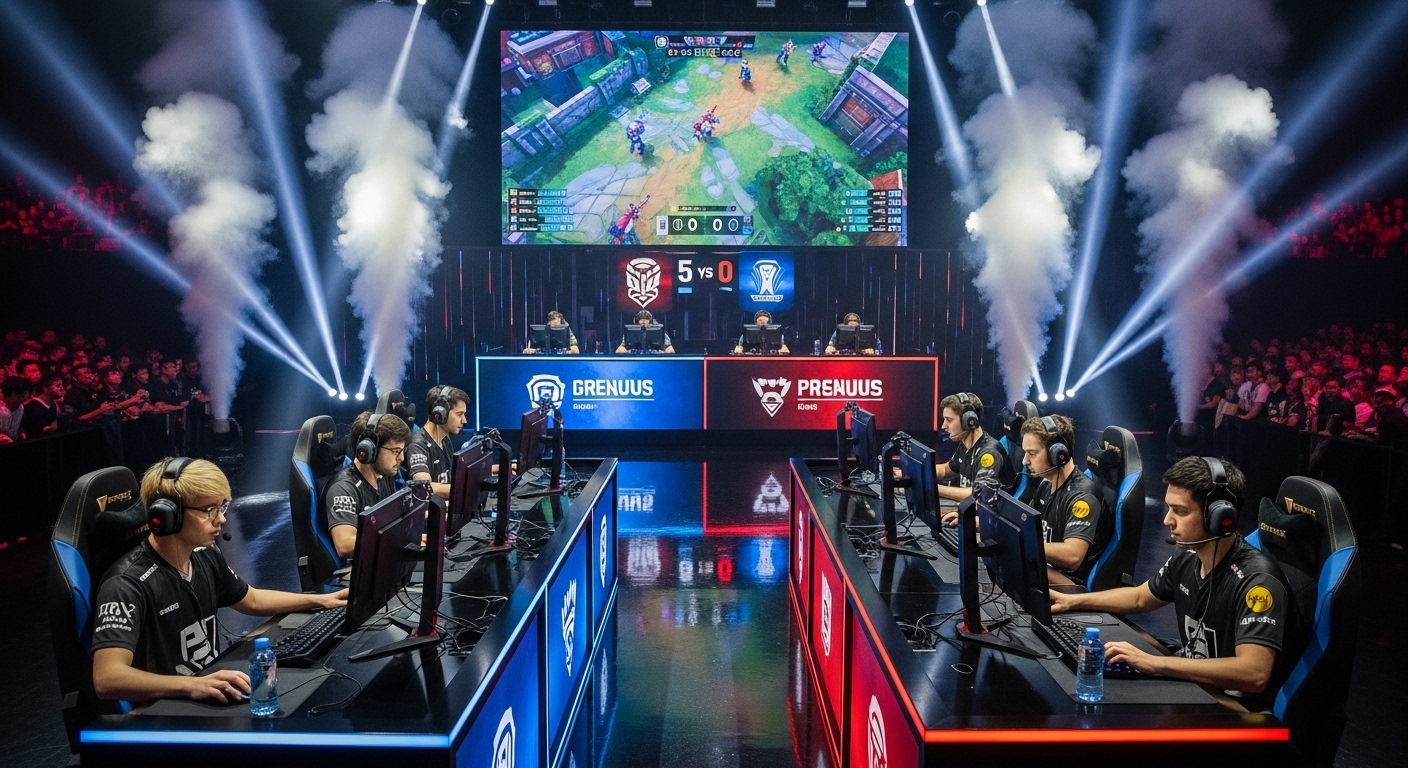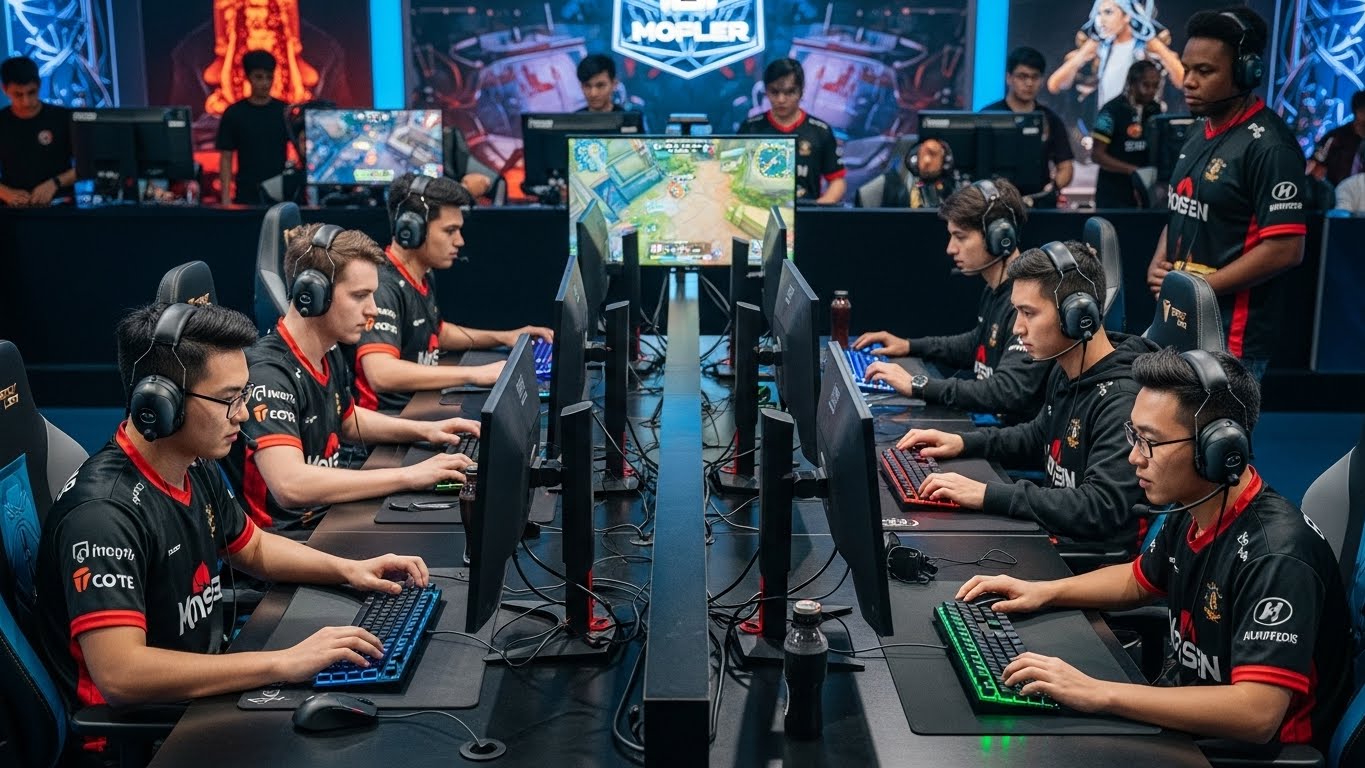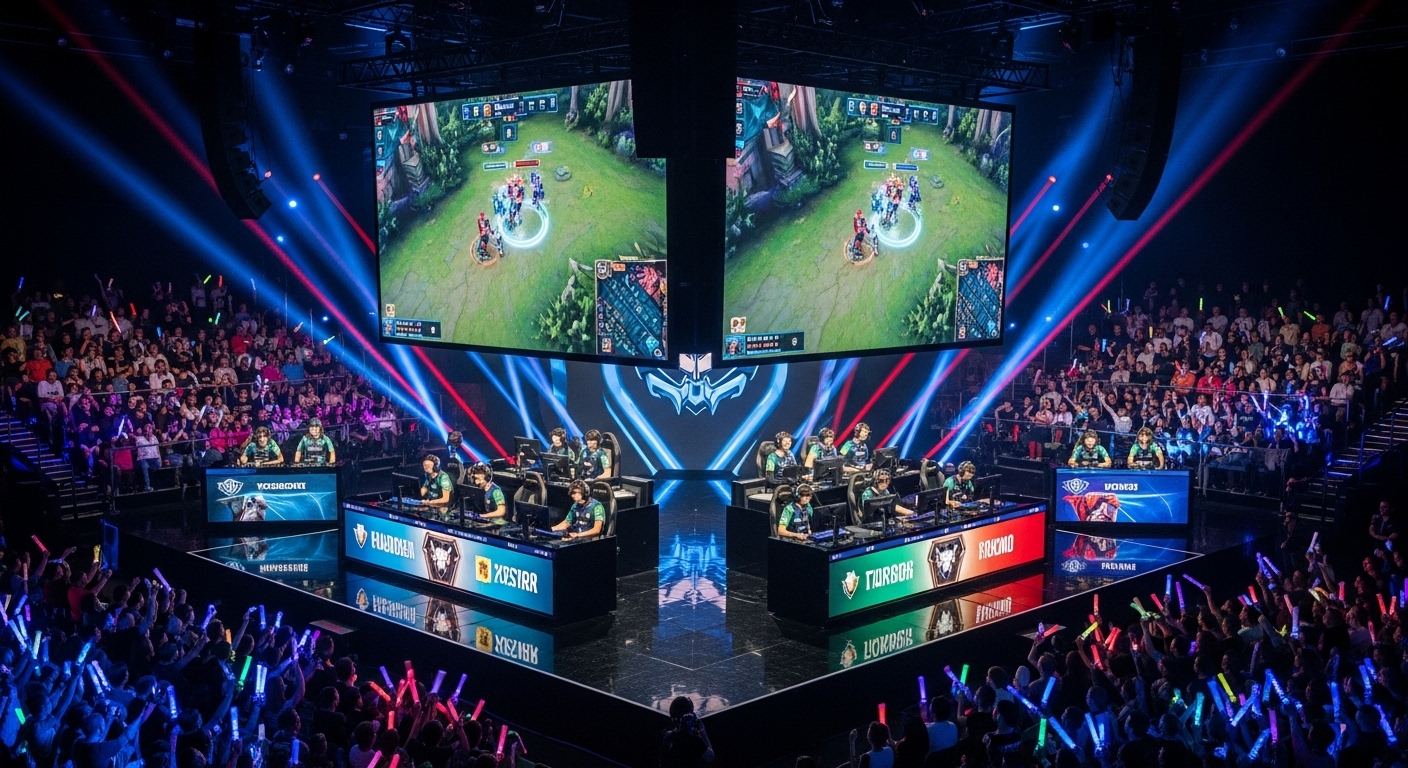
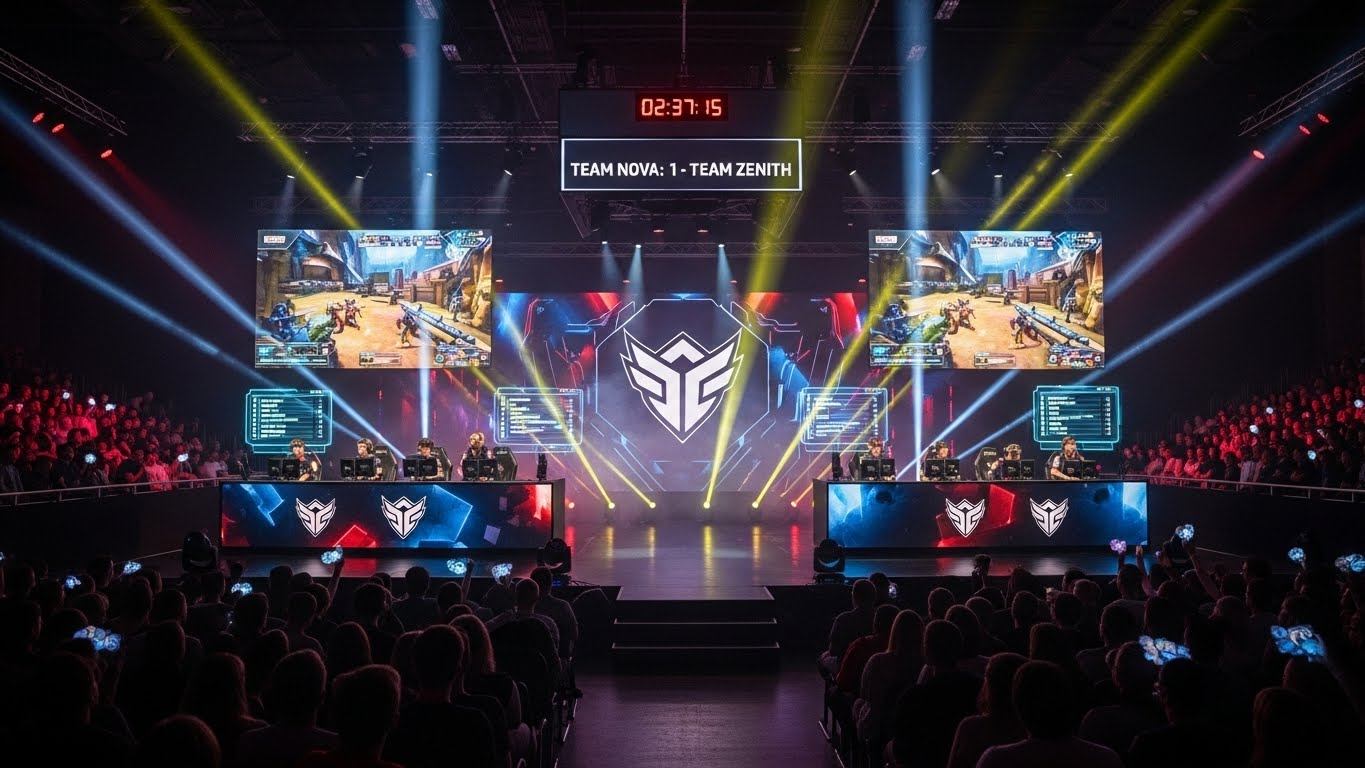
Esports, short for electronic sports, has emerged as one of the most significant entertainment industries worldwide. What began as a niche activity for competitive gamers has now blossomed into a multi-billion dollar industry, drawing millions of viewers, creating massive sponsorship deals, and even offering scholarship opportunities for college students. This blog explores the fascinating world of esports, examining its growth, its impact on traditional sports and culture, and the future prospects of competitive gaming.
The Origins of Esports
The concept of competitive gaming isn’t new. The roots of esports can be traced back to the early 1970s and 1980s, when video games like Pong and Space Invaders first gained popularity. The first known video game competition took place in 1972, when Stanford University hosted the Intergalactic Spacewar Olympics. However, esports truly began to take shape in the late 1990s and early 2000s, fueled by the advent of online gaming platforms and the rise of multiplayer games such as StarCraft and Quake.
In these early days, tournaments were small, local affairs, and the prize pools were modest. The rise of broadband internet, however, transformed this, allowing players to compete against each other from different parts of the world. Esports organizations and leagues began to form, and dedicated fans started to follow their favorite players and teams online. The International, a Dota 2 tournament, introduced the concept of multimillion-dollar prize pools in 2011, which signaled the beginning of the modern esports era.
The Growth of Esports
One of the most exciting aspects of esports is its rapid growth. In just two decades, it has gone from an underground activity to a global spectacle. According to recent industry reports, the global esports industry is projected to reach over $1.5 billion by 2025. Several factors have contributed to this meteoric rise.
The Influence of Streaming Platforms
The launch of streaming platforms like Twitch, YouTube Gaming, and Facebook Gaming revolutionized the way gamers and fans interacted. Instead of being confined to small, niche communities, gamers could now broadcast their gameplay to global audiences. For many, streaming became a career, and content creators could earn money through ads, donations, and sponsorships. These platforms played a key role in expanding esports’ reach and turning it into a mainstream entertainment form.
Twitch, in particular, has played a crucial role in fostering the growth of esports by providing a space where fans can watch live tournaments, engage with streamers, and even participate in chats. The interaction between players and fans has fostered a unique community that has helped to propel esports into the mainstream.
The Role of Sponsorships and Investments
As esports grew, so did the interest of major brands. Companies like Intel, Coca-Cola, Red Bull, and Nike began to sponsor tournaments and individual players, adding substantial financial backing to the industry. This sponsorship-driven growth made esports a viable career option for professional players, who now had opportunities to secure lucrative contracts, participate in high-stakes tournaments, and build a personal brand.
Venture capitalists and tech investors also saw the potential of esports. Major investments from companies such as Tencent and Google have helped to further professionalize the scene, providing more resources for the development of new leagues, teams, and infrastructure.
Esports and Traditional Sports
One of the most intriguing aspects of the esports phenomenon is how it intersects with traditional sports. In many ways, esports has followed a similar trajectory to traditional sports, albeit with its unique characteristics. Esports is a global affair, with teams and players hailing from different countries, much like the major sports leagues such as the NFL, NBA, or FIFA.
Esports as a Career Path
While traditional sports like football and basketball have long been considered lucrative career options, esports has also evolved into a legitimate career path for talented players. Professional esports players can sign contracts with teams, win tournaments, and secure sponsorships, much like traditional athletes. Top players in games such as League of Legends, Dota 2, and Fortnite can earn millions of dollars annually.
Unlike traditional sports, which require a high level of physical skill and natural athleticism, esports places greater emphasis on mental acuity, strategic thinking, and hand-eye coordination. This has led to the rise of a new kind of athlete – the esports player, who trains for hours each day to perfect their gameplay, much like an athlete would hone their skills in football, basketball, or soccer.
Esports and Sports Culture
Esports has also influenced traditional sports culture in unexpected ways. Traditional sports organizations have increasingly recognized the potential of esports and have incorporated esports initiatives into their operations. For example, many traditional sports teams now have their own esports divisions. Football clubs such as Paris Saint-Germain and Manchester City have invested in esports teams, and major basketball franchises like the NBA have launched the NBA 2K League, which allows professional players to compete in the video game NBA 2K.
The overlap between the two industries has been a driving force behind esports’ mainstream acceptance. Traditional sports fans are increasingly turning to esports as a form of entertainment, and vice versa, as esports tournaments mirror the competitive, fast-paced nature of real-world sports events.
The Impact of Esports on Society and Culture
Beyond its influence on the entertainment industry, esports has also had a profound impact on society and culture. It has created new communities, empowered gamers, and provided opportunities for individuals who may not fit into traditional sports structures.
A New Form of Socialization
Esports has brought people together in new ways. Online multiplayer games allow players to form teams, make friends, and participate in global competitions. For many, esports provides a sense of belonging and connection that they might not have found in the offline world. Gamers now interact with individuals from different cultures and backgrounds, broadening their horizons and building a sense of global camaraderie.
Esports has also created a unique fan culture. Just like traditional sports fans, esports enthusiasts passionately follow their favorite teams, players, and tournaments. Online communities and fan forums allow people to engage in discussions, share content, and create memes about their favorite games and players.
Opportunities for Underrepresented Groups
Esports has the potential to provide opportunities for individuals from all walks of life. The industry is relatively inclusive compared to traditional sports, where physical ability or gender can often be a barrier to entry. In esports, anyone with a computer or gaming console can compete at a high level, regardless of their background or physical characteristics. This has created an environment where talent, rather than external factors, is the primary determinant of success.
Women, in particular, have increasingly made their mark in the esports world. While the industry has historically been dominated by men, female players and content creators have been rising stars, making significant contributions to the esports landscape. Organizations and initiatives promoting gender equality in gaming, such as Women in Games and The Female Esports League, have furthered the cause, helping to create a more diverse and inclusive esports environment.
The Future of Esports
The future of esports looks bright, with continuous advancements in technology, increasing mainstream acceptance, and growing investment in the industry. Virtual reality (VR) and augmented reality (AR) are expected to play a pivotal role in the next generation of esports, offering new ways for players and fans to engage with the games they love. Additionally, the integration of esports into academic curriculums and high schools will ensure that younger generations continue to have access to competitive gaming, fostering the next wave of esports talent.
Furthermore, esports will likely continue to expand into new territories. While the North American and Asian markets dominate the current landscape, Europe, the Middle East, and Africa (EMEA) are rapidly growing as regions with untapped potential. The proliferation of mobile gaming in emerging markets will also open new doors for esports, allowing people in developing countries to participate in competitive gaming.
Conclusion
Esports has transformed from a hobby for a select group of gamers into a global, multi-billion-dollar industry with millions of fans and participants. With its rapid growth, increasing mainstream appeal, and deep connections to both entertainment and technology, esports is here to stay. As the industry continues to mature, it will likely become an even more integral part of global culture, shaping the future of sports and entertainment for years to come.
As the world of esports continues to evolve, one thing is clear – the future of competitive gaming is bright. Whether you’re a player, a fan, or simply someone fascinated by this new frontier in entertainment, there’s no doubt that esports will continue to capture the imagination of millions across the globe.