In recent years, eSports has evolved from a niche hobby into a global phenomenon, captivating millions of fans and players worldwide. Once seen as a pastime for a small group of gamers, competitive gaming has exploded into a multi-billion-dollar industry with professional leagues, massive tournaments, and a growing fanbase. What began as informal competitions between friends has now transformed into a legitimate, organized sport with professional players, coaches, and even sponsorship deals. This blog post delves into the rise of eSports, its impact on the entertainment industry, the challenges it faces, and what the future holds for this rapidly growing sector.
The Origins of eSports
The roots of eSports can be traced back to the early days of competitive gaming. In the 1970s and 1980s, video games like Space Invaders and Pong became the first major gaming phenomena, and arcades provided a space where players could compete for high scores. However, it wasn’t until the 1990s that the concept of organized competitions began to take shape. Games like Doom and Quake introduced multiplayer modes, allowing players to compete against one another over local area networks (LAN) and later over the internet.
One of the first major events in competitive gaming was the Red Annihilation Tournament in 1997, where Quake players competed for a grand prize. As internet speeds improved and online gaming became more accessible, the growth of eSports accelerated. Throughout the early 2000s, tournaments such as World Cyber Games and The Cyberathlete Professional League gained traction, setting the stage for the development of modern eSports leagues and competitions.
The Explosion of Competitive Gaming
The real breakthrough for eSports came in the mid-2000s, as games like League of Legends, StarCraft II, Dota 2, and Counter-Strike began to dominate the competitive gaming scene. These games offered deep, strategic gameplay and the ability for players to compete online with people from around the world, creating a truly global competitive community.
One of the pivotal moments in eSports history came in 2011, with the creation of the League of Legends Championship Series (LCS). This was the first major attempt to establish a professional league for eSports, and it was a massive success. With its sponsorship deals, live-streamed broadcasts, and sold-out events, League of Legends became a staple in the competitive gaming scene and set the stage for other games to follow suit.
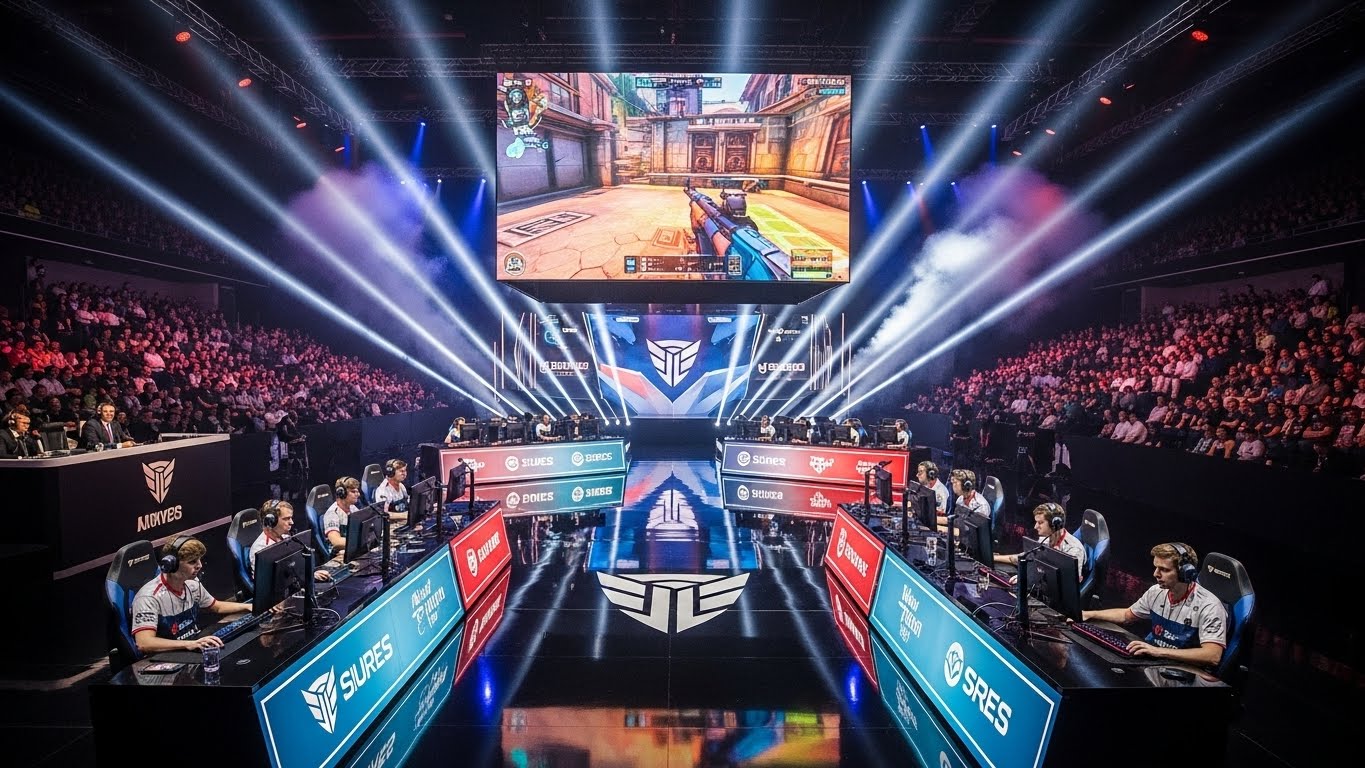
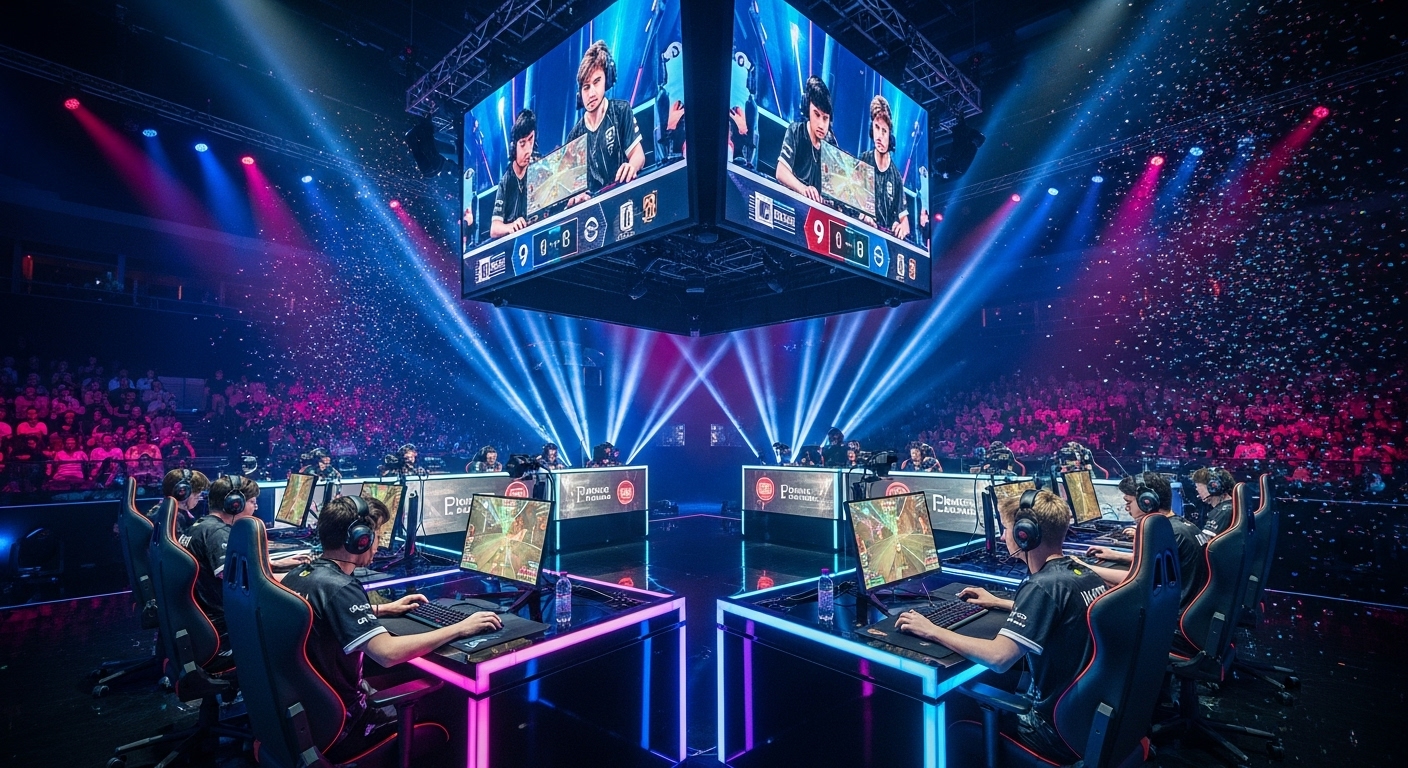
Since then, eSports has seen exponential growth. Major tournaments like The International (for Dota 2) and The Overwatch League have attracted large audiences both in person and online. Players can now earn substantial prize money, sponsorships, and endorsements, while teams are backed by major companies and organizations. The rise of platforms like Twitch and YouTube Gaming has further fueled eSports’ popularity, providing fans with easy access to live-streamed competitions and player content.
The Professionalization of eSports
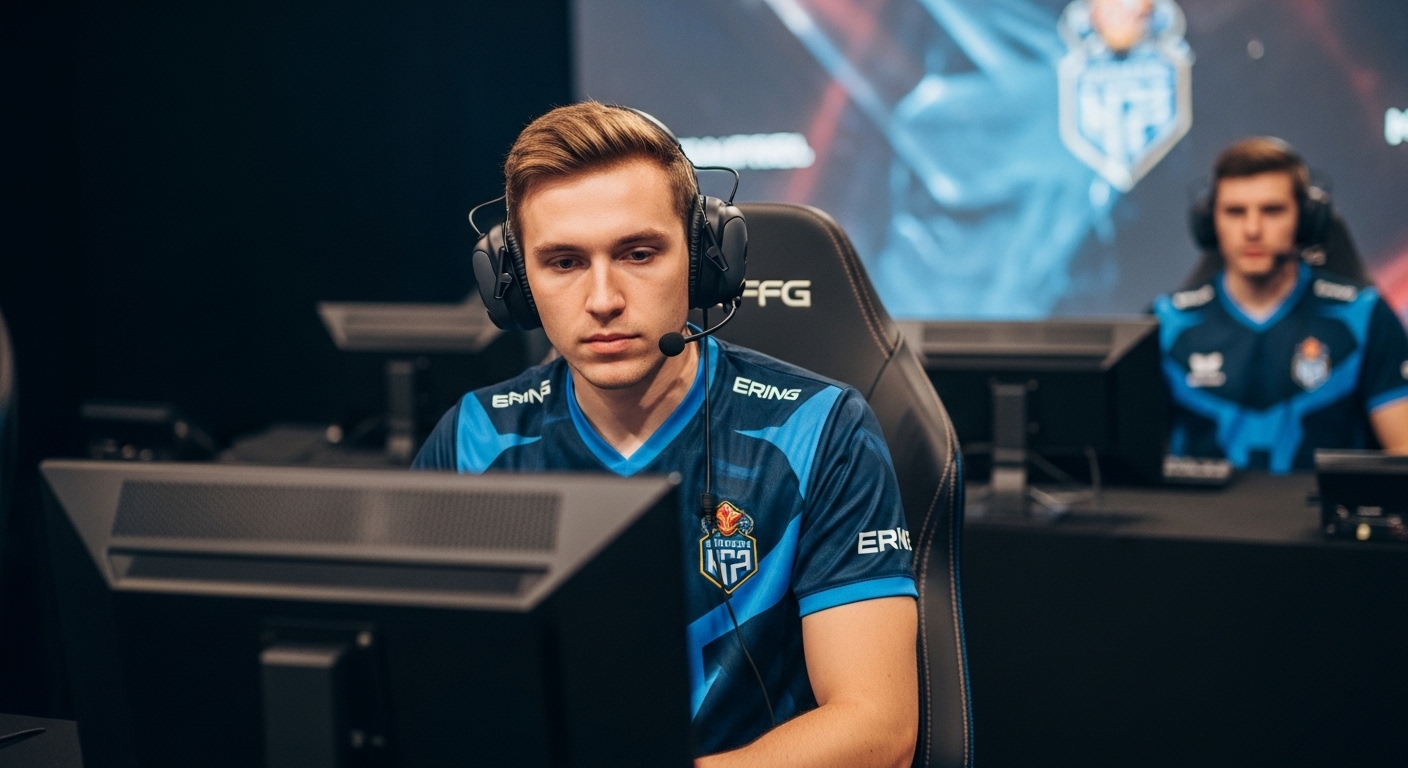
As the industry grew, so did its professionalism. eSports athletes are now treated similarly to traditional sports players, with full-time training regimens, coaches, analysts, and support staff. Professional teams have sponsors, managers, and even brand partnerships, and players are often signed to multi-year contracts with salaries and performance bonuses. This level of professionalism has attracted more serious attention from investors, media, and even traditional sports organizations.
In terms of gameplay, top eSports players are highly skilled athletes who dedicate countless hours to practicing and refining their craft. Just like any professional sport, players need to maintain peak mental and physical condition. While gaming may not require physical strength in the traditional sense, it demands extreme hand-eye coordination, quick reflexes, and the ability to make split-second decisions. Players often spend upwards of 10 hours a day training, practicing with their teams, and refining strategies.
The professionalization of eSports has also led to the establishment of collegiate programs and scholarships in the U.S. and beyond. Universities and colleges now offer eSports teams and gaming-related academic programs, paving the way for the next generation of professional players, coaches, and analysts. As eSports continues to grow, educational institutions recognize the career potential and academic value that comes with pursuing a future in competitive gaming.
The Global Appeal of eSports
What sets eSports apart from traditional sports is its international appeal. Thanks to the internet, anyone with a computer and an internet connection can access eSports competitions and engage with players from all over the world. Tournaments are held in major cities across the globe, from Los Angeles to Seoul, and online broadcasts allow fans from every corner of the planet to tune in and cheer for their favorite teams and players.
One of the most fascinating aspects of eSports is its ability to unite people across cultures. Fans of games like League of Legends and Counter-Strike can communicate, share strategies, and support their teams, despite language and geographical barriers. In fact, many professional eSports teams and players have become international icons, attracting fans from countries they may have never visited or even played in.
The largest eSports tournaments, such as The International and the League of Legends World Championship, draw millions of viewers online, with peak viewership often rivaling that of major sporting events. The prize pools for these tournaments have skyrocketed, with The International offering prize money exceeding $40 million in recent years. These events are broadcast live on platforms like Twitch and YouTube, and fans can watch as their favorite players compete for not only a championship title but also a piece of the massive prize pool.
Sponsorships, Money, and the Business of eSports
As eSports has gained in popularity, it has become an attractive business opportunity for companies looking to tap into a young, tech-savvy demographic. Major brands such as Coca-Cola, Intel, and Nike have all invested in eSports sponsorships, recognizing the immense potential of reaching millions of gamers through strategic partnerships. These sponsorships help fund teams, tournaments, and content creation, making eSports a lucrative industry for both players and businesses.
Prize money in eSports is another significant factor driving its growth. Tournaments like The International offer prize pools that are often higher than those of traditional sports events like tennis or golf. The top players and teams can make millions of dollars a year from prize earnings, sponsorships, streaming deals, and product endorsements. While the majority of players are still striving to reach the highest levels of competitive gaming, the potential for earning big money has attracted a new wave of aspiring eSports athletes.
In addition to traditional sponsors, eSports has seen the rise of digital and tech-focused partnerships. Streaming platforms like Twitch offer exclusive broadcasting deals for top players and teams, while hardware companies such as Alienware and Logitech sponsor professional players, providing them with the latest gaming equipment. As the eSports ecosystem grows, so too does the diversity of revenue streams, making it a robust and sustainable industry.
The Social and Cultural Impact of eSports
eSports has not only transformed the entertainment landscape but also had a profound impact on social interactions and culture. The rise of live-streaming platforms like Twitch has allowed fans to engage directly with players, watch their gameplay live, and interact in real time via chat. This level of interactivity fosters a sense of community, as fans and players alike connect over their shared passion for gaming.
In addition, eSports has become a major part of the larger pop culture conversation. Events like the League of Legends World Championship and the Fortnite World Cup are now featured on mainstream news outlets, and top players have become celebrities in their own right, with large followings on social media platforms. Fans not only tune in to watch the action but also support their favorite players and teams by purchasing merchandise, following them on social media, and attending live events.
One notable trend is the increasing popularity of eSports among younger generations. The accessibility of online gaming, the ability to watch live events, and the opportunity to engage with the community have made eSports an integral part of youth culture. For many, competitive gaming is more than just a form of entertainment—it’s a way to connect with friends, develop skills, and aspire to a career in the industry.
The Challenges Facing eSports
Despite its rapid growth, eSports still faces a number of challenges. One of the primary concerns is the lack of regulation and standardization across different games and leagues. While some games like League of Legends and Overwatch have well-established professional leagues, others still operate on a more ad-hoc basis. There is a need for more consistent governance, clear rules, and standardized contracts for players to ensure fair competition and avoid exploitation.
Another challenge is the issue of mental and physical health. Professional gamers often spend long hours practicing and competing, which can take a toll on their well-being. From repetitive strain injuries to burnout and stress, maintaining good health is a constant battle for many eSports players. As the industry matures, there will need to be greater emphasis on player welfare and support systems to ensure the long-term success of the eSports ecosystem.
The Future of eSports
Looking ahead, the future of eSports appears bright. The industry will continue to grow as new technologies like virtual reality (VR) and augmented reality (AR) become more mainstream. These innovations could further enhance the spectator experience and provide new opportunities for immersive competition.
Additionally, as eSports becomes more integrated into mainstream culture, we can expect to see more collaboration with traditional sports organizations, television networks, and global brands. The potential for eSports to become an Olympic event or a central part