Introduction
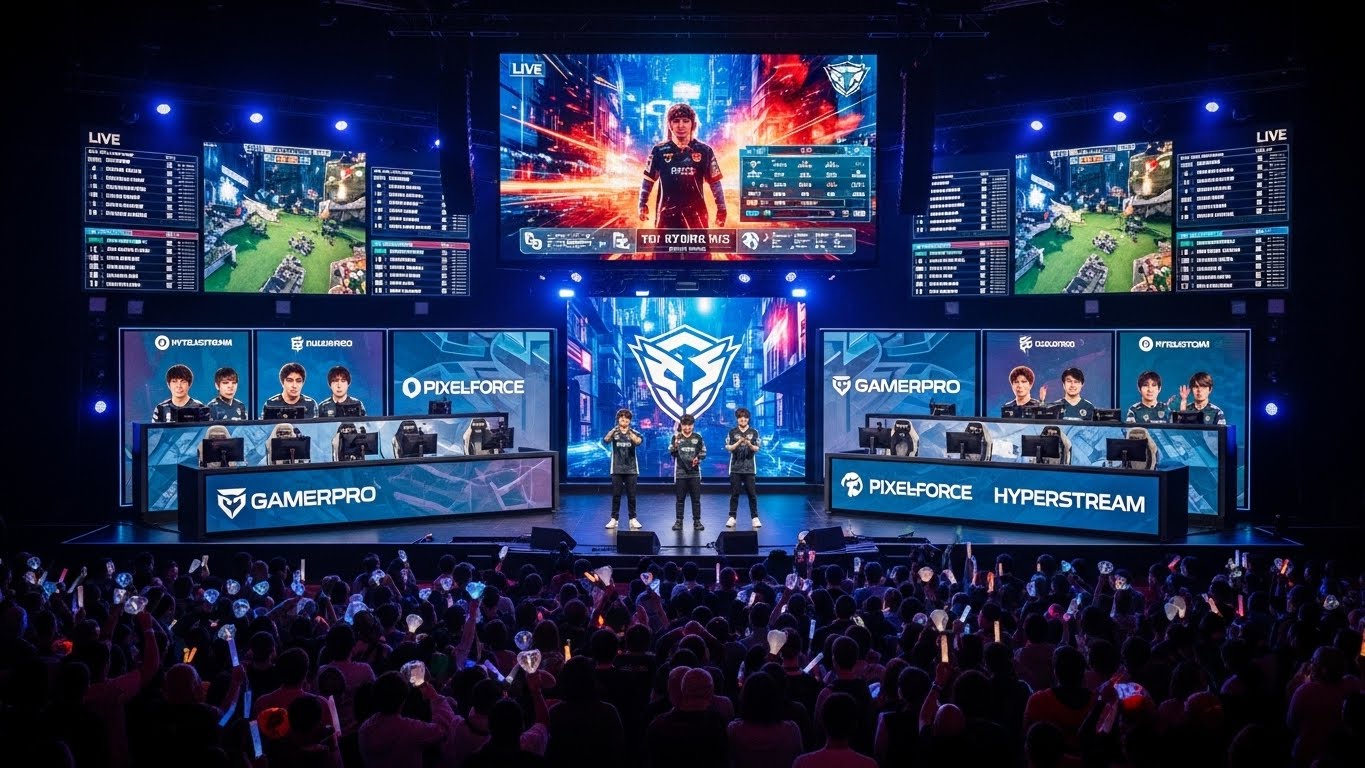
Esports, or electronic sports, has transformed from a niche hobby into a global phenomenon that captivates millions of fans worldwide. What was once considered casual gaming has evolved into a professional arena where players train rigorously, organizations invest heavily, and audiences engage passionately. The rise of esports has reshaped the landscape of entertainment, blurring the lines between traditional sports, digital media, and technology-driven competition. This blog explores the evolution, impact, and future of esports, highlighting why it has become one of the most influential industries in modern entertainment.
The Origins of Esports
The concept of competitive gaming is not entirely new. Video games have existed since the 1970s, but the first instances of organized competition emerged in the 1980s with arcade tournaments and early console competitions. Events like the Space Invaders Championship in 1980 set the stage for gaming as a spectator activity. Throughout the 1990s, games such as Street Fighter, Doom, and Quake became staples of competitive gaming communities, attracting small but dedicated audiences. The introduction of the internet and LAN networks facilitated large-scale competitions, allowing players from different regions to compete against each other in real-time. This period laid the groundwork for what would eventually become the professional esports ecosystem we see today.
The Evolution of Esports into a Professional Industry
Esports transitioned from hobbyist competitions to a professional industry in the early 2000s. South Korea played a pivotal role in this transformation, especially with the popularity of games like StarCraft: Brood War. South Korean players became national celebrities, and professional teams emerged, complete with sponsorships and structured leagues. Around the same time, multiplayer online battle arena (MOBA) games like Dota and League of Legends began gaining traction. These games emphasized strategy, teamwork, and individual skill, making them ideal for competitive play. With streaming platforms such as Twitch emerging in the 2010s, esports reached a global audience, allowing fans to watch their favorite players live from anywhere in the world. This period marked the commercialization of esports, with prize pools, sponsorships, and professional contracts turning competitive gaming into a viable career path.
Popular Esports Games and Their Appeal
Esports encompasses a wide variety of games, each appealing to different types of players and audiences. First-person shooters (FPS) such as Counter-Strike: Global Offensive and Call of Duty test reflexes, precision, and strategic positioning. MOBAs like League of Legends and Dota 2 demand team coordination, tactical planning, and adaptability. Fighting games such as Street Fighter and Tekken highlight individual skill, timing, and execution. Racing games, sports simulations, and card games also have dedicated competitive communities. The appeal of these games lies not only in their entertainment value but also in the skill, dedication, and creativity required to compete at the highest level. Players and teams are celebrated for their mastery, and fans develop deep emotional connections with the strategies, rivalries, and personalities within the esports ecosystem.
The Global Esports Ecosystem
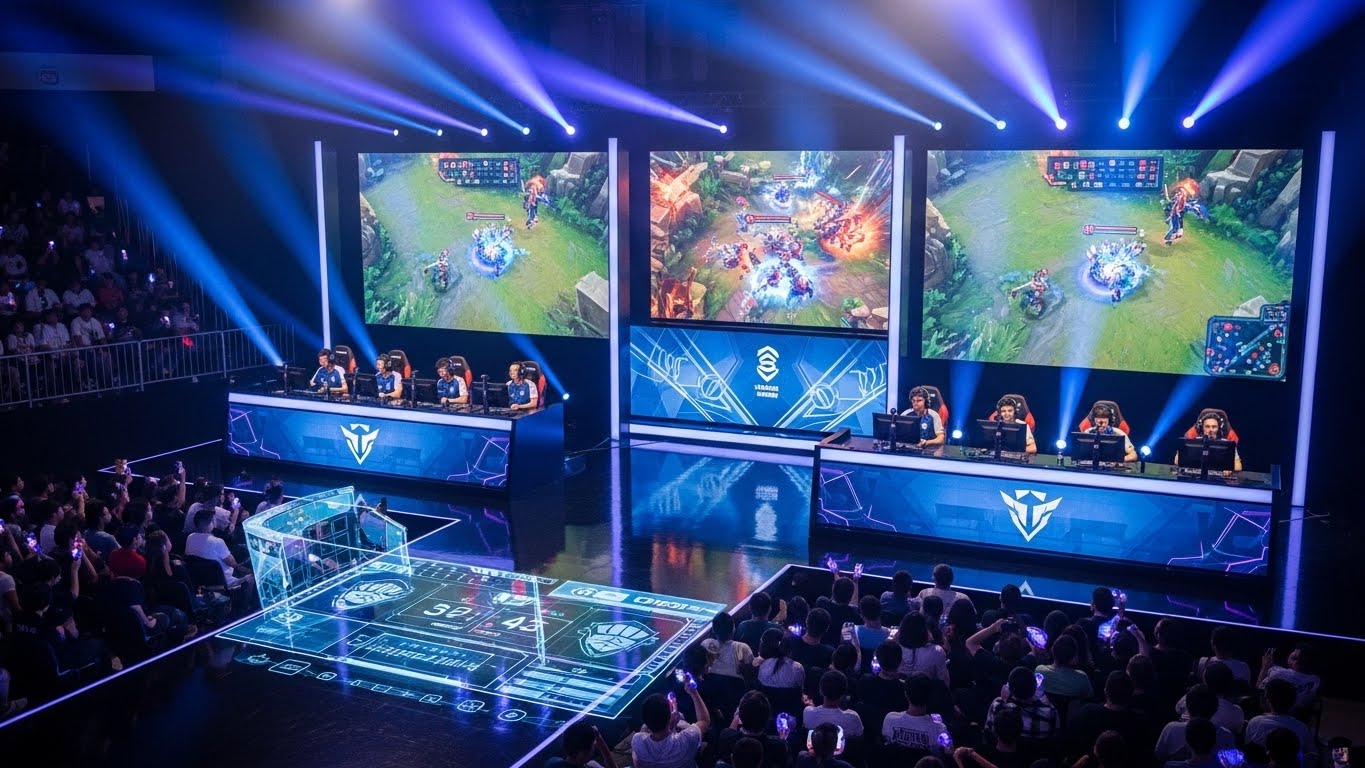
Esports is no longer limited to casual competitions; it has developed a global ecosystem involving players, teams, sponsors, broadcasters, event organizers, and fans. Professional teams operate like traditional sports franchises, with dedicated coaches, analysts, and training facilities. Sponsorship deals provide financial support, often from technology companies, lifestyle brands, and energy drink manufacturers. Major tournaments, such as the League of Legends World Championship and The International for Dota 2, attract audiences in the millions and offer multi-million-dollar prize pools. Streaming platforms and social media have become critical channels for fan engagement, allowing audiences to follow players’ lives, watch live competitions, and participate in online communities. The ecosystem also includes collegiate leagues and amateur competitions, providing pathways for emerging talent to reach professional levels. This interconnected structure has helped esports grow into a multibillion-dollar industry with a sustainable and expanding fan base.
Esports and the Mainstream Media
In recent years, esports has gained significant recognition in mainstream media. Major broadcasters, including traditional television networks, have begun airing esports tournaments alongside coverage of conventional sports. Celebrities, professional athletes, and influencers have embraced competitive gaming, further legitimizing esports in popular culture. Universities and colleges now offer scholarships for esports athletes, highlighting the growing acceptance of gaming as a serious pursuit. The media exposure has also helped esports attract investment from venture capitalists and large corporations seeking to tap into the lucrative youth and gaming markets. By bridging digital culture and traditional entertainment, esports is positioning itself as a legitimate form of competitive entertainment with broad societal influence.
The Role of Technology in Esports Growth
Technology has been a driving force behind the rapid growth of esports. High-speed internet, advanced gaming hardware, and streaming platforms have enabled global competitions and real-time fan engagement. Virtual reality (VR) and augmented reality (AR) technologies are beginning to enhance immersive experiences for both players and spectators. Data analytics and artificial intelligence tools help professional teams optimize strategies, training, and performance analysis. Social media platforms amplify the reach of esports content, making it easier for players to build personal brands and for fans to interact with their favorite teams. As technology continues to evolve, esports will likely integrate even more advanced features, including AI-powered coaching, interactive viewing experiences, and enhanced accessibility for global audiences.
Economic Impact of Esports
The economic impact of esports is staggering. Revenue streams include sponsorships, advertising, merchandise, ticket sales for live events, and digital media rights. The global esports market is projected to grow steadily, driven by increasing audience engagement, corporate sponsorships, and professionalization of competitions. Cities and governments recognize the potential of esports tourism, with conventions, tournaments, and gaming expos attracting international visitors. Additionally, esports has created employment opportunities beyond players, including roles in marketing, event management, content creation, software development, and coaching. The industry’s financial influence demonstrates that esports is not merely entertainment but a substantial contributor to the global economy.
The Social and Cultural Significance of Esports
Esports has cultivated a vibrant social and cultural community that transcends national boundaries. Online forums, streaming platforms, and fan clubs create spaces for interaction, discussion, and shared experiences. Competitive gaming has fostered a sense of identity among players and fans, with communities forming around favorite games, teams, and personalities. The inclusivity of esports allows individuals from diverse backgrounds to participate, offering opportunities for gender, ethnic, and geographic representation. Esports culture also emphasizes resilience, strategic thinking, teamwork, and creativity, which resonates with younger generations. As esports continues to grow, it is likely to influence broader cultural trends, including fashion, entertainment, and lifestyle choices.
Challenges Facing the Esports Industry
Despite its rapid growth, esports faces several challenges. Player burnout and mental health issues are significant concerns, as professional gamers often endure intense training schedules and public scrutiny. Regulation and standardization of competitive rules remain inconsistent across different regions and game titles. Issues of cheating, hacking, and match-fixing pose threats to the integrity of competitions. Additionally, while the industry has made progress in gender inclusivity, women and minority groups still face barriers to participation and recognition. Addressing these challenges is critical to ensuring the long-term sustainability and credibility of esports as a professional and cultural phenomenon.
The Future of Esports
The future of esports looks promising, with potential for further integration into mainstream entertainment, education, and global culture. Emerging technologies like virtual reality, cloud gaming, and artificial intelligence are likely to create new competitive formats and viewing experiences. The expansion of collegiate and amateur leagues will nurture new talent and increase accessibility. Esports may also continue to collaborate with traditional sports organizations, blending physical and digital competitions. As global awareness and investment grow, esports has the potential to rival or surpass traditional sports in terms of viewership, revenue, and cultural influence. Its evolution demonstrates the adaptability and innovation of the gaming community and its capacity to shape the entertainment industry of tomorrow.
Conclusion
Esports has evolved from a niche pastime to a global cultural and economic powerhouse. Its growth is fueled by technological innovation, professionalization, and an ever-expanding fan base that spans continents and cultures. By combining skill, strategy, entertainment, and social connection, esports has carved a unique space in modern society. While challenges remain, the resilience and creativity of the esports community ensure that it will continue to thrive. The rise of esports is not just a reflection of changing entertainment habits—it is a glimpse into the future of competition, media, and cultural engagement. Competitive gaming has become more than a game; it is a dynamic force shaping the entertainment landscape of the 21st century.