Introduction: The Digital Revolution of Sports
Over the past decade, esports has transformed from a niche hobby into a global phenomenon. What once began as casual gaming competitions among friends has evolved into a highly organized, professional industry attracting millions of players and spectators worldwide. Today, esports tournaments fill arenas, broadcast on streaming platforms, and offer prize pools rivaling traditional sports. But what exactly is driving this explosive growth, and why does it resonate so strongly with a modern audience?
Esports is more than just playing video games; it is a combination of strategy, teamwork, and individual skill that mirrors traditional sports in intensity and excitement. Just like basketball or football, professional gamers train rigorously, follow strict routines, and constantly analyze their performances to improve. However, unlike conventional sports, esports thrives in a digital ecosystem that allows instant global reach, fostering communities that transcend geographical boundaries.
Understanding Esports: What Makes It Unique
At its core, esports is competitive gaming. It encompasses various game genres, including first-person shooters, real-time strategy games, fighting games, and multiplayer online battle arenas. Each genre demands a unique set of skills, from lightning-fast reflexes to tactical planning and teamwork.
One of the aspects that sets esports apart from traditional sports is accessibility. Players do not need physical strength or specific body types to excel; what matters most is mental acuity, strategy, and practice. This opens doors for a diverse range of participants and has contributed to the rapid expansion of the esports community. Additionally, the digital nature of esports enables fans to engage directly with players, watch live streams, and participate in discussions, creating an interactive experience that traditional sports cannot fully replicate.
The Professional Esports Ecosystem
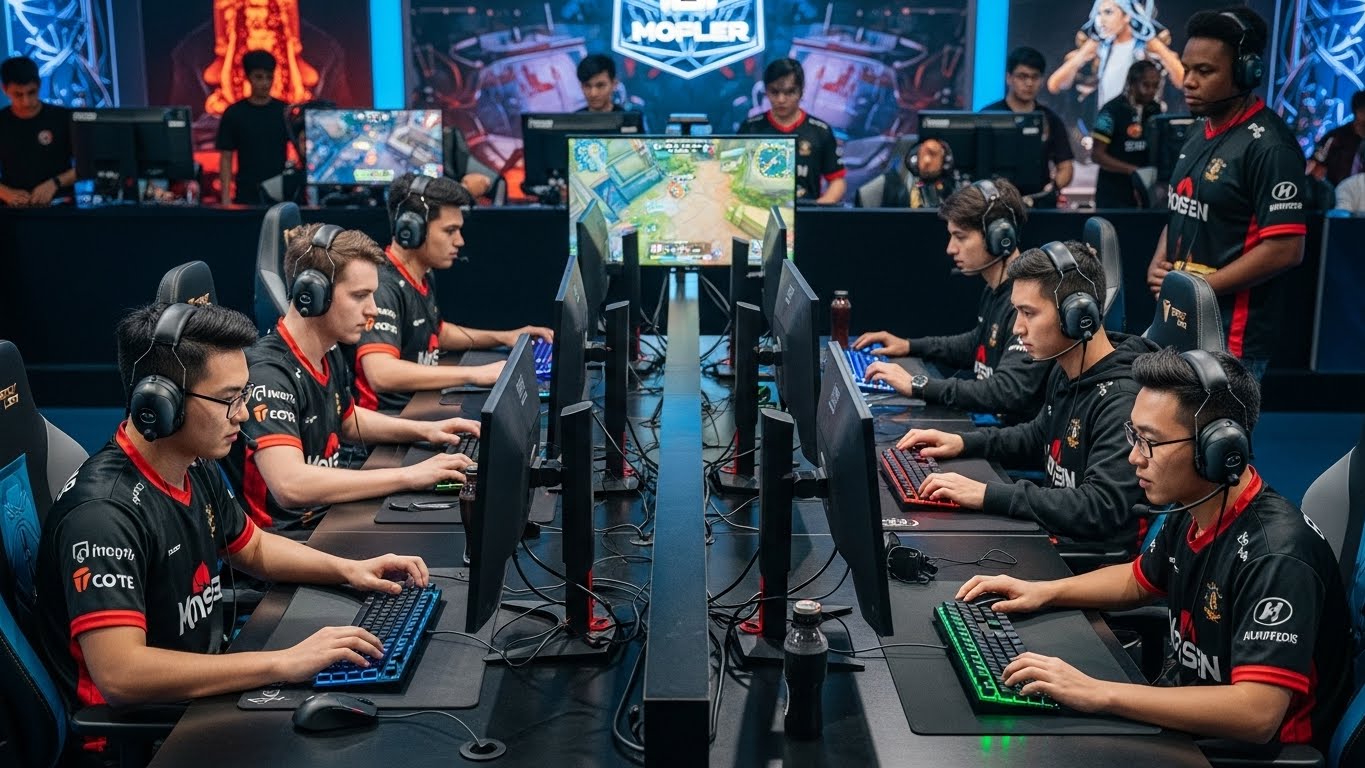
The professional esports ecosystem is sophisticated and multi-faceted. It includes players, teams, coaches, analysts, tournament organizers, sponsors, and content creators. Professional players often dedicate hours every day to practice, studying gameplay mechanics, and perfecting strategies with their teammates. Teams operate like corporate organizations, complete with management, marketing, and support staff.
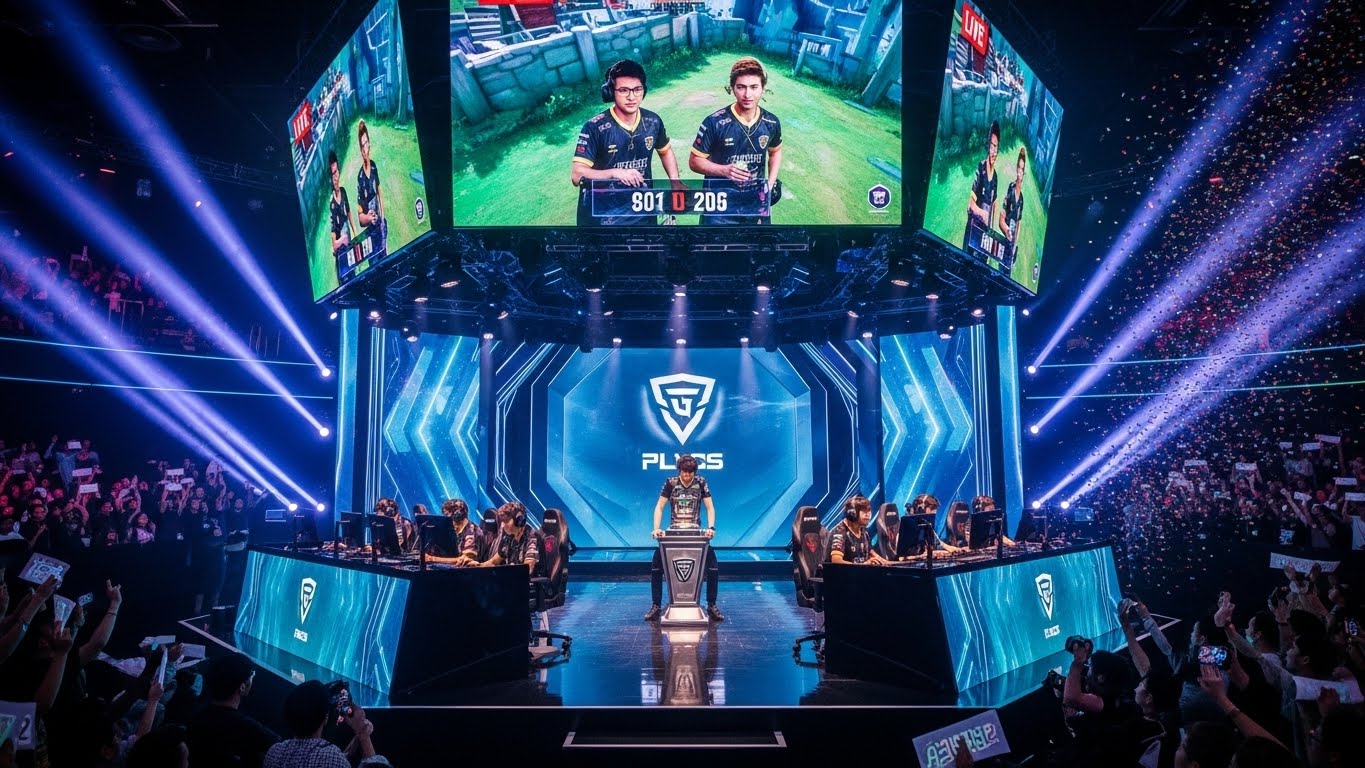
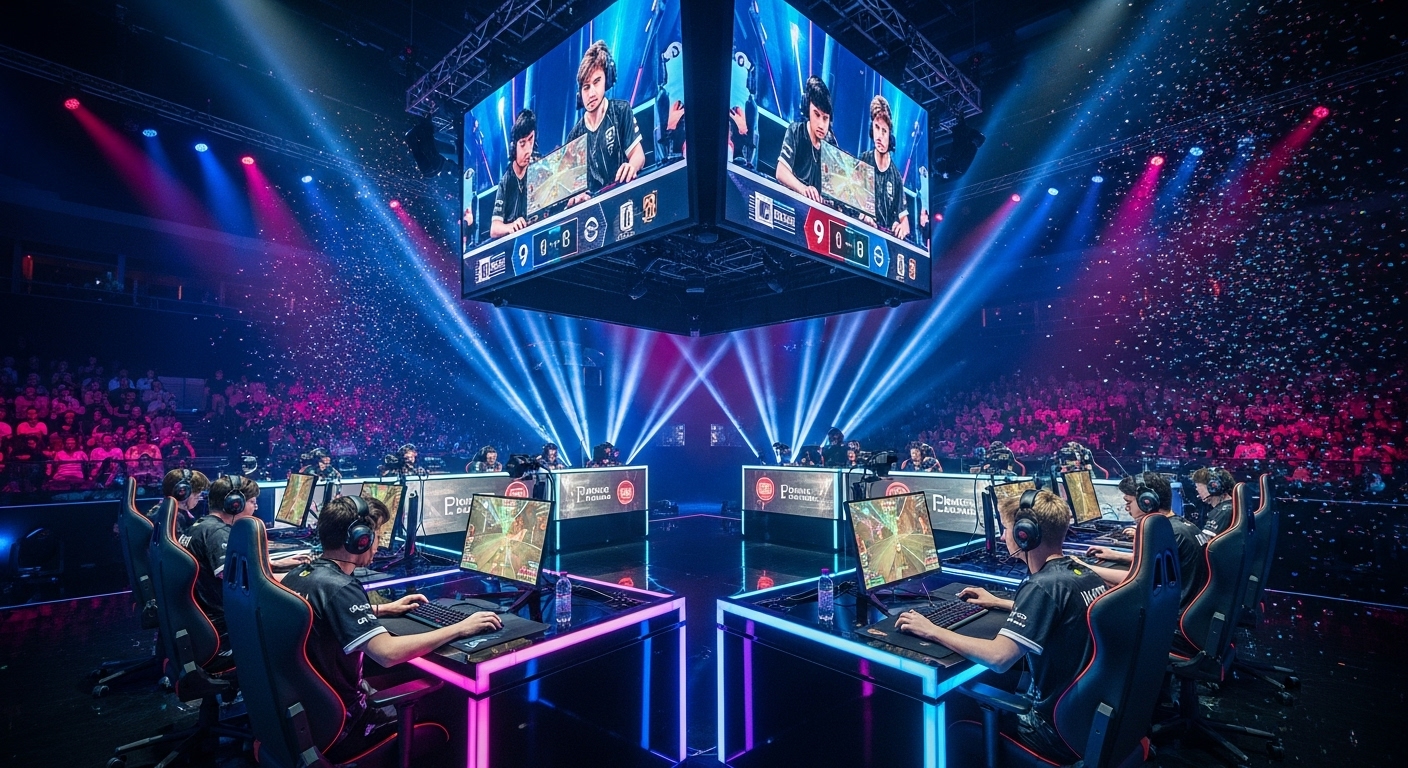
Esports tournaments have become massive productions, with international competitions drawing audiences in the millions. Major events are held in stadiums with live audiences while millions more watch online. Prize pools have skyrocketed, with top-tier competitions offering millions of dollars to winners, reflecting the immense financial potential of the industry. Sponsors and brands have also recognized the marketing power of esports, investing in advertising and partnerships to reach younger, tech-savvy audiences.
The Impact on Youth and Culture
Esports has a profound influence on youth culture. Many young individuals aspire to become professional gamers, inspired by the success of esports stars who have achieved fame and financial independence. Schools and universities are even beginning to offer esports programs, scholarships, and competitive teams, legitimizing gaming as a viable career path.
Beyond career aspirations, esports fosters important life skills such as teamwork, communication, strategic thinking, and resilience. Gamers must learn to manage pressure, adapt to dynamic situations, and work collaboratively to achieve shared goals. In many ways, these skills are transferable to real-world scenarios, making esports more than just entertainment.
Technology and Streaming: The Engines Behind Esports Growth
The meteoric rise of esports is inseparable from advances in technology and streaming platforms. High-speed internet, powerful gaming hardware, and accessible online platforms have democratized competitive gaming, allowing anyone with a computer or console to participate and showcase their talent.
Streaming services and social media platforms play a crucial role in connecting players and audiences. Fans can watch live tournaments, follow their favorite teams, and engage in real-time discussions, creating a sense of community and shared excitement. Influencers and content creators contribute to the ecosystem by providing tutorials, entertainment, and behind-the-scenes insights, further fueling interest and engagement.
The Economic Dimension of Esports
Esports has emerged as a major economic force, generating billions of dollars annually. Revenue streams include sponsorships, advertising, merchandise, ticket sales, and media rights. Gaming companies benefit from increased visibility and brand loyalty, while tournament organizers profit from broadcasting and event management.
The financial success of esports has also led to professionalization. Teams now employ coaches, analysts, nutritionists, and psychologists to maximize player performance. The industry’s growth has created job opportunities in fields ranging from event production to content creation, contributing to the digital economy in significant ways.
Challenges Facing the Esports Industry
Despite its rapid expansion, esports faces several challenges. One major concern is the physical and mental health of players. Extended hours of gameplay can lead to repetitive strain injuries, eye strain, and stress-related issues. Addressing these concerns requires proper training regimens, breaks, and access to health professionals.
Another challenge is the perception of esports as “real” sports. While attitudes are changing, some traditionalists still view competitive gaming as less legitimate than physical sports. Overcoming these biases will require continued professionalization, mainstream media coverage, and educational initiatives highlighting the skill, strategy, and discipline involved in esports.
Moreover, the industry must navigate issues related to fairness, cheating, and online harassment. Developers and organizers continually implement anti-cheating measures, regulations, and community guidelines to ensure a safe and competitive environment for all participants.
The Global Expansion of Esports
Esports is no longer limited to specific regions; it is a global phenomenon. Countries in Asia, Europe, and North America dominate the professional scene, but emerging markets are rapidly contributing to the industry’s growth. South Korea is often regarded as the birthplace of modern esports, with a strong infrastructure supporting professional players and tournaments. Similarly, China has become a dominant force, investing heavily in esports leagues, academies, and technology.
The globalization of esports also promotes cultural exchange. Players from different countries and backgrounds collaborate, compete, and share strategies, creating a diverse and inclusive environment. International tournaments serve as opportunities for cross-cultural interaction, bringing communities together in ways that traditional sports sometimes cannot.
The Future of Esports
Looking ahead, the future of esports is bright and full of potential. Virtual reality and augmented reality technologies could revolutionize gameplay, creating even more immersive and interactive experiences for players and spectators. Artificial intelligence may assist in training, strategy development, and content creation, enhancing both the competitive and entertainment aspects of esports.
Esports is likely to continue integrating with mainstream entertainment, with collaborations between gaming, music, and film industries. As audiences grow and technology evolves, esports may well become one of the dominant forms of entertainment globally. Moreover, educational institutions may increasingly recognize esports as a tool for learning, personal development, and career preparation, further solidifying its legitimacy.
Conclusion: Esports as a Cultural Phenomenon
Esports represents more than just competitive gaming; it is a cultural movement that is reshaping entertainment, technology, and youth engagement. It has created opportunities for professional careers, fostered global communities, and challenged traditional notions of sport and competition.
As esports continues to grow, it will likely influence how society views competition, skill, and teamwork. Its blend of strategy, skill, and digital innovation ensures that it remains a compelling and transformative force. Whether as a professional player, a fan, or an industry observer, engaging with esports offers a window into the future of entertainment—a world where digital arenas are as thrilling and meaningful as physical ones.
In the end, esports is not just a pastime or an industry; it is a testament to how technology, passion, and human ingenuity can create a global phenomenon that transcends borders and generations. The rise of esports signals a new era where the digital and the competitive coexist, shaping the way we play, watch, and connect with each other in the twenty-first century.