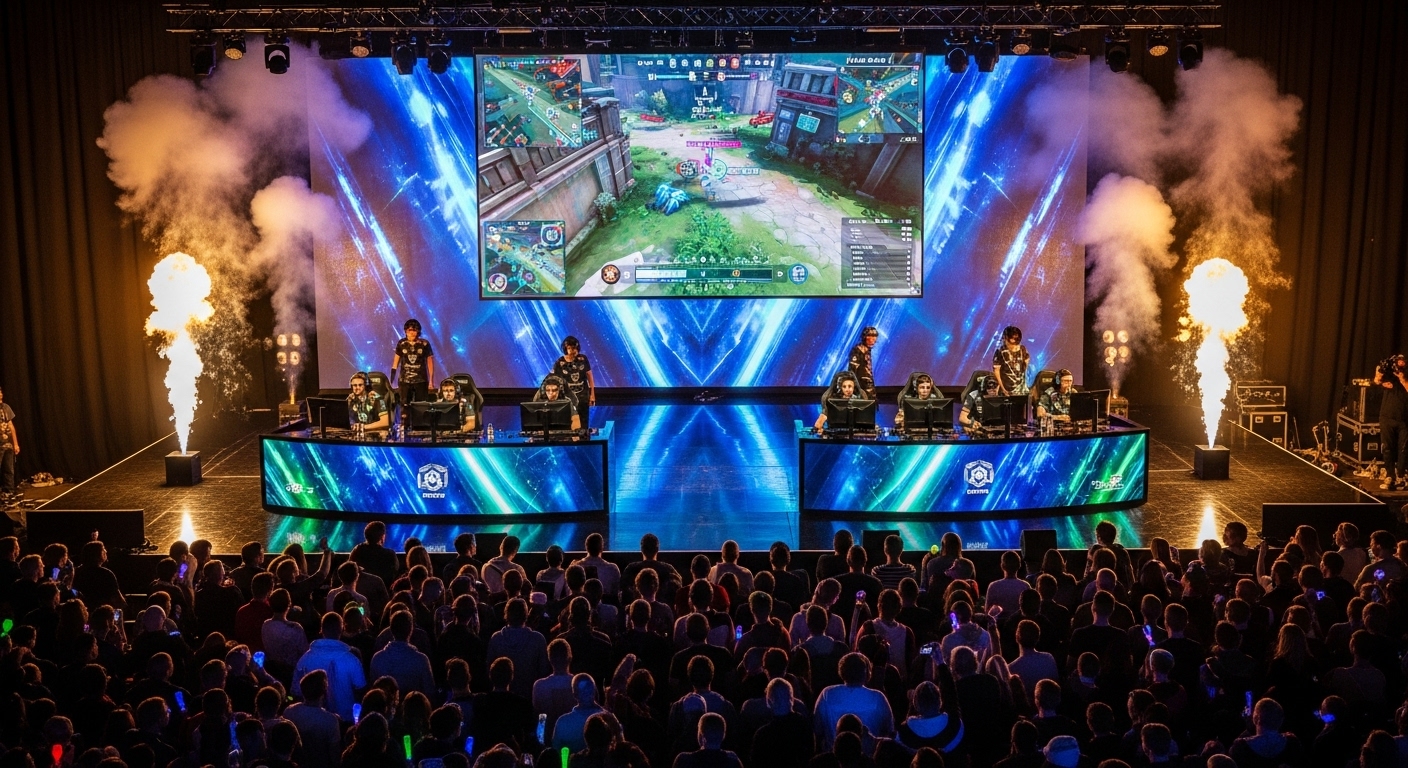

Esports, once a niche interest for a small group of passionate gamers, has rapidly transformed into a global entertainment powerhouse. With millions of viewers tuning in to watch top-tier players and teams compete in high-stakes tournaments, competitive gaming has become a legitimate sport, attracting sponsorships, media attention, and a dedicated fan base. This blog post will explore the evolution of esports, its current landscape, and the future of competitive gaming.
What is Esports?
Esports, short for electronic sports, refers to competitive video gaming where players or teams compete against each other in various games for prizes, recognition, and sometimes professional contracts. These competitions can take place online or in physical arenas, often streamed on platforms like Twitch, YouTube, or Facebook Gaming, where fans can watch their favorite players and teams in action.
The games that make up the world of esports are varied and include a wide range of genres, such as first-person shooters (FPS), multiplayer online battle arenas (MOBAs), real-time strategy (RTS), and sports simulations. Popular titles in the esports scene include League of Legends, Dota 2, Counter-Strike: Global Offensive, Fortnite, Overwatch, and Call of Duty.
The Growth of Esports: From Casual Hobby to Global Industry
Esports has seen a meteoric rise over the past decade. What started as informal competitions between friends or small-scale events in local communities has now blossomed into large-scale, multi-million dollar tournaments with global viewership.
Several factors have contributed to the growth of esports. One of the key drivers has been the rise of streaming platforms like Twitch and YouTube. These platforms have allowed fans to watch live gameplay, interact with players, and follow their favorite teams. In fact, many of the largest esports events today are streamed to millions of viewers worldwide, with some tournaments even surpassing traditional sporting events in terms of viewership.
The accessibility of games and the increasing skill levels of players have also contributed to the growth of esports. Many of the most popular competitive games are free to play, lowering the entry barrier for newcomers. As players hone their skills, they can progress from casual gamers to professional competitors, making it possible for anyone to rise through the ranks.
Additionally, the increasing investment from both corporations and traditional sports organizations has helped elevate esports into the mainstream. Major brands like Coca-Cola, Intel, and Red Bull sponsor esports events, while professional sports teams are acquiring esports franchises and investing in their own gaming divisions. This influx of capital has helped propel esports into the spotlight and has made it more legitimate in the eyes of both fans and investors.
The Ecosystem of Esports: Players, Teams, and Tournaments
The esports ecosystem is complex, consisting of several interconnected components that work together to support the industry. At the heart of this ecosystem are the players and teams, who compete in high-level tournaments and leagues across various games.
Players: Professional esports players are highly skilled individuals who dedicate a significant amount of time to mastering their chosen games. Many of them begin their careers in grassroots competitions or by streaming their gameplay on platforms like Twitch. As they gain recognition, they may be recruited by professional teams or sponsors.
Teams: Just like traditional sports, esports features teams that represent brands or organizations. These teams are made up of players who train together, compete in tournaments, and represent their team’s brand in the esports community. Teams often have dedicated coaching staff, analysts, and managers to help guide their strategies and improve performance.
Tournaments and Leagues: Esports tournaments are where the action happens. Major tournaments like The International for Dota 2, League of Legends World Championship, and CS:GO Major Championships attract thousands of fans in person and millions more online. These tournaments often feature substantial prize pools, with winners earning large sums of money and worldwide recognition.
In addition to single-event tournaments, many esports titles have established professional leagues, which run throughout the year. For example, the Overwatch League and Call of Duty League operate as regular seasons, where teams compete in a series of matches to earn points and advance to playoffs.
The Appeal of Esports: What Makes it So Captivating?
Esports has captured the attention of millions of fans worldwide, but what makes it so appealing? There are several factors that contribute to the growing popularity of competitive gaming.
Exciting Gameplay: Esports offers fast-paced, high-intensity gameplay that keeps viewers on the edge of their seats. Whether it’s the strategic team play in League of Legends or the intense one-on-one duels in Street Fighter, the action is thrilling and unpredictable.
Skill and Strategy: Much like traditional sports, esports requires both skill and strategy. Professional players train for hours to perfect their mechanics and understanding of the game. They must constantly adapt to their opponents, analyze gameplay data, and come up with creative strategies. Fans appreciate the depth of skill and intellect that goes into every match.
Community and Interaction: Esports fosters a strong sense of community. Fans actively engage with players, teams, and other spectators through social media, streaming platforms, and live events. The interaction between fans and players creates a unique and vibrant atmosphere that adds to the excitement. Many players also engage directly with their followers through live streams, creating a more personal connection with their audience.
Global Reach: Esports is truly global in nature. Tournaments take place in various parts of the world, and players come from diverse backgrounds. Fans can watch matches from any region, whether it’s the League of Legends World Championship in Korea or a Dota 2 tournament in Europe. This international element allows fans to connect with players and teams from different countries, creating a global community of esports enthusiasts.
The Business of Esports: Big Money and Big Brands
Esports is not just about the games; it’s also a rapidly growing business. From sponsorships and advertising to merchandise and ticket sales, the economic impact of esports is immense. Industry reports suggest that the esports market is worth billions of dollars, and this number continues to rise each year.
Sponsorships and Partnerships: Major brands like Samsung, Intel, and Nike have all entered the esports market through sponsorships and partnerships. These brands recognize the potential of esports to connect with younger, tech-savvy audiences and are eager to be associated with the action. In addition to traditional companies, streaming platforms like Twitch and YouTube have also become major players in the business of esports, providing the infrastructure to host live events and monetize content.
Prize Money: Esports tournaments have become incredibly lucrative, with prize pools for major events sometimes reaching tens of millions of dollars. The International, the largest Dota 2 tournament, has broken records with its massive prize pool funded through community donations. These large sums attract top-tier talent and make esports a viable career for professional players.
Streaming and Content Creation: Many esports athletes have successfully built personal brands by streaming their gameplay on platforms like Twitch and YouTube. This has created new revenue streams for players, from subscriptions and ad revenue to donations from fans. Content creation around esports, including analysis, highlights, and commentary, also contributes to the industry’s financial success.
The Future of Esports: What’s Next?
Esports is still in its early stages, and the future looks incredibly bright. As technology continues to advance, esports will likely become even more immersive and interactive. Virtual reality (VR) and augmented reality (AR) could change the way fans experience games, bringing them closer to the action. The increasing convergence of traditional sports and esports could also open new avenues for collaboration, as we already see esports tournaments being held alongside major sporting events like the Super Bowl and Olympics.
The global growth of esports, particularly in regions like Asia and South America, suggests that the industry will continue to expand, reaching new audiences and regions. The development of youth leagues and grassroots programs also ensures that esports will continue to nurture young talent and remain a long-term fixture in the entertainment landscape.
Conclusion
Esports has come a long way from its humble beginnings as a subculture within gaming. Today, it’s a global phenomenon with millions of fans, professional players, and major financial backing. The combination of thrilling gameplay, skill, strategy, and a strong community has solidified esports as one of the most exciting and rapidly growing entertainment industries in the world. As the landscape continues to evolve, there’s no doubt that esports will remain at the forefront of digital entertainment for years to come.