Introduction: The New Era of Competitive Gaming
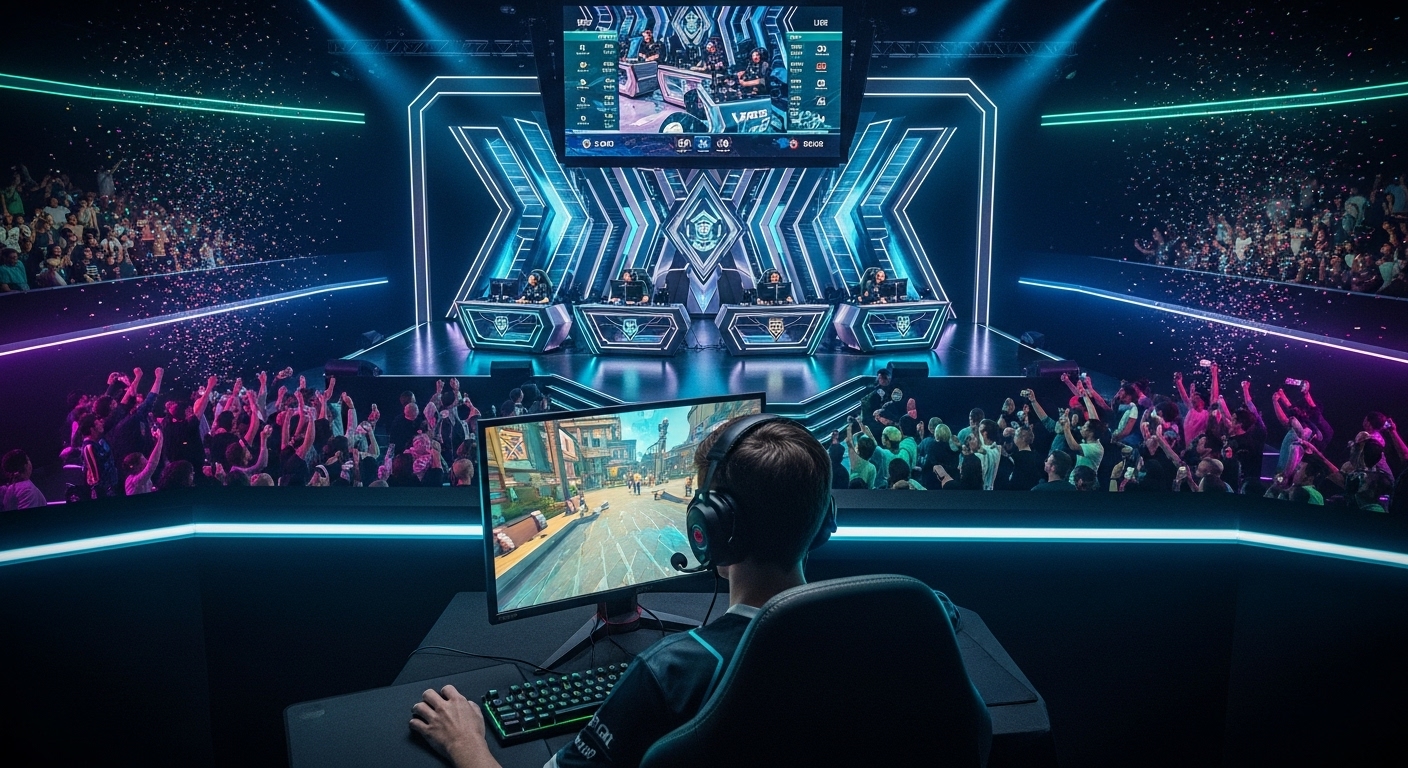
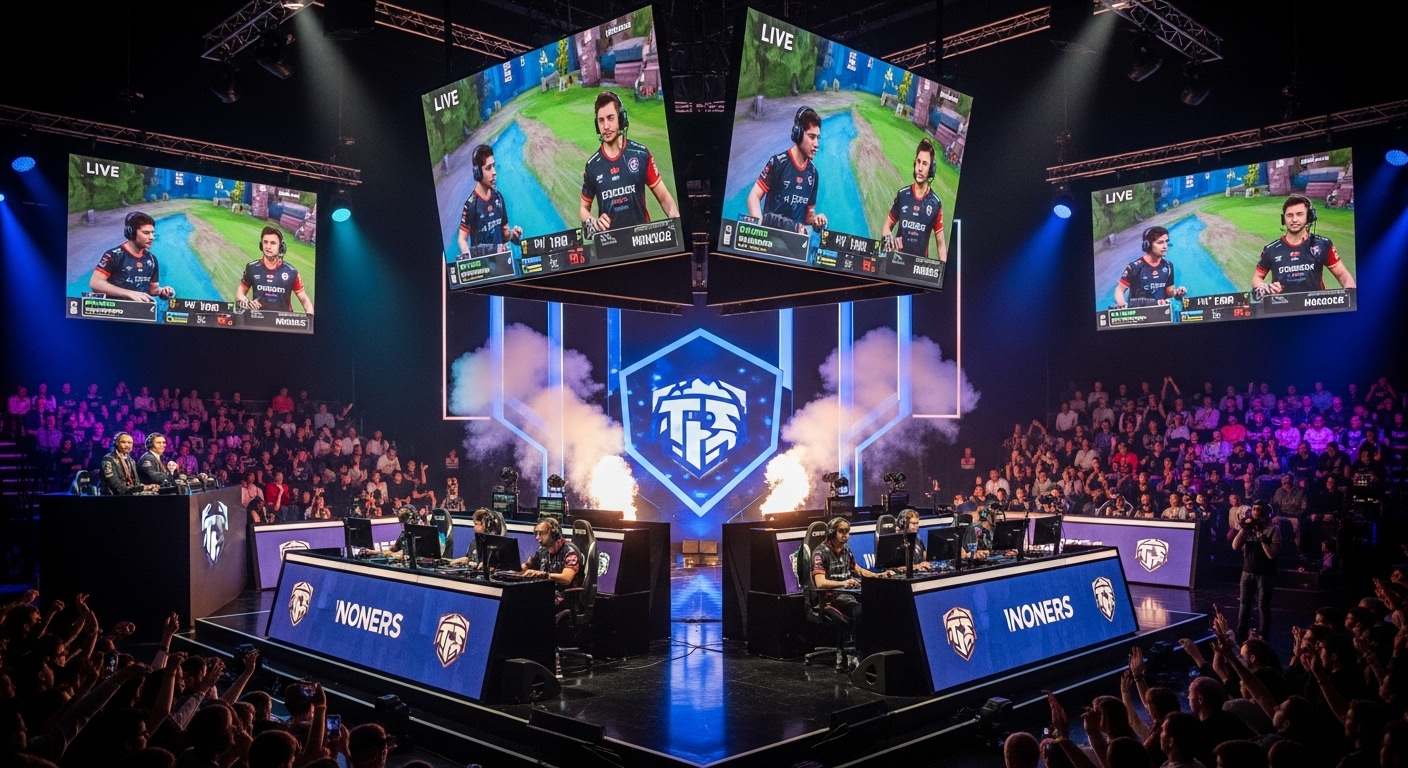
Esports, or electronic sports, has rapidly evolved from a niche hobby into a global phenomenon. Once considered a pastime for casual gamers, competitive gaming now commands massive audiences, lucrative sponsorship deals, and professional leagues comparable to traditional sports. This transformation reflects not just the growing popularity of video games but also the changing perception of gaming as a serious, skill-based profession. From high-speed strategy games to immersive battle arenas, esports has created a new landscape where talent, strategy, and teamwork define success.
The Evolution of Esports
The journey of esports began decades ago with arcade games and local tournaments. Games like Street Fighter and StarCraft laid the groundwork for competitive gaming in the 1990s. The introduction of online multiplayer games expanded the reach of these competitions, allowing players from across the globe to connect and compete. With the advent of live streaming platforms, esports transitioned from local tournaments to worldwide events, bringing the excitement of competitive gaming into homes everywhere. This evolution signifies more than technological advancement; it represents a cultural shift where gaming is embraced as a legitimate form of competition.
Popular Esports Genres
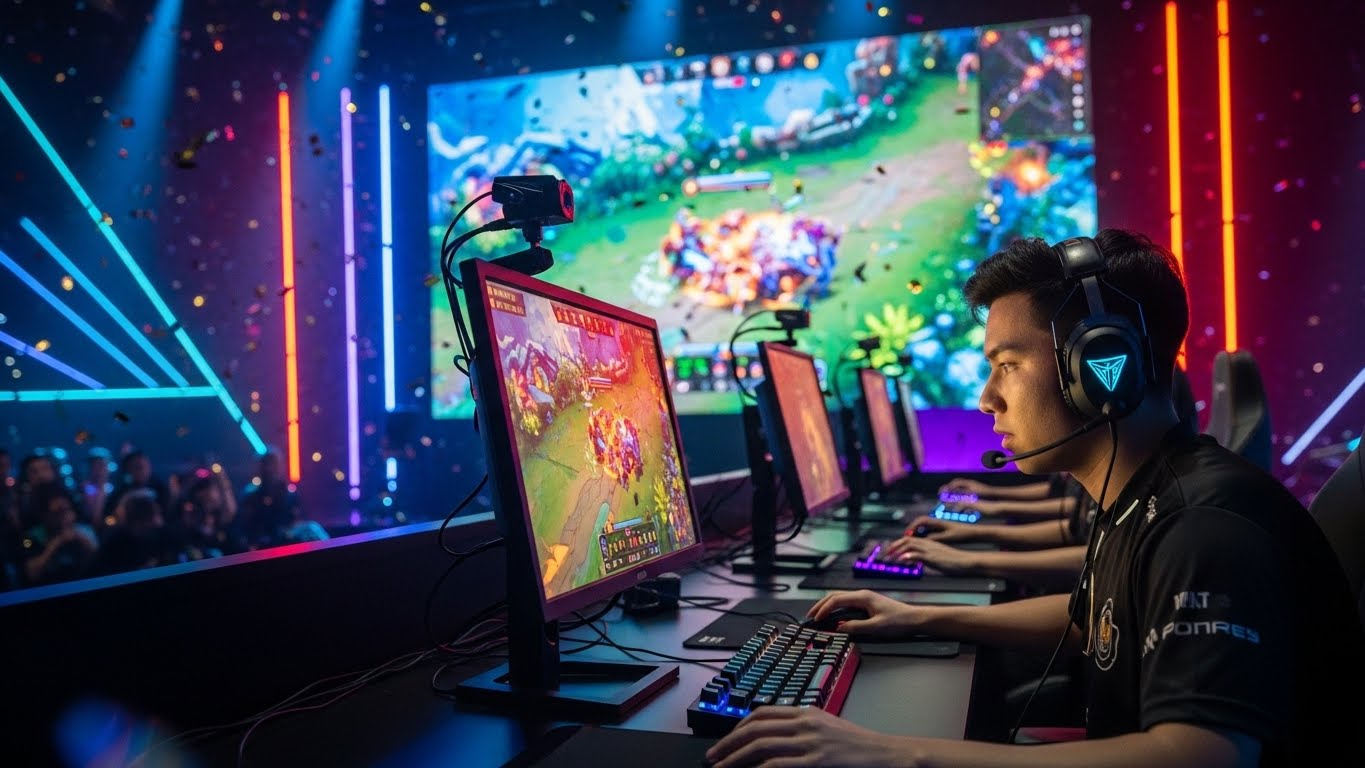
Esports encompasses a wide array of game genres, each with its unique style of play and competitive scene. Multiplayer Online Battle Arenas (MOBAs) such as League of Legends and Dota 2 emphasize strategic planning, teamwork, and quick decision-making. First-Person Shooters (FPS) like Counter-Strike: Global Offensive and Call of Duty focus on precision, reflexes, and coordination. Battle Royale games, including Fortnite and PUBG, blend survival tactics with fast-paced action. Sports simulations and fighting games, although smaller in scale, have dedicated followings that host professional tournaments worldwide. Each genre appeals to different audiences, creating a diverse ecosystem within esports.
The Role of Technology in Esports
Technology is the backbone of esports. High-performance computers, fast internet connections, and advanced gaming peripherals allow players to perform at peak levels. Beyond hardware, software innovations such as anti-cheat systems, analytics tools, and live streaming platforms enhance both player performance and audience experience. Virtual reality and augmented reality are emerging technologies that could redefine competitive gaming by introducing entirely new modes of interaction and immersion. Technology has not only enabled the growth of esports but also made it more accessible to players and fans globally.
Professional Esports Careers
Esports has created professional opportunities beyond playing games. Professional players can earn substantial income through tournament winnings, sponsorships, and streaming. Coaches, analysts, and managers play critical roles in team development and strategy, while commentators and content creators engage audiences with insights and entertainment. Even event organizers and technical staff contribute to the growth of the industry. The rise of esports as a career path challenges traditional notions of employment and highlights the evolving dynamics of work in the digital age.
The Global Esports Scene
Esports is a global phenomenon with major hubs in North America, Europe, and Asia. South Korea, in particular, has long been recognized as a pioneer in professional gaming, with infrastructure and culture supporting competitive gaming at all levels. China and Southeast Asia have rapidly growing esports communities, with millions of viewers tuning into tournaments. North America and Europe host premier leagues and franchises, blending the esports ecosystem with mainstream entertainment and media. The international nature of esports fosters cultural exchange and collaboration, connecting players and fans across borders.
Economic Impact of Esports
The esports industry is a multi-billion-dollar market, fueled by sponsorships, advertising, merchandise, and ticket sales. Brands from technology, fashion, and consumer goods have invested heavily in esports, recognizing its potential to reach a young, engaged audience. Tournament prize pools, which now reach millions of dollars, incentivize players and teams to compete at the highest level. The financial success of esports demonstrates that gaming is not just entertainment but a powerful economic force capable of driving growth in multiple sectors.
Esports and Education
Esports is increasingly recognized as a tool for education and skill development. Universities and schools have introduced esports programs, providing scholarships, team management experience, and academic integration. Students involved in esports develop strategic thinking, teamwork, communication, and leadership skills, all of which are transferable to traditional career paths. The integration of esports into education challenges stereotypes about gaming and demonstrates its potential to foster personal and professional growth.
Challenges Facing Esports
Despite its rapid growth, esports faces challenges. The industry struggles with issues such as player burnout, mental health concerns, and the pressure of maintaining performance under constant scrutiny. Regulatory frameworks are still evolving, with questions around fair play, contracts, and labor rights needing attention. Additionally, inclusivity remains a concern, as the esports scene has historically been male-dominated. Addressing these challenges is crucial for the long-term sustainability and credibility of esports as a professional field.
The Cultural Impact of Esports
Esports has influenced popular culture in ways few could have predicted. It has inspired movies, music collaborations, and fashion trends, blending gaming with mainstream entertainment. The community-driven nature of esports creates a unique social experience, allowing fans to interact with players, share strategies, and participate in events. The culture surrounding esports emphasizes creativity, collaboration, and competition, highlighting how digital experiences can foster real-world social connections.
The Future of Esports
The future of esports looks promising, with continued growth expected in audience size, revenue, and technological innovation. Emerging trends such as mobile esports, virtual reality competitions, and AI-assisted gameplay will expand accessibility and redefine the competitive landscape. As mainstream media increasingly embraces esports, the distinction between traditional sports and competitive gaming will blur. Esports is poised to become not just an entertainment industry but a cultural and social institution shaping how people engage with digital experiences.
Conclusion: Gaming as a Global Phenomenon
Esports has transcended its origins as a niche hobby to become a global cultural and economic force. It offers entertainment, professional opportunities, and community engagement while challenging perceptions of gaming. The rise of esports demonstrates the power of technology, creativity, and human skill in shaping new forms of competition. As the industry continues to grow, it will not only redefine sports and entertainment but also inspire future generations to explore the limitless potential of gaming.
Final Thoughts
Esports is more than a trend; it is a revolution in how we perceive competition, teamwork, and digital interaction. Its growth reflects broader societal changes, from technological advancements to evolving career paths and cultural acceptance. The journey of esports is far from over, and its future promises new innovations, larger communities, and unprecedented opportunities for players and fans alike.