Introduction: The New Frontier of Competition
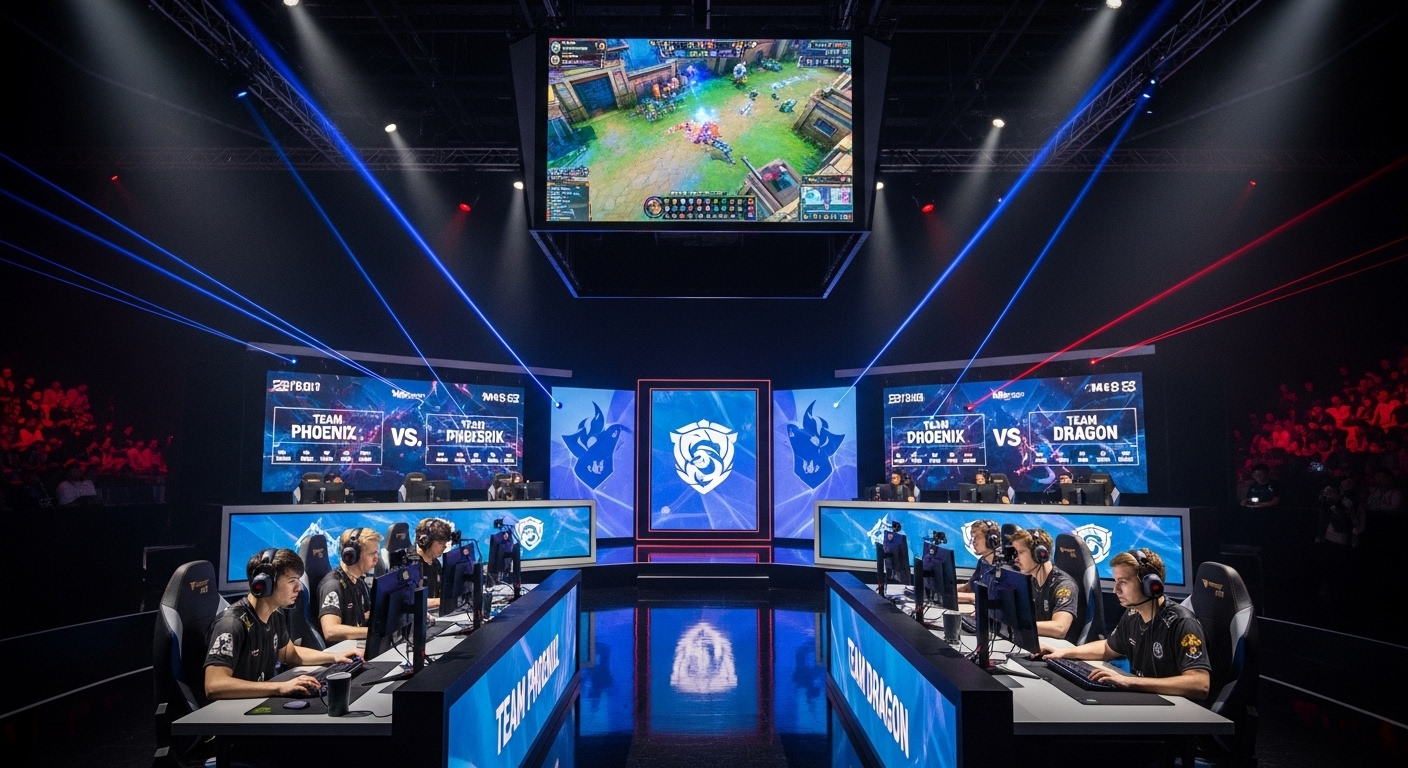
Esports, short for electronic sports, has evolved from a niche hobby into a multi-billion-dollar global industry. What started as small gatherings of gamers competing for fun in local arcades or living rooms has transformed into a highly organized, professional arena where athletes compete on international stages. The rise of esports reflects not only the growing popularity of video games but also the shifting dynamics of entertainment, technology, and youth culture. Today, esports tournaments draw audiences comparable to traditional sports, with dedicated arenas, professional teams, and massive sponsorship deals, proving that competitive gaming is more than just a pastime—it is a serious career path.
The Origins of Esports
The roots of esports can be traced back to the 1970s and 1980s when video games began to gain mainstream attention. Early competitions like the Space Invaders Championship in 1980 marked the beginning of organized gaming events, attracting thousands of participants. Throughout the 1990s, games such as StarCraft, Quake, and Counter-Strike laid the foundation for competitive gaming by introducing strategic gameplay, team coordination, and online multiplayer competitions. The creation of online platforms further revolutionized esports, allowing players from around the world to connect, compete, and showcase their skills. These early milestones set the stage for what would eventually become a professionalized and highly commercialized industry.
The Evolution of Competitive Gaming
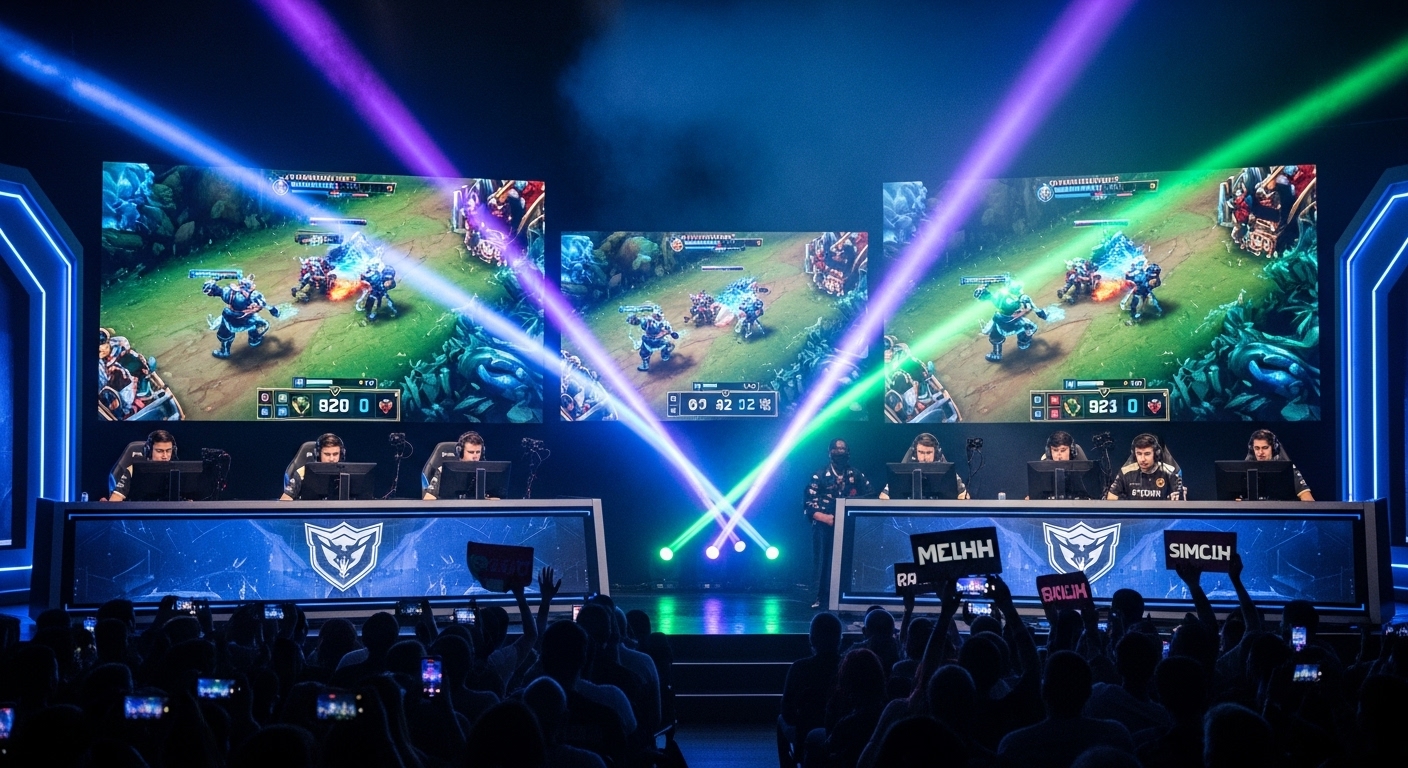
Competitive gaming has evolved drastically over the past two decades. Initially, tournaments were limited to local or national events, but the proliferation of high-speed internet and streaming technology enabled global competitions. Modern esports events feature sophisticated production values, professional commentators, and live broadcasts that rival traditional sports broadcasts in quality. Teams now operate with the same structure as professional athletic organizations, complete with coaches, analysts, nutritionists, and fitness trainers. This evolution reflects the increasing legitimacy of esports as a career, attracting not only talented players but also investors, sponsors, and media companies.
Popular Esports Titles and Genres
Esports encompasses a wide variety of games, each with its unique competitive structure and fan base. Multiplayer online battle arena (MOBA) games such as League of Legends and Dota 2 dominate the scene with strategic team-based gameplay that requires communication, quick thinking, and adaptability. First-person shooter (FPS) games like Counter-Strike: Global Offensive and Call of Duty focus on precision, reflexes, and tactical coordination. Fighting games such as Street Fighter and Super Smash Bros appeal to a different audience, emphasizing individual skill and timing. Each genre offers distinct challenges and attracts a diverse community of players and fans, contributing to the overall growth and variety of esports.
The Role of Streaming and Social Media
The rise of streaming platforms has been instrumental in popularizing esports. Platforms such as Twitch, YouTube Gaming, and other live streaming services have transformed the way fans engage with competitive gaming. Viewers can watch tournaments in real-time, interact with commentators, and participate in online communities dedicated to their favorite games. Social media also plays a crucial role in promoting esports events, building player personas, and fostering fan loyalty. The combination of streaming and social media has created a feedback loop that allows esports to grow exponentially, turning gaming into a shared cultural phenomenon.
The Business of Esports
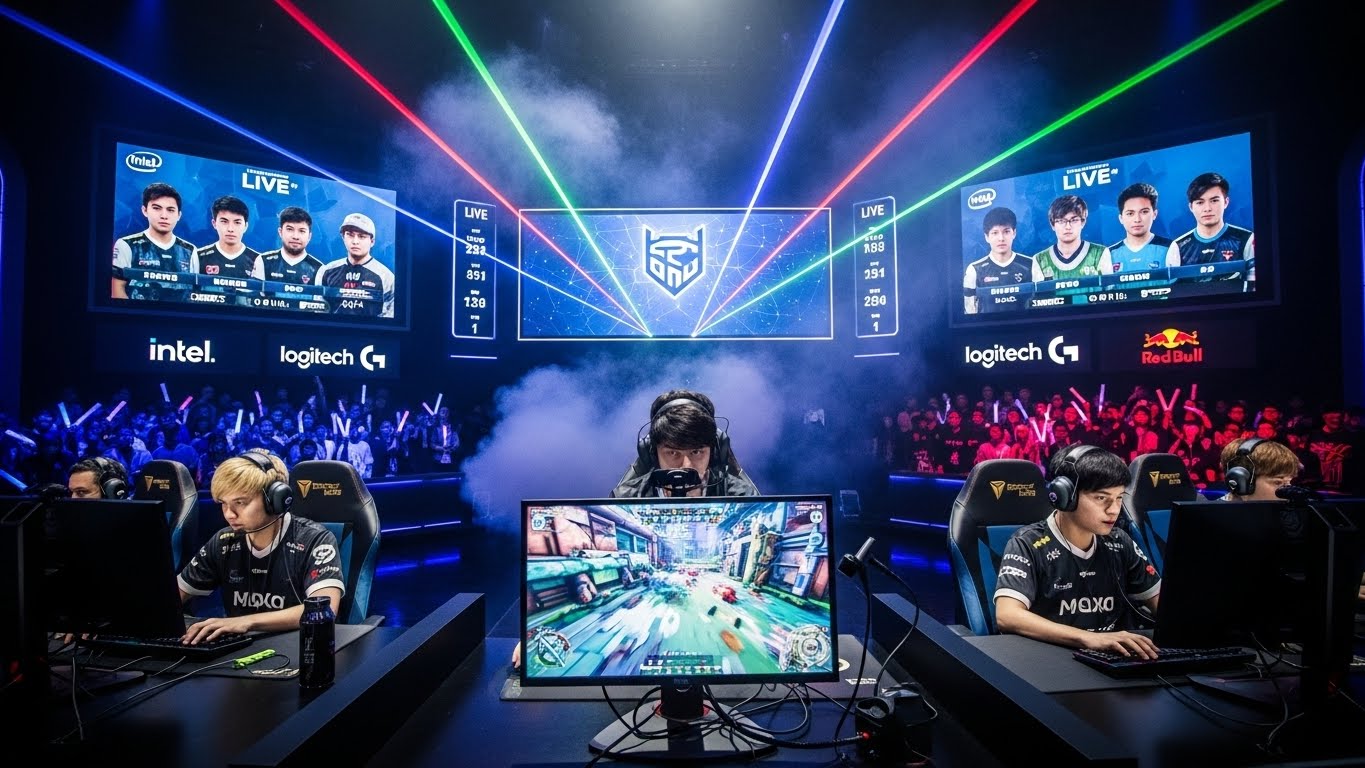
Esports is no longer just about playing games; it has become a lucrative business ecosystem. Revenue streams include tournament prize pools, sponsorships, merchandise sales, media rights, and advertising. Major corporations are investing in esports teams and events, recognizing the potential of reaching a young, tech-savvy audience. Sponsorship deals with brands range from gaming peripherals and energy drinks to non-endemic products such as cars and fashion. The commercialization of esports mirrors traditional sports in many ways, with a focus on monetization, brand partnerships, and market expansion, demonstrating its legitimacy as an industry.
Esports as a Career
The professionalization of esports has opened up a wide range of career opportunities beyond playing. Professional gamers can earn substantial incomes from tournament winnings, streaming revenue, and sponsorships. Coaches, analysts, and team managers contribute to the strategic development of teams, while content creators and social media managers help engage fans and build team brands. Additionally, event organizers, broadcasters, and esports journalists form the backbone of the industry, ensuring that competitions run smoothly and reach a global audience. This diversification of roles highlights the growing stability and sustainability of esports as a professional career path.
The Global Impact of Esports
Esports has a profound global impact, influencing culture, technology, and education. Countries such as South Korea, China, and the United States have become epicenters of esports activity, fostering competitive gaming cultures that attract international attention. Educational institutions have also recognized esports as a legitimate activity, offering scholarships, varsity programs, and training facilities for aspiring players. Moreover, the technological innovations driven by esports, such as advanced graphics engines, live streaming technology, and AI-based analytics, often spill over into other industries, demonstrating the wider societal influence of competitive gaming.
Challenges and Criticisms
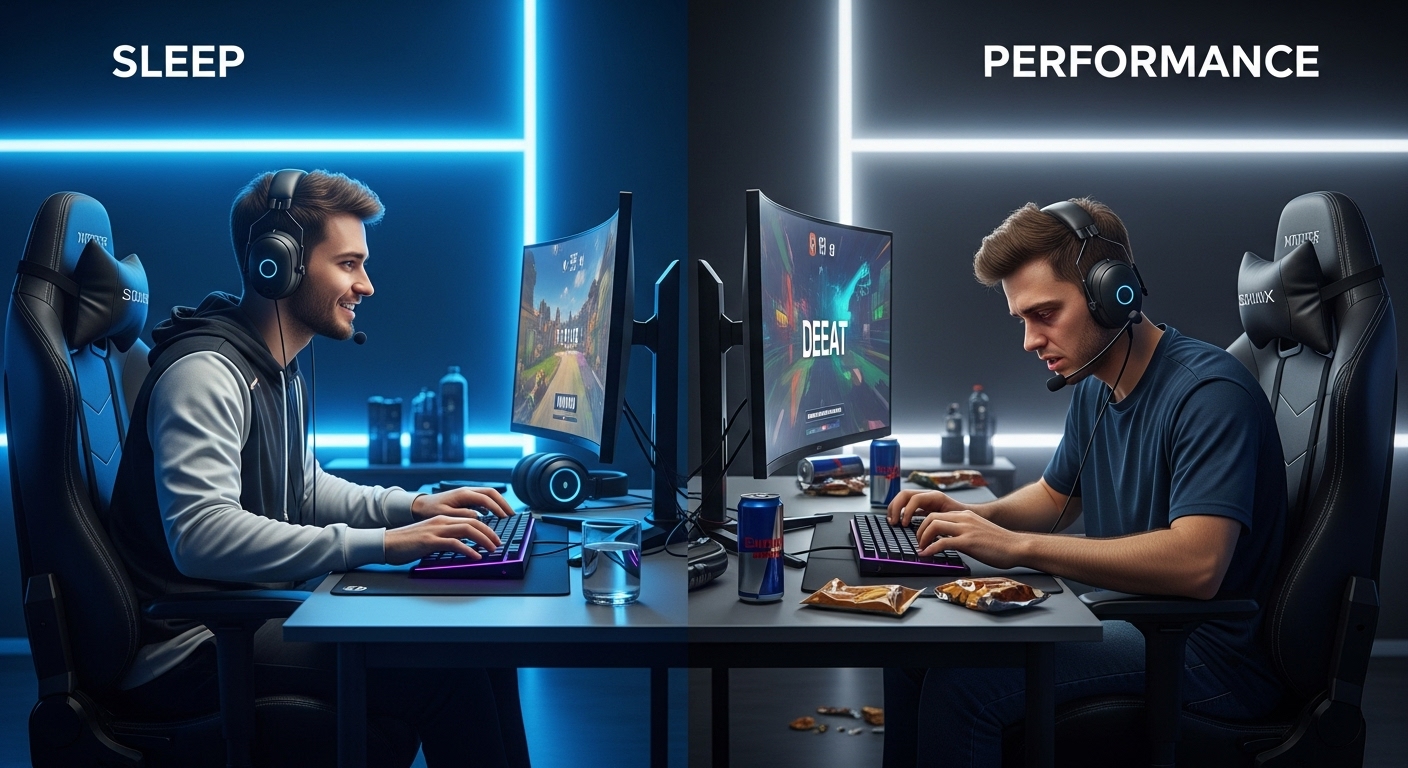
Despite its success, esports faces challenges and criticisms. Concerns about player burnout, mental health issues, and the sedentary nature of gaming have raised questions about the long-term sustainability of esports careers. Additionally, issues of inclusivity and diversity persist, as women and marginalized groups often face barriers to entry in professional gaming. Regulatory challenges, such as age restrictions, gambling concerns, and intellectual property disputes, also complicate the industry’s growth. Addressing these challenges is essential for ensuring that esports continues to thrive while maintaining a healthy, inclusive, and ethical environment for players and fans.
The Future of Esports
The future of esports looks promising, with continuous growth expected in terms of audience size, revenue, and technological advancement. Emerging trends such as virtual reality (VR), augmented reality (AR), and mobile gaming are poised to redefine the competitive landscape, making esports even more accessible and immersive. International tournaments are likely to expand further, potentially rivaling traditional sporting events in scale and popularity. Furthermore, the integration of esports into mainstream culture through movies, documentaries, and educational programs suggests that competitive gaming will continue to evolve and cement its place as a significant cultural and economic force worldwide.
Conclusion: More Than Just a Game
Esports has transcended the boundaries of traditional gaming, becoming a global phenomenon that blends entertainment, competition, and technology. From its humble beginnings in arcades and basements to the professional stages of today, esports represents a dynamic and rapidly evolving industry. It offers opportunities for players, creators, investors, and fans alike, while also shaping cultural trends and technological innovation. As esports continues to grow, it will redefine how we perceive competition, teamwork, and digital entertainment, proving that gaming is no longer just a hobby—it is a legitimate, influential, and exciting part of modern life.