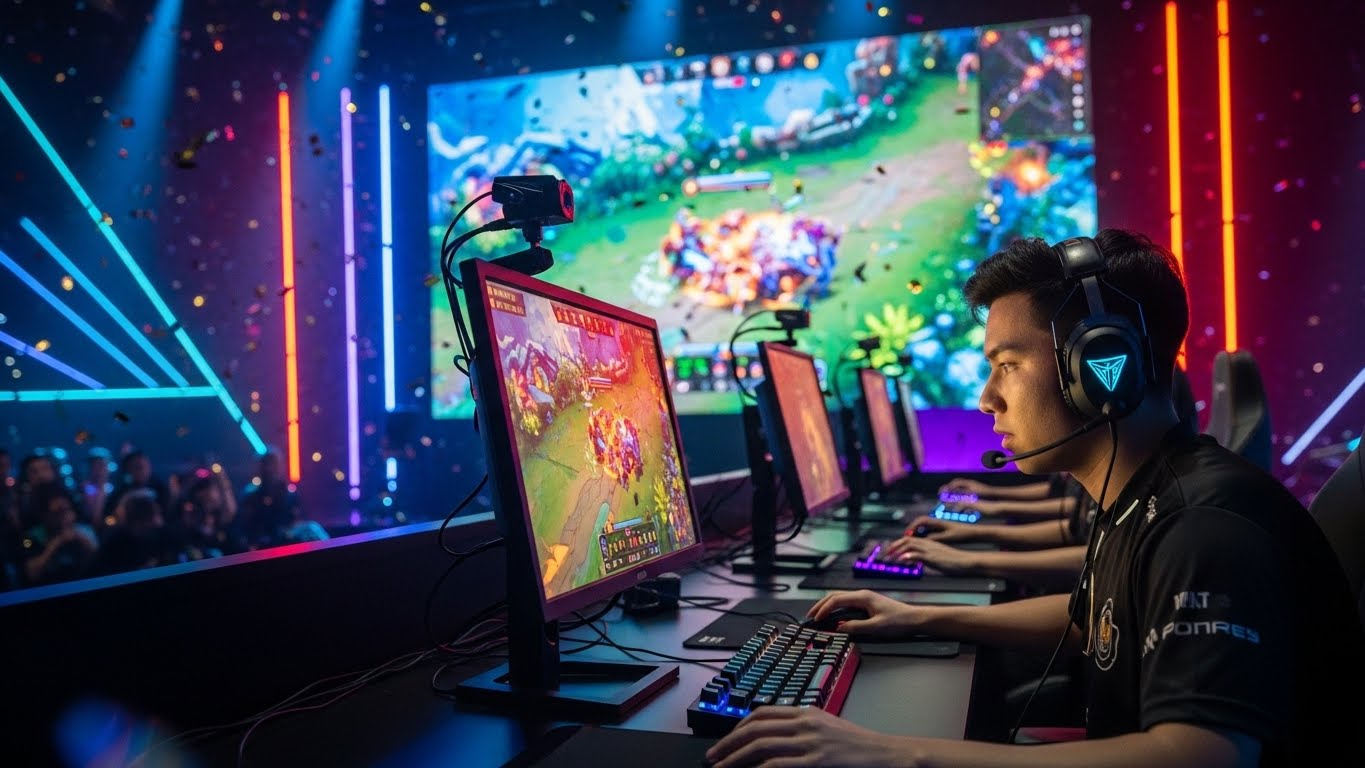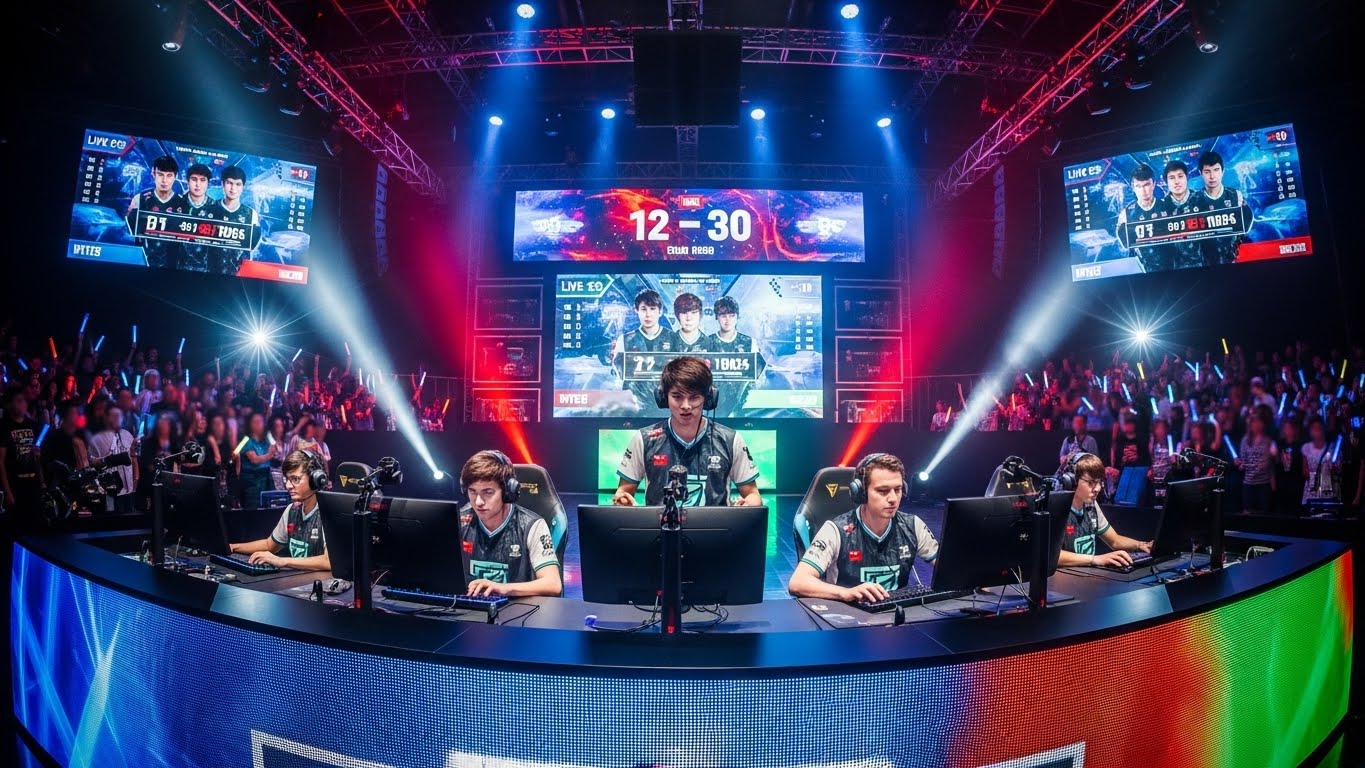
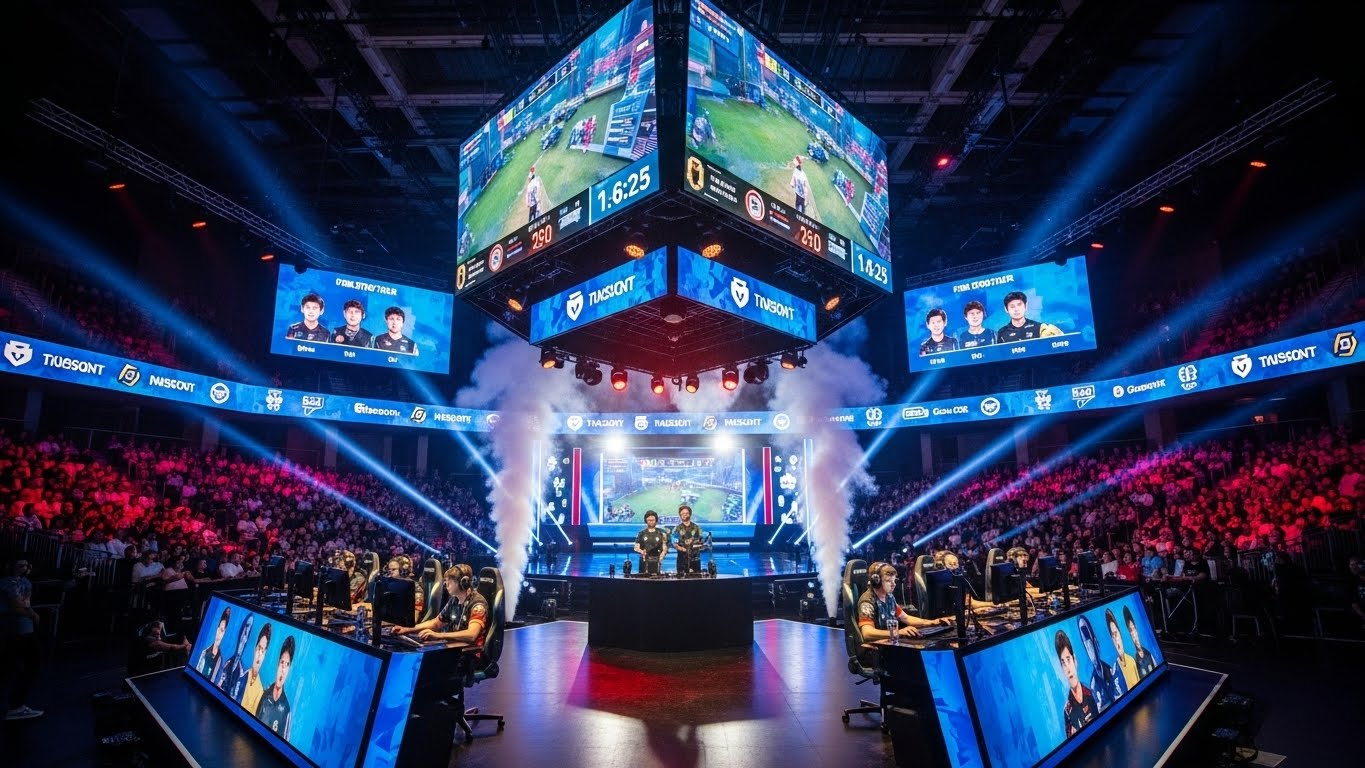
Esports has emerged as a global phenomenon, transforming the world of gaming from a hobby into a full-fledged competitive industry. With millions of players, viewers, and fans worldwide, esports is reshaping entertainment, sports culture, and even business. This blog explores the explosive growth of esports, its impact on the gaming community, and the future of competitive gaming as a cultural force.
What is Esports?
At its core, esports is competitive video gaming, where professional players and teams compete against each other in organized tournaments. These competitions can range from small-scale local events to massive international championships, attracting audiences both online and in person. The games played in esports span various genres, including multiplayer online battle arenas (MOBAs), first-person shooters (FPS), real-time strategy games (RTS), and sports simulators.
Esports is not merely about playing video games; it’s about showcasing exceptional skill, teamwork, and strategy in high-pressure environments. Over the past decade, esports has grown from an underground community activity into a multi-billion-dollar industry that rivals traditional sports in terms of viewership, sponsorship, and media coverage.
The Growth of Esports: From Niche to Mainstream
Esports has seen extraordinary growth, particularly in the last ten years. In the early 2000s, competitive gaming was largely a niche activity, with small tournaments and limited media coverage. However, with the advent of streaming platforms like Twitch and YouTube Gaming, the accessibility and visibility of esports skyrocketed. These platforms allowed fans to watch live streams of esports events, creating a new form of engagement and community.
The rise of popular games like “League of Legends,” “Dota 2,” “Counter-Strike: Global Offensive,” and “Fortnite” played a significant role in bringing esports into the mainstream. With millions of active players and an even larger number of viewers, these games have become staples of the esports ecosystem. Major tournaments, such as The International (Dota 2), the League of Legends World Championship, and the Call of Duty League, now attract millions of viewers from around the globe, with prize pools reaching tens of millions of dollars.
The professionalization of esports has been another key factor in its growth. Dedicated organizations, teams, and players have emerged, with sponsors and investors eager to support the growing scene. Major brands, including Coca-Cola, Intel, Nike, and Audi, have all invested heavily in esports, further cementing its place in mainstream culture.
The Esports Community: Fans, Players, and Content Creators
One of the most unique aspects of esports is the sense of community it fosters. The bond between players, fans, and content creators is unparalleled. Fans not only follow their favorite teams but also form deep connections with individual players. Professional gamers often have dedicated fanbases that extend beyond the game itself, with followers tuning in to streams, interviews, and social media updates.
This sense of community has created an ecosystem of content creators who build their personal brands through streaming and YouTube content. Top streamers like Ninja, Shroud, and Pokimane have turned their gaming skills into full-time careers, attracting millions of followers and sponsorships from major brands. Their personalities and streaming styles contribute to the growth of esports by attracting new fans, particularly those who might not have otherwise been interested in competitive gaming.
The power of esports influencers cannot be understated. They have helped bridge the gap between professional esports and casual gamers, bringing attention to lesser-known titles and promoting the esports scene on a global scale. In many ways, content creators are the driving force behind esports’ expansion, pushing the industry into new territories and bringing fresh audiences to the fold.
The Esports Economy: Sponsorships, Streaming, and Media Rights
The business side of esports has evolved alongside its growth. Esports has become a lucrative industry with revenue streams that include sponsorships, media rights, merchandise sales, ticket sales, and digital advertising. Major brands from outside the gaming world are investing in esports, recognizing its massive potential to reach younger, tech-savvy audiences.
Sponsorships are one of the primary sources of revenue for esports teams and organizations. Companies such as Red Bull, Intel, and Monster Energy have long been involved in esports, sponsoring tournaments, teams, and players. These partnerships are mutually beneficial, as esports allows brands to engage with a dedicated and passionate fanbase in ways traditional advertising can’t match.
Streaming platforms like Twitch, YouTube, and Facebook Gaming have also played a significant role in the esports economy. These platforms allow fans to watch live esports events for free, creating massive viewership for tournaments. In return, platforms generate ad revenue, while top streamers and content creators can monetize their channels through subscriptions, donations, and sponsorships. This has created a self-sustaining ecosystem where players, teams, and content creators can earn a living by competing, streaming, and creating content.
Media rights have also become a key revenue stream. Esports tournaments are now broadcasted on major television networks and digital platforms worldwide. Organizations like ESL, Riot Games, and Activision Blizzard have secured multi-million-dollar media deals to ensure that their events are accessible to global audiences. These media rights deals have made esports events accessible to a wider audience, helping to further professionalize the industry and increase its visibility.
The Cultural Impact of Esports
Esports is not just a competitive industry—it’s a cultural movement that is changing how people view gaming, entertainment, and even traditional sports. As esports continues to grow, it has inspired a new generation of gamers and fans who view esports athletes as stars, with some even achieving celebrity status.
Esports has also influenced traditional sports in several ways. Many traditional sports teams, including major franchises in basketball, football, and soccer, have invested in esports by creating their own teams or sponsoring existing ones. This crossover between traditional sports and esports is particularly evident in games like “FIFA” and “NBA 2K,” where players can compete in virtual versions of their respective sports.
In addition to its influence on traditional sports, esports has also played a role in promoting diversity and inclusivity. Esports is a global phenomenon, with players from all over the world competing on the same stage. The accessibility of online gaming allows people from different backgrounds, genders, and socioeconomic statuses to compete, making esports one of the most inclusive and diverse competitive environments in the world.
Furthermore, esports has also opened the door for new career paths within the gaming industry. Beyond professional players, there is a growing demand for commentators, analysts, coaches, event organizers, and social media managers. The rise of esports has created a thriving ecosystem of jobs, providing opportunities for those who are passionate about gaming to pursue careers in various fields.
The Future of Esports: Challenges and Opportunities
While esports has come a long way, there are still challenges to overcome. One of the biggest challenges facing the industry is the issue of sustainability. With the rapid growth of esports, there is concern that the industry may face a “bubble” similar to the dot-com boom of the early 2000s. If the hype surrounding esports subsides, it could lead to financial instability for some organizations and teams.
Another challenge is the need for greater regulation and standardization. As esports becomes more professional, there is a growing need for a unified structure to govern competitions, ensure fair play, and protect players’ rights. This includes regulating contracts, player salaries, and ensuring that tournaments are held to high standards of fairness and transparency.
Despite these challenges, the future of esports remains bright. The growing popularity of mobile esports, especially in regions like Asia, presents new opportunities for expansion. Mobile gaming has introduced esports to a wider audience, particularly in developing countries where traditional gaming consoles and PCs may not be as accessible.
Furthermore, the continued rise of virtual reality (VR) and augmented reality (AR) could redefine the esports experience. With these technologies, players could compete in fully immersive virtual environments, while spectators could watch events in ways that feel more interactive and engaging.
Conclusion: Esports as a Mainstream Cultural Force
Esports has firmly established itself as a dominant force in global entertainment, offering fans and players an exciting, competitive, and inclusive environment. The rise of esports has revolutionized the gaming world and created new economic opportunities, while also fostering a sense of community and global connection. The growth of professional leagues, sponsorships, streaming platforms, and media rights has transformed esports into a billion-dollar industry that shows no signs of slowing down.
As esports continues to evolve, it will undoubtedly face challenges, but its cultural impact is undeniable. The rise of esports has not only changed the way we view gaming but also how we engage with entertainment and competition. With its global reach, diverse fanbase, and growing influence on traditional sports and culture, esports is here to stay.