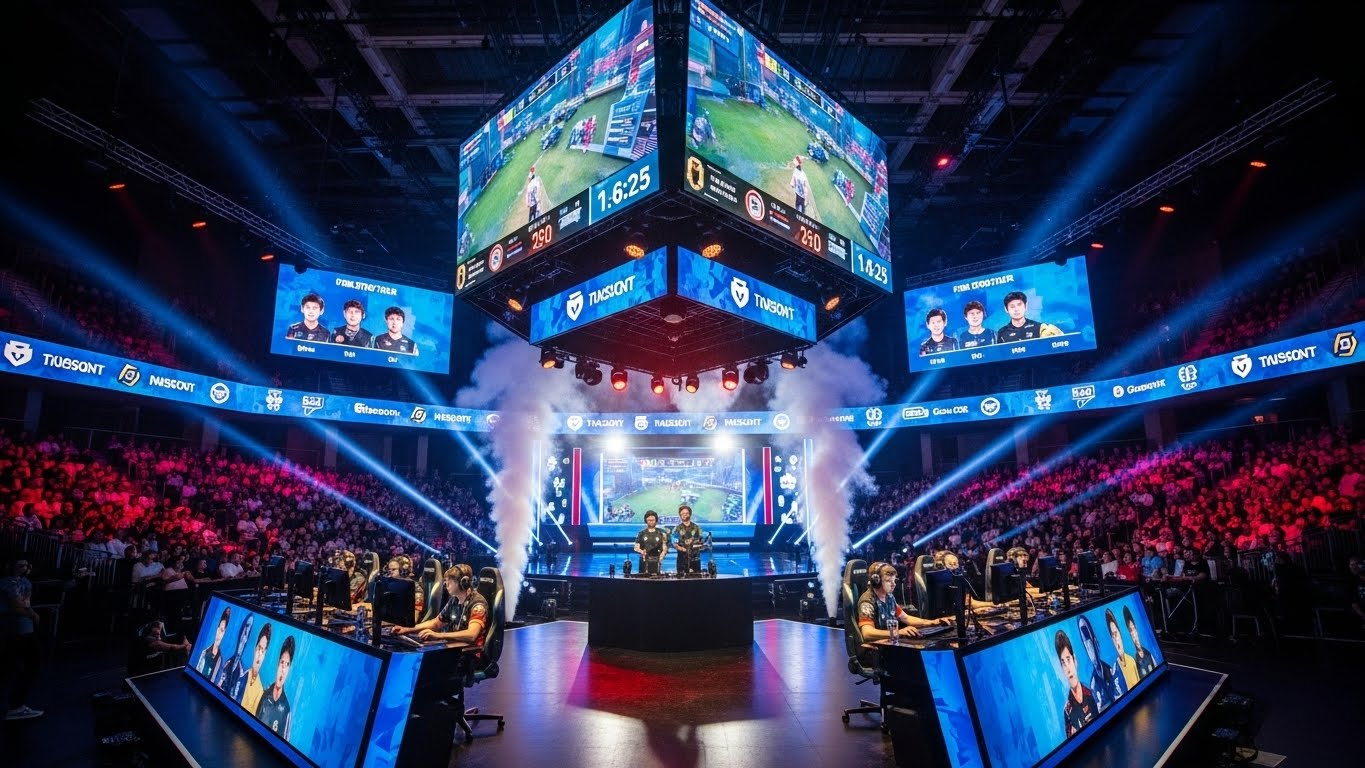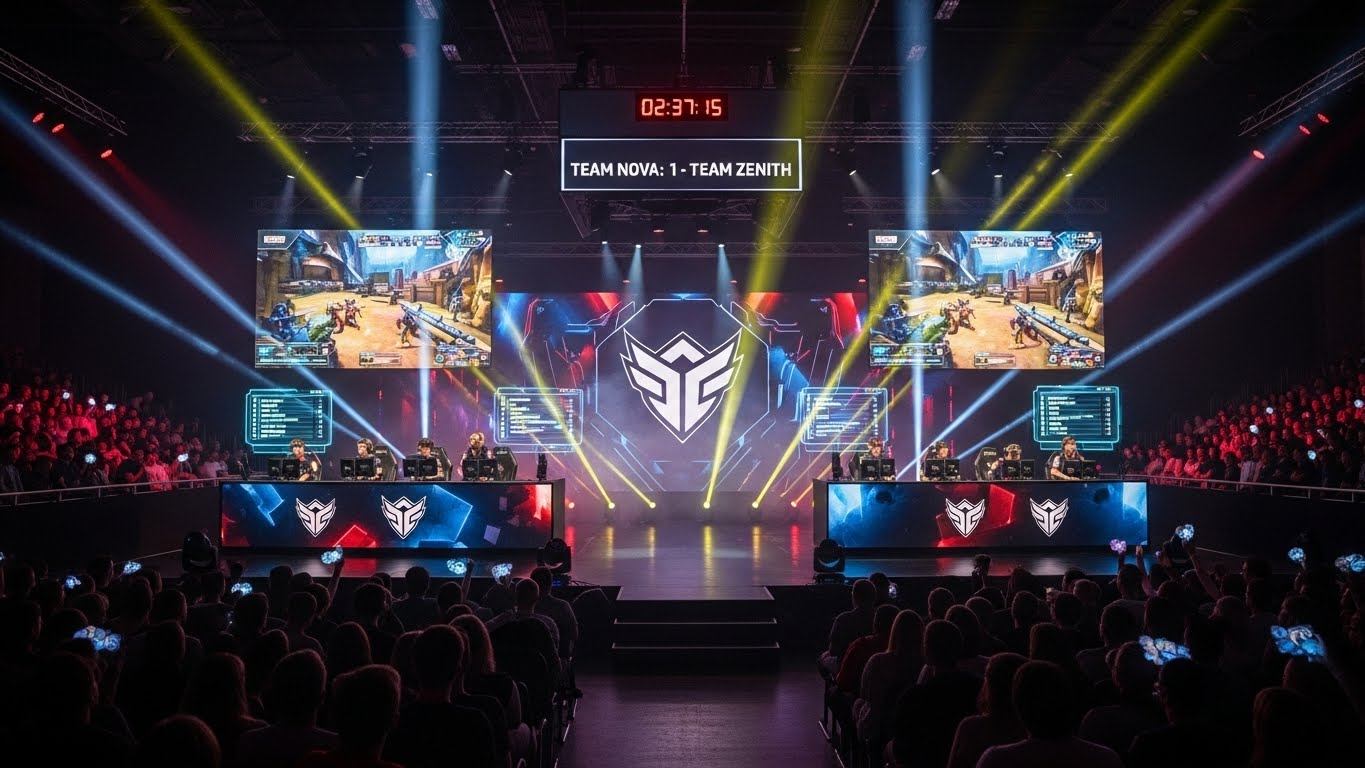

Esports, short for electronic sports, has rapidly evolved from a niche hobby into a global phenomenon that has captured the attention of millions of players, fans, and investors alike. What started as a pastime for tech enthusiasts and gamers has transformed into a multi-billion-dollar industry with professional leagues, massive sponsorships, and a global fanbase. From first-person shooters to real-time strategy games, esports has expanded its reach across genres and platforms, creating a competitive scene that rivals traditional sports in terms of both viewership and engagement.
In this blog post, we explore the rise of esports, its growth over the years, the factors that have contributed to its success, and what the future holds for this burgeoning industry.
What is Esports?
At its core, esports is competitive video gaming, where players or teams compete against each other in organized tournaments or leagues. These competitions can range from online matches to live, stadium-based events with thousands of spectators. Esports spans a wide variety of game genres, including real-time strategy (RTS), first-person shooters (FPS), multiplayer online battle arenas (MOBA), and sports simulation games, with each genre offering unique challenges and opportunities for both players and spectators.
Unlike traditional sports, where physical prowess is a major factor, esports focuses on mental acuity, strategy, quick reflexes, and teamwork. Whether it’s coordinating an attack in League of Legends, executing precise headshots in Counter-Strike, or outsmarting opponents in StarCraft II, esports players must hone their skills and practice just as intensely as athletes in physical sports.
The Early Days of Competitive Gaming
The origins of esports can be traced back to the early days of gaming itself. While gaming was primarily a solo or casual activity in the 1980s and early 1990s, organized competitions began to emerge as games became more sophisticated. Early examples include the Space Invaders Championship in 1980, which is often regarded as one of the first major gaming tournaments, and the Red Annihilation Tournament in 1997, a Quake competition that attracted professional players and set the stage for future esports events.
However, it was the late 1990s and early 2000s that saw esports begin to take shape as a competitive scene. The release of online multiplayer games like StarCraft (1998) and Warcraft III (2002) helped foster a global gaming community where players could compete in tournaments over the internet. As these games gained popularity, local tournaments began to be organized, and the concept of professional gaming leagues started to take root.
The Explosion of Esports in the 2010s
While esports had been steadily growing since the late 1990s, the 2010s marked a turning point for the industry. Several key factors contributed to esports’ meteoric rise during this period, turning it from a niche subculture into a mainstream global phenomenon.
1. The Rise of Streaming Platforms
One of the most significant catalysts for esports’ growth was the rise of streaming platforms, particularly Twitch. Launched in 2011, Twitch allowed gamers to broadcast their gameplay live to audiences around the world. The platform became an instant hit, offering gamers the opportunity to connect with their fans, showcase their skills, and interact with viewers in real time. This helped elevate gaming from a solitary activity to a form of entertainment that could be enjoyed by millions.
Esports events, in particular, benefited from Twitch’s platform. Major tournaments such as The International (Dota 2’s annual championship), League of Legends World Championship, and CS:GO Major Championships began to be streamed live, allowing fans from all corners of the globe to tune in and watch the action unfold. Twitch’s interactive features, including live chat, allowed viewers to engage with the content and build a sense of community around their favorite games and players.
The success of Twitch and other streaming platforms such as YouTube Gaming demonstrated that esports could attract massive viewership, creating new revenue streams through ad sales, sponsorships, and fan donations.
2. Professional Leagues and Tournaments
As esports grew in popularity, the need for organized and professional competitions became clear. Game developers and third-party organizations began to establish official leagues and tournaments, offering substantial prize pools, sponsorships, and broadcasting deals. These events quickly gained mainstream attention, with prize money reaching millions of dollars.
In 2011, Major League Gaming (MLG) helped legitimize competitive gaming by organizing tournaments for games like Call of Duty and StarCraft II. MLG’s success paved the way for other organizations to create similar professional leagues, including DreamHack, ESL (Electronic Sports League), and the Overwatch League (OWL), which launched in 2018 as a city-based esports league for Blizzard’s Overwatch.
The International, a Dota 2 tournament organized by Valve, set the stage for esports tournaments with massive prize pools. The 2018 edition of The International had a prize pool of over $25 million, much of which was crowdfunded by the Dota 2 community. This event exemplified the growing scale of esports, with thousands of fans attending the tournament live in Seattle and millions more watching the action online.
3. Corporate Investment and Sponsorships
Esports’ increasing popularity caught the attention of major corporations looking to capitalize on the growing audience. Traditional sports teams, media companies, and tech giants began investing heavily in the esports scene, sponsoring events, teams, and individual players. Companies like Intel, Coca-Cola, Red Bull, and Mercedes-Benz have all entered the esports ecosystem, offering financial support and brand visibility.
In addition to sponsorships, media companies recognized the potential of esports as a broadcast property. Networks like ESPN, TBS, and CBS began airing esports content, while streaming platforms such as Twitch and YouTube offered dedicated esports channels. These partnerships between esports and traditional media helped legitimize the industry and bring it to a wider audience.
4. Mobile Esports
The rise of mobile gaming has also contributed significantly to the esports boom. With the proliferation of smartphones and tablets, mobile games like Clash Royale, PUBG Mobile, and Arena of Valor have become competitive esports titles in their own right. These games are accessible to a global audience, offering a low barrier to entry and making esports more inclusive.
Mobile esports events, particularly in Asia, have become massive spectacles, with millions of viewers tuning in to watch tournaments. The growth of mobile esports represents a new frontier for the industry, particularly in regions where traditional PC or console gaming is less accessible due to economic factors.
Esports as a Professional Career
As esports has grown, so has the potential for players to turn professional gaming into a full-time career. Top-tier players can earn substantial salaries, sponsorship deals, and tournament prize money, making esports one of the most lucrative career paths for young gamers. Some of the top players, particularly in games like League of Legends, Dota 2, and Fortnite, have earned millions of dollars in prize money alone.
In addition to player salaries, professional esports organizations have begun to offer players benefits typically associated with traditional sports teams. These benefits include coaching staff, analysts, personal trainers, and even mental health professionals to help players maintain peak performance. The level of support and structure provided by esports organizations has helped elevate the industry and create a more sustainable career path for players.
The Global Appeal of Esports
One of the most remarkable aspects of esports is its global appeal. While traditional sports often have regional or national followings, esports transcends borders, with players, fans, and tournaments spanning the globe. Games like League of Legends and Counter-Strike have fanbases in virtually every corner of the world, from North America and Europe to China, South Korea, and Brazil.
In particular, Asia has become the epicenter of esports, with countries like South Korea, China, and Japan leading the charge in terms of player development, tournament infrastructure, and viewership. South Korea, in particular, has become synonymous with esports, with games like StarCraft and League of Legends achieving mainstream popularity. The success of South Korean players and teams has made them global icons, and the country’s esports infrastructure is considered one of the most developed in the world.
Esports’ international appeal also means that fans from different cultures and backgrounds can unite over their shared love of competitive gaming. Large-scale events like The League of Legends World Championship and The International attract viewers from all over the world, creating a truly global fanbase.
The Future of Esports
As esports continues to grow, the possibilities for the future seem limitless. The industry is already experiencing rapid advancements in technology, including virtual reality (VR), augmented reality (AR), and artificial intelligence (AI), which have the potential to reshape the way esports are played and experienced. VR and AR could allow players to compete in fully immersive environments, while AI could enhance game design and player training.
The growth of mobile gaming also suggests that esports will become even more accessible in the coming years. As smartphones become more powerful, mobile esports could rival traditional PC and console gaming in terms of popularity and viewership.
Another area where esports is likely to continue evolving is the relationship between esports and traditional sports. Many traditional sports organizations, such as the NBA and NFL, have launched their own esports initiatives, while major sports broadcasters like ESPN and Fox Sports have begun airing esports events. The convergence of esports and traditional sports could lead to more mainstream acceptance of competitive gaming as a legitimate form of entertainment.
Conclusion: Esports as the Future of Entertainment
Esports has come a long way since its humble beginnings in the 1980s. What was once a small community of passionate gamers has now transformed into a global industry with millions of players, fans, and investors. As technology continues to advance and esports becomes more mainstream, its impact on the world of entertainment is undeniable.
From the rise of streaming platforms to the global appeal of professional leagues and tournaments, esports has firmly established itself as a cultural force to be reckoned with. Whether you’re a casual gamer or a die-hard fan, esports offers something for everyone—a thrilling, competitive experience that continues to evolve and captivate audiences around the world. The future of esports is bright, and it’s clear that this exciting and rapidly growing industry is here to stay.