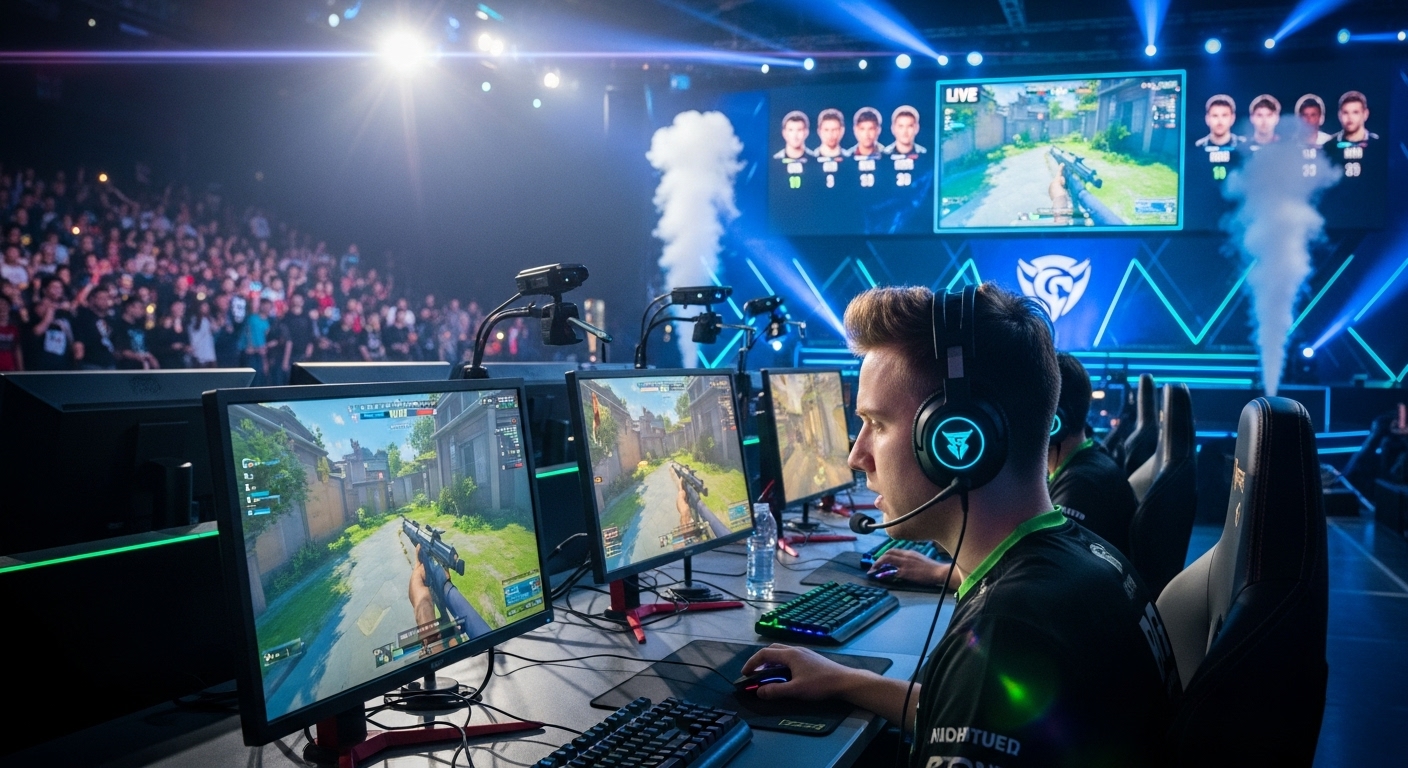
Esports, short for electronic sports, has experienced a meteoric rise in the past two decades, evolving from a niche hobby into a global phenomenon. What started as a small community of passionate gamers competing for bragging rights has blossomed into a multi-billion-dollar industry, attracting millions of fans, investors, and players from around the world. Esports has not only revolutionized the way we perceive gaming, but it has also reshaped the world of entertainment, sports, and media.
In this blog post, we’ll explore the many facets of esports, from its origins to its current impact on mainstream culture, as well as its future potential. By the end, you’ll have a comprehensive understanding of why esports is not just a passing trend, but a cultural shift that is here to stay.
The Origins of Esports: From Arcade Games to Professional Leagues
Esports has a long history that dates back to the early days of video gaming. In the 1970s and 1980s, gaming competitions were often small-scale, taking place in arcades or at gaming conventions. The most notable of these early competitions was the Space Invaders Championship, held in 1980 by Atari. This event, which attracted thousands of participants across the United States, is often cited as one of the first organized gaming competitions.
However, it wasn’t until the late 1990s and early 2000s that esports began to resemble the competitive scene we know today. With the rise of the internet, multiplayer games like Quake and StarCraft introduced new possibilities for players to compete against one another on a global scale. The creation of gaming clans and online tournaments laid the groundwork for the formation of larger, more organized esports leagues.
The establishment of platforms like Major League Gaming (MLG) in 2002 and World Cyber Games (WCG) in 2000 marked a turning point for competitive gaming. These organizations hosted large-scale events, offering players the chance to win cash prizes and gain recognition for their skills. These tournaments helped establish esports as a legitimate form of competition.
The Growth of Esports: From Niche to Mainstream
While esports had a dedicated following in the early 2000s, it was still largely seen as a niche activity. However, several key factors contributed to the growth of esports and its eventual mainstream recognition.
One of the most significant drivers of this growth was the proliferation of streaming platforms like Twitch (launched in 2011). Twitch revolutionized how fans interacted with esports, providing a platform where gamers could broadcast their skills and personalities to a global audience. As more streamers gained popularity, they not only attracted viewers but also secured sponsorships and brand deals, turning esports into a profitable business for both players and content creators.
Additionally, the growth of social media platforms like Twitter, Instagram, and YouTube provided esports teams and players with the tools to connect with fans, build personal brands, and promote events. This social media engagement helped transform esports from a niche interest into a global phenomenon, with major esports organizations gaining sponsorships from multinational corporations like Coca-Cola, Intel, and Nike.
Another important factor in esports’ rise was the increasing popularity of mobile gaming. Games like League of Legends, Dota 2, Counter-Strike, and Fortnite have become household names, with millions of active players around the world. These games not only captured the interest of casual gamers but also attracted a competitive community of professional players who participated in high-stakes tournaments with multi-million-dollar prize pools.
The rise of esports organizations and their franchises, like Cloud9, Team Liquid, and Fnatic, further solidified the legitimacy of esports as a professional industry. These organizations built teams that competed in multiple games, including League of Legends, CS:GO, Overwatch, and Call of Duty, and created their own fanbases, sponsors, and media deals.
The Esports Ecosystem: Players, Teams, and Tournaments
At the core of the esports industry lies a complex and interconnected ecosystem. The key components of this ecosystem include players, teams, game publishers, sponsors, and fans, each contributing to the growth and sustainability of the industry.
1. Players and Streamers
Esports players are the stars of the show. These athletes dedicate countless hours to training, strategizing, and competing at the highest level. They are often recognized for their incredible skill, fast reflexes, and deep understanding of the games they play. In recent years, many esports players have gained significant followings on social media, securing sponsorships and monetizing their streams through platforms like Twitch and YouTube.
While professional esports players can make substantial amounts of money through tournament winnings, sponsorships, and streaming, the competition is fierce. The path to success in esports requires years of practice and dedication, much like traditional sports. Some players, such as Lee “Life” Seung Hyun (StarCraft II) and Kenny “kennyS” Schrub (Counter-Strike: Global Offensive), have become legends in their respective games and are widely regarded as some of the best players in esports history.
2. Teams and Organizations
Esports teams are organizations that recruit players to compete in various tournaments and leagues. These teams often have a coach, analysts, and support staff to help players prepare for competitions. Many top-tier teams are multi-disciplinary, competing in a range of games, and they are backed by investors and sponsors.
The competitive nature of esports has created an environment where teams are constantly looking for the next great player to add to their roster. This has led to fierce competition among organizations to sign the best talent, as well as the rise of scouting and recruitment services for esports.
Some of the biggest esports organizations, such as Team SoloMid, SK Telecom T1, and Fnatic, have a storied history of success in their respective games, and they continue to be fan favorites. These teams often have large social media followings, sell team merchandise, and even have their own branded content channels.
3. Tournaments and Leagues
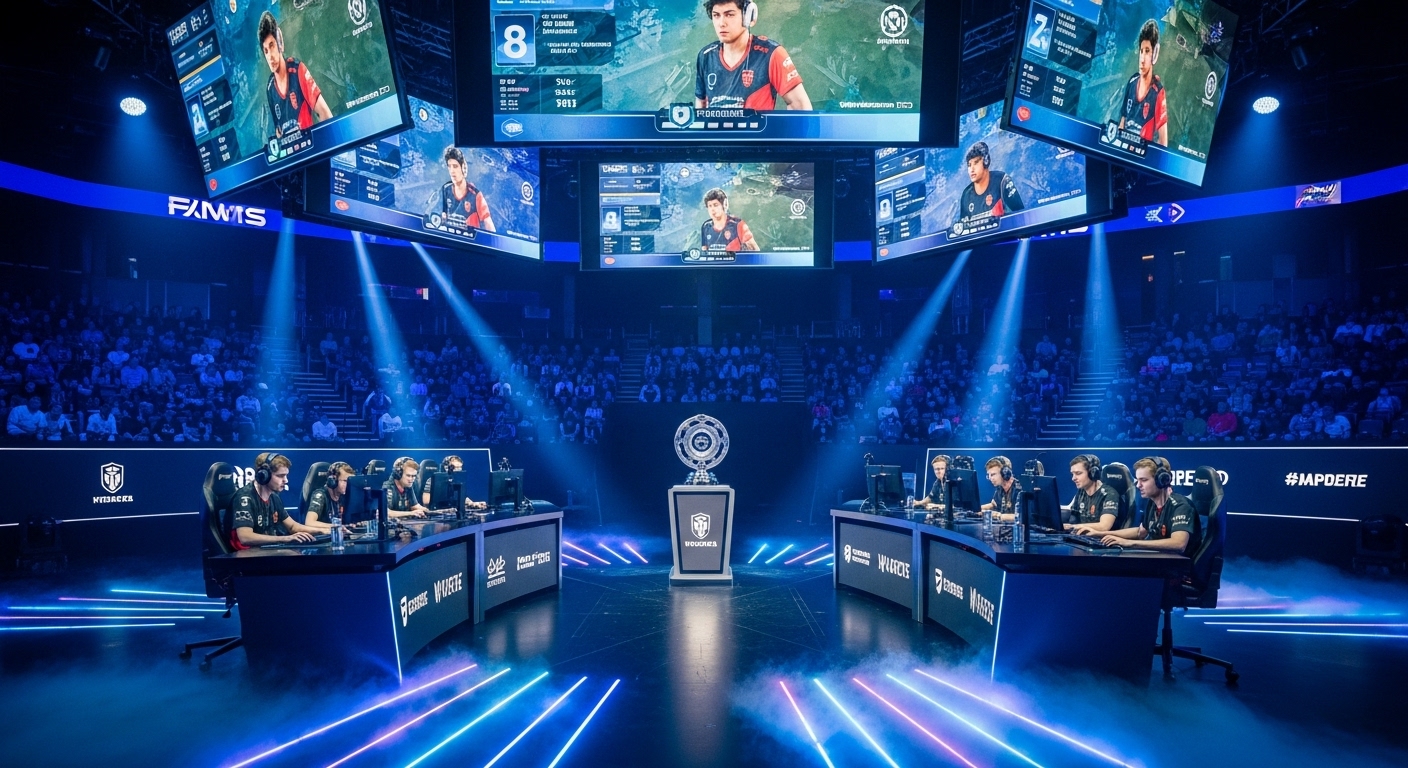
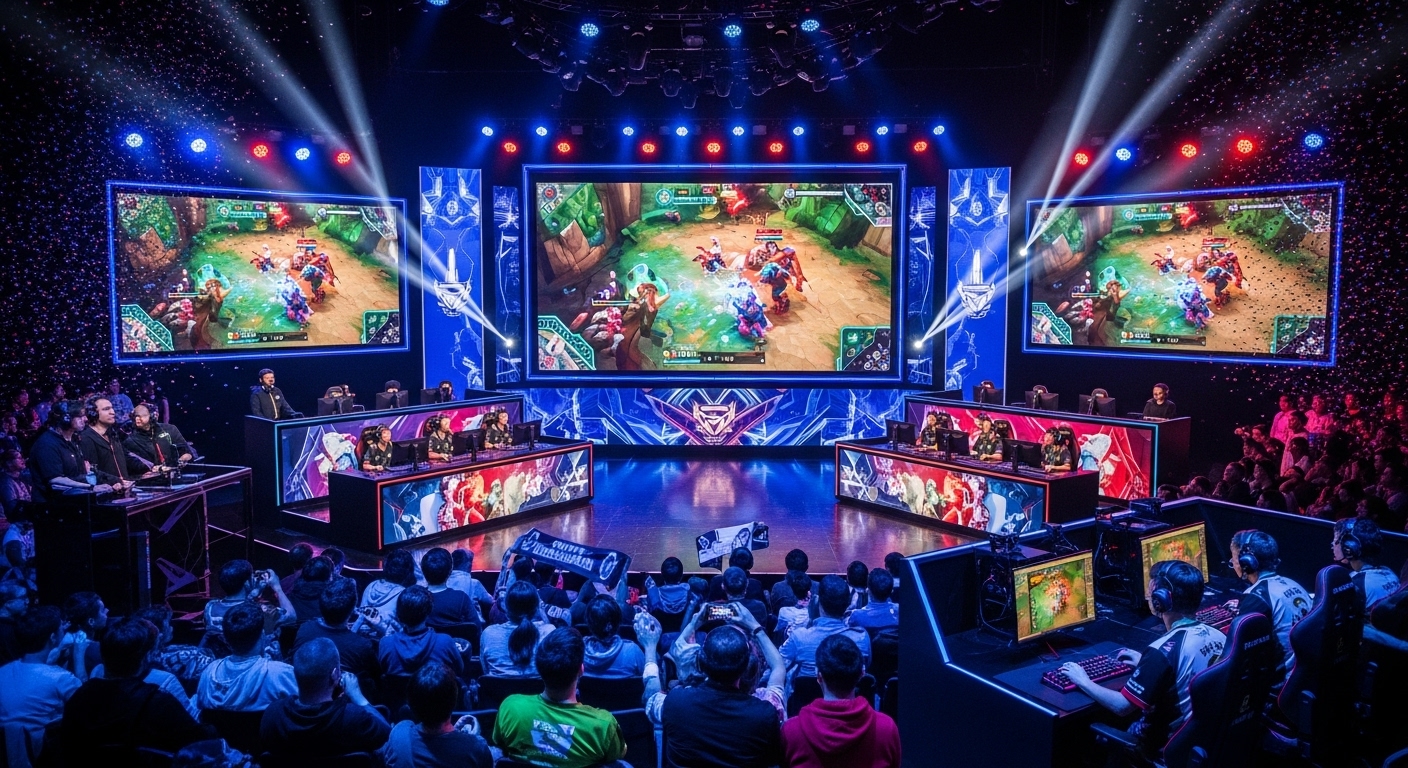
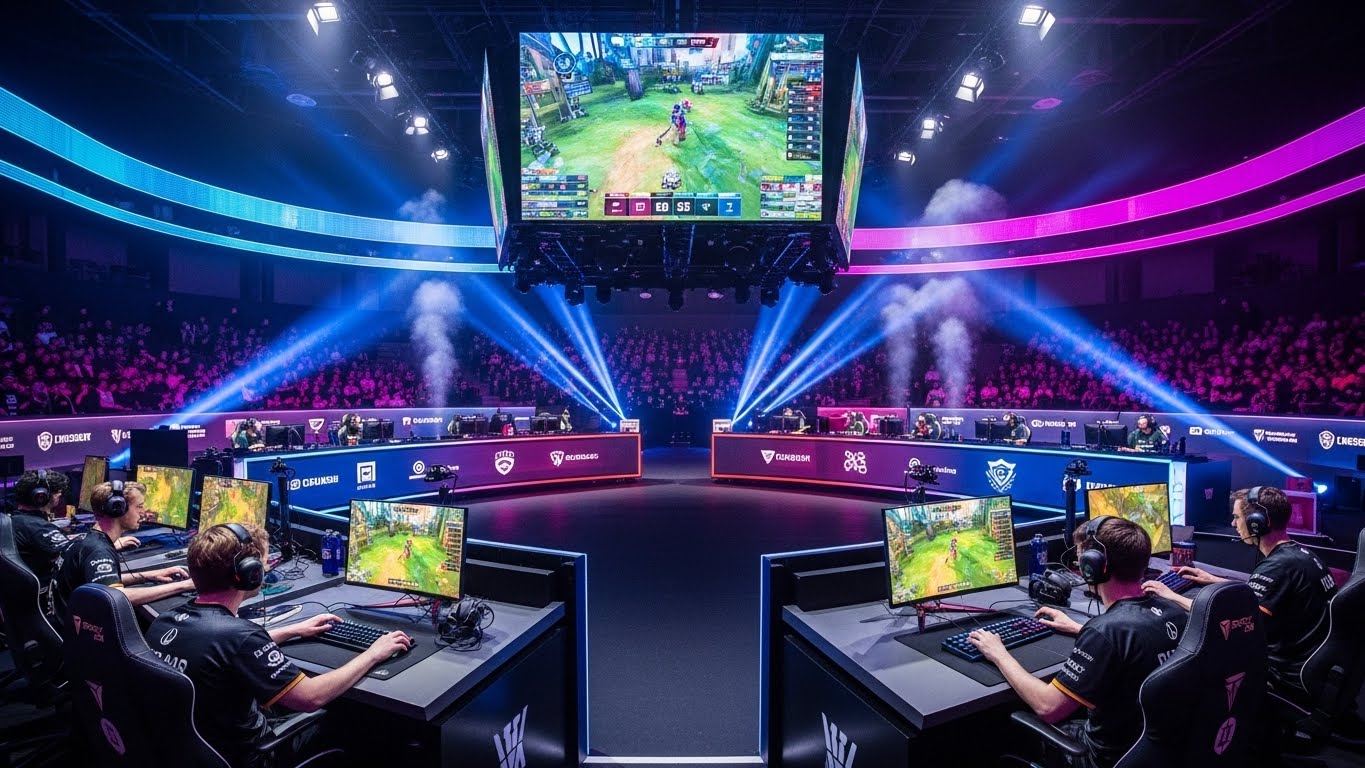
Esports tournaments are where the excitement happens. These events bring together the best players and teams in the world to compete for significant prize pools, often in front of a live audience. Tournaments like The International (for Dota 2) and the League of Legends World Championship are iconic events that draw millions of viewers, both online and in person.
The structure of esports tournaments is highly professional, with many of them following the format of traditional sports leagues, such as round-robin group stages, playoffs, and finals. The level of production at these events is also impressive, with high-quality live streams, commentators, and special effects, making the viewing experience immersive for fans worldwide.
Esports and Its Cultural Impact
Esports has had a profound impact on modern culture, especially in terms of entertainment, education, and career opportunities. What was once considered a fringe activity has now become a mainstream form of entertainment, with esports tournaments being broadcast on major television networks like ESPN, TBS, and even the Olympic Channel.
In addition to the growing popularity of esports as entertainment, gaming culture has increasingly influenced other industries. From fashion collaborations between esports teams and luxury brands like Gucci to esports-themed TV shows and movies, the integration of gaming culture into mainstream society is undeniable.
Furthermore, esports has led to a rise in academic programs and career opportunities. Many universities now offer scholarships for talented esports players, and some institutions have even created dedicated esports programs, training students for careers in game design, production, broadcasting, and event management. The rise of esports also has implications for STEM education, as gaming involves strategic thinking, teamwork, and technological literacy, all of which are highly valued skills in the modern workforce.
The Future of Esports: Opportunities and Challenges
As esports continues to grow, it faces both tremendous opportunities and significant challenges.
One of the most exciting opportunities is the increasing integration of virtual reality (VR) and augmented reality (AR) into esports. These technologies could completely revolutionize the way players experience and compete in esports, making the experience even more immersive for both players and fans.
Another area of growth is the potential inclusion of esports in the Olympic Games. While there has been considerable debate about whether esports should be recognized as an official Olympic sport, the International Olympic Committee (IOC) has shown interest in esports as a way to engage younger audiences. If esports is eventually included in the Olympics, it would provide a huge platform for further growth.
However, there are also challenges. The rapid growth of esports has led to concerns over player health and sustainability. Long hours of practice and competition can lead to burnout, and some players face mental health challenges due to the pressure of high-stakes competition. As the industry matures, it will be crucial for organizations to prioritize the well-being of their players.
Another challenge is the issue of cheating and match-fixing, which has plagued traditional sports and is becoming a growing problem in esports. With millions of dollars at stake, it’s essential for the esports industry to implement stricter regulations and anti-cheating measures to ensure the integrity of the competition.
Conclusion: Esports is Here to Stay
Esports has come a long way from its humble beginnings as small-scale competitions in arcades. Today, it is a global phenomenon with a vibrant ecosystem of players, teams, sponsors, and fans. Esports has not only changed the way we think about gaming but also redefined what it means to be a professional athlete in the 21st century.