Introduction: Esports – The New Frontier of Entertainment
Over the past decade, esports has evolved from a niche hobby into a global phenomenon that has captivated millions of fans and players worldwide. What was once seen as a subculture of gaming has now blossomed into a highly organized, professional, and competitive industry that rivals traditional sports in both popularity and financial rewards. Esports refers to the world of competitive video gaming, where players, teams, and organizations compete in various games across multiple genres, from first-person shooters and real-time strategy games to battle royales and sports simulations. With the rise of streaming platforms, massive online tournaments, and sponsorship deals, esports is no longer just a pastime—it is a legitimate career for many professional gamers and an exciting form of entertainment for fans across the globe.
In this blog, we will explore the rise of esports, its transformation into a multi-billion-dollar industry, the impact it has had on the gaming world and society at large, and the future of this ever-growing field.
The Birth of Esports: From Arcade Competitions to Global Leagues
The roots of esports can be traced back to the early days of competitive gaming. In the 1970s and 1980s, gaming arcades were the epicenters of competition, with players battling it out on games like Pong and Space Invaders. However, it wasn’t until the mid-90s that esports began to take shape as we know it today. The first notable competition was the Red Annihilation tournament in 1997, which saw players compete in the game Quake. The event garnered attention for its high-level play and large prize pool, attracting a small but dedicated following.
In the early 2000s, the rise of broadband internet and the increasing popularity of online multiplayer games like StarCraft, Warcraft III, and Counter-Strike laid the foundation for modern esports. The gaming community began organizing online tournaments and local competitions, which soon grew into larger regional and global events. The launch of esports organizations such as ESL (Electronic Sports League) and MLG (Major League Gaming) helped bring more structure and legitimacy to the scene, with professionally organized events attracting sponsorships, prize money, and a growing fanbase.
By the mid-2010s, esports had crossed over into the mainstream, with games like League of Legends and Dota 2 dominating the competitive gaming landscape. Tournaments like The International and the League of Legends World Championship began to draw millions of viewers, with prize pools reaching tens of millions of dollars. As a result, esports became a serious business, attracting major sponsorships from global brands, media coverage from mainstream outlets, and partnerships with top-tier streaming platforms like Twitch and YouTube.
Esports Today: A Multi-Billion Dollar Industry
Today, esports is a fully realized global industry. According to recent reports, the esports industry generates billions of dollars annually, with revenue coming from sponsorships, advertising, media rights, merchandise sales, and ticket sales to live events. Major esports organizations have sponsorship deals with top brands across various industries, including technology, food and beverage, fashion, and energy drinks. Brands like Coca-Cola, Intel, and Red Bull have made significant investments in esports, recognizing its massive potential for reaching younger, tech-savvy audiences.
The rise of online streaming platforms has been a game-changer for esports, providing fans with easy access to live tournaments, interviews, and behind-the-scenes content. Twitch, a platform dedicated to live streaming video games, has become synonymous with esports, with millions of users tuning in to watch professional players and teams compete in real-time. YouTube has also become a major player in the esports ecosystem, with both live broadcasts and recorded content gaining millions of views. Social media platforms like Twitter and Instagram have allowed players and organizations to connect directly with their fans, fostering a closer relationship between athletes and their audience.
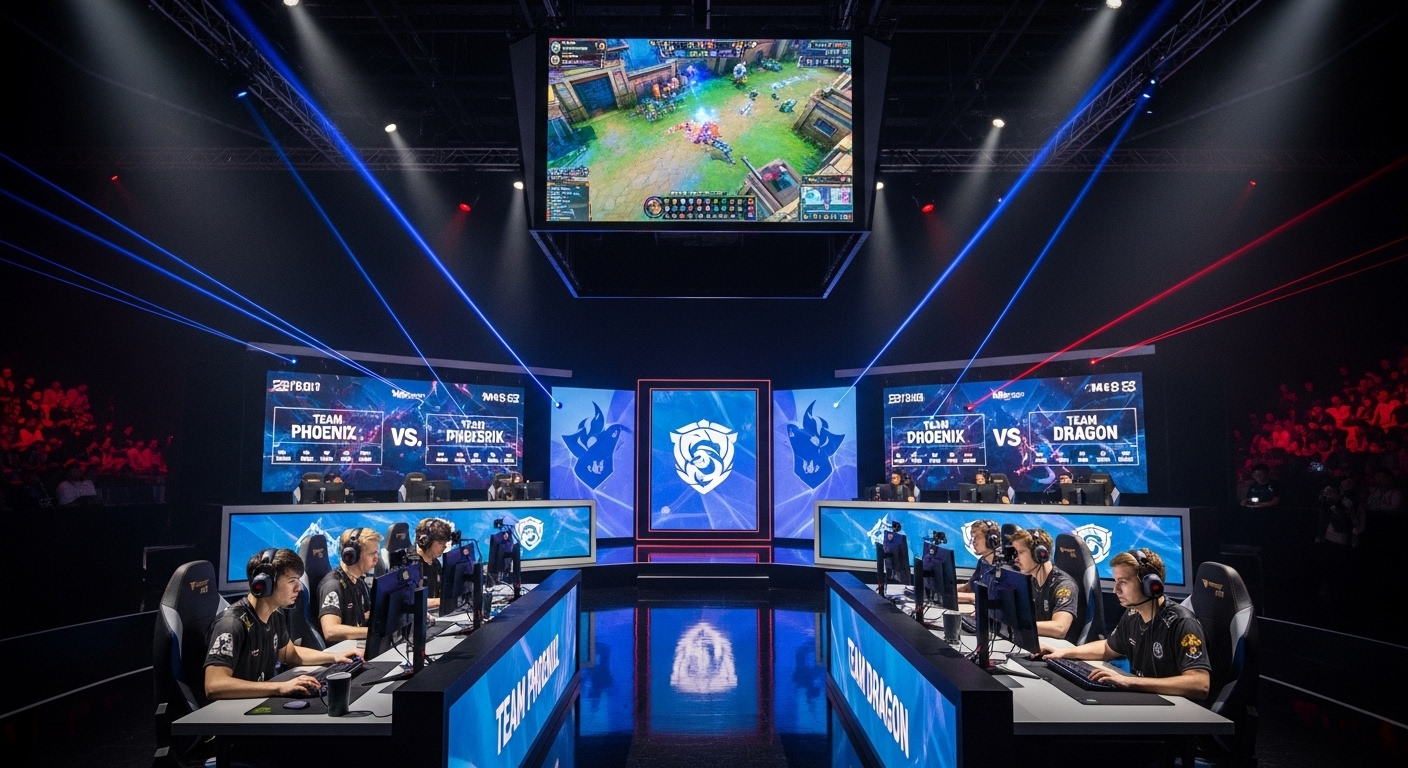
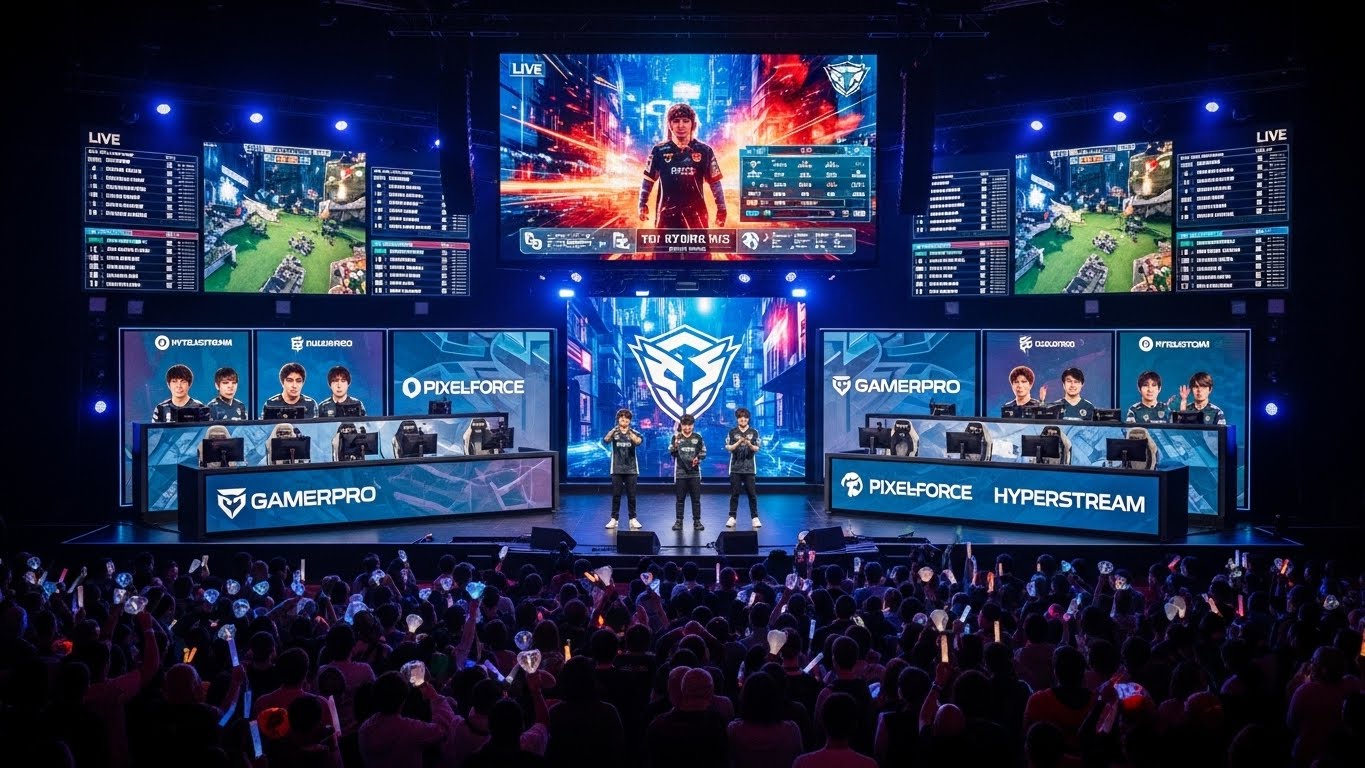
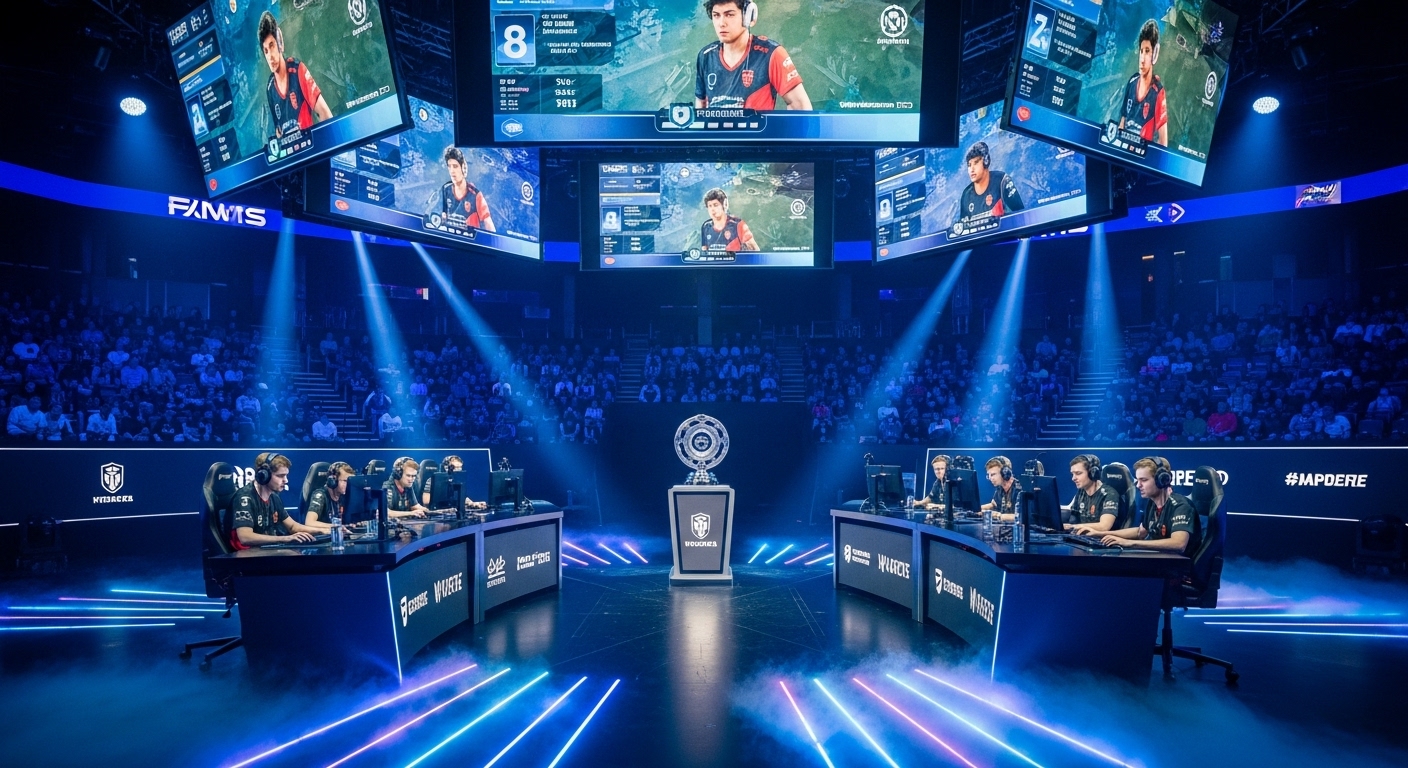
Esports tournaments, or “majors,” attract large live audiences and often sell out massive arenas. For example, The International (Dota 2’s premier tournament) held in 2021 drew an estimated 2 million viewers during its finale. Similarly, the League of Legends World Championship attracts millions of viewers and fills large stadiums, such as the 40,000-capacity AccorHotels Arena in Paris, France, where the 2019 finals took place.
The esports ecosystem is also supported by a variety of professional leagues. These leagues operate similarly to traditional sports leagues, with teams competing in regular seasons, playoffs, and championships. Games like Overwatch, Call of Duty, and Rocket League have their own organized leagues, complete with franchised teams, regular fixtures, and lucrative contracts. These leagues have not only brought stability to the industry but have also helped foster a more professional environment for players and staff alike.
The Players: Modern Athletes in the World of Esports
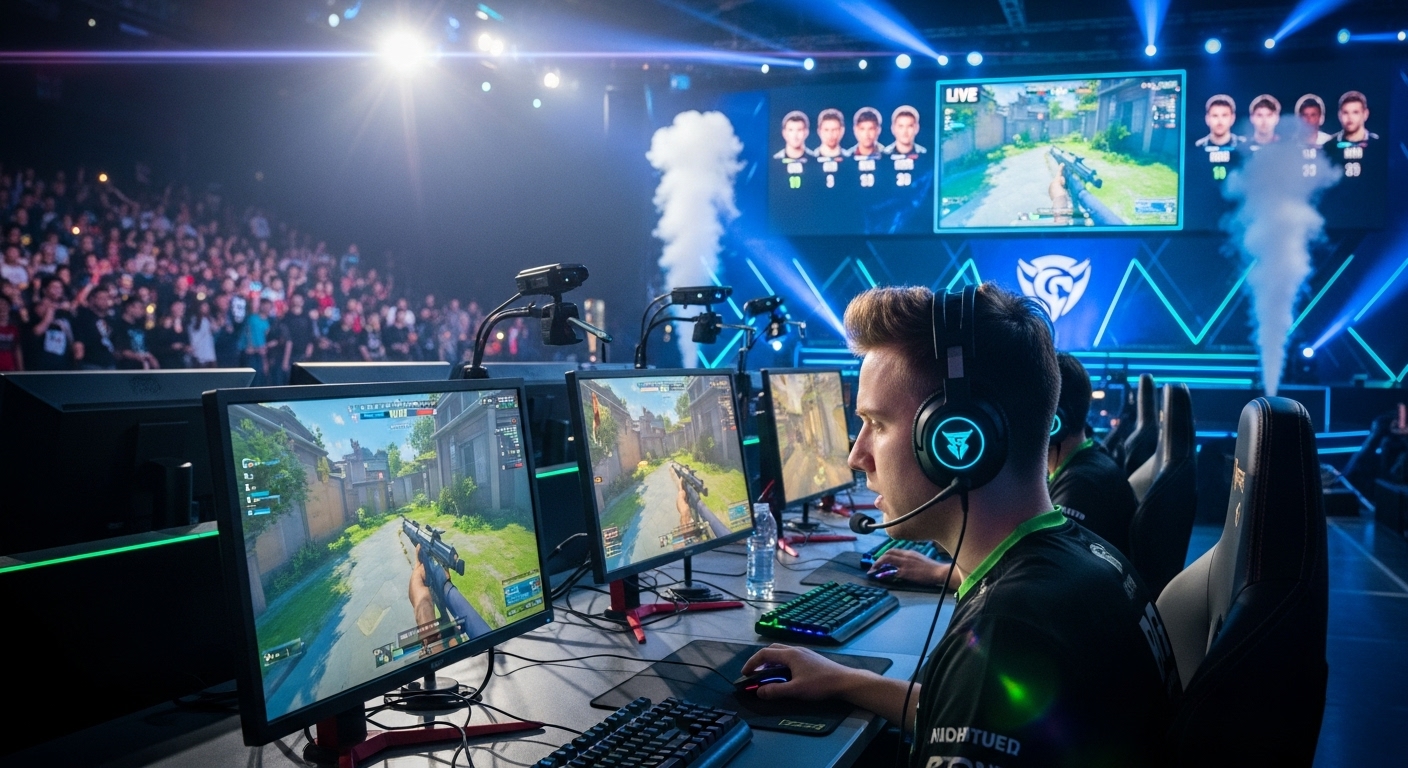
At the heart of esports are the players who dedicate their lives to mastering their respective games. Professional esports athletes, or “pro gamers,” undergo intense training schedules, often practicing for hours each day to perfect their skills and strategies. Much like athletes in traditional sports, esports players are constantly improving their game, analyzing their performance, and adapting to new challenges. For example, the top League of Legends players practice for up to 10-12 hours a day, playing numerous scrims (practice matches), reviewing replays, and working on team coordination.
Unlike traditional sports, esports players don’t typically rely on physical strength, but their mental agility, reflexes, and strategic thinking are equally demanding. The best esports players exhibit incredible focus, hand-eye coordination, and the ability to think quickly under pressure. The mental fortitude required to perform at the highest level is often compared to that of traditional athletes, with professional gamers needing to stay sharp and deal with intense pressure from fans, sponsors, and media.
The compensation for esports players has grown significantly in recent years. Top players can earn millions of dollars annually through prize money, sponsorships, streaming revenue, and personal endorsements. For instance, The International 2018 had a prize pool of over $25 million, with the winning team, OG, earning over $11 million in total. In addition to prize money, many professional players have personal sponsorships, often promoting products and brands they are affiliated with, further boosting their earnings.
Esports players are also becoming global celebrities, with some gaining fame on the level of traditional athletes. Players like Ninja (Tyler Blevins), Shroud (Michael Grzesiek), and Faker (Lee Sang-hyeok) have become household names, not only because of their exceptional gaming skills but also because of their presence on streaming platforms and social media. These players are influential figures in the gaming community and have built loyal followings, attracting sponsorships and brand partnerships along the way.
Esports and Its Impact on Society: A Cultural Shift
The rise of esports has created a cultural shift, particularly among younger generations. Video gaming, once seen as a solitary activity, has evolved into a social and competitive experience that connects players from around the world. Multiplayer games like Fortnite, Valorant, and Apex Legends have introduced new forms of social interaction, where players can team up with friends or strangers, build communities, and even make a living through their gaming skills.
Esports has also created new opportunities for employment and career development in the gaming and entertainment industries. Beyond being players, individuals are now pursuing careers as coaches, analysts, shoutcasters (commentators), and event organizers. The growth of esports has spurred the development of new job sectors, including esports journalism, digital marketing, game design, and content creation. Colleges and universities around the world have even started offering scholarships for esports athletes and degrees in esports management, further solidifying the legitimacy of competitive gaming as a career path.
Additionally, esports has played a role in breaking down barriers in the gaming community. While gaming has historically been dominated by a male audience, the rise of female gamers, teams, and streamers has helped foster greater inclusivity. Professional esports organizations have taken steps to address gender equality, offering opportunities for female players to compete at the highest level. The gaming community is slowly but steadily becoming more diverse, with esports offering a platform for underrepresented groups to showcase their talents and challenge stereotypes.
The Future of Esports: Trends to Watch
As esports continues to grow, several trends are likely to shape the future of the industry. First, the increased use of mobile gaming could further expand the global reach of esports. In regions like Southeast Asia and India, mobile gaming is already hugely popular, and the rise of mobile esports leagues is expected to increase accessibility and participation in competitive gaming.
Second, the integration of augmented reality (AR) and virtual reality (VR) could create entirely new experiences for esports fans and players. While VR esports is still in its infancy, it offers the potential for more immersive gameplay and viewing experiences that could take competitive gaming to new heights.
Third, as the esports audience becomes more diverse, more efforts will be made to integrate esports into traditional sports venues and broadcasting networks. Networks like ESPN have already begun airing esports events, and major sports organizations are exploring ways to merge esports with traditional sports, including the development of esports leagues alongside existing professional leagues.
Lastly, the growing focus on mental health and player well-being will likely shape the future of esports. As players face intense pressure to perform at the highest level, organizations will need to prioritize mental health support and create healthier environments for athletes. The esports industry has already begun to recognize the importance of physical and mental well-being, and this trend is expected to continue as the industry matures.