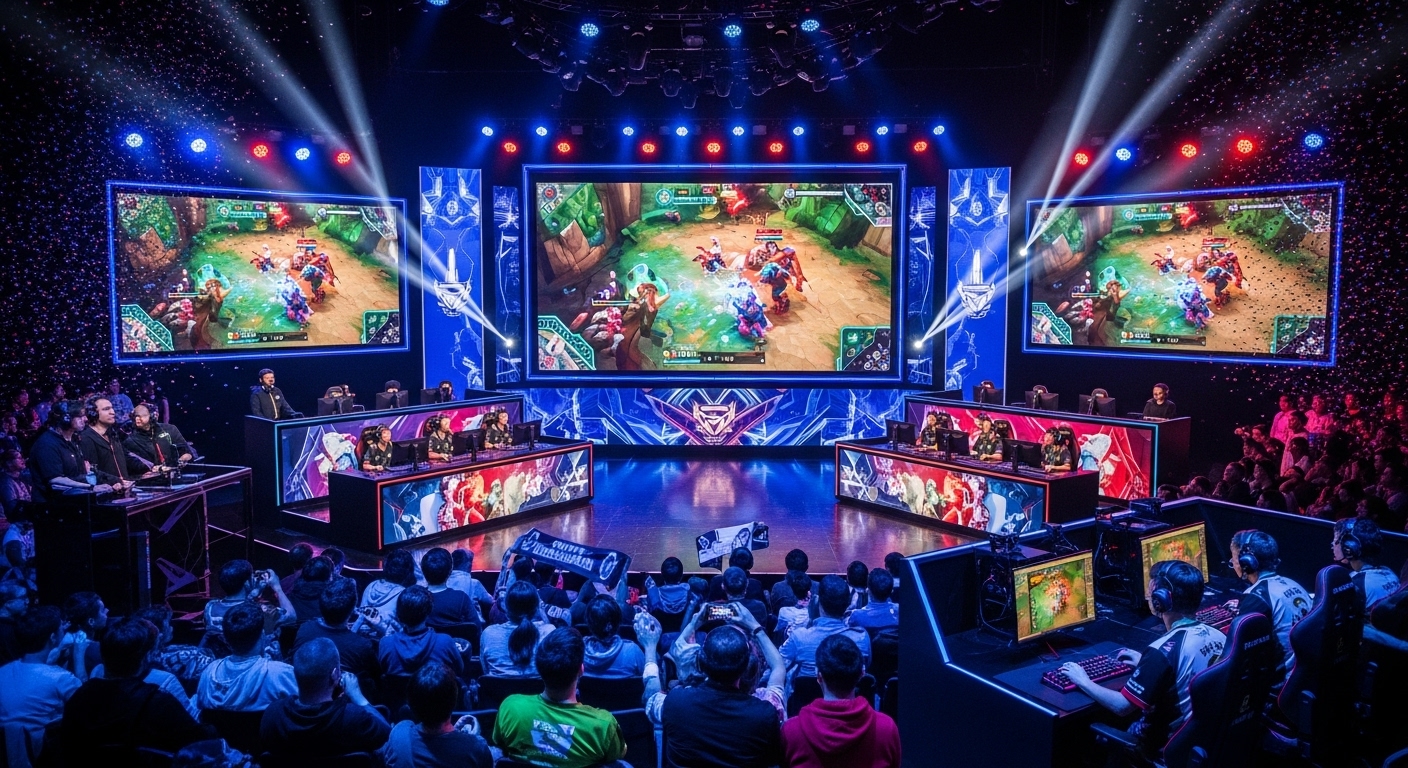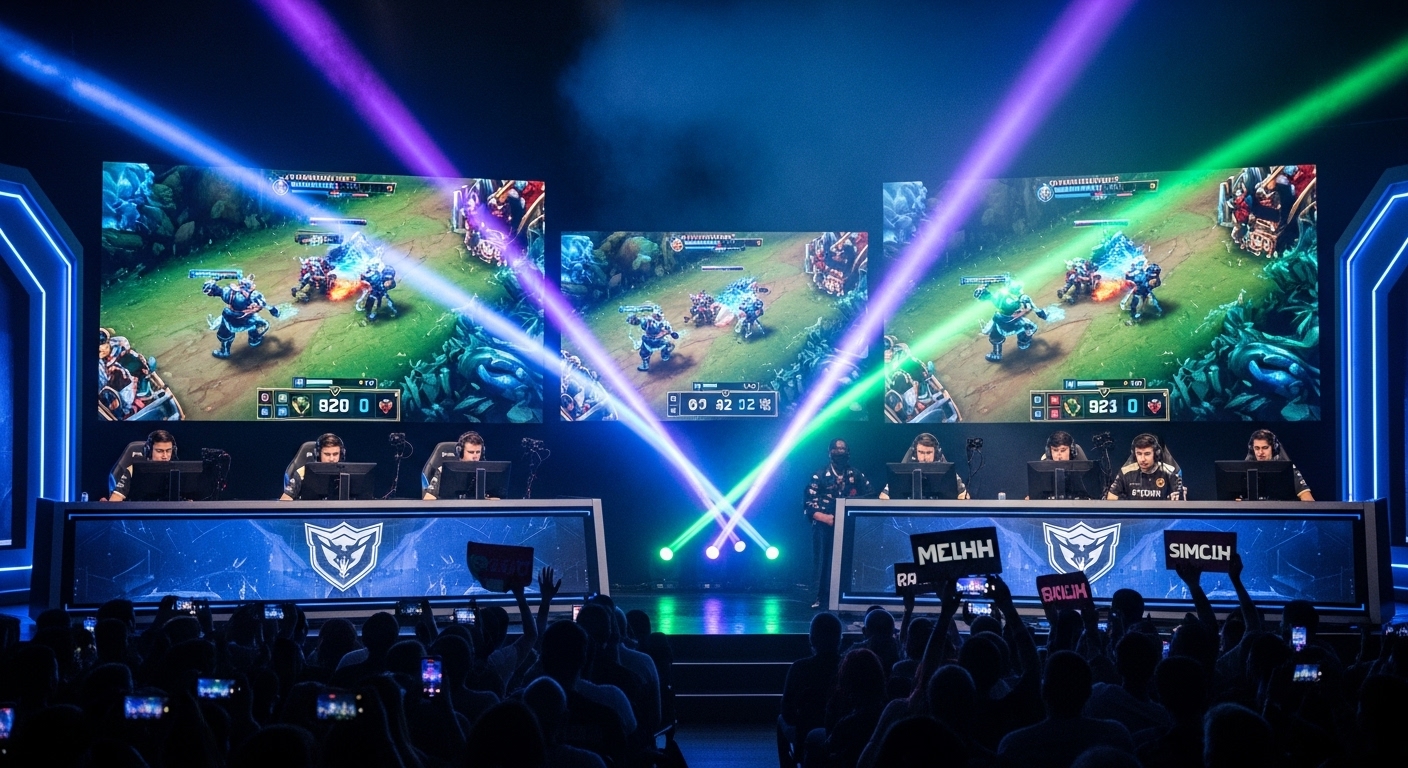
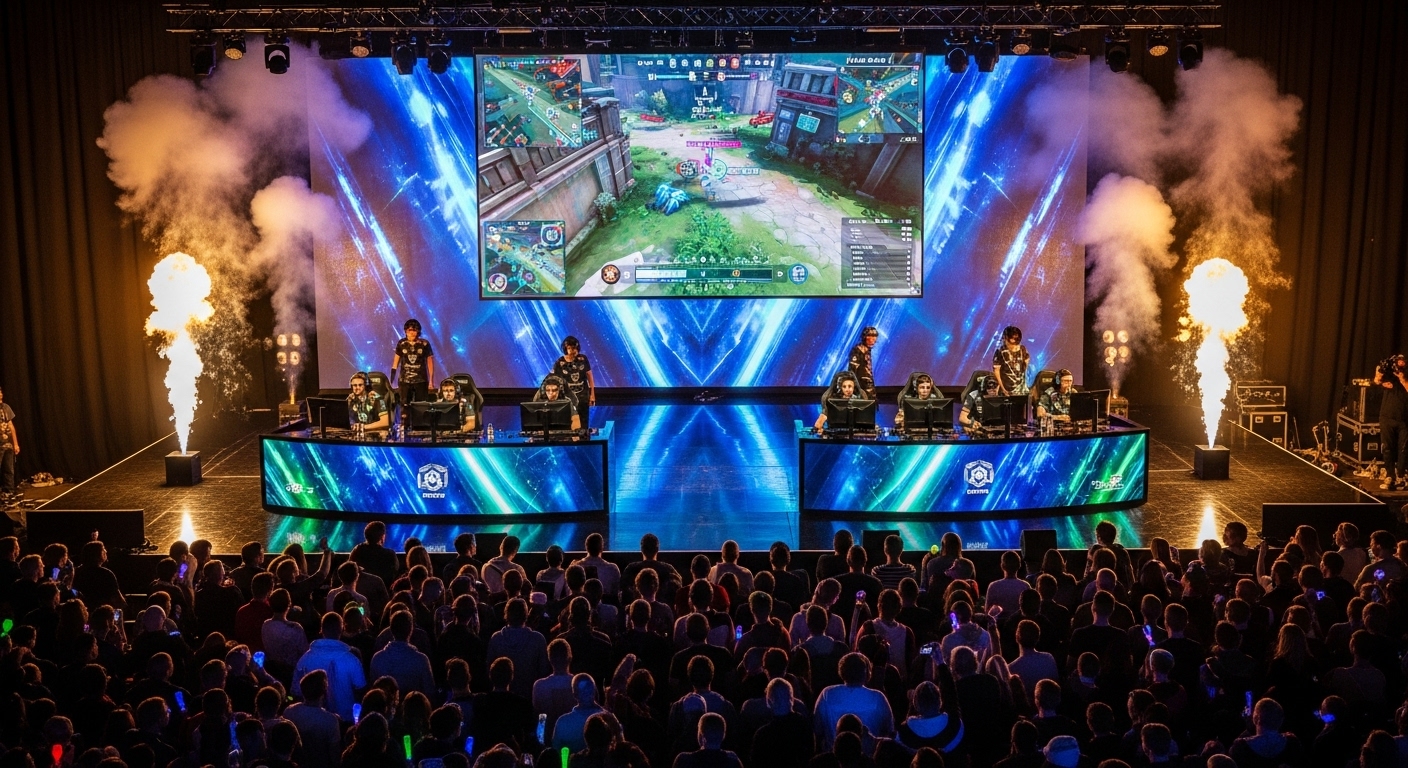
Esports, or competitive video gaming, has transformed over the past two decades from a niche hobby into a global entertainment powerhouse. What was once confined to basement LAN parties and local gaming tournaments has now evolved into a multibillion-dollar industry attracting millions of viewers and professional players worldwide. This growth has not only reshaped the gaming industry but has also impacted technology, media, and even traditional sports. In this blog, we’ll explore the journey of esports, its impact, and why it has become such a significant cultural force.
Early Days of Competitive Gaming
Competitive gaming did not emerge overnight. Its roots trace back to the late 1970s and early 1980s, when arcade games like Space Invaders and Pac-Man became popular. High-score competitions were often the only form of recognition for skilled players. However, the concept of organized tournaments gained traction with the advent of home consoles and PC gaming.
One notable milestone in esports history was the Space Invaders Championship held in 1980 in the United States. Thousands of players participated, signaling a growing interest in competitive gaming. While this was just a single event, it laid the foundation for organized competitions and the community-driven culture that esports thrives on today.
The 1990s saw the rise of local and national tournaments, particularly with the increasing popularity of PC games. Titles like Quake, StarCraft, and Counter-Strike became the early staples of competitive gaming. Internet connectivity improvements allowed players to compete online, opening the door for international competitions and the early formation of esports leagues.
The Birth of Modern Esports
Modern esports, as we know it today, truly began in the 2000s. Games such as Warcraft III, Counter-Strike 1.6, and StarCraft: Brood War created highly competitive environments with professional-level players and organized leagues. South Korea played a pivotal role in the rise of esports during this era, particularly with StarCraft, which became a national pastime. Television networks in South Korea began broadcasting live matches, elevating the status of professional gamers and transforming them into celebrities.
Around the same time, the proliferation of broadband internet enabled online multiplayer gaming to flourish. Platforms like Battle.net allowed players worldwide to compete against each other, breaking down geographical barriers and creating a truly global gaming community. The success of early tournaments led to the establishment of professional esports organizations, sponsorship deals, and structured prize pools, marking a turning point in the legitimacy of esports as a profession.
Esports as a Global Industry
Today, esports is no longer a fringe activity but a multi-billion-dollar industry. Professional tournaments are held across the globe, featuring games like League of Legends, Dota 2, Fortnite, and Valorant, among others. Events like The International in Dota 2 and League of Legends World Championship draw millions of viewers worldwide, rivaling traditional sports in both audience size and production quality.
The esports ecosystem is now composed of multiple components: professional players, teams, event organizers, streaming platforms, sponsors, and content creators. Organizations such as Team Liquid, Fnatic, and Cloud9 have established themselves as major players, managing rosters of elite gamers and participating in various tournaments across multiple games. The presence of sponsors from diverse industries, including technology, apparel, and food and beverage, highlights esports’ commercial viability.
Streaming platforms have been crucial to the growth of esports. Platforms like Twitch, YouTube Gaming, and Trovo allow fans to watch live matches, follow their favorite players, and engage with the community. Unlike traditional sports, esports offers direct interaction between fans and players, creating a highly immersive experience that strengthens viewer loyalty.
Esports and Professional Gaming Careers
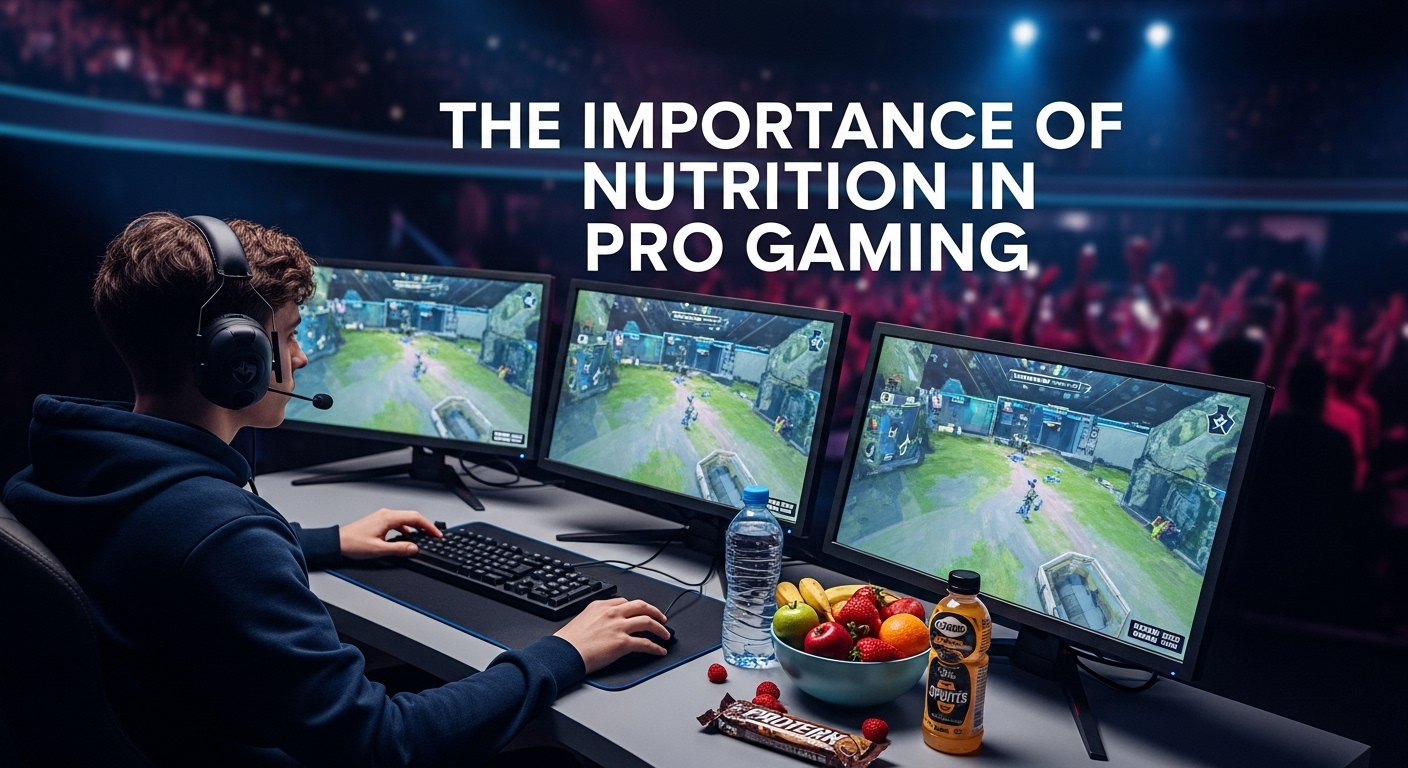
One of the most fascinating aspects of esports is the emergence of professional gaming as a legitimate career. Professional players undergo rigorous training schedules, often practicing eight to twelve hours a day to maintain peak performance. Similar to athletes in traditional sports, these players focus on strategy, teamwork, and skill refinement to stay competitive.
Salaries for top-tier players can be substantial, sometimes reaching six or even seven figures annually. Additionally, prize pools for major tournaments often exceed millions of dollars. For instance, the Dota 2 tournament, The International, is renowned for having one of the largest prize pools in esports history. Beyond direct earnings, professional gamers can also earn income from sponsorship deals, streaming revenue, and merchandise sales.
Coaching, management, and support roles within esports teams also provide career opportunities. Analysts, coaches, and strategists play a crucial role in team performance, similar to staff positions in traditional sports. This growth in employment opportunities underscores the maturation of esports as a professional industry.
Technological Advancements Driving Esports
The rapid growth of esports is closely tied to technological advancements. High-speed internet, powerful gaming hardware, and sophisticated streaming software have all contributed to the accessibility and quality of competitive gaming. Modern PCs and gaming consoles allow for high-fidelity graphics and smooth gameplay, essential for professional competition.
Moreover, advancements in broadcasting technology have elevated esports events to a cinematic experience. High-definition cameras, multiple in-game perspectives, and professional commentary enhance viewer engagement. Virtual reality and augmented reality also hold potential to further revolutionize esports in the future, offering immersive experiences that were previously unimaginable.
Esports Culture and Community
Esports culture extends beyond professional tournaments. Community-driven competitions, local LAN parties, and online leagues provide spaces for casual and semi-professional players to participate. Online forums, social media groups, and fan communities foster interaction, discussion, and shared enthusiasm for specific games.
Cosplay, fan art, and content creation have also become integral to esports culture. Fans celebrate their favorite characters, teams, and moments in creative ways, reinforcing the sense of belonging and identity within the community. This cultural dimension sets esports apart from traditional sports, creating a dynamic ecosystem where entertainment, competition, and creativity intersect.
Esports in Education
An often-overlooked aspect of esports is its integration into education. Many universities and colleges now offer esports programs, scholarships, and competitive teams. These programs provide students with opportunities to develop strategic thinking, teamwork, and leadership skills.
Esports in education also emphasizes career readiness. Students can explore fields such as game development, event management, marketing, and broadcasting within the esports framework. By combining academics with competitive gaming, educational institutions recognize esports as a legitimate and valuable pursuit, opening new pathways for students passionate about the industry.
The Business of Esports
The business side of esports is just as fascinating as the gameplay itself. Revenue streams include sponsorships, advertising, media rights, merchandise, ticket sales for live events, and digital content monetization. Major brands from non-gaming industries, such as automotive, fashion, and beverages, invest heavily in esports sponsorships, seeing the potential to reach a young, tech-savvy audience.
Esports franchises and leagues, particularly those following a model similar to traditional sports, create stability for teams and investors. Franchise fees, revenue sharing, and long-term contracts have professionalized the ecosystem, attracting mainstream media coverage and corporate partnerships. As a result, esports has become a recognized segment within the broader entertainment and sports industry.
The Future of Esports
Looking ahead, the future of esports appears promising. Emerging technologies such as virtual reality, cloud gaming, and AI-driven analytics could redefine competitive gaming. VR esports tournaments may provide fully immersive experiences, while cloud gaming could reduce hardware barriers, allowing more players to participate globally.
Esports is also likely to continue its convergence with mainstream culture. Collaborations with traditional sports leagues, music artists, and entertainment franchises could further increase visibility and fan engagement. Furthermore, increased recognition by governments and regulatory bodies may lead to more standardized governance, ensuring fair play, safety, and sustainability in the industry.
Challenges Facing Esports
Despite its rapid growth, esports faces challenges. Player burnout, mental health concerns, and the pressure of high-stakes competition are significant issues within the professional scene. Unlike traditional sports, esports athletes often begin their careers at a young age, raising concerns about long-term career sustainability and well-being.
Additionally, issues such as cheating, match-fixing, and doping have surfaced in competitive gaming, necessitating stricter regulation and oversight. The esports industry must balance rapid expansion with ethical practices, fair competition, and player welfare to maintain credibility and long-term growth.
Conclusion
Esports has come a long way from its humble beginnings in arcades and small tournaments. Today, it is a global phenomenon that blends competition, entertainment, and culture in a way unlike any other industry. With millions of fans, professional players, lucrative sponsorships, and technological innovation, esports continues to redefine what it means to compete and engage in digital spaces.
As the industry matures, esports will likely become even more integrated into mainstream culture, education, and entertainment. The journey from niche hobby to professional spectacle is a testament to the passion, creativity, and innovation of the gaming community. For players, fans, and industry stakeholders alike, the future of esports promises exciting possibilities and continued growth on an unprecedented scale.