Introduction
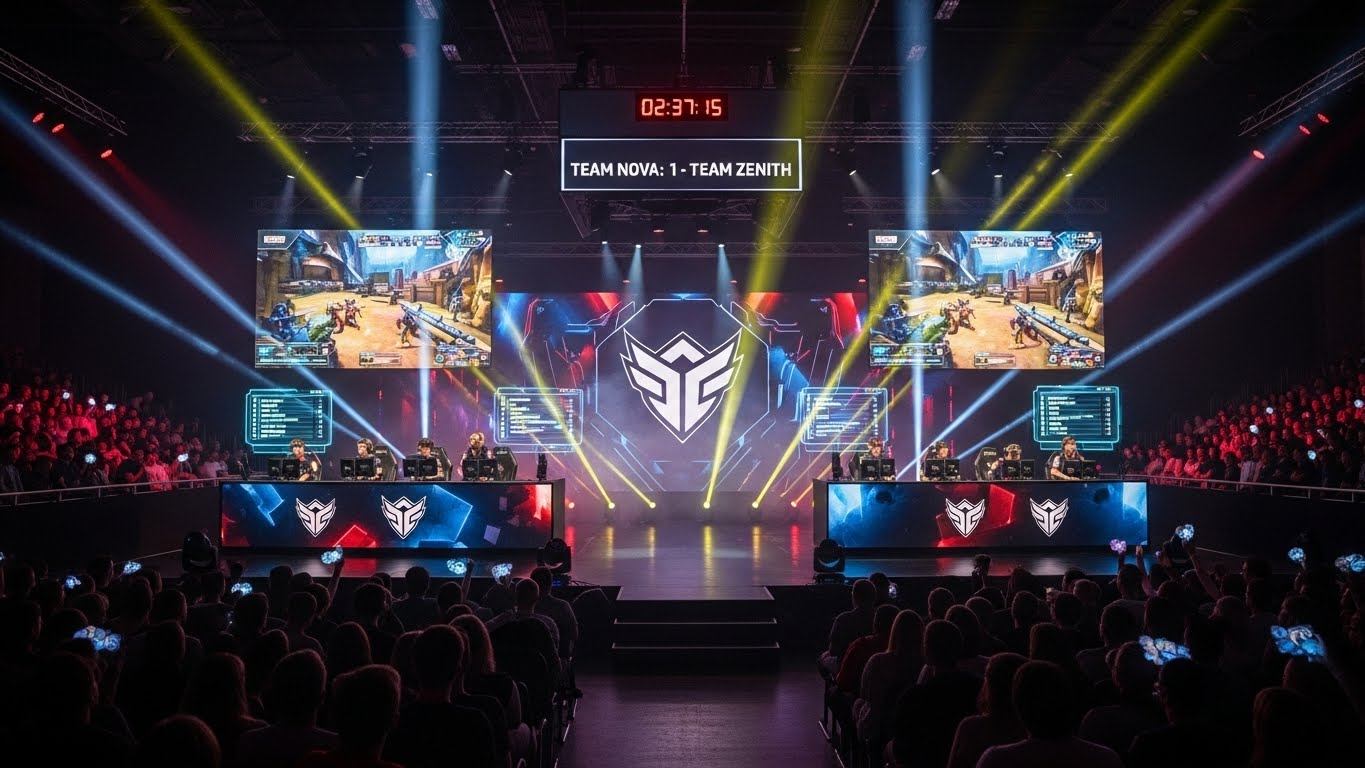
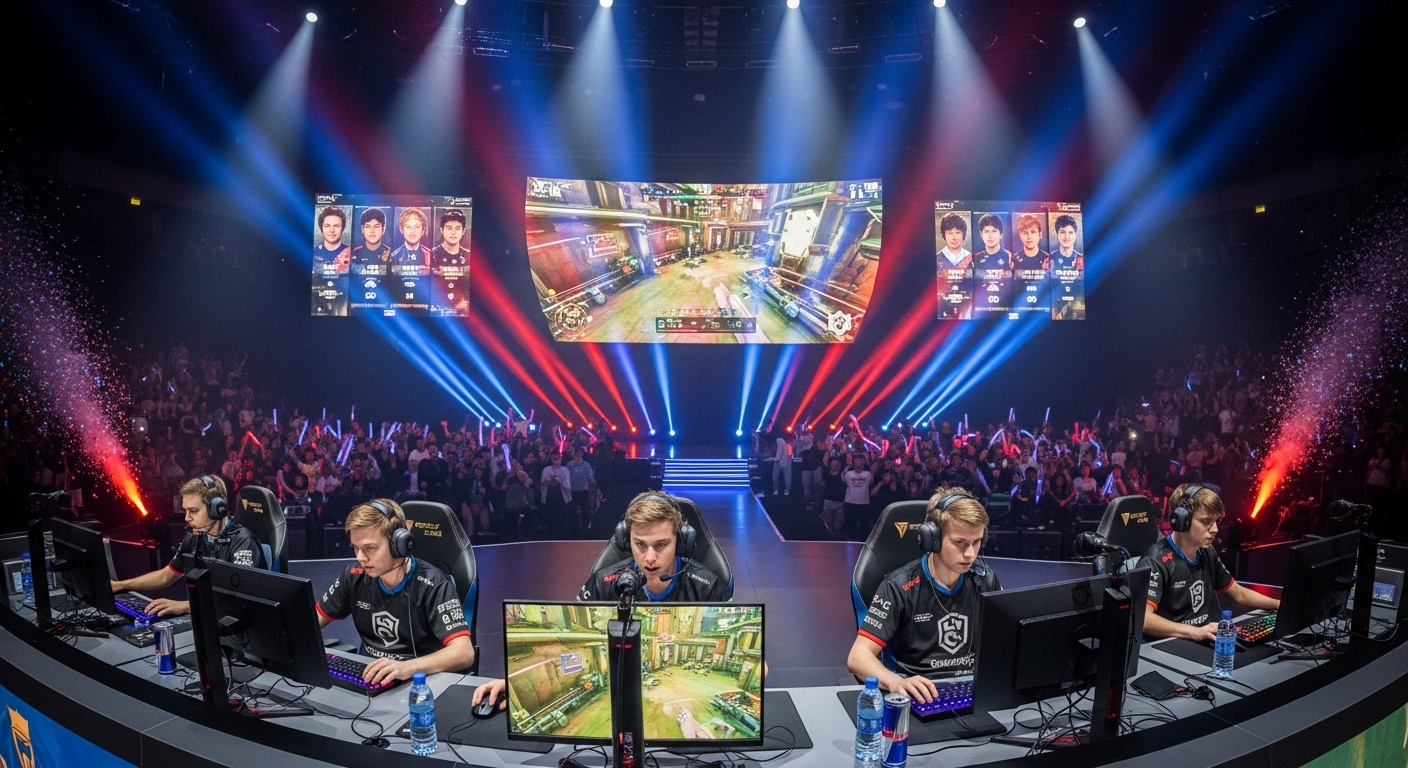
A few decades ago, the idea of thousands of fans filling stadiums to watch people play video games would have sounded absurd. Gaming was something done quietly at home, often dismissed as a waste of time or a hobby for kids. Today, that same pastime has transformed into a billion-dollar industry known as Esports—a world where professional gamers compete on global stages, fans cheer passionately, and entire careers are built around pixels and controllers.
Esports has evolved from underground LAN parties into a mainstream entertainment force rivaling traditional sports. It’s not just about games anymore; it’s about culture, technology, and community. In this post, we’ll explore how Esports came to be, the key turning points that shaped its growth, and where this ever-changing industry might be heading next.
The Early Days: The Birth of Competitive Gaming
The origins of Esports can be traced back to the 1970s, long before the word “Esports” even existed. The very first recorded gaming competition took place in 1972 at Stanford University. Students gathered to play a game called Spacewar! and compete for a year’s subscription to Rolling Stone magazine. It was small, informal, and experimental—but it planted the seed for what would become a revolution.
By the early 1980s, video gaming had found its way into arcades, and high scores became the earliest form of competition. Players like Billy Mitchell and Steve Wiebe made names for themselves by chasing record-breaking scores in games like Donkey Kong and Pac-Man. Publications such as Twin Galaxies began documenting these achievements, and gaming contests started gaining attention from the media.
However, the infrastructure for professional gaming didn’t yet exist. The technology was limited, and the internet was still a distant dream. What these pioneers created was more cultural than commercial—a spirit of competition that would later explode with the arrival of the digital age.
The 1990s: The Internet Era and LAN Parties
If the 1980s were about arcade scores, the 1990s were about connectivity. As computers became household items and the internet grew, players discovered they could challenge each other across networks. The birth of LAN parties—local area network gatherings where gamers connected their PCs to play multiplayer games—gave rise to a new level of competition.
Games like Doom, Quake, and StarCraft redefined what multiplayer meant. These titles allowed players to test their reflexes and strategies against others in real-time. The famous Red Annihilation tournament in 1997, featuring Quake, is widely recognized as one of the first true Esports events. The winner, Dennis “Thresh” Fong, took home John Carmack’s Ferrari as the grand prize—a symbol of gaming’s growing legitimacy.
Meanwhile, StarCraft, developed by Blizzard Entertainment, took competitive gaming to new heights, especially in South Korea. Internet cafes known as “PC bangs” became cultural hubs where young people competed daily, and soon, South Korea would become the beating heart of Esports.
The South Korean Revolution
No discussion of Esports would be complete without highlighting South Korea’s influence. In the late 1990s, after the Asian financial crisis, the South Korean government invested heavily in internet infrastructure, creating one of the fastest networks in the world. This laid the foundation for online gaming to thrive.
Television networks started broadcasting matches, professional teams formed, and corporate sponsors jumped in. Games like StarCraft: Brood War became national obsessions. Players such as Lim “BoxeR” Yo-hwan achieved celebrity status, appearing on TV, endorsing products, and filling stadiums with fans.
The South Korean Esports model was years ahead of the rest of the world. It demonstrated that competitive gaming could be organized, profitable, and culturally respected. What began as a local phenomenon would soon inspire a global movement.
The 2000s: Building the Global Stage
By the early 2000s, broadband internet and improved graphics hardware made online play more accessible worldwide. Esports began expanding rapidly across continents, driven by new genres and platforms.
The Rise of First-Person Shooters
Games like Counter-Strike and Call of Duty defined team-based shooting competitions. They introduced structure, teamwork, and tactical depth that mirrored traditional sports. Counter-Strike 1.6 tournaments became the proving ground for many of today’s legendary players and teams.
Strategy and MOBAs Take Over
While shooters gained traction in the West, real-time strategy and MOBA (Multiplayer Online Battle Arena) games dominated Asia. Warcraft III and Defense of the Ancients (DotA) set the stage for what would later become League of Legends and Dota 2, two of the most influential Esports titles ever created.
The Birth of Esports Organizations
This decade also saw the creation of professional teams and leagues. Organizations like Fnatic, SK Gaming, and Team Liquid were established, laying the groundwork for what would become modern Esports franchises. They began to mirror traditional sports structures—complete with contracts, training regimens, coaches, and sponsorships.
The Streaming Revolution
One of the most pivotal changes in Esports history came with the rise of live streaming. Before Twitch, watching Esports was limited to physical events or obscure online broadcasts. Twitch, launched in 2011, revolutionized how audiences consumed gaming content.
Now, anyone could watch tournaments or follow their favorite players from anywhere in the world. This democratization of broadcasting turned gamers into influencers and viewers into participants. Esports was no longer just competition—it was entertainment.
Streaming platforms also gave rise to a new breed of gaming celebrity. Players didn’t need to win tournaments to build audiences. They could share their gameplay, interact with fans, and earn income through subscriptions and donations. The line between “professional player” and “content creator” began to blur.
The 2010s: Esports Goes Mainstream
The 2010s were the decade Esports broke into the mainstream. Prize pools skyrocketed, stadiums filled with fans, and corporate sponsors recognized the marketing goldmine hidden in competitive gaming.
The Era of Mega Tournaments
The League of Legends World Championship, The International for Dota 2, and Fortnite World Cup became cultural events on par with major sports finals. Valve’s The International set new standards for prize money, funded through player-driven crowdfunding models that reached tens of millions of dollars.
Meanwhile, organizations like Riot Games, Blizzard, and Activision started creating structured leagues modeled after the NBA or NFL. The Overwatch League and Call of Duty League introduced franchising, city-based teams, and consistent seasonal play—bringing Esports closer to the realm of traditional sports.
Sponsorships and Investment
Big-name sponsors like Coca-Cola, Intel, and Red Bull joined the scene, along with venture capital firms and sports franchises. Celebrities and athletes invested in teams, bridging the gap between Esports and mainstream culture.
The image of gaming shifted dramatically. No longer viewed as an antisocial hobby, it was now seen as a legitimate career path, complete with coaching, nutrition, and psychology programs designed to support player performance.
The Business of Esports
Behind the flashing lights and roaring crowds, Esports is a complex business ecosystem involving publishers, teams, sponsors, and media companies.
Revenue Streams
Esports revenue primarily comes from sponsorships, advertising, media rights, and merchandise. Tournament ticket sales and in-game purchases also play a role, but sponsorships remain the backbone of the industry. Brands see Esports as a direct gateway to reach young, digitally savvy audiences who are increasingly hard to reach through traditional advertising.
The Role of Publishers
Unlike traditional sports, where no one “owns” football or basketball, Esports titles are owned by game publishers. Companies like Riot Games (with League of Legends) and Valve (with Counter-Strike and Dota 2) control the competitive ecosystem. This centralized control can help maintain structure and quality but also raises questions about fairness and sustainability for independent organizers.
Team Organizations and Players
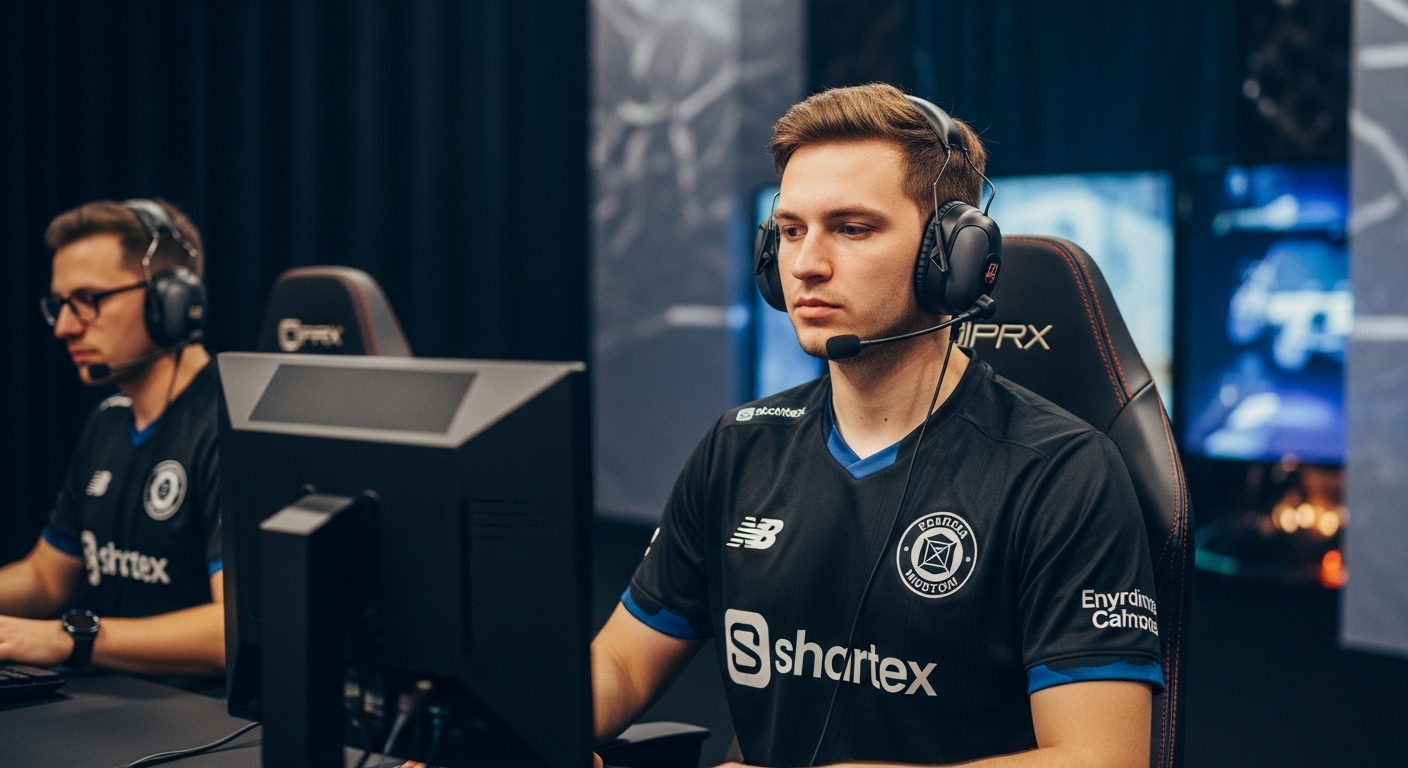
Professional teams have evolved into media and lifestyle brands. Organizations like Cloud9, FaZe Clan, and G2 Esports boast millions of fans worldwide. Players are now not only athletes but influencers—earning income from both competition and content creation.
Contracts, player buyouts, and endorsements have turned Esports into a career that rivals professional athletics in both fame and financial reward.
The Cultural Impact of Esports
Esports is more than an industry—it’s a movement that reshapes how society perceives entertainment, competition, and even work.
Changing the Definition of Sports
Traditionalists often debate whether Esports counts as “real” sport. While it lacks physical exertion, it demands mental agility, reflexes, and teamwork on par with any traditional athletic competition. Many countries have begun recognizing Esports officially, with some players even receiving athlete visas to compete internationally.
Youth and Community
Esports has become a social space for younger generations. Schools and universities now offer Esports scholarships, and high schools are forming teams just like they do for basketball or soccer. Online communities built around games foster friendships, collaboration, and creativity across borders.
Representation and Diversity
The Esports world has also become a platform for discussions about inclusion. Although still male-dominated, there’s growing awareness of gender diversity, accessibility, and inclusivity in gaming. Initiatives supporting female gamers, LGBTQ+ representation, and disabled players are helping shape a more equitable competitive scene.
Challenges Facing the Industry
Despite its explosive growth, Esports faces its share of obstacles—some inherent to its youth, others tied to broader issues in technology and media.
Sustainability and Burnout
The pressure on professional players is intense. The career lifespan of an Esports athlete is short—often just a few years—due to mental strain and constant practice. Organizations are now investing in better player welfare, but the industry still struggles to balance competition with well-being.
Financial Instability
While top-tier organizations thrive, smaller teams often struggle to stay afloat. Revenue distribution can be uneven, and some leagues have faced criticism for unclear profit-sharing models. The dependency on sponsorships also leaves teams vulnerable to market shifts.
Cheating and Integrity
As with any sport, cheating and match-fixing threaten Esports’ credibility. The digital nature of the games makes them susceptible to hacks and exploits. Anti-cheat systems and stricter regulations are being developed, but maintaining integrity remains a constant battle.
The Role of Technology
Technology is the lifeblood of Esports. Every leap in innovation—from better graphics cards to faster internet—fuels its evolution.
Cloud gaming, AI-driven analytics, and virtual reality are beginning to shape new possibilities. Advanced analytics tools help teams refine strategies, while virtual arenas offer fans immersive viewing experiences.
5G networks and edge computing will further revolutionize how matches are streamed and experienced, eliminating lag and expanding global accessibility.
Esports and Education
Educational institutions have started to embrace Esports as a legitimate discipline. Universities around the world now offer degrees in Esports management, marketing, and game design. These programs prepare students for the expanding job market around the industry, which includes event production, broadcasting, and analytics.
For younger players, Esports programs in schools teach teamwork, communication, and critical thinking—skills that translate well beyond gaming. The educational potential of Esports goes far beyond the screen.
The Future of Esports
As we move deeper into the 2020s, Esports shows no sign of slowing down. Its integration with mainstream culture, technology, and entertainment is creating endless possibilities.
Global Expansion
Emerging markets in Southeast Asia, Africa, and Latin America are becoming Esports hotspots. With affordable smartphones and mobile-first games, Esports is reaching audiences who were once excluded from PC or console gaming. Titles like Mobile Legends and PUBG Mobile have become cultural sensations in these regions.
The Metaverse and Beyond
The concept of the metaverse—a shared virtual space—could redefine how Esports is experienced. Imagine attending a match as a 3D avatar, interacting with fans worldwide, or watching from within the game itself. The fusion of Esports and virtual reality is already underway.
Esports in the Olympics
There’s also growing conversation around Esports being included in major global sporting events. The Olympic Committee has already hosted Esports exhibitions, signaling a future where digital and physical competition might coexist on the same stage.
Conclusion
Esports began as a fringe activity, born from curiosity and competition. Over the decades, it has matured into a global force—blending entertainment, technology, and athletic spirit. It’s a space where passion meets profession, where skill is celebrated, and where community thrives.
From small LAN parties to billion-dollar tournaments, Esports represents more than just gaming. It’s a reflection of how human connection evolves with technology—how play, creativity, and ambition can transform an entire culture.
As the world continues to embrace digital experiences, Esports stands as a powerful reminder that competition isn’t limited to physical fields or stadiums. It can live in virtual worlds, connect people across continents, and inspire a new generation to see gaming not as an escape, but as a platform for achievement.