
Esports, once a niche subculture for avid gamers, has evolved into a global, multi-billion-dollar industry. Today, it encompasses competitive video gaming on a professional level, with massive tournaments, sponsorships, and millions of fans around the world. The journey of esports is fascinating, marked by technological advancements, cultural shifts, and the tireless dedication of its community. In this blog post, we will explore the rise and evolution of esports, looking at its history, growth, and the factors that have contributed to its success.
1. The Early Beginnings: The Birth of Competitive Gaming
The origins of esports can be traced back to the early days of video gaming, when arcades were the primary places for competitive play. The term “esports” itself, however, did not exist in those days. Instead, competitive gaming was simply part of the arcade culture.
In the late 1970s and early 1980s, the first competitive gaming events began to emerge. Games like Space Invaders and Pac-Man were among the first to inspire tournaments. The Space Invaders Championship in 1980, organized by Atari, is often cited as one of the first official esports events. The event attracted thousands of participants and provided a glimpse of what competitive gaming could become.
Throughout the 1980s and 1990s, competitive gaming events continued to grow. The rise of personal computers in homes brought multiplayer games to the forefront, leading to an increase in LAN (Local Area Network) tournaments. These tournaments, though relatively small in scale, laid the groundwork for the future of esports.
2. The Growth of Online Gaming and the Emergence of Esports
The real turning point for esports came with the advent of the internet and online multiplayer gaming. As broadband internet connections became more common in the late 1990s and early 2000s, games like Quake, StarCraft, and Warcraft allowed players from around the world to compete against each other in real-time.
In 1997, the launch of StarCraft by Blizzard Entertainment played a pivotal role in the growth of esports, particularly in South Korea. The game became incredibly popular and was central to the development of professional gaming in the country. South Korea embraced competitive gaming in a way that few other countries had, thanks to the country’s rapid technological development and widespread internet access.
By the early 2000s, esports was beginning to find its feet. Major events like the World Cyber Games (WCG), founded in 2000, began attracting global attention. The WCG, often referred to as the “Olympics of Esports,” provided a platform for players from all over the world to compete for glory and cash prizes. This period marked the beginning of esports becoming more than just a hobby – it was now a career choice for many gamers.
3. The Rise of Esports Broadcasting and Media Coverage
One of the most important factors in the rise of esports has been its integration with broadcasting platforms. In the early 2000s, video game tournaments were streamed on obscure websites or broadcast through niche channels. However, in the mid-2000s, things began to change with the advent of platforms like Twitch and YouTube.
Twitch, launched in 2011, revolutionized the way people viewed esports. It allowed gamers to live-stream their gameplay, interact with viewers in real time, and create communities around specific games. Twitch quickly became the go-to platform for esports events, drawing millions of viewers to live streams of popular games like League of Legends, Dota 2, Counter-Strike, and Overwatch. The platform also offered creators the opportunity to monetize their streams, creating a new avenue for professional gamers to earn income.
In addition to Twitch, traditional media outlets began to recognize the growing popularity of esports. Major networks like ESPN started covering esports events, giving the scene a level of legitimacy it had never seen before. The coverage of esports in the mainstream media helped raise awareness and attract new fans, pushing the industry into the global spotlight.
4. Esports as a Professional Career: The Rise of Star Players and Teams
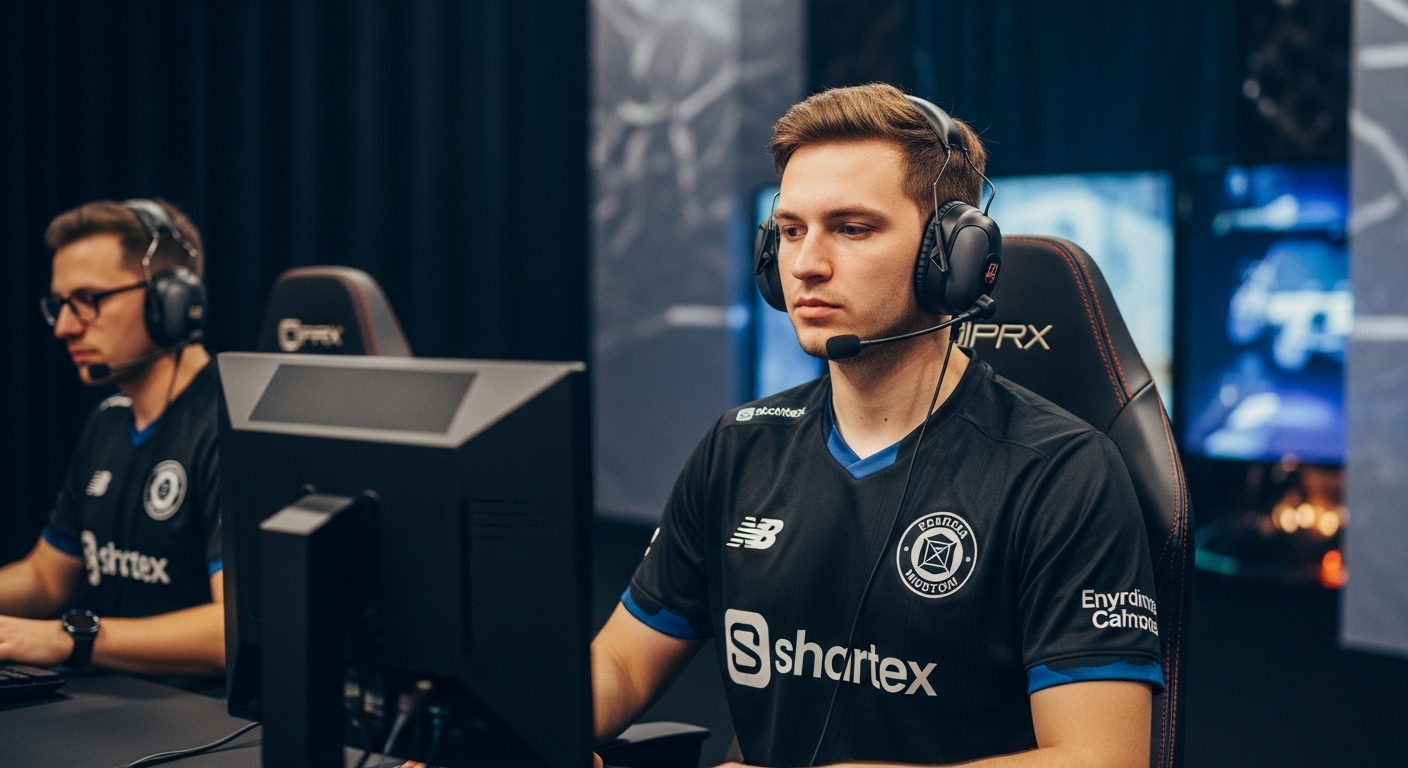
As the esports industry continued to grow, it became clear that competitive gaming was no longer just a hobby for the most dedicated players. Esports had become a legitimate career path. The rise of professional gaming organizations and sponsorships made it possible for top players to earn substantial incomes from prize money, salaries, and brand partnerships.
The early years of professional esports were dominated by players who were able to balance their gaming careers with school or day jobs. However, as the industry matured, players began to treat esports as a full-time career. Teams like Team Liquid, Cloud9, and Fnatic became household names, and individual players like s1mple (Aleksandr Kostyliev), Faker (Lee Sang-hyeok), and Dendi (Danil Ishutin) became celebrities in their own right.
Top-tier esports players often live in team houses, where they practice for hours each day, strategize with coaches, and play in tournaments across the globe. In many ways, esports players are treated like athletes, with the same level of dedication and commitment required to succeed at the highest levels.
5. Esports Tournaments and Leagues: From Grassroots to Global Spectacles
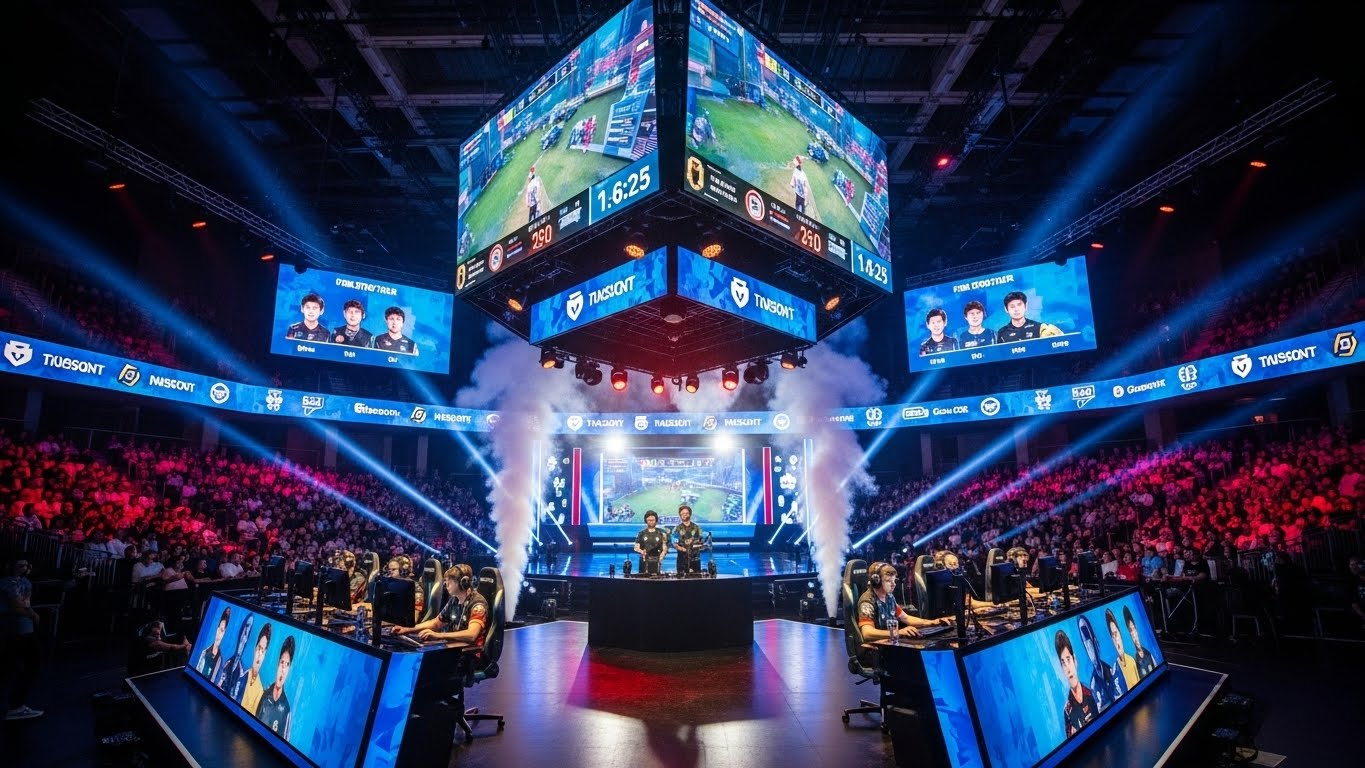
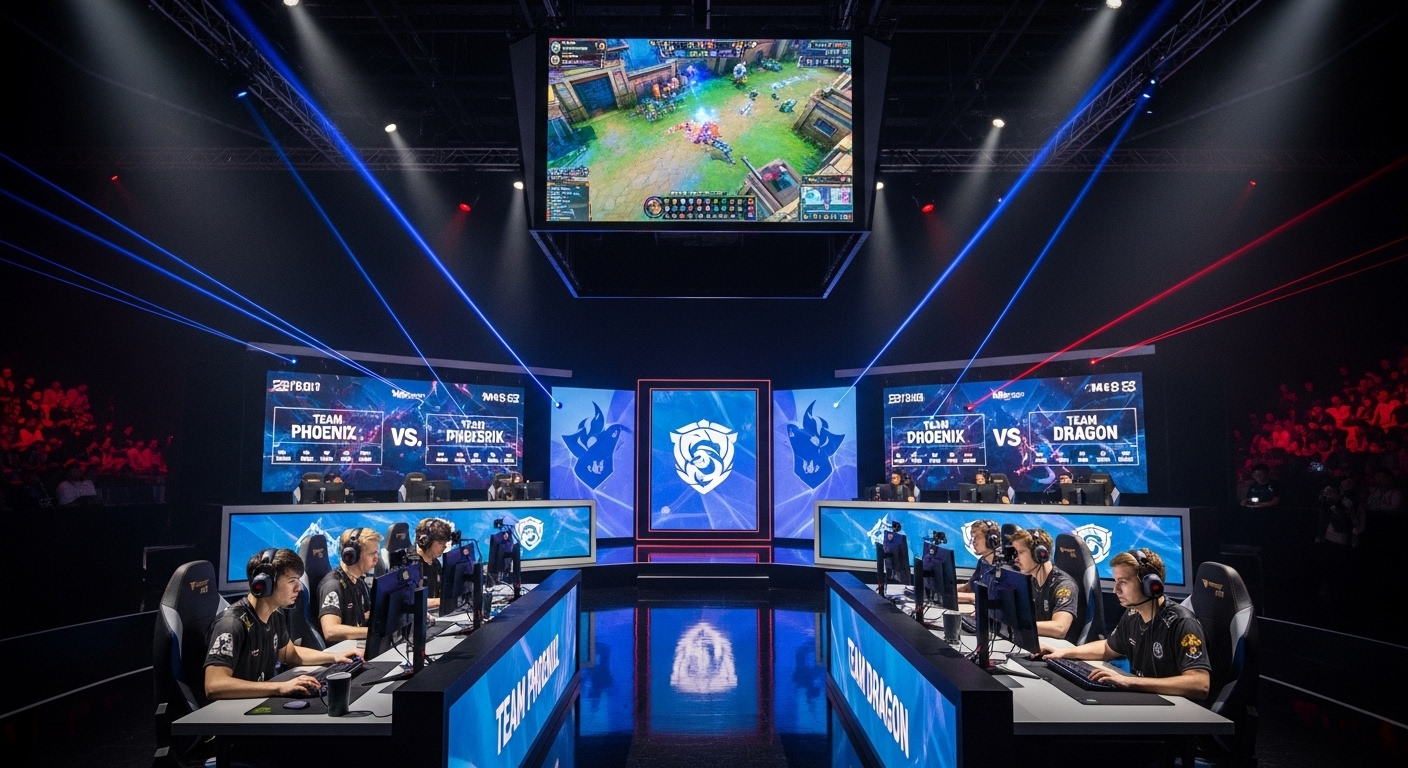
One of the defining features of esports is its tournament structure. From small LAN gatherings to massive, multi-million-dollar tournaments, esports has always been centered around competitive play. Early esports events were often held in convention centers or local arenas, but as the industry grew, so did the scale of the tournaments.
One of the most iconic esports events is The International, the annual Dota 2 tournament held by Valve. First held in 2011, The International boasts one of the largest prize pools in esports, often reaching tens of millions of dollars. The event draws thousands of fans from around the world to the host city, and millions more watch it online. The success of The International has set the stage for other major tournaments to emerge, including the League of Legends World Championship and CS:GO Major Championships.
Esports leagues, like League of Legends’s LCS (League of Legends Championship Series) and Overwatch’s OWL (Overwatch League), have also played a key role in professionalizing the industry. These leagues have helped standardize competitive play, create consistent seasons, and offer players a structured environment to compete. Esports leagues now function similarly to traditional sports leagues, with teams battling it out for regional and world titles.
6. The Influence of Technology on Esports
Esports has always been deeply connected to technology. The continuous advancement in gaming hardware, such as graphics cards, gaming peripherals, and high-speed internet, has contributed to the overall development of esports.
The quality of gaming systems has played a crucial role in making esports more exciting for both players and spectators. With high-definition graphics, ultra-low latency, and advanced gaming setups, tournaments now offer some of the most thrilling and immersive experiences in the world of sports. Streaming services and video technology also allow fans to experience events like never before, with features like instant replays, player stats, and multi-angle camera views.
In addition to the physical aspects of technology, artificial intelligence and data analytics have become important tools in esports. Coaches and analysts use AI-driven data to study player performance, track in-game metrics, and develop strategies. These technological advancements continue to shape the future of esports, making the experience more engaging for players and viewers alike.
7. The Global Reach of Esports: A Cultural Phenomenon
Esports is no longer confined to the borders of any one country or region. The rise of global platforms like Twitch and YouTube has helped create a truly international esports community. Fans from all corners of the globe now support their favorite teams, players, and games, regardless of geographic location.
The cultural impact of esports has also been significant. In many ways, esports has become a cultural phenomenon, influencing music, fashion, and even mainstream entertainment. Popular musicians, actors, and celebrities have started to invest in esports teams, further legitimizing the industry. Esports is also increasingly seen as a vehicle for social change, with initiatives focused on diversity and inclusion taking center stage.
Countries like South Korea, China, the United States, and Europe have become esports hubs, while other regions, such as Southeast Asia and Latin America, are rapidly growing in terms of competitive gaming. Esports is no longer a niche interest; it is a global movement with millions of passionate fans and players.
8. The Future of Esports: Challenges and Opportunities
While esports has grown at an unprecedented rate, it is not without its challenges. One of the biggest concerns is sustainability. The industry is heavily reliant on sponsorships and media deals, which can fluctuate. As more companies enter the esports ecosystem, maintaining competitive balance and long-term success will be crucial.
Another issue is the physical and mental well-being of players. As esports players often train for long hours, there are concerns about the impact on their health, including eye strain, repetitive stress injuries, and burnout. As the industry continues to mature, finding ways to support players’ health and mental well-being will be essential.
However, despite these challenges, the future of esports looks bright. With increasing investment, greater integration with traditional sports, and a growing fanbase, esports is poised to continue its rise as a major form of entertainment in the 21st century.
Conclusion
Esports has come a long way from its humble beginnings in the arcades of the 1980s. Today, it is a global industry that rivals traditional sports in terms of viewership, sponsorships, and revenue. The dedication of players, the technological advancements, and the passion of fans have all contributed to making esports a dominant force in the world of entertainment. As the industry continues to evolve, it will undoubtedly face new challenges, but its future remains incredibly promising. Whether you’re a player, a fan, or just someone interested in the world of competitive gaming, the rise of esports is a story worth following for years to come.