Introduction
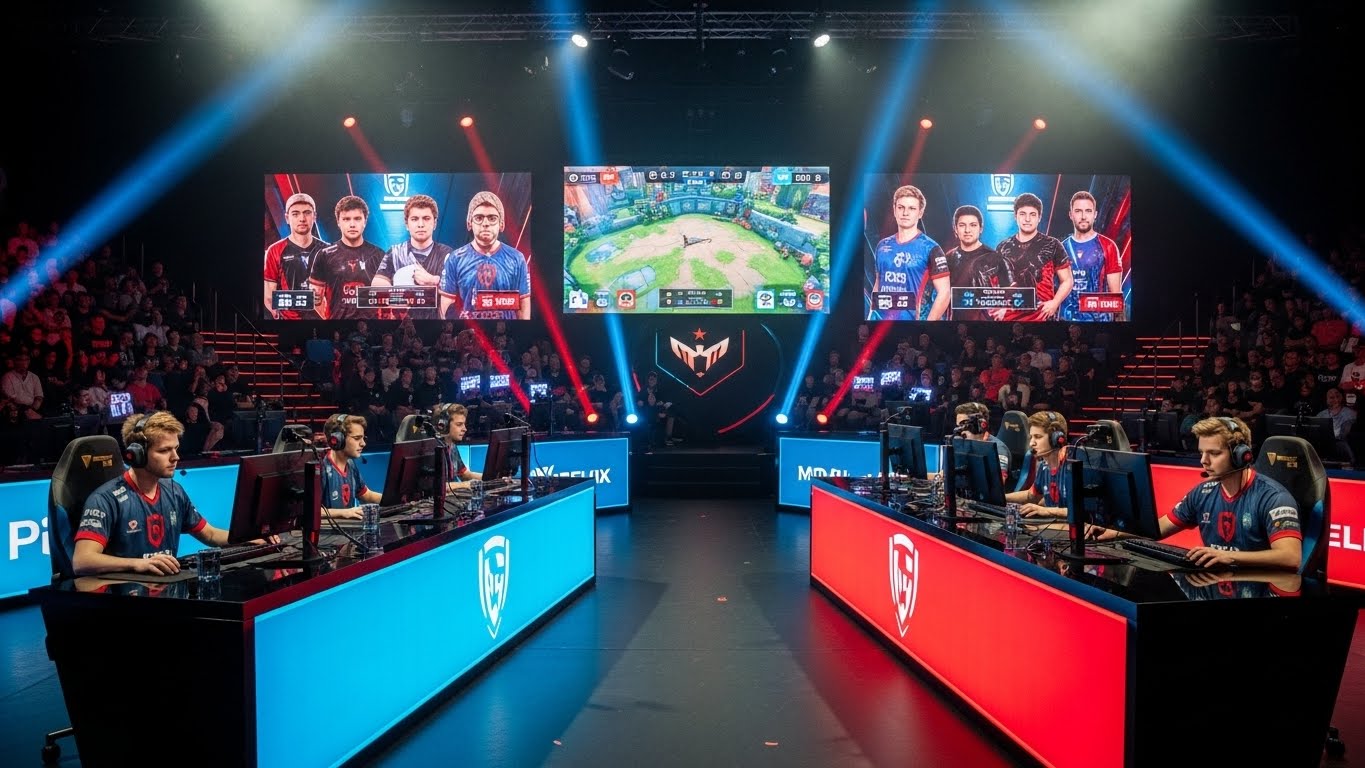
Esports has evolved into one of the most dynamic and rapidly growing industries in the world, blending competitive gaming with professional sports. What began as informal tournaments among passionate gamers has transformed into a billion-dollar global enterprise, attracting millions of players, fans, and sponsors. The meteoric rise of esports has captivated audiences across continents, turning gaming into a legitimate form of entertainment and competition. From massive stadiums filled with fans to online streams watched by millions, esports has firmly established itself as a cultural and economic force.
This blog delves into the evolution of esports, examining its origins, growth, and future, as well as its impact on the broader entertainment landscape. It explores how competitive gaming has shifted from a niche hobby to a mainstream cultural phenomenon and how its continued rise is reshaping the world of sports and entertainment.
The Humble Beginnings of Esports
The roots of esports can be traced back to the 1970s and 1980s when gaming was still in its infancy. Early competitive gaming events were small, local gatherings where players competed for fun, not profit. The first major tournament, the “Space Invaders Championship” in 1980, organized by Atari, offered a modest cash prize of $10,000, marking one of the earliest attempts at making gaming competitive. This event, though small in scale, sparked an interest in organized competition.
Throughout the 1990s, as the internet began to gain traction, the potential for online gaming tournaments grew. Games like “StarCraft,” “Warcraft,” and “Quake” became the foundation for competitive play, with dedicated communities forming around these titles. The advent of broadband internet in the late 1990s and early 2000s enabled players from all over the world to compete against each other in real-time, laying the groundwork for the global esports community that would emerge in the following decades.
The Rise of Major Esports Tournaments
As gaming technology advanced, so did the scale of competitive gaming. The early 2000s saw the first true “esports” events emerge, with organizations like the Electronic Sports World Cup (ESWC) and the World Cyber Games (WCG) hosting large-scale international tournaments. These events attracted a diverse range of players from various countries and cultures, marking the beginning of esports as a professional pursuit.
The mid-2000s saw the rise of online gaming platforms like “Battle.net” and “Xfire,” which enabled players to connect globally and form competitive teams. It was around this time that popular games like “Counter-Strike,” “Warcraft III,” and “League of Legends” began to dominate the competitive scene, and esports leagues began to take shape. These games became staples of the esports community, with large cash prizes and sponsorships drawing in professional players and organizations.
In 2011, the “League of Legends” World Championship marked a significant milestone in the development of esports. The tournament, which offered a substantial prize pool and attracted thousands of viewers, demonstrated the massive potential of esports as a spectator sport. Over time, more games—ranging from “Dota 2” to “Overwatch” to “Fortnite”—would join the ranks of esports heavyweights, with their own tournaments and leagues.
Esports as a Mainstream Spectator Sport
The transformation of esports from a niche hobby into a mainstream form of entertainment can be largely attributed to its massive growth in viewership. In the early 2010s, the advent of streaming platforms like Twitch and YouTube revolutionized how esports was consumed. Gamers and fans could now watch live tournaments, follow their favorite teams, and engage with the esports community in real-time.
Twitch, founded in 2011, became the go-to platform for esports content, allowing players to stream their gameplay and interact with audiences. The success of Twitch coincided with the rise of esports leagues and tournaments, which attracted millions of viewers, both online and in-person. Esports events, particularly the “League of Legends” World Championship and “The International” (Dota 2’s premier tournament), began drawing in large audiences, rivaling traditional sports in viewership numbers.
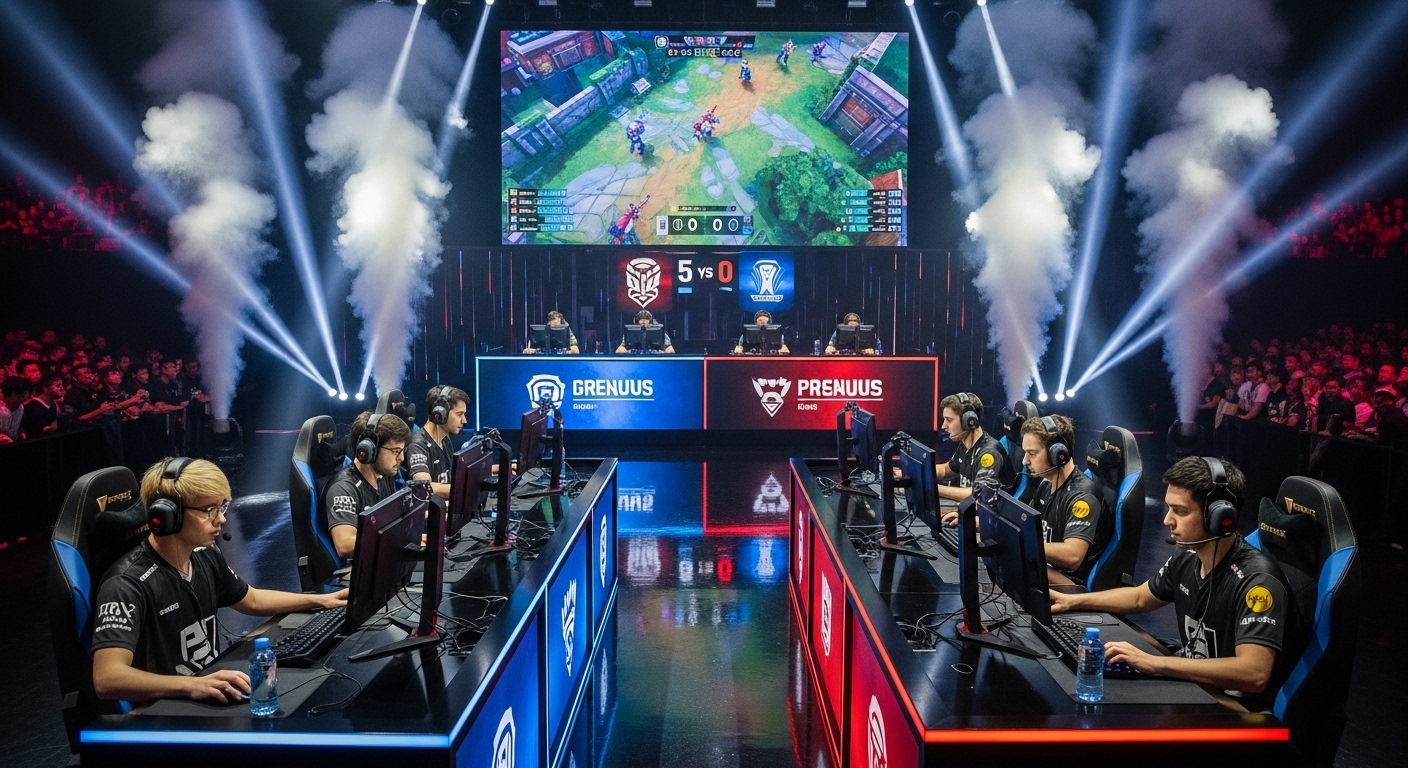
Esports tournaments began to be held in large arenas, with millions of dollars in prize money up for grabs. The “League of Legends” World Championship, for example, held in 2019, attracted over 100 million unique viewers, with the grand finals taking place in a packed stadium in Paris. These high-profile events began to receive media coverage akin to traditional sports, and companies started to take notice. Sponsorships from brands like Coca-Cola, Intel, and Red Bull flooded into the industry, cementing esports’ place in the mainstream.
The Professionalization of Esports
With the growth of esports came the need for professionalization. Teams, players, coaches, analysts, and managers became essential parts of the ecosystem. Just like traditional sports, esports organizations began to operate as businesses, with contracts, sponsorships, and team strategies becoming central to the competitive scene.
Esports players began to earn salaries, and sponsorship deals worth millions of dollars allowed top players to pursue their passion full-time. In addition to individual success, esports organizations, such as Cloud9, T1, and Fnatic, became brands in themselves, attracting investors and forming partnerships with major corporations. These organizations built training facilities, recruited skilled players, and developed extensive marketing campaigns.
Just like in traditional sports, esports leagues have adopted a franchise model, with organizations investing in team rosters and long-term contracts. The “Overwatch League,” launched in 2018, is an example of this model, with teams representing cities and competing in a structured season format, similar to professional sports leagues like the NBA or NFL.
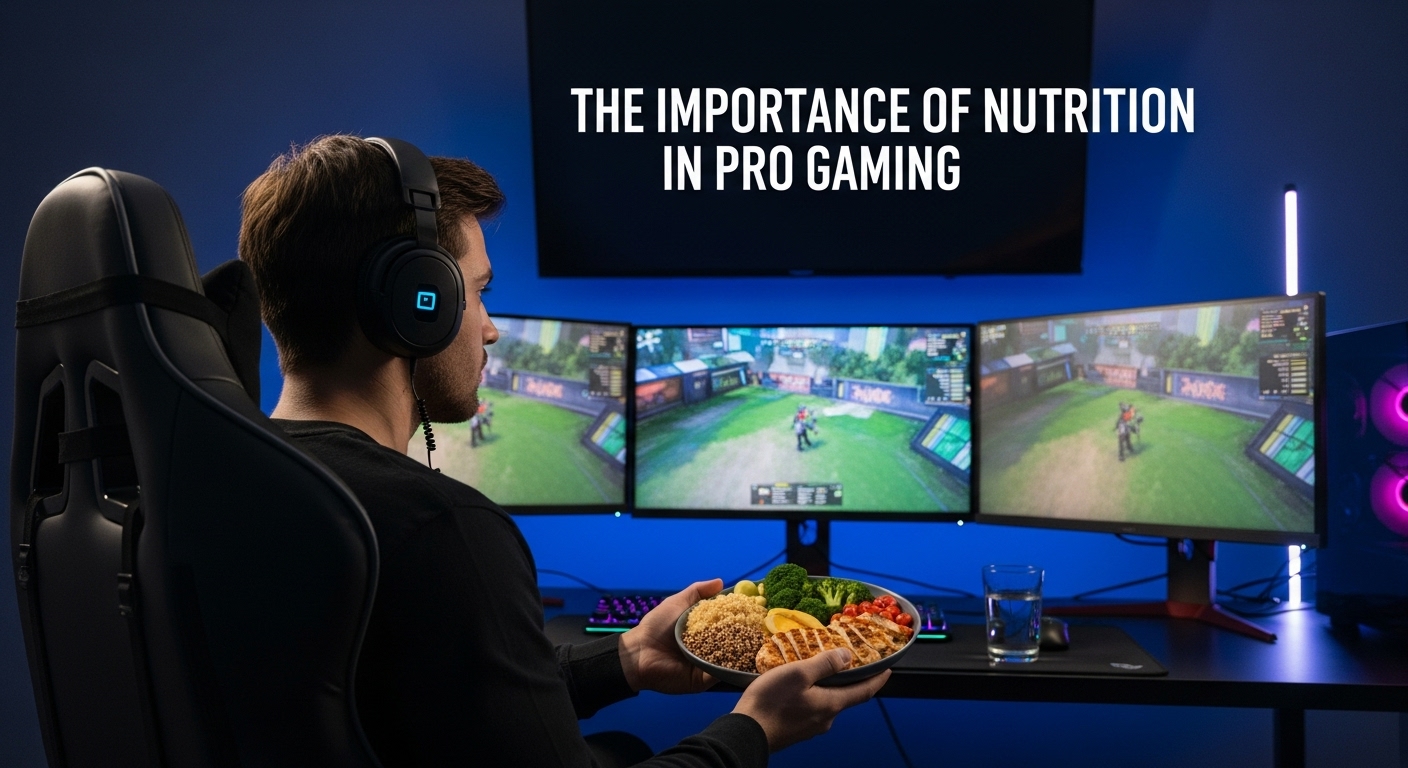
The professionalization of esports has also led to a more structured approach to training and development. Esports teams now employ full-time coaches, analysts, and even psychologists to help players improve their skills and mental resilience. The industry has evolved from a hobby to a highly organized, competitive career path, attracting some of the brightest young talents from around the world.
Esports and the Economy
Esports has grown into a multi-billion dollar industry, with revenue generated from sponsorships, media rights, ticket sales, merchandise, and advertising. In 2020, the global esports market was valued at over $1 billion, and it is projected to continue growing rapidly in the coming years. The pandemic further fueled the growth of esports, as people turned to digital entertainment and online competition while staying at home.
Major companies across industries are now investing in esports, recognizing its massive potential. Traditional sports networks like ESPN and Fox Sports have begun broadcasting esports tournaments, while tech companies like Intel and NVIDIA have developed products specifically for competitive gaming. Esports sponsorships from companies such as Mastercard, Coca-Cola, and BMW demonstrate the increasing mainstream appeal of competitive gaming.
Moreover, the growth of esports has opened up new career opportunities. Beyond players, esports has created jobs for commentators (casters), analysts, event organizers, content creators, and more. The rise of esports-related content on streaming platforms has given birth to an entire subculture of influencers and content creators who earn revenue through sponsorships, ads, and donations.
The Cultural Impact of Esports
Esports has had a profound impact on global culture. It has brought together millions of people from diverse backgrounds, united by their love for gaming and competition. Esports has become a social experience, where fans engage with players and teams, create content, and discuss strategies. The community around esports is vibrant and passionate, with fan bases that rival those of traditional sports.
Esports has also played a role in challenging traditional views of sports. Historically, physical prowess has been a key component of athletic competition, but esports has demonstrated that mental acuity, strategy, and reflexes are just as important in the modern world of competitive play. Esports has helped to redefine what it means to be an athlete, emphasizing cognitive skill over physical strength.
The success of esports has also influenced the broader entertainment industry. The incorporation of gaming culture into mainstream media, such as films, TV shows, and music videos, has helped normalize esports as a legitimate form of entertainment. Additionally, major brands are increasingly embracing gaming culture, from fashion collaborations to partnerships with influencers, signaling that esports is no longer confined to the gaming community but has entered the cultural mainstream.
The Future of Esports
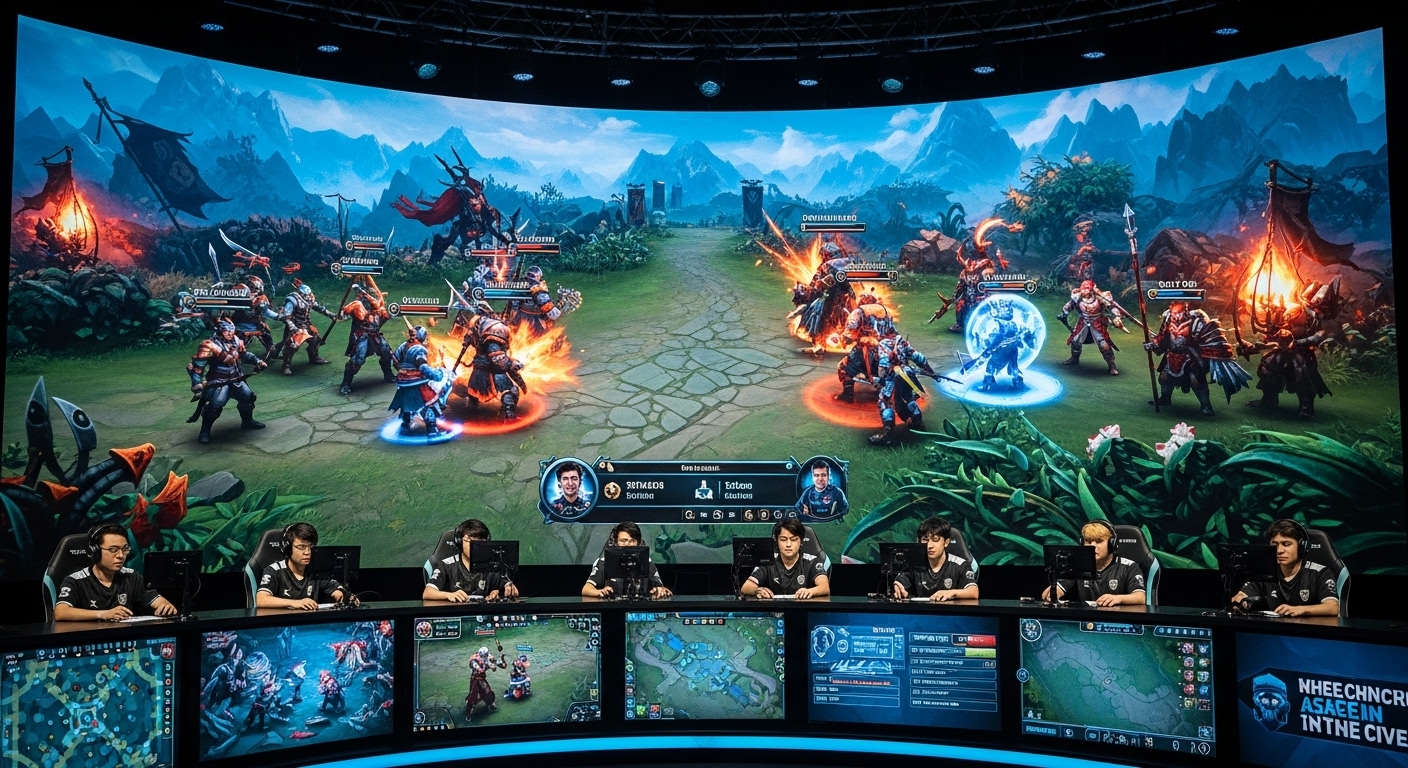
The future of esports looks incredibly promising. As technology continues to advance, the experience of competitive gaming will become even more immersive. Virtual reality and augmented reality are expected to play a significant role in the next generation of esports, offering players and viewers entirely new ways to engage with the game.
The growth of mobile gaming also presents exciting opportunities for esports. Mobile esports tournaments, such as those for games like “PUBG Mobile” and “Clash Royale,” are already attracting large audiences and may expand to rival PC and console gaming in the near future.
As esports becomes further entrenched in global culture, the inclusion of esports in major international competitions such as the Olympics could become a reality. Efforts to include esports in events like the Asian Games have already begun, and as the industry continues to grow, it is likely that esports will find a permanent place in the traditional sports landscape.
Conclusion
Esports has come a long way since its humble beginnings in the 1980s. From casual gatherings to world-renowned tournaments, it has transformed into a global industry, attracting millions of players and fans, along with significant investments from major corporations. The professionalization of esports, along with the rise of online streaming platforms and the increasing cultural relevance of gaming, has cemented esports as a mainstream entertainment option.
As esports continues to grow, it will not only reshape the future of gaming but also the future of sports, entertainment, and even social interaction. Its widespread appeal, economic potential, and cultural impact ensure that esports is here to stay. What was once a niche hobby has become a worldwide