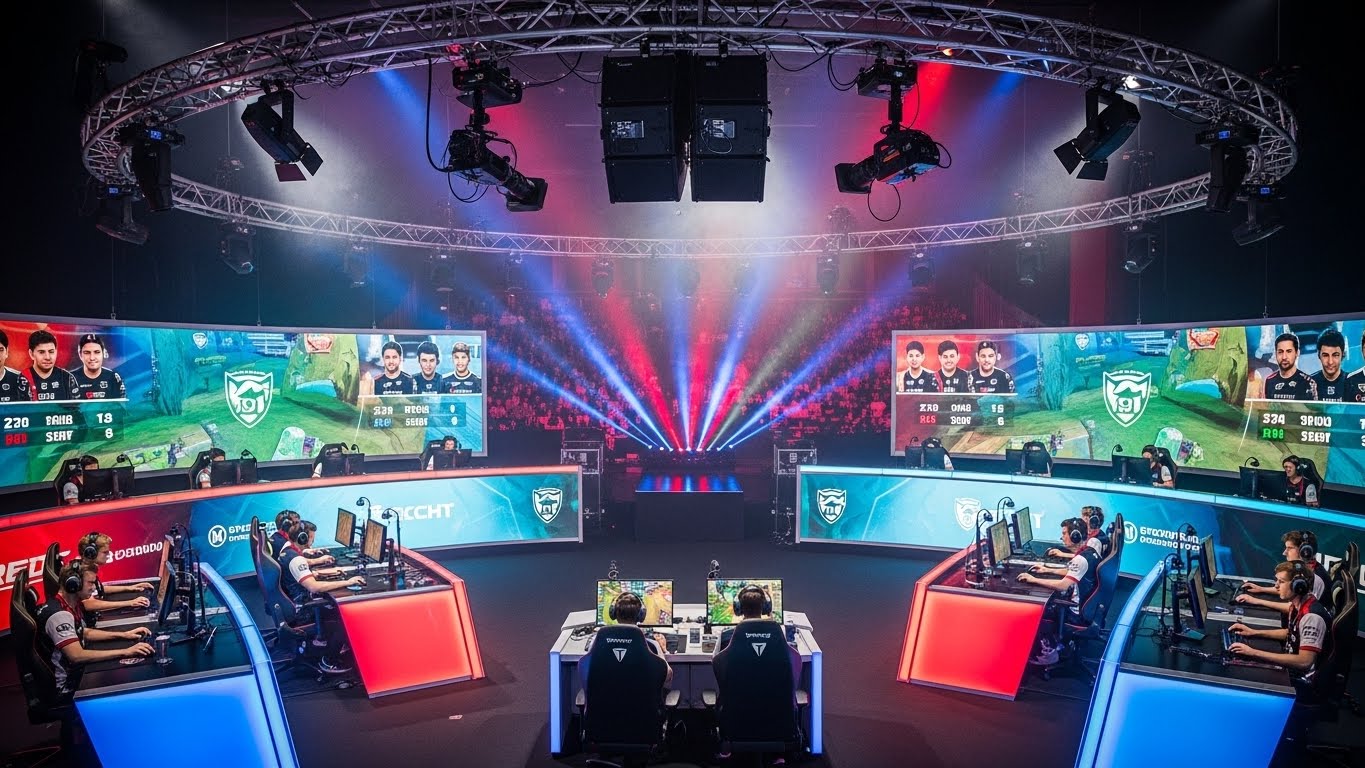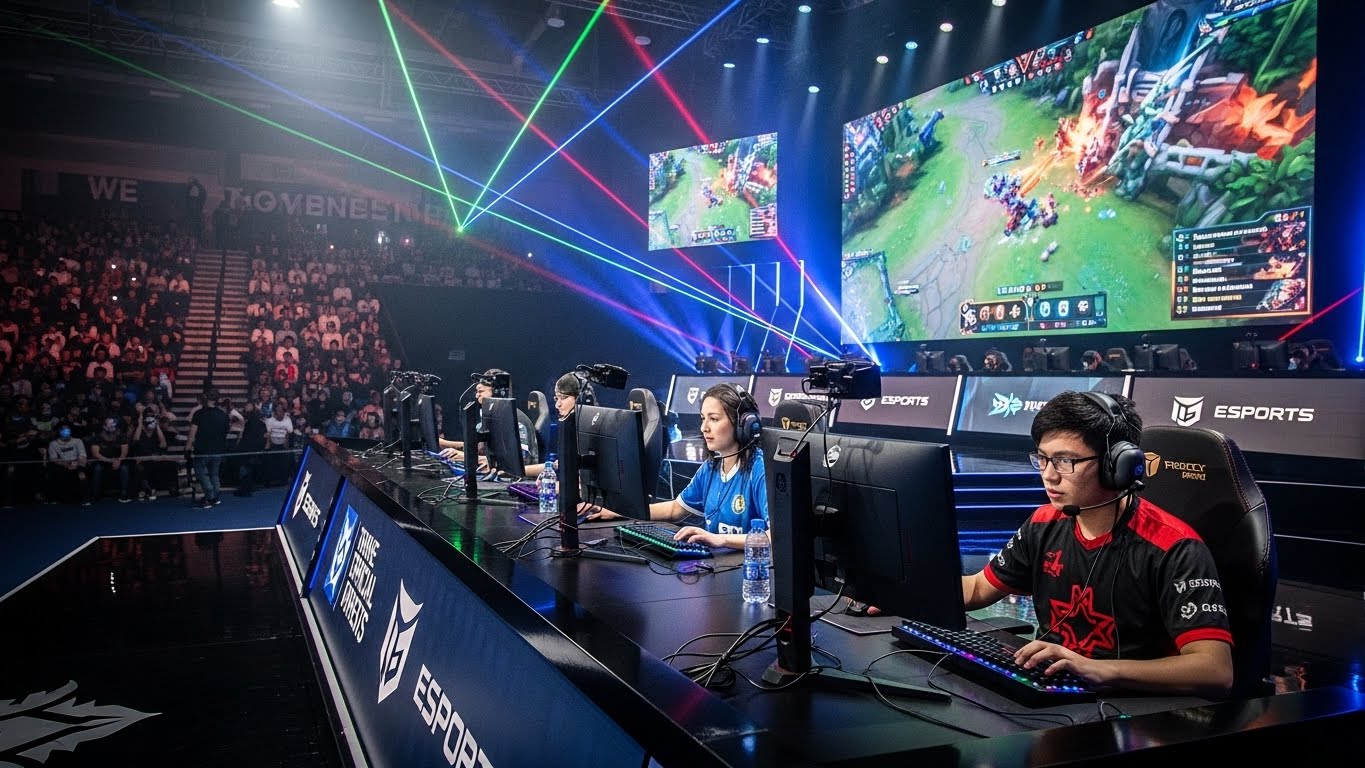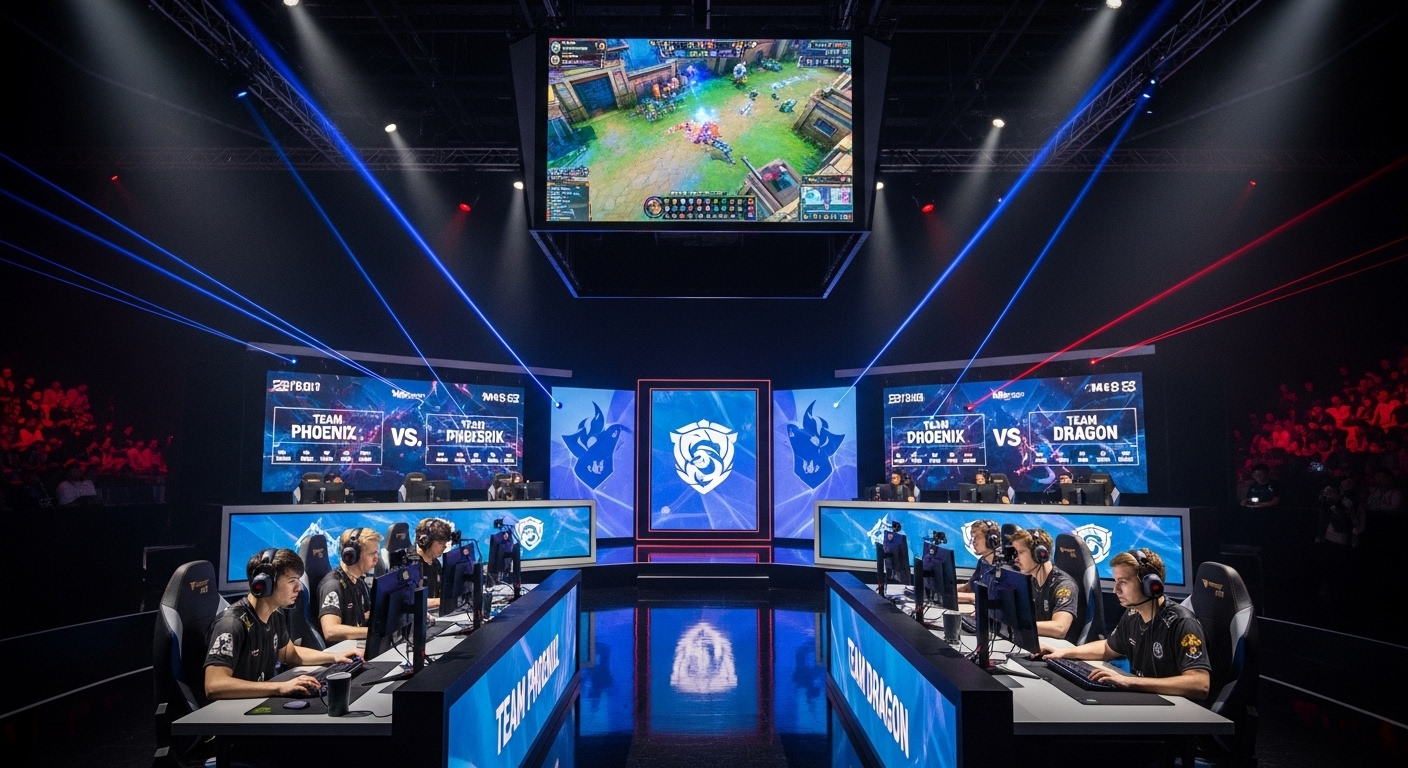
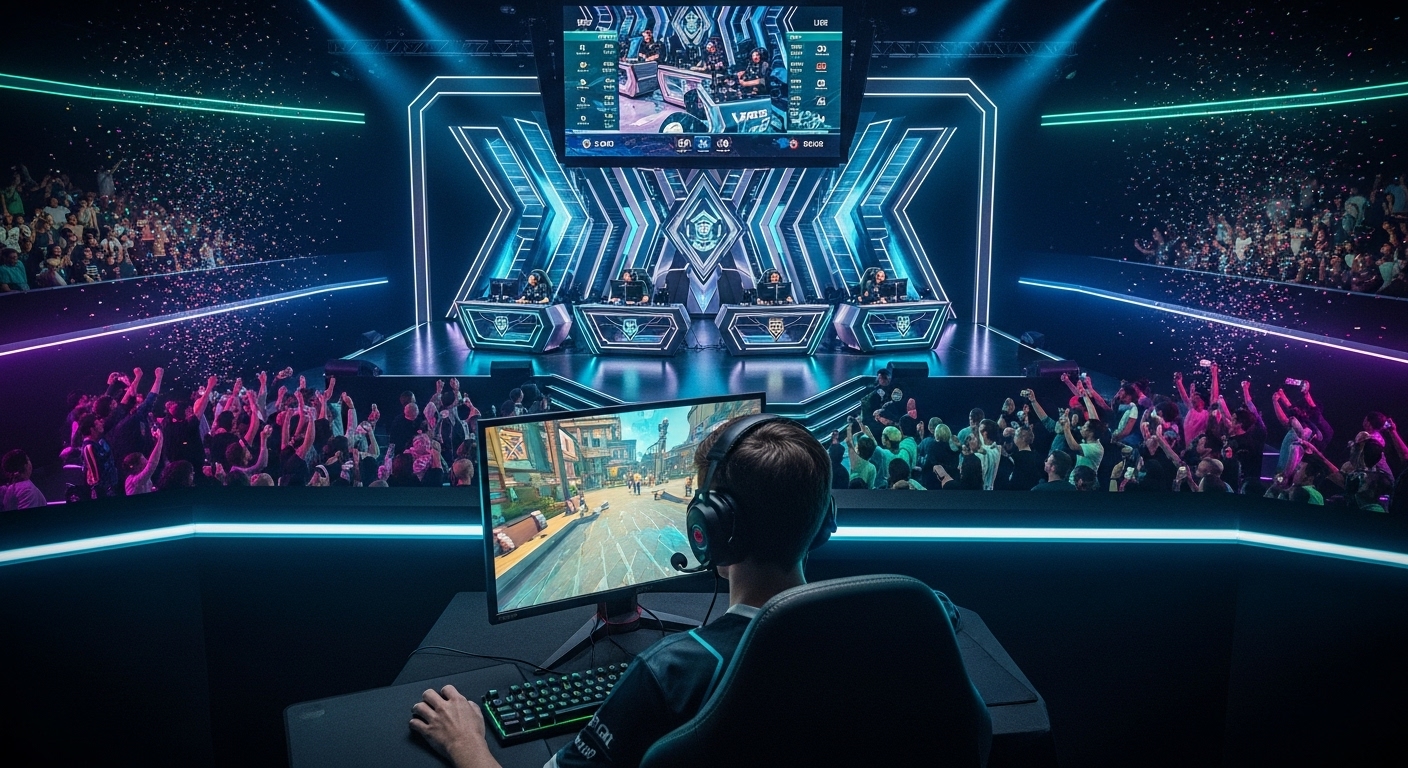
In the early days of video gaming, few could have imagined that competitive gaming would one day rival traditional sports in viewership, sponsorship, and cultural influence. Yet here we are, living in an age where esports—short for electronic sports—has become a multi-billion-dollar industry, drawing millions of fans across the globe. What was once considered a pastime for teenagers in dimly lit basements has evolved into a highly professional, international entertainment empire.
Esports now fills arenas, drives conversations, and shapes digital culture in profound ways. The story of esports is not just about gaming; it’s about technology, community, and the evolution of entertainment itself. To understand its significance, one must trace its journey from humble beginnings to its current place on the global stage.
The Humble Beginnings of Competitive Gaming
The roots of esports stretch back further than most people realize. The first recorded video game competition took place in 1972 at Stanford University, where students competed in a game called Spacewar!. The prize? A year’s subscription to Rolling Stone magazine. While that small event may seem insignificant compared to today’s multimillion-dollar tournaments, it laid the foundation for a culture of competition that would flourish over the decades.
By the 1980s, arcade games such as Pac-Man and Donkey Kong popularized the idea of high scores and leaderboards. Players began to compete for glory rather than prizes, and gaming magazines would publish the names of those who achieved the highest scores. In many ways, this was the first taste of fame for competitive gamers. It was also the era that birthed the first “professional” gamers—those whose reputations rested on their skills.
The 1990s: The Internet Era and the Rise of Multiplayer Games
The 1990s marked a turning point for esports. As home computers and the internet became more accessible, multiplayer games began to flourish. Titles like Doom, Quake, and StarCraft offered the first glimpses of what online competition could look like. LAN parties—where players gathered to connect their computers and compete—became a cultural phenomenon.
It was during this period that competitive gaming communities began forming online, setting the stage for organized tournaments. South Korea, in particular, became a powerhouse. The government’s investment in broadband infrastructure during the late 1990s helped create a fertile ground for online gaming. The release of StarCraft in 1998 sparked a nationwide craze, with professional players, coaches, and even dedicated television channels broadcasting matches. This was the beginning of esports as a professional industry.
The 2000s: The Birth of Professional Esports Organizations
By the early 2000s, competitive gaming had grown beyond small tournaments and LAN parties. Major international competitions such as the World Cyber Games (WCG) and Electronic Sports World Cup (ESWC) began attracting global audiences. These events introduced standardized rules, sponsorship deals, and significant cash prizes.
Games like Counter-Strike, Warcraft III, and Halo became staples of competitive gaming. Players began to form teams, secure sponsorships, and travel internationally to compete. This was the era when esports started to resemble traditional sports more closely, complete with managers, coaches, and dedicated training schedules.
The 2000s also marked the rise of online streaming platforms and video-sharing sites, which allowed fans to follow their favorite players and teams more easily. YouTube, launched in 2005, became a crucial platform for sharing highlight reels and tutorials. However, it would be a few more years before streaming truly revolutionized esports viewership.
The Streaming Revolution: How Twitch Changed Everything
In 2011, a new platform called Twitch launched, focusing specifically on live streaming video games. It was a game-changer—literally and figuratively. For the first time, fans could watch live matches, interact with players, and participate in the community in real-time. Twitch didn’t just provide a new way to consume esports; it created an entirely new culture around it.
Tournaments that once drew thousands now attracted millions. Streamers became celebrities, earning sponsorships and building communities around their content. Esports organizations saw a massive influx of viewership and revenue. Twitch gave esports the visibility it needed to transition from a niche market to mainstream entertainment.
The Growth of Major Esports Titles
As esports gained traction, certain games emerged as pillars of the competitive scene. League of Legends, released in 2009, became one of the first esports to achieve global popularity. Its developer, Riot Games, invested heavily in building a structured competitive ecosystem, complete with leagues, franchised teams, and international tournaments.
Similarly, Dota 2, developed by Valve, introduced The International, an annual tournament with multi-million-dollar prize pools funded largely by the community through in-game purchases. Counter-Strike: Global Offensive, Overwatch, and Call of Duty followed suit, each developing their own professional leagues and fanbases.
These titles helped standardize esports as a spectator experience. The production quality of tournaments improved dramatically, with professional commentary, high-end graphics, and analysis comparable to traditional sports broadcasts. Fans could follow storylines, rivalries, and dramatic upsets just as they would in football or basketball.
Esports as a Career: Players, Coaches, and Beyond
What once seemed like a hobby has now become a legitimate career path. Professional esports players can earn salaries comparable to athletes in traditional sports. Top players in League of Legends, Dota 2, and CS:GO earn hundreds of thousands annually, not including sponsorships and prize money.
But it’s not just players who make up the esports ecosystem. There are coaches, analysts, event organizers, broadcasters, and content creators who contribute to the industry. Universities around the world now offer scholarships for esports players, recognizing the skill, dedication, and teamwork required to compete at a high level.
This professionalization has also brought structure and stability. Many esports organizations operate like professional sports franchises, complete with training facilities, psychologists, nutritionists, and marketing teams. The industry has matured beyond simple competition—it’s now a complex entertainment ecosystem.
The Globalization of Esports
One of the most remarkable aspects of esports is its global reach. Unlike traditional sports, which often have regional dominance, esports is inherently international. Players from Asia, Europe, North America, and beyond compete against each other in real-time. This global nature has fostered cultural exchange and mutual respect among gamers from diverse backgrounds.
Countries like South Korea, China, and the United States dominate the esports landscape, but emerging regions in Southeast Asia, South America, and the Middle East are rapidly catching up. Governments have begun recognizing esports as an official sport, investing in infrastructure and education programs to support their growth.
Global tournaments like The International and the League of Legends World Championship attract viewership numbers comparable to major traditional sporting events. For instance, the League of Legends World Finals regularly surpasses 100 million viewers worldwide—an extraordinary figure that demonstrates esports’ immense appeal.
The Role of Technology in Esports Development
Esports owes much of its success to technological advancements. The rise of high-speed internet, powerful gaming PCs, and advanced streaming technologies made real-time competition possible. Moreover, virtual reality (VR), augmented reality (AR), and artificial intelligence (AI) are opening new frontiers for both players and spectators.
AI-driven analytics tools now help teams analyze gameplay data to improve strategies. Virtual production tools enhance the viewing experience, blending digital environments with real-world broadcasts. The use of immersive technologies allows fans to experience matches in ways that were unimaginable a decade ago.
Technology has also democratized access to esports. Cloud gaming platforms enable players from regions with limited hardware access to participate in global competitions. This inclusivity has fueled the industry’s expansion into new markets and demographics.
The Esports Economy: Sponsorships, Advertising, and Investment
The esports industry’s financial growth is nothing short of remarkable. Once driven primarily by passion and community, it now attracts major corporate sponsors, media networks, and investors. Companies from tech giants to beverage brands see esports as a valuable marketing avenue to reach younger audiences.
Sponsorships form the backbone of esports revenue, but media rights, merchandise, ticket sales, and digital goods also contribute significantly. Some of the world’s largest sports organizations, including football clubs and NBA teams, have invested in esports franchises. This crossover between traditional sports and gaming reflects the industry’s legitimacy and future potential.
Esports has also influenced the entertainment sector. Music artists collaborate with game developers for virtual concerts and events within game worlds, blurring the line between gaming and other forms of media. The economic ripple effect extends to content creators, streamers, and small businesses catering to the gaming community.
Challenges Facing the Esports Industry
Despite its rapid growth, esports faces several challenges that must be addressed for long-term sustainability. One of the most pressing issues is player burnout. The intense schedule, travel demands, and mental strain of constant competition take a toll on players’ health.
There are also concerns about stability and regulation. Unlike traditional sports governed by established federations, esports often depends on game publishers who control the rules, structure, and economics. This lack of standardized governance can lead to inconsistencies in pay, contracts, and competitive fairness.
Cheating and match-fixing, fueled by the digital nature of esports, have occasionally tarnished the industry’s image. Anti-cheat technologies and stricter oversight are improving the situation, but integrity remains a constant priority.
Lastly, while esports is inclusive in many ways, it still struggles with gender representation. Women in esports face unique challenges, from underrepresentation to online harassment. Promoting diversity and inclusivity remains a key goal for the industry’s future.
The Social and Cultural Impact of Esports
Esports is more than just entertainment—it’s a cultural movement. It has redefined what it means to be an athlete, what it means to be a fan, and even what it means to socialize in the digital age. Millions of young people around the world find identity and belonging in gaming communities.
Esports has also become a tool for education and personal growth. It teaches teamwork, strategic thinking, and perseverance. Some schools have integrated esports into their curriculum to foster these skills. The industry’s influence on popular culture is undeniable; esports players now grace magazine covers, appear in advertisements, and are recognized as celebrities.
Streaming platforms and social media have made esports more interactive than any traditional sport. Fans can chat directly with players, donate to support their favorite teams, and participate in online events. This level of engagement has built a deeply loyal fanbase and transformed esports into a participatory culture.
The Future of Esports
Looking ahead, the future of esports appears boundless. With advancements in technology, continued investment, and growing mainstream acceptance, esports is poised to become one of the defining industries of the 21st century.
Virtual reality and augmented reality may soon revolutionize how players compete and how audiences watch. Mobile esports, already massive in regions like Asia and South America, will continue to grow as smartphones become more powerful. Cloud gaming will make high-level competition accessible to anyone with an internet connection.
The integration of blockchain technology could also reshape esports economics, introducing new models for ownership, digital collectibles, and decentralized tournaments. As the lines between gaming, entertainment, and social interaction blur further, esports may evolve into something even bigger than sports as we know them today.
Esports and the Redefinition of Sportsmanship
A common debate surrounding esports is whether it qualifies as a “real” sport. While it may not involve physical exertion in the traditional sense, it demands exceptional mental agility, reflexes, coordination, and strategy. Esports athletes train for hours each day, adhere to strict regimens, and compete at the highest levels of pressure.
Sportsmanship in esports is about discipline, respect, and performance under stress—the same principles that define any other athletic endeavor. As technology and society evolve, the definition of sport itself expands. Esports has already proven that human competition can thrive in digital spaces just as powerfully as in physical ones.
Conclusion: The Game That Never Ends
Esports represents more than just a new form of entertainment—it symbolizes a global shift in how humans play, connect, and compete. It bridges generations, cultures, and technologies. From its humble beginnings at Stanford University to sold-out stadiums and massive online audiences, esports has become a mirror of our digital age.
The rise of esports demonstrates the power of passion, innovation, and community. It shows how technology can transform simple play into global spectacle, how dedication can turn hobbies into careers, and how the digital world can unite people across borders.
As we move further into the future, esports will continue to evolve, inspire, and redefine the boundaries of competition. The game, in many ways, has only just begun.