
Introduction
Esports, short for electronic sports, has transformed from a niche hobby into a global industry that rivals traditional sports in viewership, sponsorship, and cultural influence. Once confined to arcades and small online communities, competitive gaming now boasts professional leagues, international tournaments, and multi-million-dollar prize pools. Its rapid growth reflects broader technological, cultural, and social shifts, highlighting how interactive entertainment can become a legitimate and influential form of competition.
The appeal of esports lies in its combination of skill, strategy, teamwork, and spectacle. Players compete in diverse genres, from fast-paced shooters to complex multiplayer online battle arenas. Esports is not only about the games themselves but also about the communities, media, and careers that have grown around them. This blog explores the origins, evolution, structure, and impact of esports while examining its cultural, social, and economic significance.
Early Beginnings of Competitive Gaming
Competitive gaming can be traced back to the 1980s with arcade games like Pac-Man, Donkey Kong, and Space Invaders. High score competitions provided players with recognition and bragging rights, turning casual gaming into an early form of organized competition. These early contests, though limited in scale, laid the groundwork for esports as a form of entertainment and competition.
The 1990s brought the rise of PC gaming, introducing more complex and strategic gameplay. Games such as Quake, StarCraft, and Counter-Strike allowed players to compete over networks, expanding competitions beyond local communities. Internet connectivity enabled players to challenge opponents across cities, countries, and eventually continents, creating the foundation for global esports tournaments.
During this era, esports was primarily community-driven. Enthusiasts organized their own competitions, forming clubs and leagues. Even without major financial backing, these communities demonstrated the potential for competitive gaming to evolve into a professional and widely recognized form of entertainment.
The Professionalization of Esports
The early 2000s marked a turning point in the growth of esports. South Korea became a pioneer with StarCraft, which developed into a national obsession. Dedicated leagues, televised matches, and gaming arenas emerged, establishing esports as a recognized profession. Top players gained celebrity status, and corporate sponsorships began to support teams, tournaments, and events.
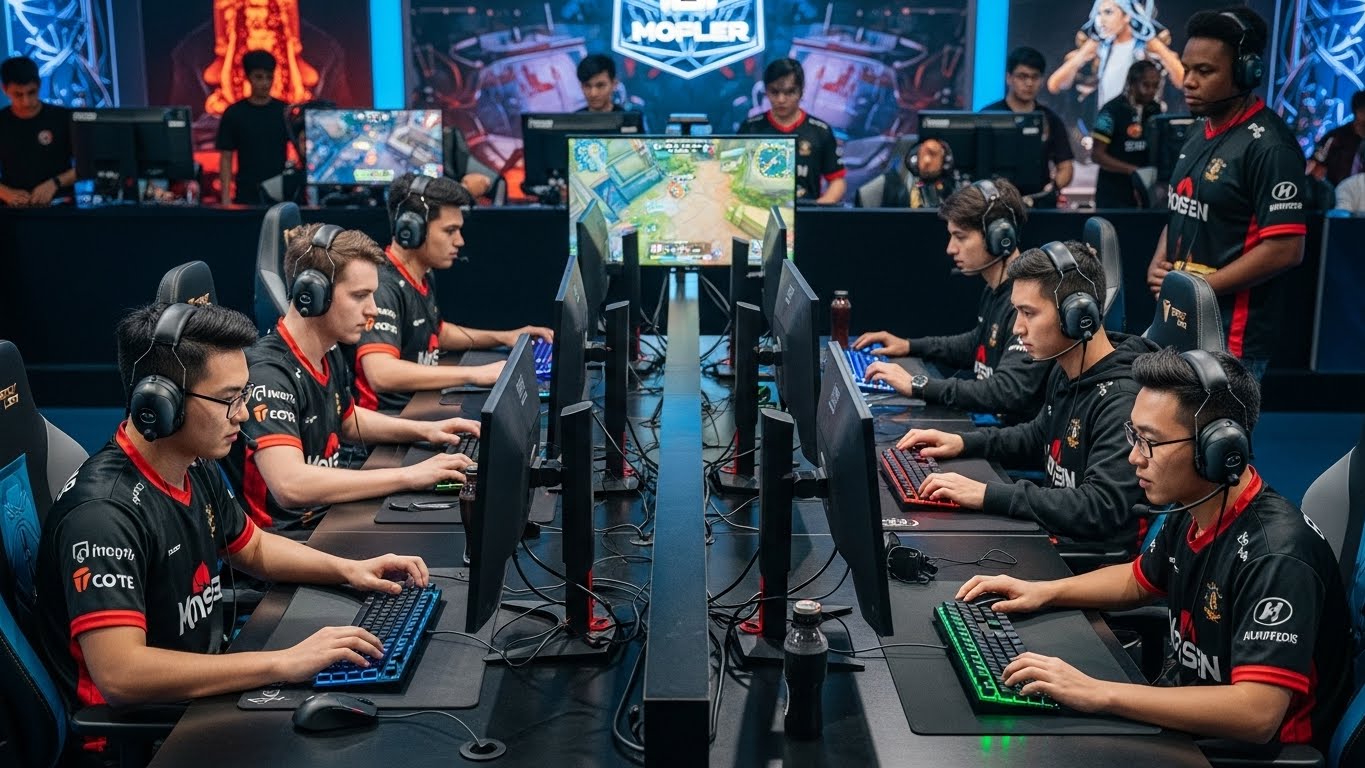
In North America and Europe, games like Counter-Strike, Dota 2, and League of Legends led the professionalization of esports. Professional teams emerged with full staff including coaches, analysts, and managers. Tournaments began offering substantial prize money, attracting the best talent from around the world.
Professionalization legitimized esports as a career. Players signed contracts, received salaries, and competed in structured leagues with seasonal formats, playoffs, and championship events. Esports events started to mirror traditional sports in terms of organization, media coverage, and audience engagement.
Popular Esports Genres
Esports encompasses multiple genres, each with unique gameplay, strategies, and audiences. Understanding these genres highlights the diversity and depth of the industry.
Multiplayer Online Battle Arenas (MOBAs)
MOBAs like League of Legends and Dota 2 are team-based strategy games where players control characters with unique abilities. The objective is to work collectively to destroy the opposing team’s base. MOBAs require coordination, strategic thinking, and precise execution, making them highly engaging for players and viewers alike.
First-Person Shooters (FPS)
FPS games such as Counter-Strike: Global Offensive, Valorant, and Call of Duty emphasize reaction time, aiming skill, and tactical awareness. Matches are fast-paced, often producing thrilling moments that captivate audiences. FPS esports have developed into major competitive arenas with leagues, international tournaments, and strong fan engagement.
Real-Time Strategy (RTS)
RTS games like StarCraft II challenge players to manage resources, build armies, and execute strategies in real-time. RTS esports require both critical thinking and quick decision-making, offering an intellectually demanding yet highly entertaining experience for players and spectators.
Sports Simulations
Sports simulation games, including FIFA and NBA 2K, bring traditional sports into the digital realm. Players simulate real-world competitions, often following professional sports structures. Sports simulations appeal to fans of both gaming and traditional athletics, expanding esports’ reach to new audiences.
Battle Royale and Other Genres
Battle royale games such as Fortnite and PUBG combine survival, strategy, and combat in large-scale matches. Adaptability, quick decision-making, and teamwork are essential for success. Other esports genres include fighting games, racing simulations, and collectible card games, all of which contribute to the broad appeal of competitive gaming.
The Structure of Esports Leagues
Modern esports leagues operate with organization and professionalism similar to traditional sports. Teams compete in structured seasons, leading to playoffs and championship events. Notable leagues include the League of Legends Championship Series (LCS), Overwatch League (OWL), and Call of Duty League (CDL).
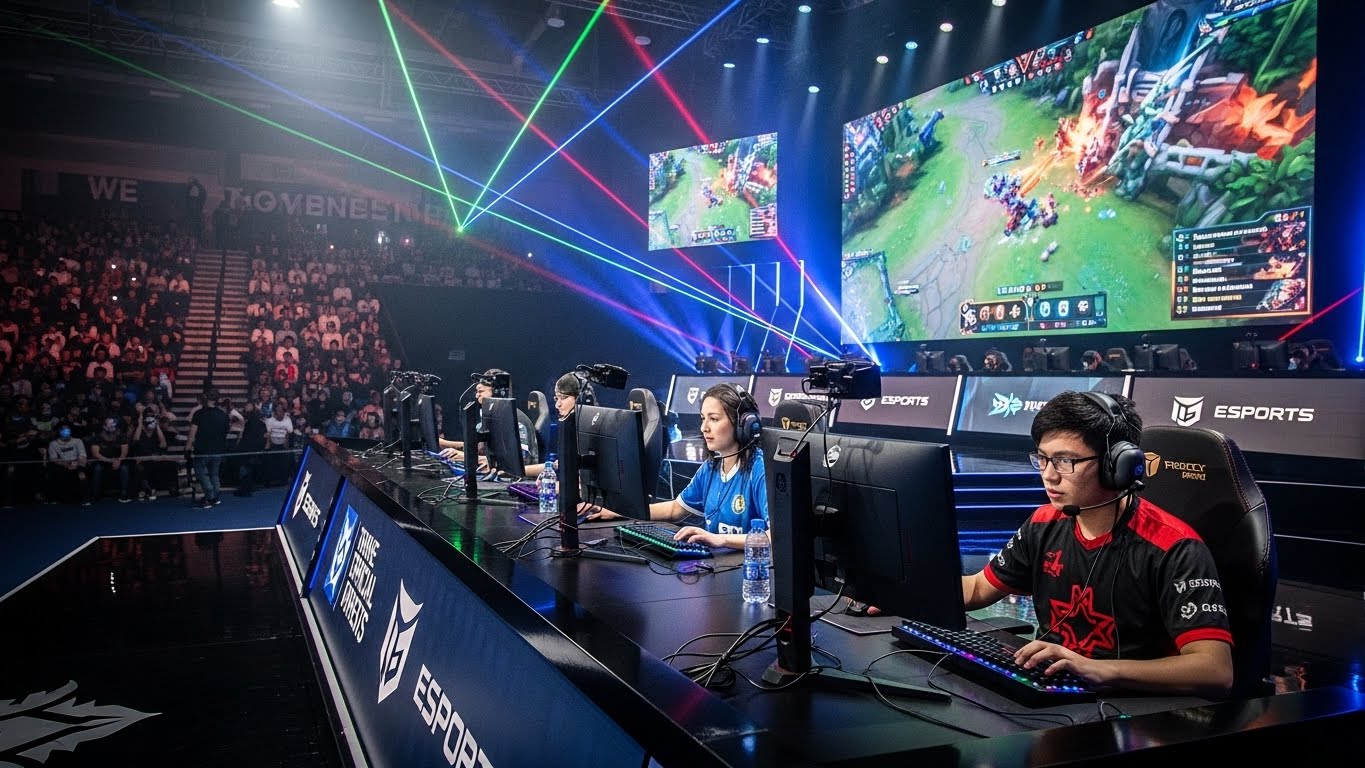
Tournaments often combine online qualifiers with live finals, attracting global audiences. Grand events such as The International for Dota 2 and the Fortnite World Cup offer multi-million-dollar prize pools. High production value, including commentary, stage design, and interactive fan experiences, makes esports events immersive and entertaining.
Professional players undergo rigorous training schedules akin to traditional athletes. Teams employ coaches, analysts, and support staff to optimize performance. Practice involves strategy, teamwork, and mental conditioning, demonstrating the dedication and discipline required to succeed at the highest level.
The Business of Esports
Esports has evolved into a multi-billion-dollar industry with diverse revenue streams. Sponsorships, advertising, media rights, merchandise, and prize winnings form the economic backbone of the industry.
Brands invest in esports as a marketing platform due to the highly engaged and tech-savvy audience. Sponsorships integrate products into teams, tournaments, and content in a way that resonates with fans. Media rights for broadcasting tournaments and streaming events provide additional revenue, while merchandising of team apparel, peripherals, and in-game items strengthens fan loyalty.
The combination of fan engagement, brand investment, and global reach has created a sustainable business model that continues to grow rapidly.
The Role of Streaming Platforms
Streaming platforms such as Twitch, YouTube Gaming, and Facebook Gaming have been crucial in the rise of esports. They allow audiences to watch live gameplay, interact with players, and participate in digital communities.
Streaming democratizes esports by providing exposure to amateur players, enabling them to build audiences and pursue professional opportunities. Content creators enhance the ecosystem by entertaining fans, providing analysis, and promoting games and tournaments.
Commentary, or casting, adds narrative, excitement, and professional insight to esports broadcasts. Casters highlight key moments, explain strategies, and enhance the overall spectator experience, making esports matches more engaging and accessible to diverse audiences.
Community and Fan Culture
Community is at the heart of esports. Fans are active participants, engaging through social media, forums, fan content, and live events. Cosplay, fan art, and community tournaments create a culture that extends beyond professional play.
Online communities offer support, mentorship, and guidance for aspiring players. Inclusivity is a hallmark of esports, allowing participation from individuals of diverse backgrounds and regions. Community engagement fosters loyalty and strengthens the bond between fans and the esports ecosystem.
Fan culture is essential for the industry’s growth. Enthusiastic audiences invest in tournaments, merchandise, and streaming content, helping to sustain teams and organizations while creating a vibrant and interactive environment.
Social and Cultural Impact of Esports
Esports has cultural, social, and educational significance. It challenges traditional definitions of sports and athleticism, emphasizing mental acuity, strategy, and teamwork. Professional esports careers provide opportunities beyond playing, including coaching, broadcasting, and event management.
Educational institutions now offer esports scholarships and programs in game design, management, and digital media. Esports also fosters social initiatives, including charity tournaments, awareness campaigns, and community-building projects, demonstrating its broader societal value.
By connecting global audiences, esports promotes cross-cultural understanding and collaboration. Players and fans from diverse backgrounds engage on equal footing, contributing to a shared digital culture.
Challenges Facing Esports
Despite its growth, esports faces challenges. Player burnout and mental health issues are significant due to long training hours and competitive pressure. Regulatory concerns, including cheating, match-fixing, and fair play, require ongoing oversight.
The commercialization of esports introduces tension between profitability and authenticity. Maintaining integrity while scaling globally is a critical concern. Infrastructure and access to technology in certain regions also create disparities in opportunities for players and teams.
Sustainability, ethical considerations, and maintaining community engagement are ongoing challenges that the industry must address to ensure long-term growth and credibility.
The Future of Esports
The future of esports is promising, driven by technological innovations, global expansion, and cultural integration. Virtual reality and augmented reality may introduce immersive experiences, allowing fans to engage in competitions in novel ways.
Global expansion will continue, with emerging markets contributing new talent, teams, and audiences. Artificial intelligence and data analytics will enhance training, performance evaluation, and strategic development, raising competitive standards.
Esports will increasingly blend with mainstream entertainment, education, and sports, creating hybrid experiences that are interactive, participatory, and culturally relevant. The industry’s adaptability and accessibility ensure that esports will remain a central pillar of digital entertainment.
Conclusion
Esports has evolved from small-scale gaming competitions into a global entertainment powerhouse. It combines skill, strategy, teamwork, and community engagement while offering professional career opportunities and cultural significance.
Professional leagues, tournaments, streaming platforms, and fan communities create a dynamic ecosystem that mirrors traditional sports while embracing the unique advantages of digital media. Esports challenges traditional notions of competition, fosters global connections, and provides entertainment that is interactive and immersive.
The industry faces challenges in sustainability, mental health, and ethics, but its potential for growth and influence is undeniable. As esports continues to innovate and expand, it will remain a defining force in the world of entertainment, shaping digital culture and inspiring new generations of players and fans.