Introduction: Esports as a Modern Phenomenon
In the past decade, esports has evolved from a niche hobby into a global phenomenon, drawing millions of players and fans across continents. Competitive gaming is no longer limited to bedroom setups or local LAN parties—it has become a professional, organized, and highly lucrative industry. Esports blends technology, strategy, and entertainment in a way that appeals to people of all ages and backgrounds. Beyond the excitement of watching skilled players compete, esports has created careers, forged communities, and even influenced education and culture on a global scale.
The Origins of Esports
Esports has its roots in the early days of video gaming. Arcade games in the 1980s, like Space Invaders and Pac-Man, were some of the first platforms for competitive gaming. By the 1990s, PC games such as Doom, StarCraft, and Counter-Strike became the foundation of organized competition. Players formed teams, developed strategies, and competed in tournaments that gained local and regional attention. The advent of online multiplayer gaming accelerated esports’ growth, allowing competitors to play against each other regardless of geography. Streaming platforms in the 2010s transformed these competitions into globally accessible spectacles, turning esports into a worldwide cultural movement.
Professionalization of Esports
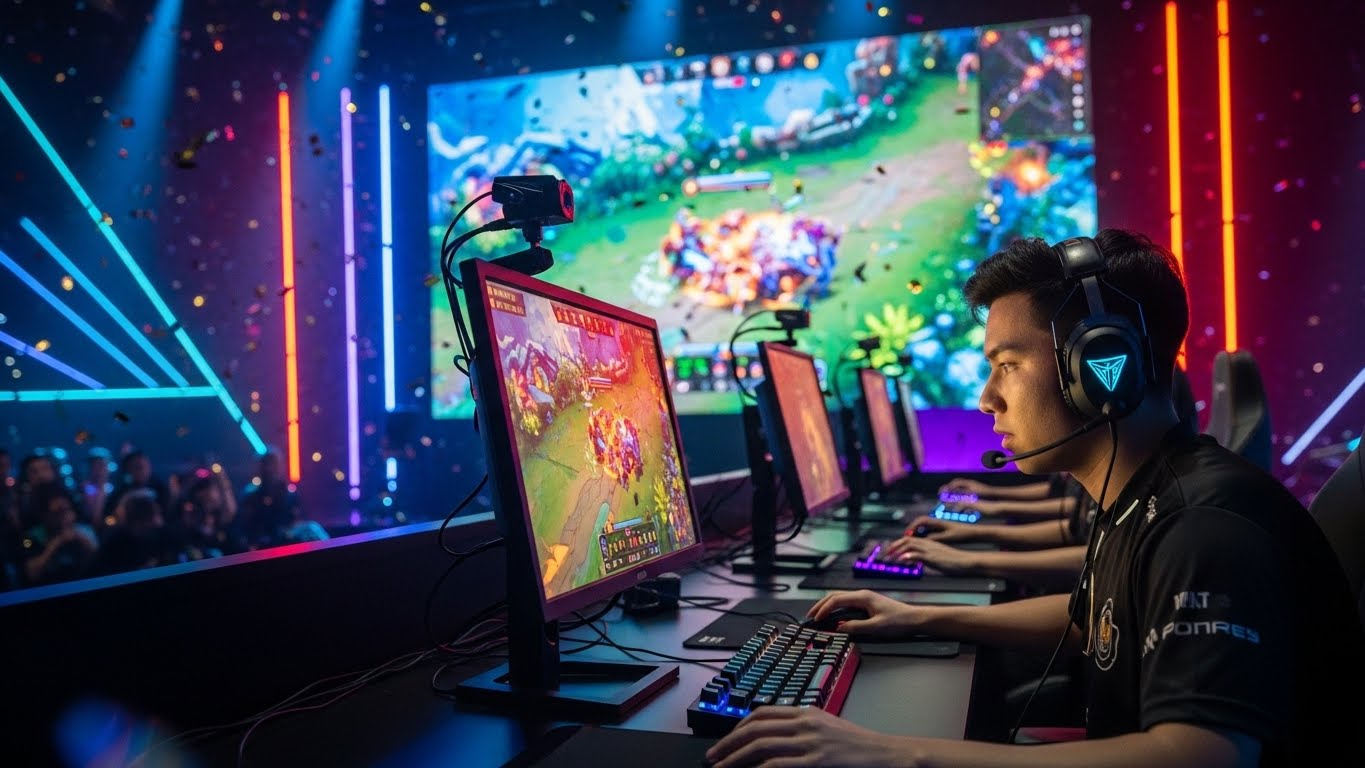
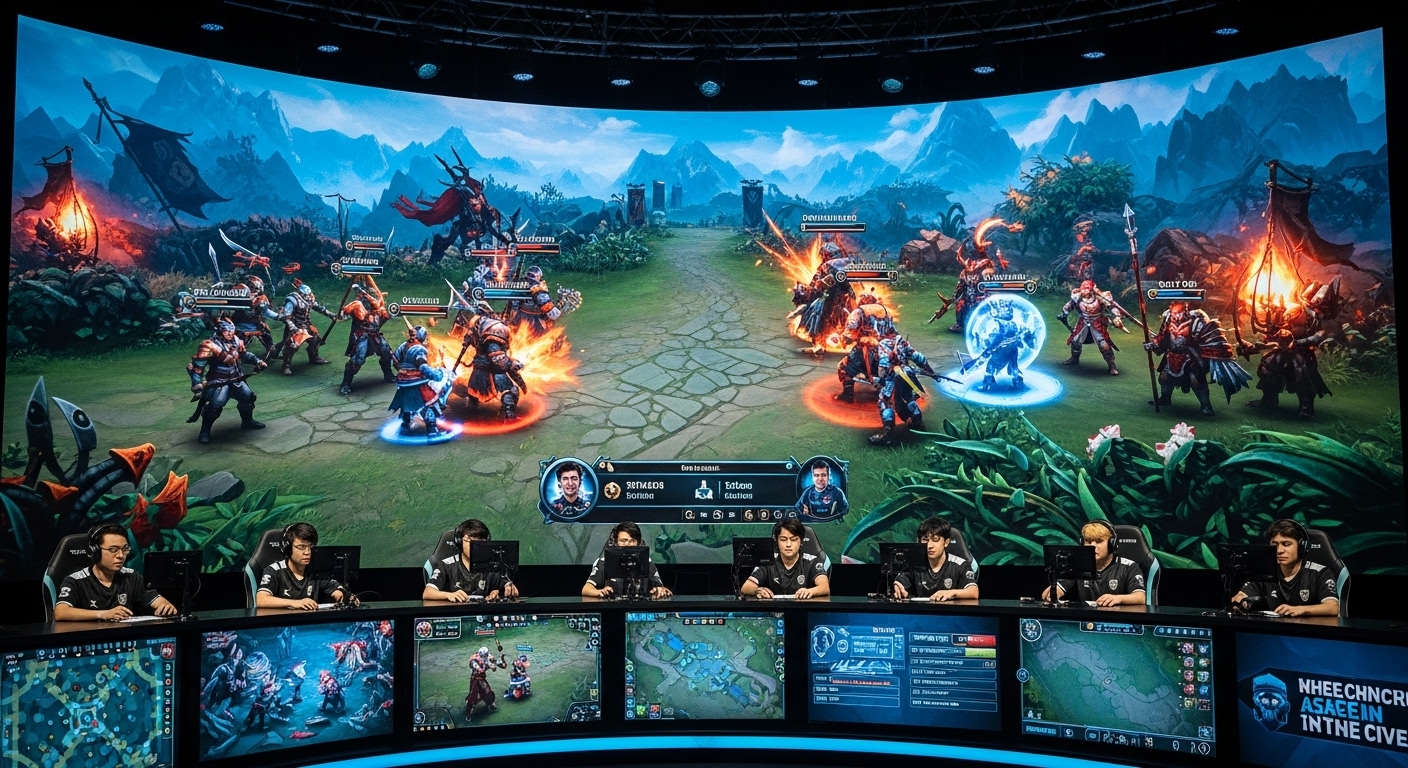
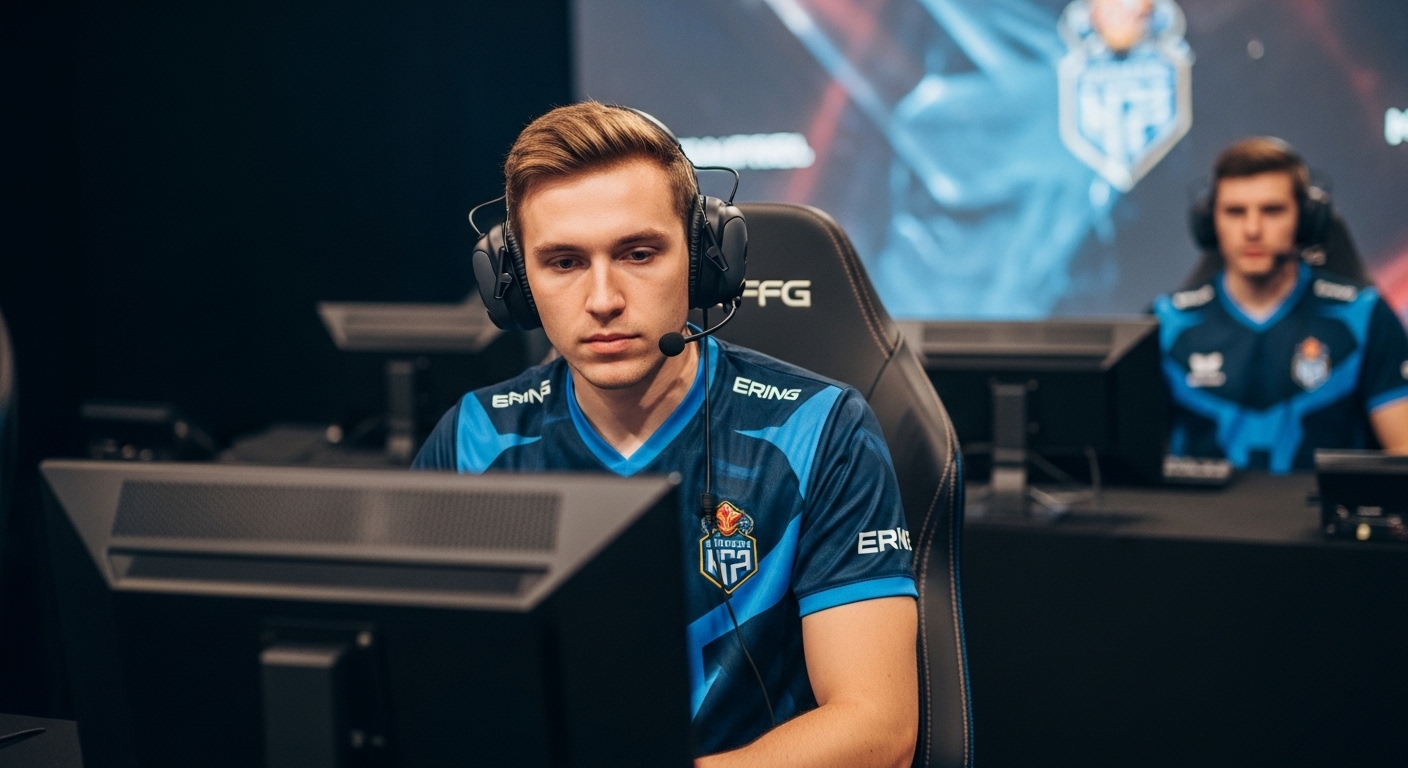
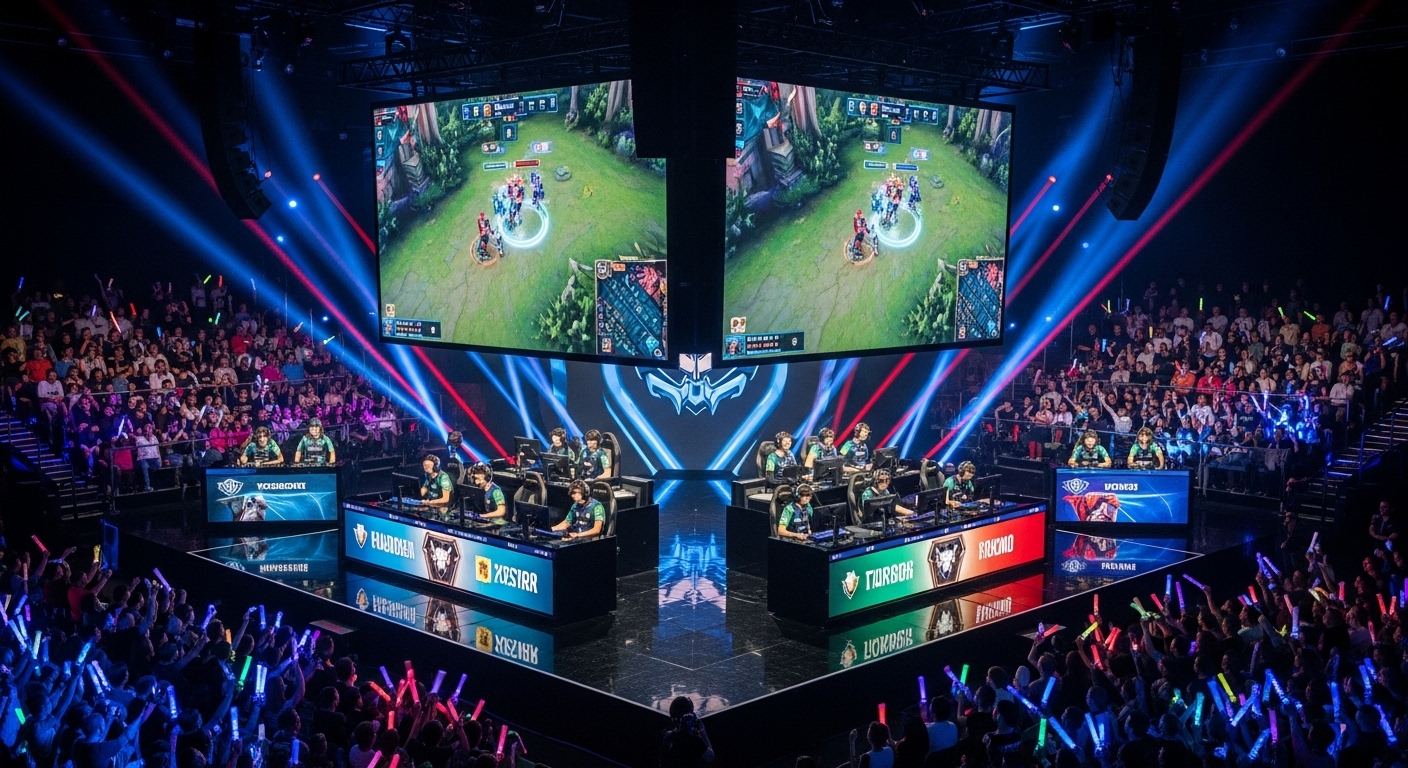
Today, esports is a professional industry. Players train rigorously, often for eight to twelve hours a day, much like athletes in traditional sports. Teams have coaches, analysts, nutritionists, and psychologists to maximize performance. Major tournaments, such as the League of Legends World Championship, Dota 2’s International, and the Fortnite World Cup, offer multi-million-dollar prize pools, attracting global audiences and media attention. Sponsorships and brand partnerships provide financial stability for professional players, while team organizations focus on long-term career development. The professionalization of esports has created a structured ecosystem where talent, dedication, and strategic thinking are rewarded.
The Physical and Mental Demands of Esports
While esports may appear sedentary, it requires significant physical and mental discipline. Players must maintain peak reflexes, hand-eye coordination, and precision. Mental agility is critical for making rapid decisions, adapting strategies, and anticipating opponents’ moves. Long gaming sessions require proper posture, ergonomic setups, and exercise routines to prevent repetitive strain injuries and fatigue. Mental resilience is equally important—players face pressure from high-stakes competitions, public scrutiny, and the expectation to consistently perform at elite levels. The combination of mental focus, strategic planning, and physical care underscores the demanding nature of esports.
Social Impact and Community Building
Esports is not just about competition; it is a social phenomenon. Online multiplayer platforms foster communities where players from diverse backgrounds interact, collaborate, and form lasting friendships. Local and regional tournaments offer opportunities for in-person engagement, strengthening social bonds. Esports has democratized competition, allowing anyone with talent, determination, and access to technology to compete at high levels. Community involvement through fan forums, live chats, and social media streams creates an inclusive environment where shared experiences connect players and fans across the globe.
Esports in Education
Educational institutions have recognized the potential of esports to develop skills and provide opportunities for students. Many schools and universities now offer esports programs, complete with coaching, scholarships, and organized teams. Participation in esports enhances cognitive skills such as critical thinking, strategic planning, problem-solving, and teamwork. Students also learn leadership, time management, and communication skills through competitive play. By integrating esports into education, institutions provide students with opportunities to pursue their passions while preparing for careers in gaming, technology, and media industries.
Economic Significance of Esports
Esports has become a major contributor to the global economy. The industry generates revenue through tournament prize pools, sponsorships, merchandising, ticket sales, and streaming subscriptions. Streaming platforms allow fans to support players directly, creating new avenues for monetization. Esports organizations employ thousands of people worldwide, including professional players, coaches, analysts, content creators, event organizers, and marketing professionals. The industry’s economic footprint extends beyond competitions, influencing tourism, digital marketing, and software development. As esports continues to expand, its financial impact is expected to rival traditional sports.
Esports as a Cultural Force
Esports is more than just a game; it is a cultural movement. Gaming conventions, tournaments, and online streams create a shared space for fans to celebrate their passion. Esports influences music, fashion, entertainment, and social media trends, bridging digital and mainstream culture. Fans develop loyalty to teams, players, and content creators, fostering communities that thrive on interaction, collaboration, and shared excitement. Through this cultural impact, esports has carved out a unique identity, shaping how younger generations perceive competition, creativity, and entertainment.
Technology and the Advancement of Esports
Technology is the backbone of esports. High-performance computers, gaming consoles, and peripherals enable precise gameplay, while streaming platforms connect audiences worldwide. Analytics tools allow teams to study gameplay, analyze strategies, and optimize performance. Virtual reality, augmented reality, and cloud gaming are poised to redefine the esports experience, creating immersive and interactive ways for both players and fans to engage. Technology not only enhances performance but also ensures accessibility, global reach, and ongoing innovation in the industry.
Women in Esports
Esports is gradually becoming more inclusive, with female gamers breaking into professional circuits and competitive tournaments. Women are challenging stereotypes, demonstrating skill and dedication, and inspiring younger generations to pursue gaming careers. Initiatives promoting women in esports create safe, supportive environments and foster opportunities for growth. Increased female representation strengthens diversity, enriches competition, and encourages the industry to become more equitable and reflective of its global audience.
Esports and Mental Health
The pressures of competitive gaming make mental health an essential consideration in esports. Players face high stress, long hours of practice, and intense public scrutiny. Organizations now emphasize mental wellness, providing counseling, mindfulness programs, and strategies to manage stress. Maintaining balance through rest, exercise, social interaction, and hobbies outside gaming is critical for sustaining peak performance. Awareness of mental health challenges promotes healthier career paths for players and encourages a culture of support and resilience within the esports community.
Global Influence and Connectivity
Esports has become a global connector, transcending borders, languages, and cultures. International tournaments showcase talent from every corner of the world, while fans engage with content in multiple languages. Competitive gaming fosters a sense of shared experience, national pride, and cross-cultural understanding. Esports demonstrates the power of digital platforms to bring people together, creating global communities united by passion, skill, and shared excitement.
The Future of Esports
The future of esports is expansive and promising. Emerging technologies such as virtual reality, artificial intelligence, and cloud gaming will revolutionize gameplay, fan engagement, and training methods. Increased investment and media coverage will further professionalize the industry. Educational programs will cultivate new generations of players, coaches, and analysts. As esports continues to grow, it will influence entertainment, education, and digital culture, solidifying its role as a defining feature of the modern technological landscape.
Conclusion: Esports as a Defining Era
Esports has transformed the concept of competition, creating an industry that blends skill, strategy, culture, and technology. It demands mental and physical discipline, fosters communities, and offers economic opportunities. Esports challenges traditional notions of sports while establishing a global presence that connects millions of players and fans. As it continues to expand, esports will remain a vital platform for creativity, cultural expression, and human achievement. The rise of esports marks a new era where competition thrives in digital arenas, shaping the future of entertainment, education, and social interaction in profound ways.