Introduction: A New Era of Competition
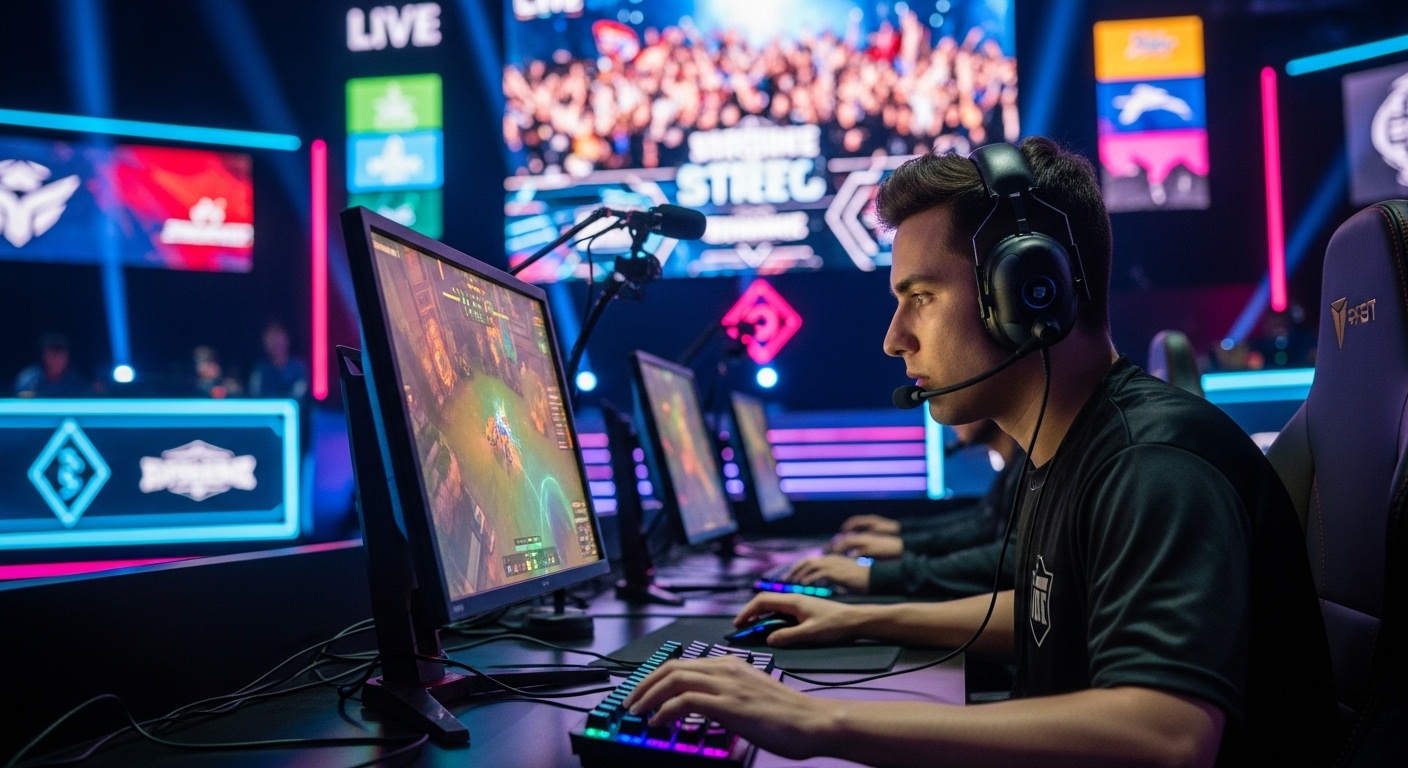
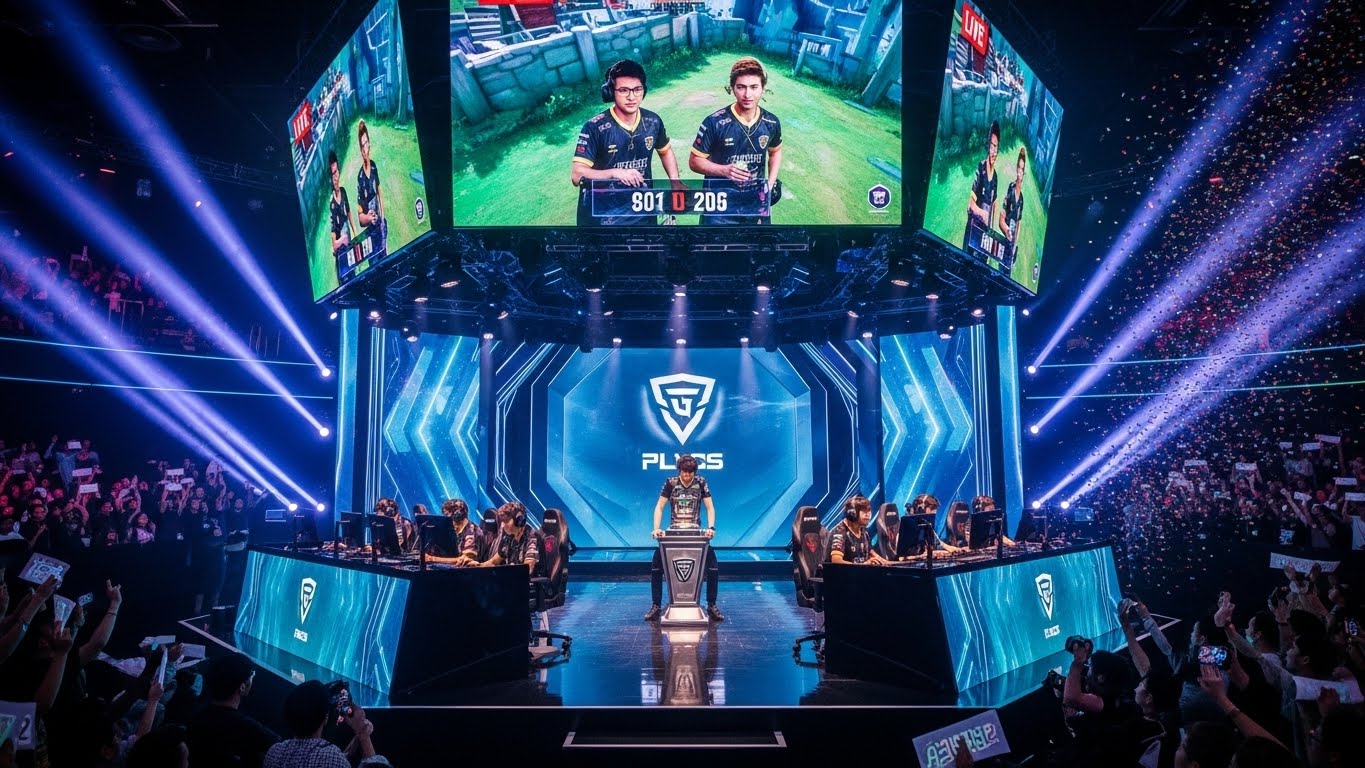
In the last decade, the term “esports” has transitioned from a niche hobby into a global phenomenon. Short for electronic sports, esports refers to competitive video gaming where professional players and teams compete in tournaments for fame, prize money, and sponsorships. Unlike traditional sports, esports takes place in digital arenas, yet the intensity, strategy, and skill required are just as demanding as any physical sport. With millions of viewers tuning in through streaming platforms and major tournaments filling stadiums, esports has firmly established itself as a legitimate form of entertainment and competition. The evolution of esports offers a glimpse into the future of how we perceive sports, entertainment, and even career opportunities.
The Evolution of Esports
The history of esports can be traced back to the early days of arcade gaming and home consoles. In the 1980s, competitions like the Space Invaders Championship in 1980 set the stage for organized gaming tournaments. However, the growth of the internet in the 1990s accelerated esports in unprecedented ways. Multiplayer games like StarCraft and Counter-Strike allowed players across the globe to compete in real-time, fostering a community-driven environment that laid the foundation for modern esports. Today, games like League of Legends, Dota 2, and Fortnite dominate the competitive scene, supported by millions of fans, professional organizations, and multi-million-dollar tournaments. The journey from arcade cabinets to digital stadiums highlights not only technological advancements but also the rising cultural significance of competitive gaming.
The Structure of Esports Competitions
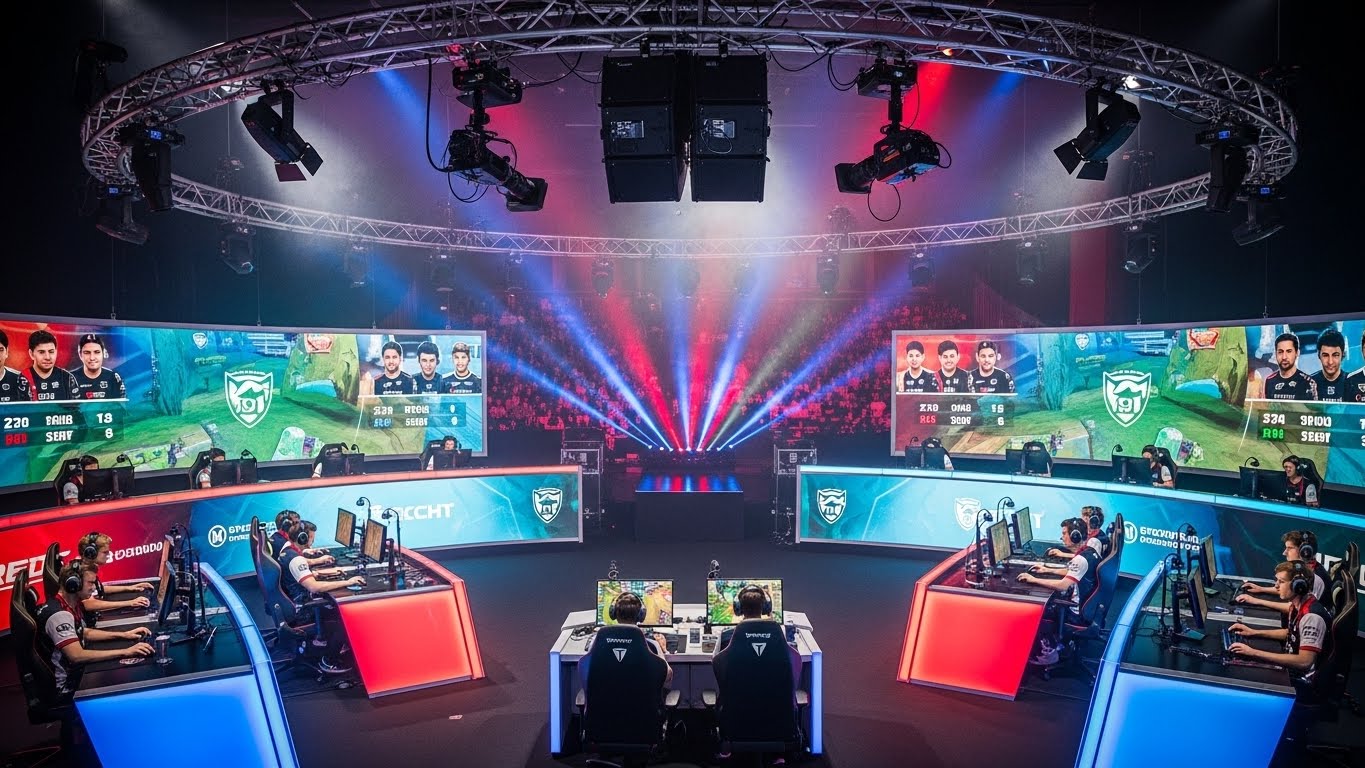
Esports competitions are structured much like traditional sports, with leagues, tournaments, and championship events. Players often form teams, each with designated roles, strategies, and coaching staff. For example, in a multiplayer online battle arena (MOBA) game, teams have players specializing in attack, defense, and support roles, each contributing to the team’s overall strategy. Tournaments range from small online qualifiers to massive international events that fill arenas with thousands of spectators. Prize pools have grown exponentially, with events like The International offering over thirty million dollars to top-performing teams. Beyond the prize money, players gain sponsorship deals, streaming revenue, and global recognition, making esports a viable professional career path.
The Role of Streaming and Online Platforms
The rise of streaming platforms has been crucial to the growth of esports. Platforms like Twitch and YouTube Gaming have allowed fans to watch live gameplay, interact with professional players, and follow tournament action in real-time. Streaming has also opened new avenues for gamers to build personal brands, engage with audiences, and generate income through subscriptions, donations, and sponsorships. Unlike traditional sports, esports is highly interactive; viewers can comment, ask questions, and influence community trends. This interactivity has helped esports foster a global culture where players and fans coexist in a shared digital space, transcending geographic and cultural barriers.
The Psychological and Physical Demands of Professional Gaming
While esports may appear less physically demanding than traditional sports, professional gaming requires intense mental focus, reflexes, and stamina. Competitive players often practice for eight to twelve hours daily, refining strategies, honing mechanical skills, and analyzing opponents. Mental resilience is equally important, as players must remain calm under pressure, adapt to rapidly changing situations, and recover from losses. Some esports organizations have even introduced fitness and wellness programs to enhance players’ physical health, recognizing the impact of long hours of gameplay on posture, vision, and overall wellbeing. The combination of cognitive skills, strategic thinking, and physical endurance makes professional esports a rigorous and demanding field.
Economic Impact and Industry Growth
Esports has evolved into a multi-billion-dollar industry, attracting investment from sponsors, brands, and media companies. Advertising revenue, merchandise sales, and tournament ticket sales contribute to this growth, creating a lucrative ecosystem around gaming. Major brands now sponsor teams and individual players, while tournament organizers collaborate with corporate partners to deliver high-quality production experiences. The economic impact extends beyond professional players, offering opportunities for event organizers, content creators, coaches, analysts, and software developers. This rapid growth reflects the increasing legitimacy of esports as an industry, on par with traditional entertainment and sports sectors.
Esports as a Cultural Phenomenon
Esports has also become a cultural force, influencing fashion, music, and social trends. Fans don jerseys, attend live events, and celebrate victories with the same fervor as traditional sports enthusiasts. Online communities thrive on forums, social media, and streaming platforms, where discussions about strategies, updates, and player performances occur constantly. Esports has fostered a sense of belonging and identity, particularly among younger generations who view gaming as a central part of their lifestyle. Beyond entertainment, esports has contributed to digital literacy, collaboration skills, and the development of teamwork in virtual environments, creating social and educational value alongside competitive excitement.
Challenges Facing the Esports Industry
Despite its growth, esports faces significant challenges. One major concern is player burnout, caused by long hours, high pressure, and the unpredictability of competition. Unlike traditional sports, esports lacks established support systems for mental health, retirement planning, and career transition. Additionally, the industry struggles with regulation, fair play, and cheating issues, requiring continuous technological and policy improvements. Gender disparity is another challenge, as women remain underrepresented in competitive gaming despite growing participation and visibility. Addressing these challenges is crucial for ensuring the sustainability, inclusivity, and long-term credibility of esports as a professional domain.
The Global Reach of Esports
Esports is a truly global phenomenon, with major tournaments and fanbases spanning Asia, Europe, North America, and beyond. Countries like South Korea and China have cultivated esports cultures with professional leagues, dedicated training facilities, and government recognition. In the United States and Europe, esports has gained mainstream attention through televised events, corporate sponsorships, and collegiate programs. The international nature of esports has also created opportunities for cross-cultural collaboration, with players from different backgrounds forming diverse teams that compete at the highest levels. This global reach not only amplifies the popularity of esports but also highlights its potential as a tool for cultural exchange and connectivity.
The Future of Esports
The future of esports looks brighter than ever, driven by technological innovation and cultural acceptance. Emerging technologies such as virtual reality, augmented reality, and artificial intelligence are expected to transform gameplay, fan engagement, and tournament experiences. Esports may become even more immersive, interactive, and accessible, blurring the lines between gaming, entertainment, and sports. Additionally, the integration of esports into educational institutions, with scholarships and structured programs, may further legitimize it as a career path. As audiences grow and technology evolves, esports is poised to redefine the concept of competitive entertainment in the 21st century.
Conclusion: Beyond the Screen
Esports is more than just a pastime; it is a complex ecosystem that combines competition, entertainment, culture, and industry. From its humble beginnings in arcades to massive international tournaments, esports has transformed the way we perceive gaming, skill, and competition. Its impact extends beyond players and fans, influencing economic trends, cultural expressions, and technological innovation. As esports continues to evolve, it promises to redefine the boundaries of sports and entertainment, proving that the digital arena can be as thrilling, strategic, and consequential as any traditional playing field. The rise of esports marks a new chapter in the story of human competition—one where talent, strategy, and passion meet in a virtual yet intensely real world.