Introduction: A New Era of Competition
The world of competitive gaming, widely known as esports, has transformed from a quiet pastime enjoyed by hobbyists into a global phenomenon that rivals traditional sports in excitement, influence, and cultural impact. Esports has created a digital battleground where players from around the world compete for fame, pride, and million-dollar prize pools. What was once viewed as recreational entertainment has evolved into a powerful industry that blends technology, skill, strategy, and community. Esports is not just gaming; it is a dynamic ecosystem shaped by passionate players, visionary developers, and engaged audiences. Its rapid rise is redefining how people compete, interact, and experience entertainment in the modern digital age.
Early Beginnings: From Arcades to Online Arenas
Esports did not emerge overnight. Its roots can be traced back to early arcade competitions where gamers would gather to challenge one another in classic titles. These events were small, often held informally, but they sparked a competitive spirit that would eventually grow into something massive. As home computers and consoles gained popularity, local tournaments began forming. The shift to online gaming in the late 1990s and early 2000s marked a turning point. Players could now compete with others across the globe, breaking the limits of geography. The creation of online servers and matchmaking systems turned gaming into a structured, competitive experience. This was the first true step toward the modern esports landscape we know today.
The Rise of Professional Gaming
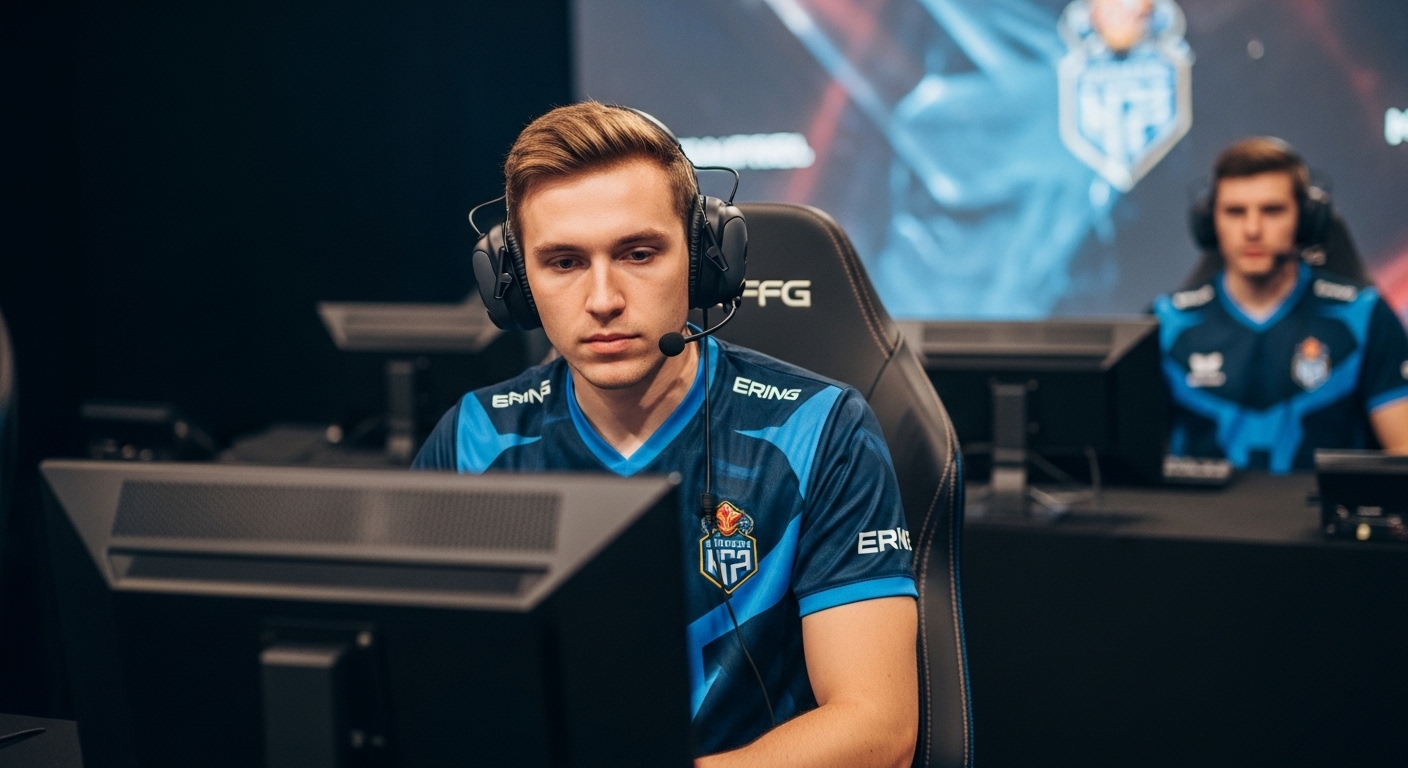
With the expansion of online play came the rise of professional-level competition. Players who displayed extraordinary skill gained recognition within their communities. Game developers began hosting official tournaments, offering structured formats and significant rewards. Eventually, esports organizations and teams emerged. These teams recruited top players, provided training environments, and supported competitors during tournaments. The establishment of professional leagues transformed esports into a viable career. Today, professional players train for hours daily, build strategies, analyze opponents, and commit themselves to years of practice. Esports is now viewed as a serious discipline that demands both mental and physical dedication.
Esports Genres and Games That Shape the Industry
The world of esports is diverse, featuring multiple game genres that cater to different audiences. Multiplayer Online Battle Arenas require strategic thinking and teamwork. First-person shooters rely on precision, fast reflexes, and tactical coordination. Real-time strategy games test a player’s ability to manage resources and adapt under pressure. Sports simulation games offer familiar, realistic competition inspired by physical sports. Fighting games emphasize mastery of combinations, timing, and prediction. Each genre contributes to the colorful tapestry of esports, attracting millions of viewers and players worldwide. The variety of games ensures that esports remains fresh, competitive, and ever-evolving.
Streaming and the Power of Digital Broadcasting
The rise of streaming platforms revolutionized esports. These platforms allow fans to watch live matches, follow their favorite players, and participate in active online communities. No longer confined to physical arenas, esports events now reach millions of viewers instantly through digital broadcasting. Streaming also enables aspiring players to showcase their abilities, build personal brands, and attract sponsorships. The interaction between streamers and audiences creates a relationship that traditional sports rarely achieve. Fans feel closer to players because they can watch their daily training, hear their thoughts, and engage through chat. This level of interaction is one of the reasons esports continues to grow rapidly.
Global Tournaments and Their Spectacular Appeal
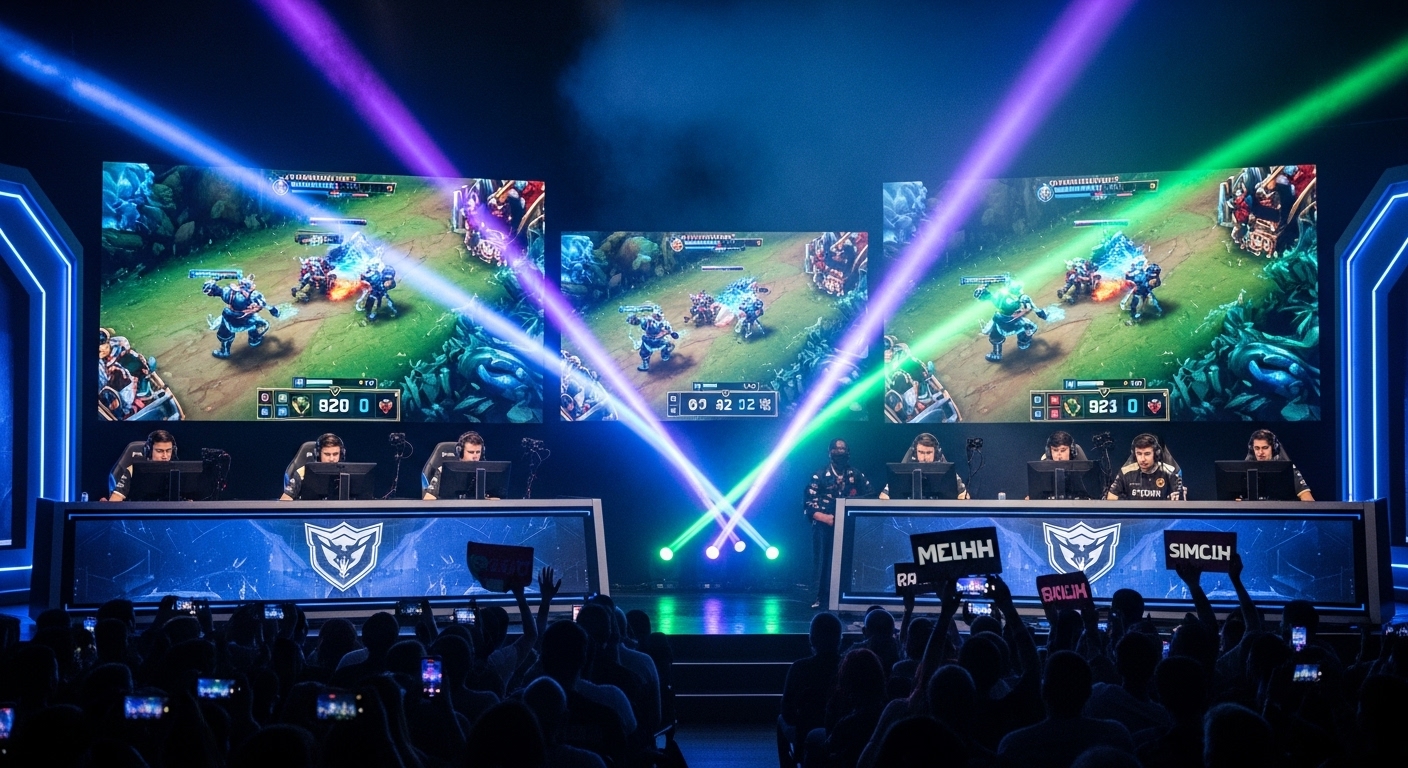
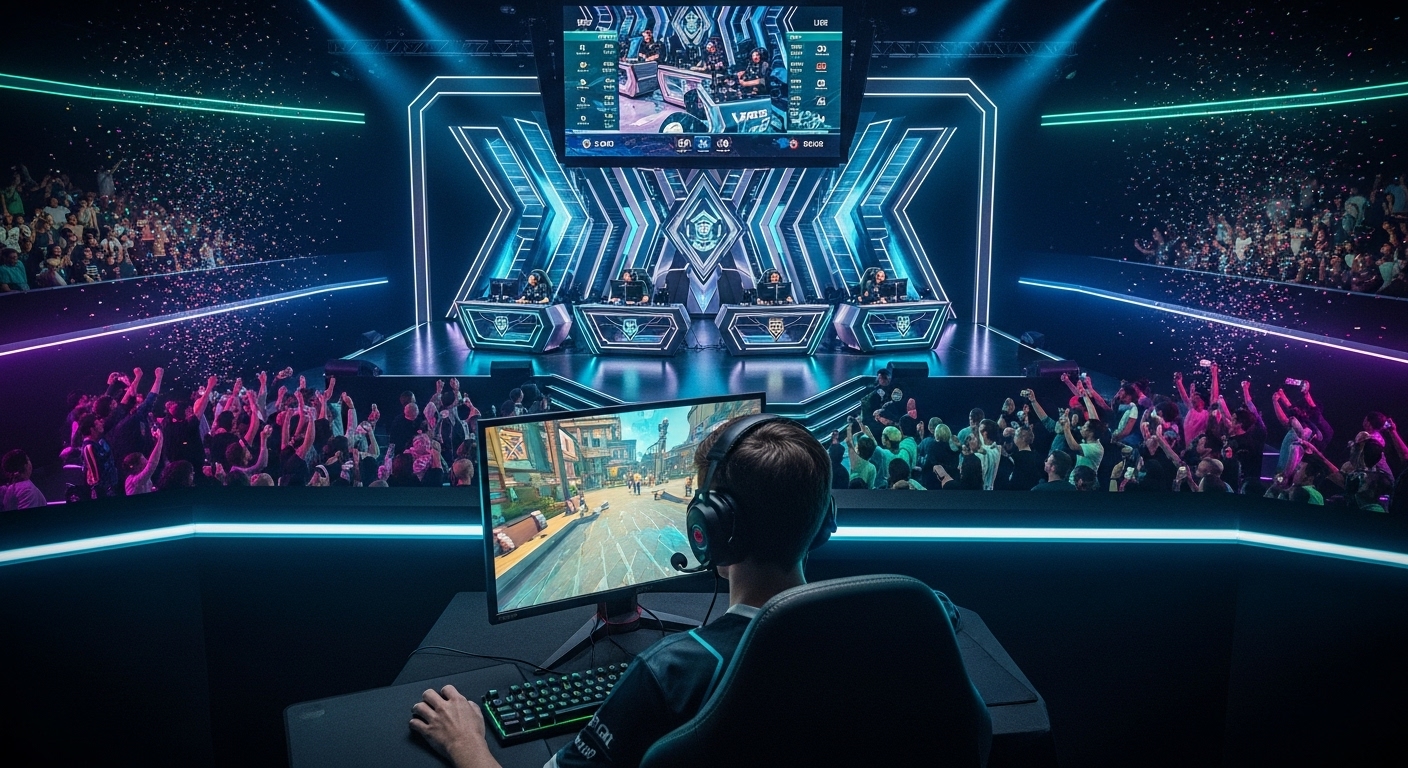
Esports tournaments have become monumental events that rival traditional sports championships in production quality and audience engagement. These tournaments fill stadiums across the world, featuring large stages, massive screens, and impressive special effects. Fans travel long distances to support their favorite teams and players. Live commentary, pre-match analysis, and dramatic introductions create an electric atmosphere that captures the thrill of competitive play. Millions watch online, transforming tournaments into digital celebrations. These events are more than competitions; they are cultural gatherings that celebrate creativity, skill, and community.
The Business of Esports: A Growing Economic Powerhouse
Esports has grown into a multi-billion-dollar industry supported by sponsorships, advertising, merchandise, partnerships, and media rights. Technology companies, food brands, clothing lines, and entertainment organizations invest heavily in esports to reach younger audiences. Esports teams operate similarly to traditional sports clubs, complete with coaches, analysts, marketing departments, and business managers. Game publishers support competitive scenes by creating leagues and providing funding. The economic strength of esports signals its long-term sustainability and influence. As more investors join the industry, esports continues to expand into new regions and markets.
Esports as a Worldwide Cultural Movement
Esports has become a cultural movement that transcends borders. In Asia, competitive gaming is deeply rooted in mainstream culture, with fans treating players like national athletes. Europe and North America have rapidly grown their esports scenes, developing strong leagues and dedicated fan communities. Middle Eastern and African regions are emerging as new esports hubs, driven by improved internet infrastructure and youth population growth. The universal nature of gaming allows players and fans from different countries to connect, communicate, and share experiences. Esports has become a global language that unites people under a common passion.
Community: The Heart of Esports Culture
The success of esports would not be possible without its vibrant, dedicated community. Fans actively participate by watching streams, attending live events, creating fan art, analyzing strategies, and supporting their favorite teams. Online communities on gaming platforms and social media allow fans to share opinions, participate in discussions, and create unique subcultures. Community tournaments give casual players the chance to compete and improve. This sense of belonging and mutual support makes esports more than a form of entertainment; it becomes a lifestyle. The community drives the emotional energy that fuels major tournaments and keeps the ecosystem thriving.
Physical and Mental Demands of Esports Athletes
Contrary to stereotypes, esports requires intense mental endurance and physical discipline. Competitive players must maintain sharp reflexes, peak concentration, quick decision-making, and strategic thinking during long matches. Many teams employ fitness trainers to help players maintain healthy bodies, reduce fatigue, and prevent injuries such as wrist strain or posture-related issues. Mental health is equally important. Professional players cope with pressure, expectations, and constant competition. Teams often work with sports psychologists to help players develop resilience and emotional stability. The dedication required in esports mirrors that of traditional athletic careers.
Diversity and Representation in Esports
As esports grows, so does its focus on diversity and inclusion. Women, LGBTQ+ individuals, and gamers from underrepresented backgrounds are gaining visibility and opportunities through dedicated events, training programs, and supportive organizations. Representation enriches esports by introducing new voices and perspectives. Efforts to promote inclusivity encourage younger aspiring players to pursue their passion confidently. The industry continues to evolve toward a more welcoming and diverse environment where anyone can compete and thrive.
Educational Opportunities and Career Paths
Esports has expanded beyond competition alone. Many educational institutions now offer esports programs, teams, and scholarships. Students learn game strategy, digital marketing, event management, broadcasting, and content creation. These programs help prepare individuals for careers not only as players but also as coaches, analysts, journalists, and production specialists. The introduction of esports into academic environments highlights its legitimacy and long-term cultural impact. With education supporting its growth, esports is becoming a sustainable and influential career path for future generations.
Technology: The Driving Force Behind Esports Innovation
Technology lies at the heart of esports development. High-performance gaming equipment, fast internet speeds, advanced graphics, and powerful processing tools have significantly improved the competitive experience. Innovations such as virtual reality, augmented reality, and artificial intelligence offer new frontiers for gameplay and viewer engagement. These technologies not only enhance the quality of esports but also push the boundaries of what digital competition can achieve. The future of esports is deeply connected to technological advancement, promising even more immersive and thrilling experiences.
Esports in Mainstream Recognition
Esports has now entered the mainstream spotlight. Traditional sports organizations invest in esports teams, celebrities support players, and major networks broadcast tournaments. Esports athletes appear on magazine covers, talk shows, and public events. Recognition from major institutions has helped shift public perception from skepticism to respect. As esports continues to integrate into popular culture, it reinforces its status as a legitimate competitive and entertainment industry.
The Future of Esports: Unlimited Potential
The future of esports is filled with endless possibilities. As technology evolves, esports will become more immersive and boundary-breaking. Virtual competitions may merge with physical environments, creating hybrid events. Fans may experience matches through advanced wearable devices or interactive holograms. Global participation is expected to grow, bringing more talent, investment, and innovation into the scene. Esports will continue influencing entertainment, education, commerce, and technology, making it one of the defining forces of the modern digital world.
Conclusion: The Everlasting Influence of Esports
Esports has become a powerful global phenomenon that reshapes how people engage with entertainment and competition. It blends strategy, creativity, community, and technology to create unforgettable experiences. From professional players to casual fans, esports inspires passion and fosters connections across continents. Its growth shows no signs of slowing down. As it continues to expand and evolve, esports stands as a testament to the limitless potential of digital culture and human creativity. The digital arena will remain a battleground where legends rise, communities unite, and the future of competition is continually rewritten.