Introduction: The Evolution of Gaming
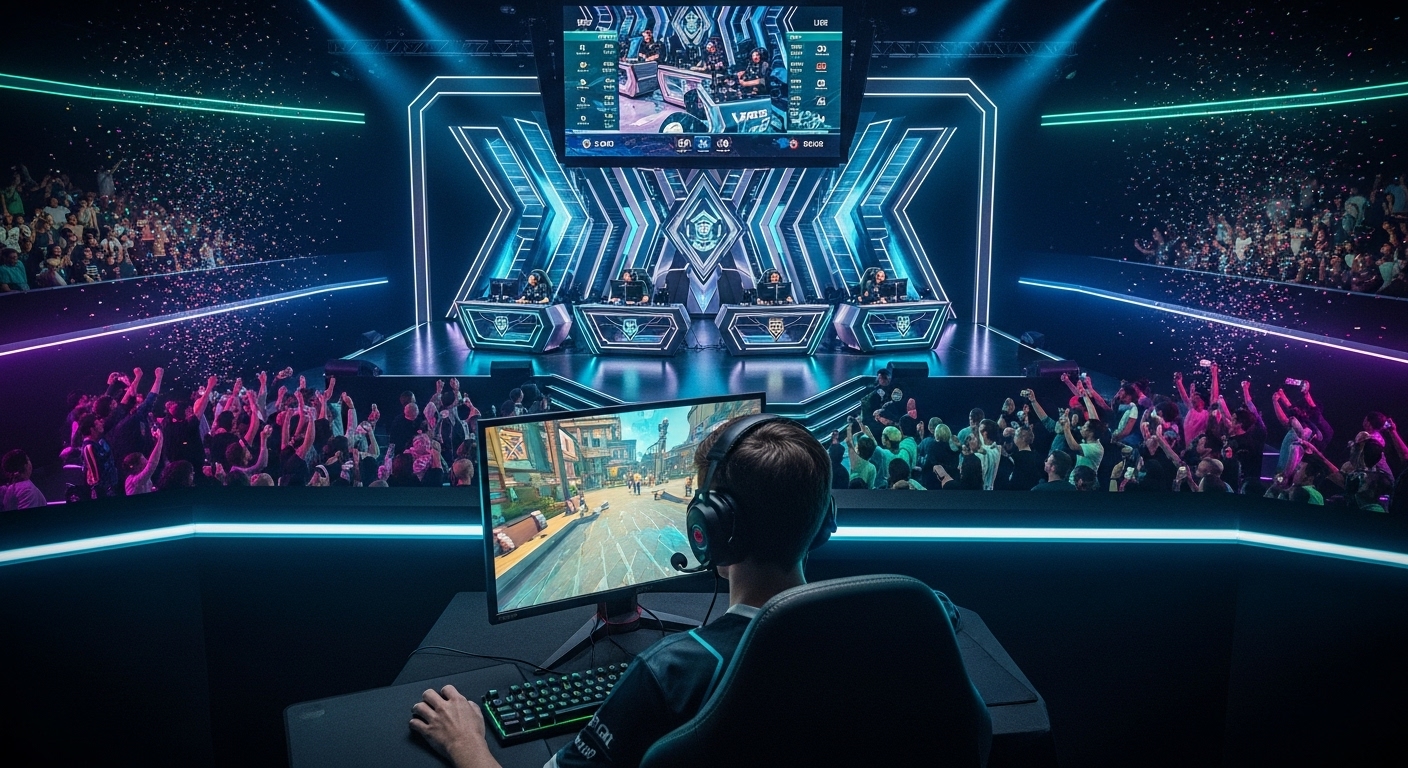
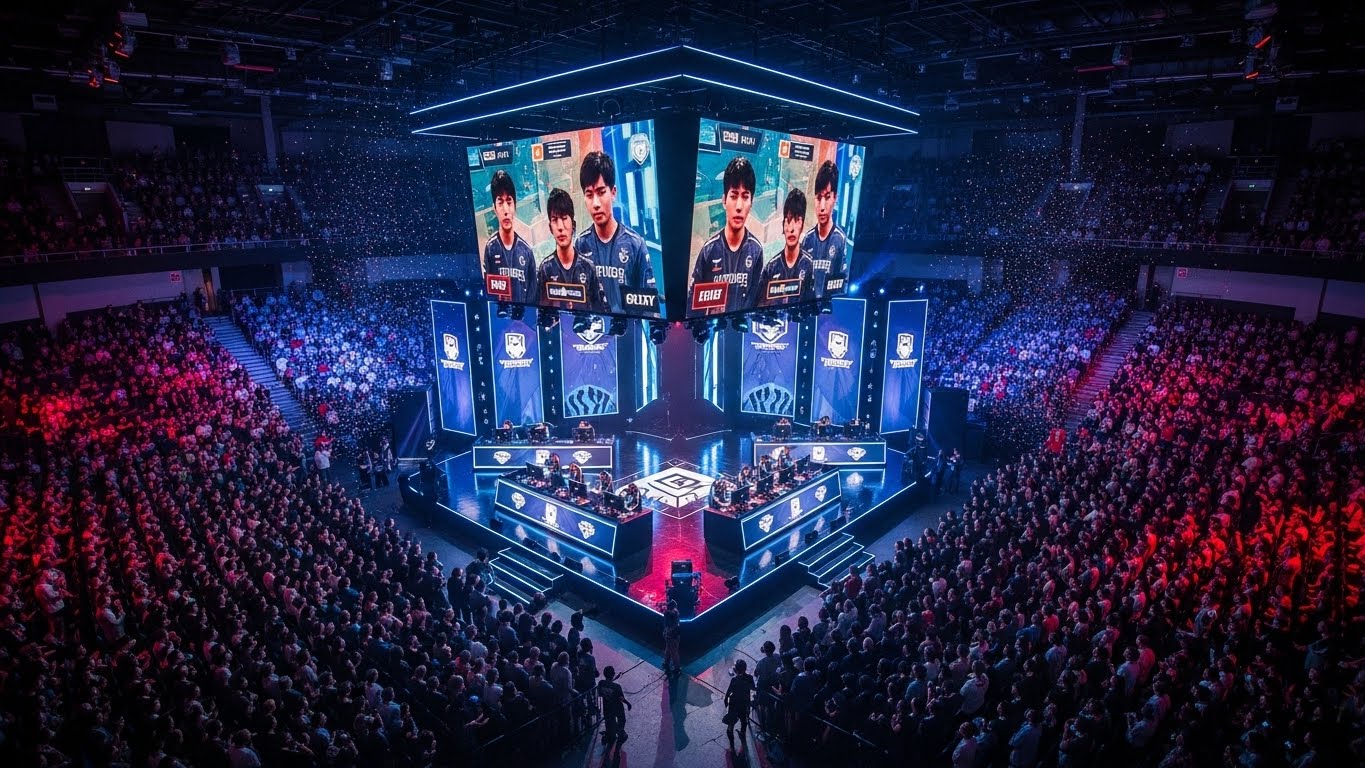
In the past, video games were considered mere entertainment, a way to pass time in solitude or with friends. Today, gaming has evolved into something far greater — esports, a professional and competitive arena where players from around the world face off for glory, recognition, and substantial prize money. Esports has grown from small community gatherings into a global industry, influencing technology, culture, and even education. It is now a space where talent, strategy, and dedication converge, proving that digital competition can be just as thrilling as traditional sports.
The Origins of Esports
The concept of competitive gaming is not new. In the 1970s and 1980s, players competed for high scores in arcade games like Space Invaders and Donkey Kong. These early competitions, though informal, laid the foundation for structured tournaments. The rise of the internet in the late 1990s revolutionized the scene. Online multiplayer games such as StarCraft, Counter-Strike, and Quake allowed players to compete in real time, regardless of geographic location. South Korea, in particular, became a hub for professional gaming due to its advanced internet infrastructure and gaming culture. Televised StarCraft matches in the early 2000s attracted massive audiences, setting the stage for esports as a legitimate spectator sport.
The Rise of Professional Esports
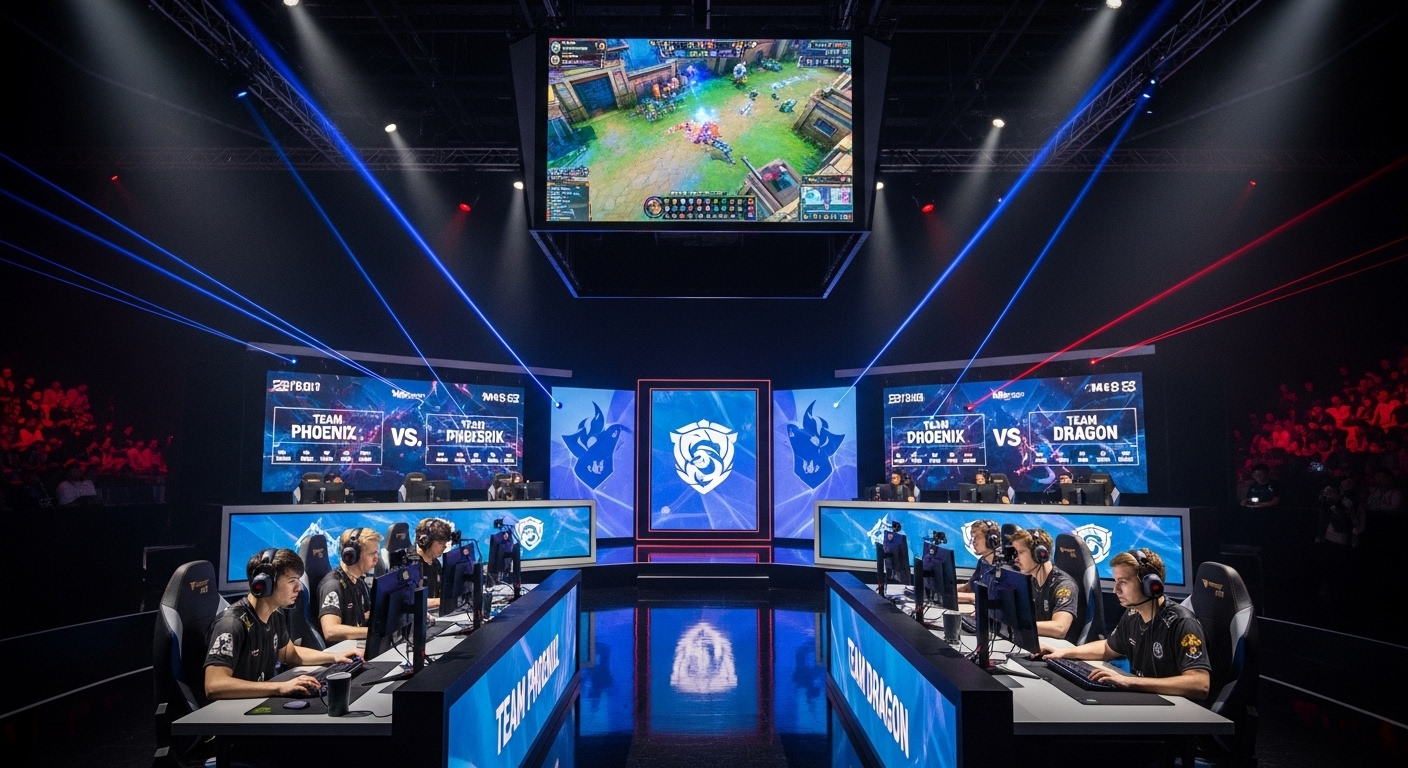
By the 2010s, esports had entered a professional era. Games like League of Legends, Dota 2, and Counter-Strike: Global Offensive introduced organized leagues and international tournaments. Teams became professional organizations with managers, coaches, analysts, and dedicated training programs. Players practiced rigorously, sometimes more than eight hours a day, refining skills, strategies, and communication. The industry began to mirror traditional sports in structure, professionalism, and fan engagement.
Streaming and Global Reach
One of the key factors behind esports’ rapid growth has been live streaming platforms. Services like Twitch and YouTube Gaming enabled millions of fans to watch tournaments, follow favorite players, and engage in real-time discussion. This direct interaction between players and fans created a new kind of sports culture. Online viewership numbers now rival or even surpass those of traditional sports, illustrating that esports is not just a niche hobby but a mainstream form of entertainment.
The Economics of Esports
Esports is a multi-billion-dollar industry with a complex economic ecosystem. Revenue comes from sponsorships, advertising, ticket sales, media rights, and in-game purchases. Brands from technology, beverages, apparel, and other sectors sponsor teams and tournaments, recognizing the value of reaching a young, digitally engaged audience. Major events like The International or the League of Legends World Championship draw millions of viewers and offer prize pools that rival traditional sports competitions. Franchised leagues with city-based teams, such as the Overwatch League, have further professionalized the field, introducing long-term contracts, health programs, and structured seasons.
Cultural Impact of Esports
Esports has changed the perception of gaming in society. Gamers are now seen as athletes, influencers, and celebrities. Professional players have massive followings on social media and are often invited to brand campaigns, interviews, and collaborative projects. Universities have recognized the value of esports, offering scholarships and competitive programs for student gamers. Gaming has shifted from a solitary activity to a collaborative, team-oriented, and socially celebrated endeavor, demonstrating skills like leadership, strategic thinking, and communication.
Popular Esports Games
Several games have been instrumental in shaping esports. League of Legends is known for its strategic depth and massive global tournaments. Dota 2 is celebrated for its high-stakes competitions and intricate gameplay mechanics. Counter-Strike: Global Offensive remains a cornerstone of tactical shooter competitions. Other titles like Valorant, Rocket League, Fortnite, and Call of Duty have diversified the esports landscape, each attracting unique fan bases and offering distinct competitive experiences. Fighting games such as Street Fighter and Super Smash Bros. continue to thrive at grassroots levels, proving that esports encompasses multiple genres and styles.
Skills Required in Esports
Competitive gaming requires a combination of mental, physical, and strategic abilities. Players need fast reflexes, exceptional hand-eye coordination, and high mental stamina. Beyond physical skills, teamwork, communication, and adaptability are essential. Teams employ data analysts to study opponents and refine strategies, while coaches help manage morale and tactics. Professional players often maintain physical fitness to prevent injuries and improve endurance, treating their gaming practice with the same seriousness as athletes in traditional sports.
Esports and Education
Esports has increasingly intersected with education. Schools and universities now integrate esports into their programs, teaching students teamwork, problem-solving, and digital literacy. Scholarships allow talented players to pursue higher education while competing professionally. Academic research is exploring esports’ psychological, economic, and technological impact, offering insights into digital competition, community building, and innovation. By linking gaming with education, esports provides opportunities for both personal growth and professional development.
Challenges Facing Esports
Despite its success, esports faces challenges. Player burnout and mental health issues are prevalent due to long practice hours and high pressure. Organizations are increasingly implementing wellness programs to ensure sustainability. Issues like cheating, match-fixing, and performance-enhancing substances require strict regulation. The industry also faces a diversity gap, as it remains male-dominated. Efforts to create inclusive environments for women and underrepresented groups are ongoing, ensuring esports grows equitably and responsibly.
Esports as a Global Phenomenon
Esports transcends borders and cultures. Tournaments feature players from multiple continents, and fans follow teams globally. Countries like China, South Korea, and the United States dominate in infrastructure and player development, while regions such as South America, Africa, and the Middle East are rapidly growing their competitive scenes. Accessibility through online platforms allows anyone with an internet connection to participate, making esports a truly inclusive form of competition. International recognition, including appearances at multi-sport events, underscores esports’ legitimacy as a global sport.
The Future of Esports
The future of esports is bright and ever-evolving. Emerging technologies like virtual reality, augmented reality, and artificial intelligence will transform gameplay and spectator experiences. Fans may one day immerse themselves inside games, interacting with players and environments in real time. Mobile esports is expanding rapidly, making competitive gaming accessible in regions with limited access to high-end PCs or consoles. The influence of esports on fashion, music, film, and digital culture will continue to grow, cementing its role in the entertainment industry.
Conclusion: Redefining Competition
Esports has redefined what it means to compete in the digital era. Players now train, strategize, and perform at levels comparable to traditional athletes. Spectators enjoy a unique combination of skill, entertainment, and community engagement. The industry has expanded beyond gaming to influence culture, education, and global business. It unites people across countries, languages, and generations, demonstrating the power of digital connectivity and shared passion.
Esports is not merely the future of gaming; it is a reimagining of competition itself. As technology and creativity advance, the digital arena will continue to grow, producing new stars, new games, and new ways for people to engage, compete, and celebrate achievement. The journey from casual gaming to professional esports is a testament to the limitless possibilities of the digital age.