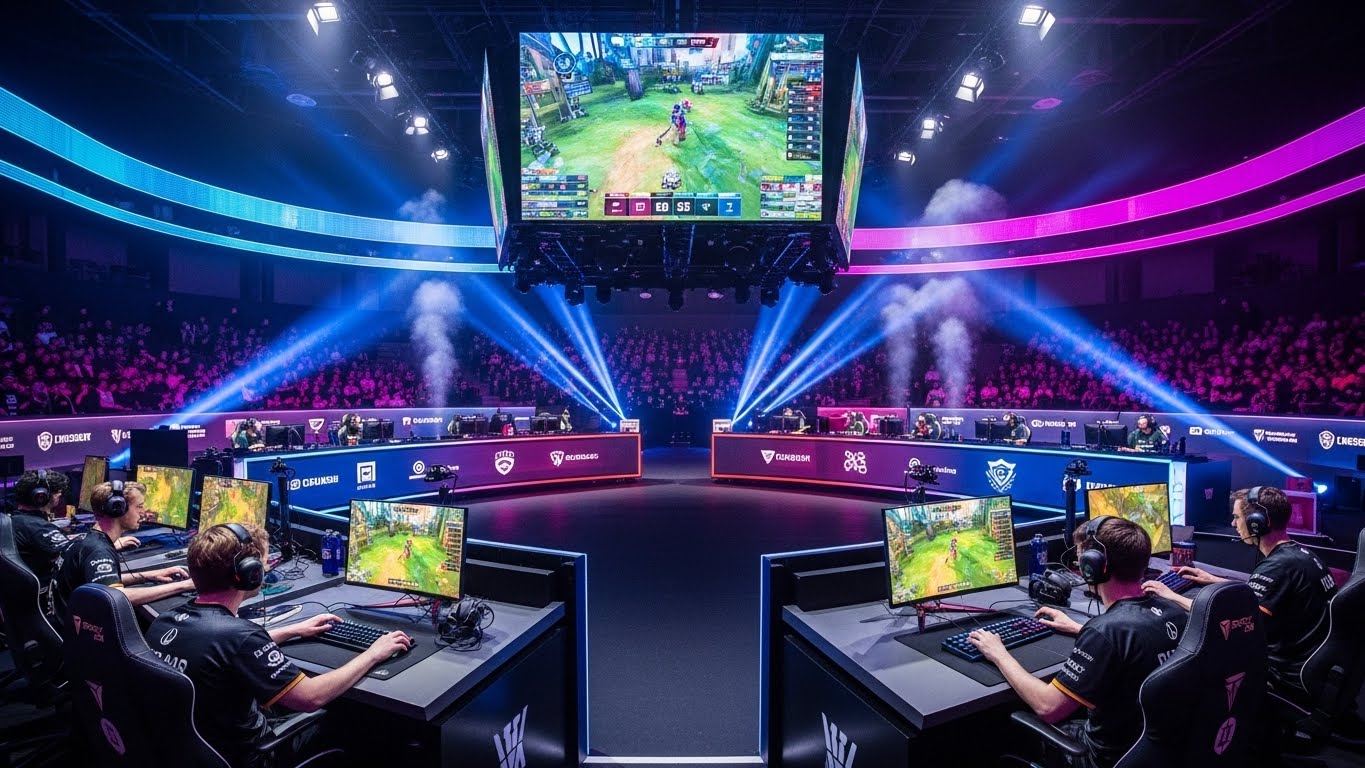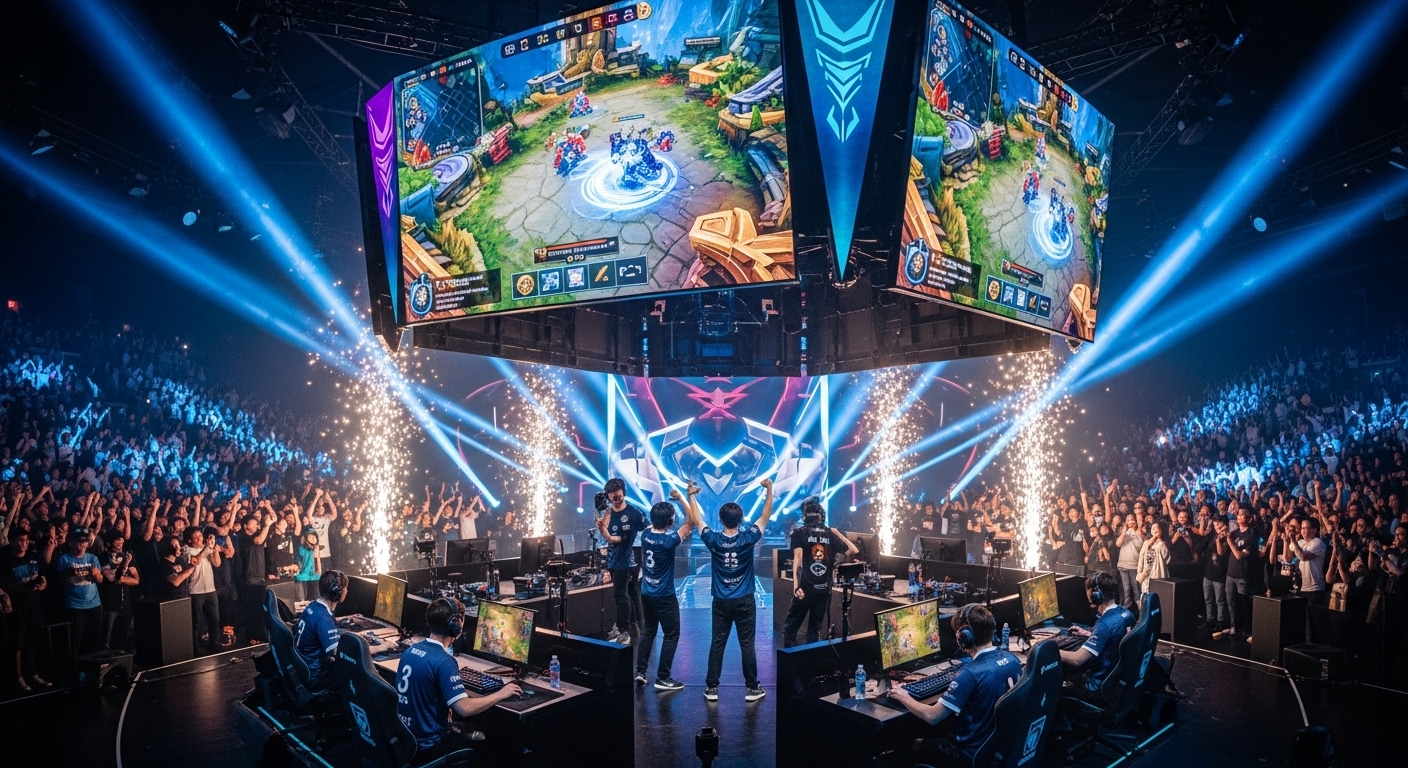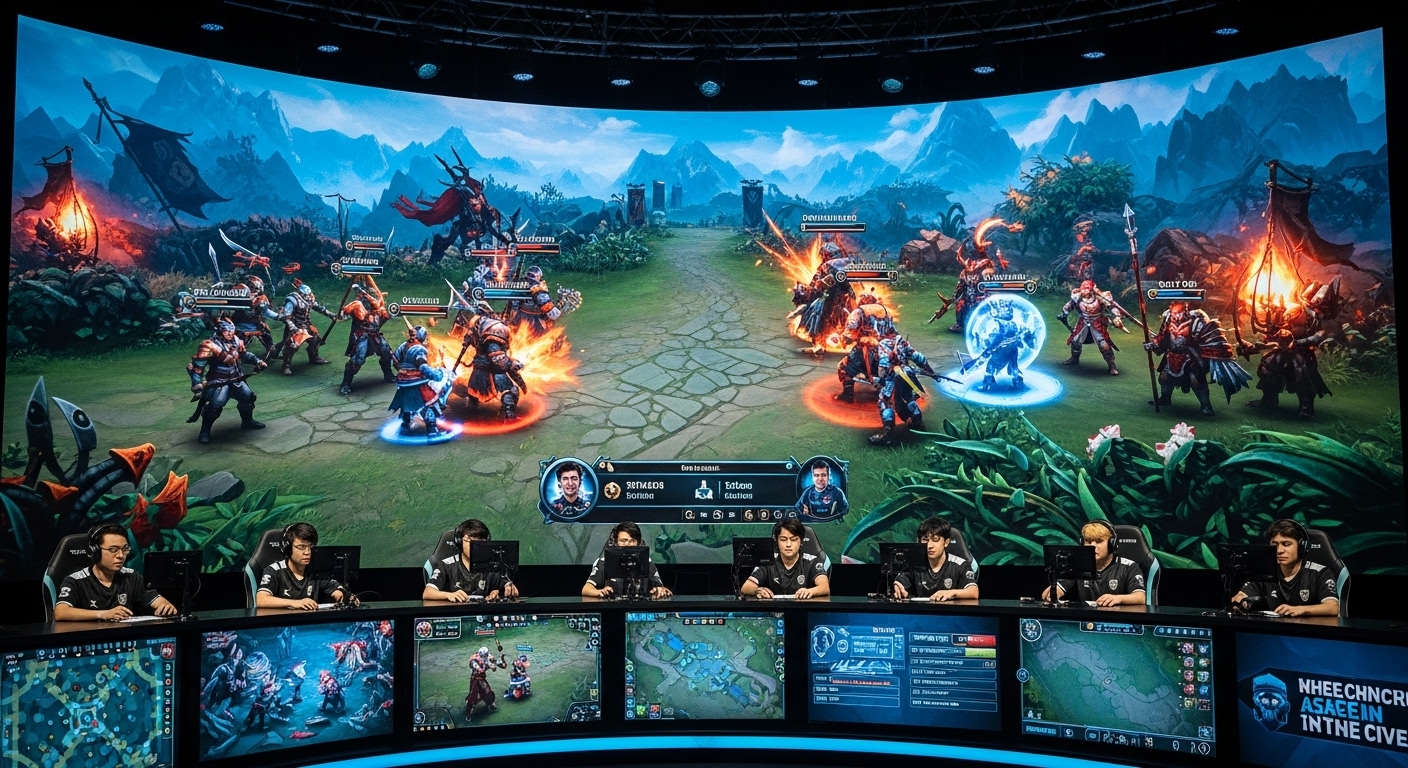
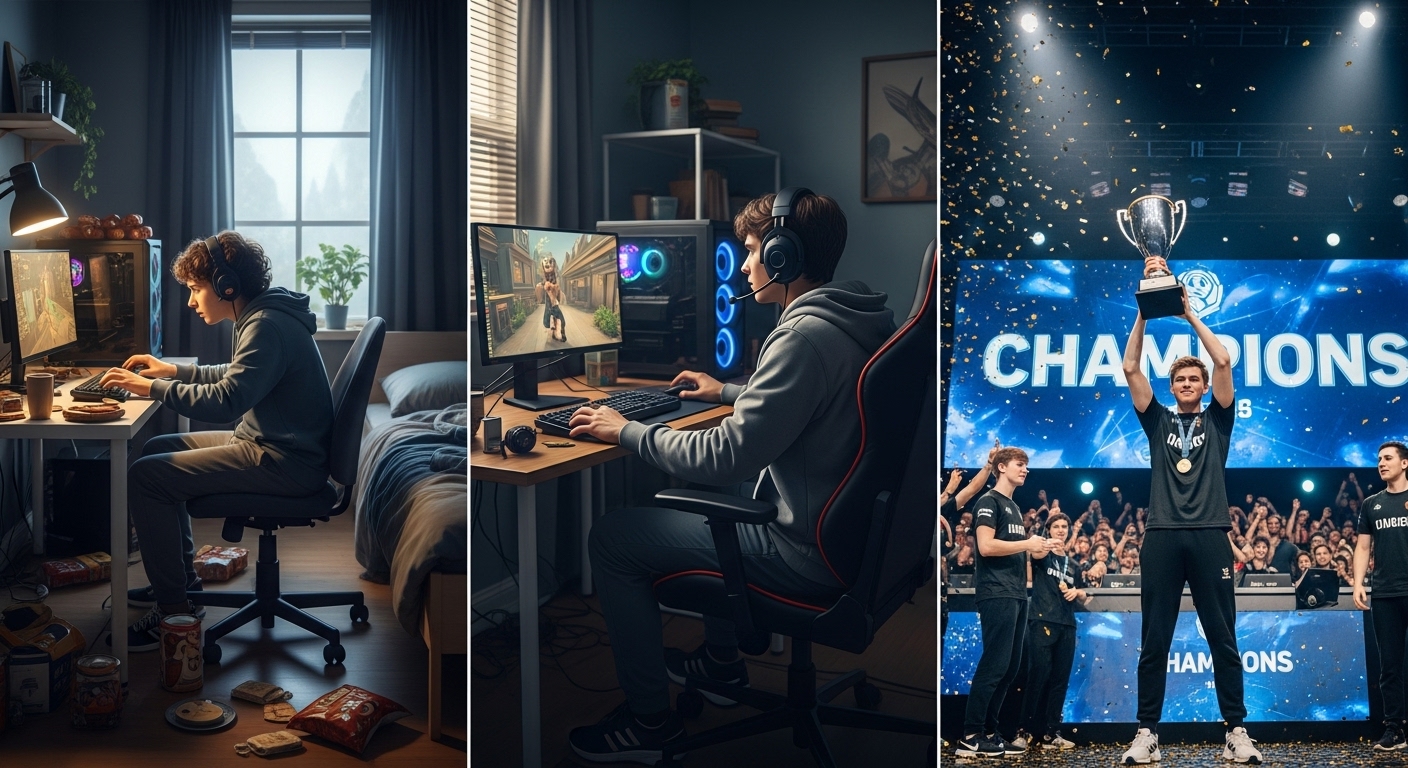
Esports is a world of intense competition, high stakes, and relentless practice. Professional players often spend countless hours honing their skills, analyzing opponents, and adapting to ever-changing metas. But maintaining peak performance isn’t just about reflexes and game knowledge—it requires sustained motivation. Without it, even the most talented players can burn out, lose focus, or fail to reach their full potential.
In this blog, we’ll explore how esports players stay motivated, examining the psychological, social, and practical strategies that keep them driven to succeed.
The Role of Passion in Motivation
At the heart of every successful esports player is passion. Players who genuinely love the games they play are naturally more engaged, committed, and willing to push through challenges. Passion fuels curiosity, encourages experimentation, and transforms long hours of practice into an enjoyable pursuit rather than a chore.
Passionate players often:
- Seek to improve constantly
- Enjoy watching and analyzing gameplay
- Share their enthusiasm with teammates and fans
This intrinsic motivation—driven by love for the game rather than external rewards—serves as a foundation for sustained performance.
Goal Setting and Achievement
Setting clear goals is a critical strategy for maintaining motivation. Esports players often define short-term and long-term objectives, ranging from mastering specific mechanics to winning major tournaments.
Short-term goals provide immediate focus:
- Improving aim or reaction time
- Perfecting champion or character strategies
- Completing practice drills consistently
Long-term goals offer direction and purpose:
- Winning a regional or international championship
- Achieving top global ranking
- Becoming a team captain or leader
By breaking down large ambitions into achievable steps, players maintain a sense of progress and accomplishment, which reinforces motivation.
The Influence of Competition
Competition itself is a powerful motivator. The desire to outperform rivals, prove skills, and earn recognition pushes players to practice harder and perform better.
Competitive esports environments provide:
- External feedback: Results from matches and rankings offer measurable benchmarks.
- Challenge and reward: High-pressure situations encourage focus and determination.
- Community recognition: Fans and peers celebrate achievements, boosting confidence.
Healthy competition encourages players to continuously refine their abilities and maintain a growth mindset.
Team Dynamics and Support
Team chemistry and social support play a significant role in motivation. Players who feel valued, respected, and supported by teammates are more likely to stay committed and perform consistently.
Strong team dynamics foster motivation through:
- Collaboration and shared goals
- Positive reinforcement and encouragement
- Constructive feedback and mentorship
Being part of a cohesive team can transform practice into a shared experience, reducing the mental burden of solo training and increasing enjoyment.
Personal Development and Growth
Many esports players are motivated by the opportunity for personal growth beyond just winning games. Developing mental resilience, problem-solving skills, leadership, and strategic thinking adds a deeper layer of fulfillment.
Players often focus on:
- Improving concentration and decision-making
- Enhancing communication skills
- Learning from defeats and setbacks
By viewing challenges as opportunities for growth, players maintain a long-term drive that transcends short-term outcomes.
Lifestyle Habits and Discipline
Maintaining motivation requires a structured lifestyle. Professional esports players often integrate habits that support both physical and mental well-being:
- Consistent Practice: Establishing daily routines helps maintain momentum.
- Physical Fitness: Exercise reduces fatigue, improves focus, and supports mental health.
- Balanced Rest: Adequate sleep and breaks prevent burnout and sustain energy.
- Mindfulness and Stress Management: Techniques like meditation and visualization help players handle pressure.
Discipline and routine create an environment where motivation can thrive consistently rather than fluctuate unpredictably.
Inspiration from Role Models
Many players draw motivation from watching and learning from elite professionals. Following top players, analyzing their strategies, and observing their work ethic inspires younger or less experienced competitors to push themselves.
Role models offer:
- Tactical inspiration through gameplay analysis
- Demonstrations of mental toughness and perseverance
- Proof of what is achievable through dedication
This connection to the broader esports community reinforces ambition and motivates players to reach new heights.
Recognition, Rewards, and Career Goals
While intrinsic motivation is crucial, extrinsic rewards also play a role in esports. Financial incentives, sponsorships, tournament prizes, and public recognition can encourage players to maintain peak performance.
Career goals, such as becoming a team captain, signing with a prestigious organization, or building a personal brand, further fuel motivation. Players often balance passion-driven pursuits with practical incentives, creating a holistic motivational framework.
Handling Setbacks and Staying Motivated
Esports is inherently competitive, and losses are inevitable. The ability to stay motivated after setbacks is a defining trait of successful players. Strategies include:
- Analyzing Mistakes: Viewing losses as learning opportunities rather than failures.
- Seeking Feedback: Using coaches, teammates, or mentors to identify areas of improvement.
- Maintaining Perspective: Focusing on long-term growth rather than short-term defeats.
- Mental Resilience Training: Developing coping mechanisms for stress and pressure.
Players who embrace setbacks constructively maintain motivation and continue improving, while those who dwell on failures risk burnout or disengagement.
The Role of Community and Fans
Esports players are often motivated by the communities that support them. Fan engagement, social media interactions, and live streaming feedback provide a sense of purpose beyond personal achievement.
Fans contribute motivation by:
- Celebrating victories and milestones
- Providing encouragement during difficult periods
- Participating in live streams and tournaments
The player-fan connection reinforces commitment and fosters a deeper emotional investment in the game.
Conclusion
Motivation in esports is a complex interplay of passion, goals, competition, team dynamics, personal growth, and lifestyle habits. Top players combine intrinsic drive with external factors like recognition, support, and structured routines to sustain performance over time.
Ultimately, staying motivated is about balance: nurturing love for the game, maintaining discipline, and leveraging both internal and external sources of inspiration. Players who master this balance not only achieve competitive success but also develop resilience, adaptability, and a lasting career in esports.
Motivation is the invisible fuel behind every clutch play, tournament victory, and legendary comeback—it is what separates good players from great champions in the world of esports.