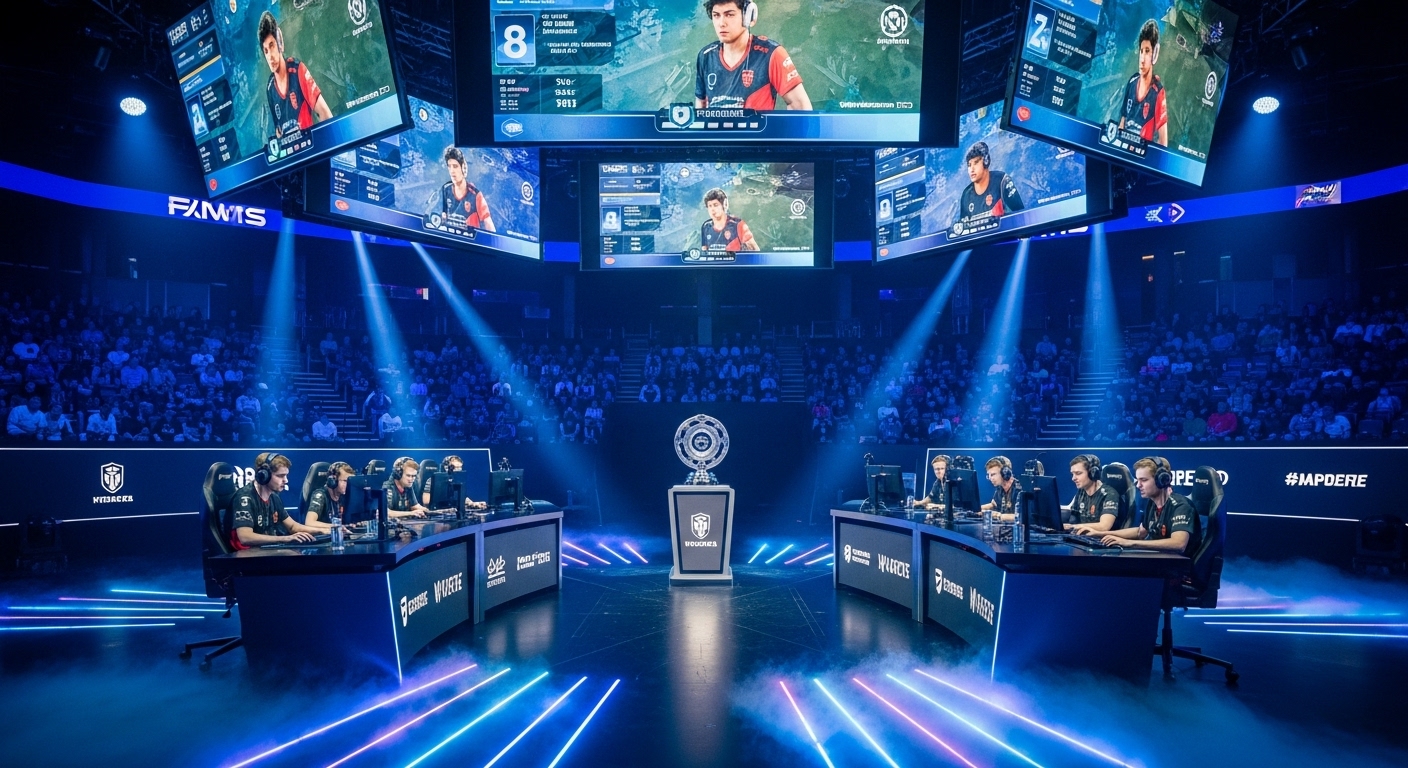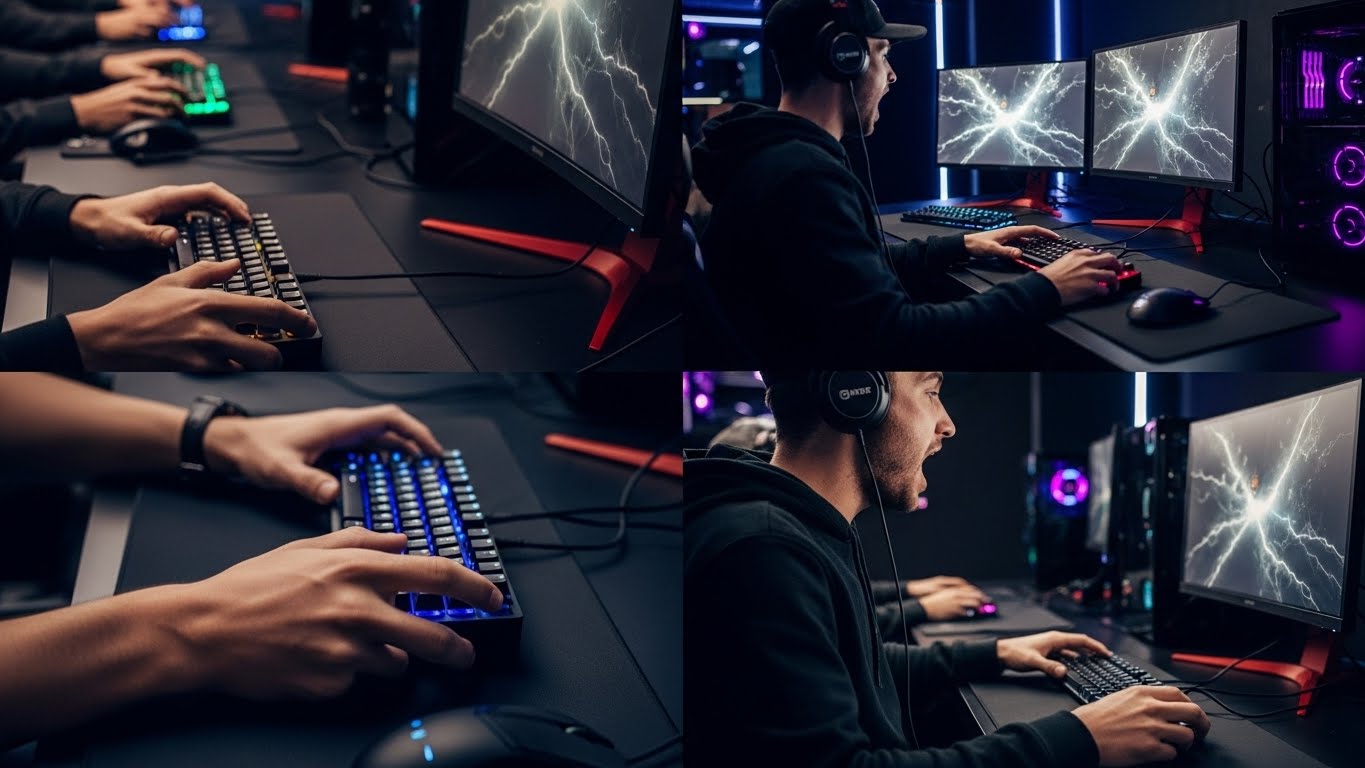

In the past decade, esports has transformed from a niche activity into one of the fastest-growing industries in the world. What was once a hobby for a select group of gamers is now a multi-billion-dollar global phenomenon, with millions of players, fans, and viewers. Competitive gaming is no longer relegated to dark basements or local LAN parties—today, it occupies arenas filled with cheering crowds, streaming platforms with millions of active viewers, and a thriving economy backed by big-money sponsorships, advertising, and media rights.
In this blog post, we’ll delve into the fascinating world of esports—its rise, the current state of the industry, the various games that dominate the competitive gaming scene, and the future potential of this digital sport that’s capturing hearts worldwide.
The Origins of Esports: From Local Tournaments to Global Phenomenon
The concept of competitive gaming dates back to the 1970s, but it wasn’t until the late 1990s and early 2000s that the foundations of modern esports began to take shape. The first ever recorded esports tournament, The Intergalactic Spacewar Olympics, was held in 1972 at Stanford University. Players competed in the game Spacewar, one of the earliest multiplayer video games. While small in scale, this event set the stage for what would eventually become a global gaming revolution.
Fast forward to the 1990s and the growth of personal computers, the internet, and multiplayer video games. Games like Quake (1996), Warcraft III (2002), and Counter-Strike (1999) ignited the competitive spirit in gamers. While these games allowed players to connect and compete with others over the internet, the scene remained relatively small compared to today’s standards.
However, South Korea played a pivotal role in the development of esports. The country’s government and the private sector supported the rise of competitive gaming by establishing professional gaming leagues, streaming platforms, and national broadcasting coverage of tournaments. The most significant game during this time was StarCraft (1998). By the early 2000s, StarCraft was a nationwide sensation, with professional players earning sponsorships, endorsements, and even salaries from esports organizations. This marked the beginning of esports as we know it today.
The Growth of Esports in the 2000s: From Hobby to Career
As the new millennium progressed, the world saw the first true signs of esports growing into a legitimate, professional industry. The launch of World Cyber Games (WCG) in 2000, Electronic Sports World Cup (ESWC) in 2003, and the creation of various local tournaments laid the groundwork for the global esports community. In South Korea, professional leagues like the OnGameNet Starleague (OSL) and the Korean e-Sports Association (KeSPA) established the framework for what would later become global esports leagues. These leagues provided professional players with a platform to compete and rise to fame.
Esports took another significant step forward in the mid-2000s when large corporate sponsors began to take notice. Companies like Intel, Samsung, and Coca-Cola saw the potential for reaching millions of fans and gamers, and they began to pour money into tournaments, broadcasting rights, and sponsorships. The mainstream media, once skeptical about video games being a legitimate form of entertainment, started to pay attention. In 2007, the World Cyber Games Grand Finals in Seattle, Washington, attracted thousands of viewers both online and in person. Esports had now firmly planted itself on the global map.
Esports in the 2010s: The Boom and the Mainstream
The 2010s marked the decade where esports truly became a worldwide phenomenon. The proliferation of high-speed internet, the rise of streaming platforms, and the continued success of multiplayer games such as League of Legends (2009), Dota 2 (2013), Overwatch (2016), and Counter-Strike: Global Offensive (2012) fueled the explosive growth of the industry. Streaming platforms like Twitch played an integral role, offering players and fans a place to connect in real-time, watch their favorite players, and engage with the community. As Twitch gained popularity, so did the viewership for esports events. By 2014, Twitch had become a hub for esports, attracting millions of viewers from around the globe to watch events like The International (Dota 2’s annual championship) and the League of Legends World Championship.
The growth of esports in the 2010s was also marked by the rise of esports organizations. Teams like Cloud9, Team Liquid, Fnatic, and SK Gaming became household names within the gaming community. These teams signed professional players, built fan bases, and became global brands in their own right. Esports organizations began to look more like traditional sports teams, with players signing contracts, receiving salaries, and being represented by agents.
In 2013, Valve and Riot Games made significant strides in professionalizing esports. Valve’s Dota 2 introduced The International, an esports tournament with an unprecedented prize pool that grew every year through crowdfunding. The prize pool for The International 2019 reached over $34 million, setting a record for the biggest esports prize pool in history. Similarly, Riot Games took esports to the next level with League of Legends, hosting one of the most-watched esports events every year, with LoL Worlds consistently drawing millions of viewers worldwide.
With the rise of esports tournaments came the emergence of major sponsorships from brands across industries. Companies like Intel, Coca-Cola, Pepsi, and even Mercedes-Benz began sponsoring teams, events, and individual players. These sponsorships helped fund tournaments, team operations, and player salaries, creating an ecosystem that resembled traditional sports leagues.
The Emergence of Esports Streaming and Content Creation
One of the major developments in the 2010s was the explosion of content creators and streamers. Players, casters, analysts, and fans took to streaming platforms like Twitch, YouTube Gaming, and Mixer to showcase their skills, commentate on games, and engage with audiences. Some streamers, like Ninja, Shroud, and Pokimane, amassed millions of followers and became some of the most influential figures in gaming culture.
The accessibility of streaming allowed anyone with a computer or console to share their gameplay with the world. This democratized content creation in the gaming space and further fueled the growth of esports by providing audiences with more content, more personalities, and more opportunities to interact with their favorite players and games.
The Modern Landscape of Esports
Today, esports is a global industry that generates billions of dollars annually. The economic impact of esports extends beyond prize pools and sponsorships. There’s a thriving ecosystem that includes media rights, merchandise, advertising, event ticket sales, and much more. According to recent estimates, the global esports industry was expected to generate over $1.5 billion in 2023, with revenue sources ranging from sponsorships to media rights and tournament ticket sales.
The competitive gaming scene is dominated by major publishers like Riot Games, Valve, Epic Games, and Activision Blizzard. These companies not only develop the games but also organize large-scale tournaments, ensuring their titles stay at the forefront of the esports world. For example, Riot Games runs the League of Legends World Championship, while Valve manages The International for Dota 2. Activision Blizzard organizes events for Overwatch and Call of Duty, creating massive international leagues with millions of viewers.
Esports competitions have also evolved in terms of organization and production value. Events like the League of Legends World Championship, The International, and IEM Katowice are now held in massive stadiums and broadcast live to millions of viewers. The level of production and commentary rivals that of traditional sports events, with high-definition broadcasts, expert analysis, and cutting-edge technology enhancing the viewer experience.
Furthermore, partnerships with major television networks have brought esports to a broader audience. ESPN, ABC, and TBS have all aired esports events, further cementing esports as a legitimate form of entertainment. Additionally, the integration of esports into sports betting platforms has added another layer of financial growth, as fans can now bet on their favorite teams and players just like traditional sports.
What the Future Holds for Esports
While esports has already experienced rapid growth, the future of competitive gaming looks even brighter. Here are a few trends and predictions for where the esports industry is heading in the coming years:
1. The Rise of Mobile Esports
Mobile gaming is rapidly growing across the world, especially in emerging markets. Games like PUBG Mobile, Free Fire, and Call of Duty Mobile have become incredibly popular in regions like Southeast Asia, Latin America, and India. With mobile devices becoming more powerful and accessible, mobile esports is expected to become a significant part of the industry, with massive tournaments and professional leagues emerging for mobile games.
2. Integration of Virtual Reality (VR) and Augmented Reality (AR)
The next frontier in gaming is virtual and augmented reality. As VR and AR technologies continue to evolve, esports could become more immersive and interactive. Virtual reality esports competitions would offer players a more lifelike experience, blurring the line between the digital and real worlds. Imagine a League of Legends match where players physically move around a 3D environment using VR headsets and motion controllers. This could redefine competitive gaming as we know it.
3. The Expansion of Esports into Traditional Sports
Esports has already crossed paths with traditional sports, with several professional sports teams and leagues investing in gaming. Teams like Manchester City, FC Schalke 04, and Paris Saint-Germain have fielded esports teams to compete in various tournaments. The crossover between esports and traditional sports is likely to continue, with more sports organizations entering the esports space and the two industries becoming more intertwined.
4. Mainstream Recognition and Inclusion in the Olympics
There’s ongoing discussion about whether esports should be included in the Olympic Games. While the International Olympic Committee (IOC) has been cautious in embracing esports, there have been significant strides toward recognition. The Asian Games has already included esports as a medal event, and with the continued growth of the industry, there’s a strong possibility that esports could be added to the Olympics in the near future.
5. Increased Investment and Sponsorships
As esports continues to expand, we can expect even more investment from both traditional and non-endemic sponsors. Brands like Coca-Cola, Nike, and Red Bull are already heavily involved, and as esports becomes a mainstream cultural force, other major brands will likely enter the space. This influx of capital will drive further innovation, improve infrastructure, and enhance the overall fan experience.
Conclusion
Esports has come a long way since its humble beginnings. What started as a hobby for a select few has become a global industry worth billions. With new technology, growing viewership, and the increasing mainstream recognition of competitive gaming, esports is well-positioned to continue its meteoric rise. As we look to the future, one thing is certain: esports is not just a passing trend—it’s the future of competitive entertainment. Whether you’re a casual gamer or a hardcore esports fan, the world of competitive gaming is just getting started, and there’s never been a better time to be part of the esports revolution.