Introduction: The Rise of a New Era in Competition
In the past few decades, human entertainment and competition have evolved at a speed never imagined before. From the days of physical sports that dominated arenas and fields, a new form of competition has emerged—one that exists entirely within digital realms. This phenomenon is called Esports. Short for electronic sports, Esports refers to organized, competitive video gaming where individuals or teams compete for recognition, prestige, and often substantial financial rewards. What was once a niche hobby for a small community has now grown into a global spectacle that attracts millions of viewers, sponsors, and professional players.
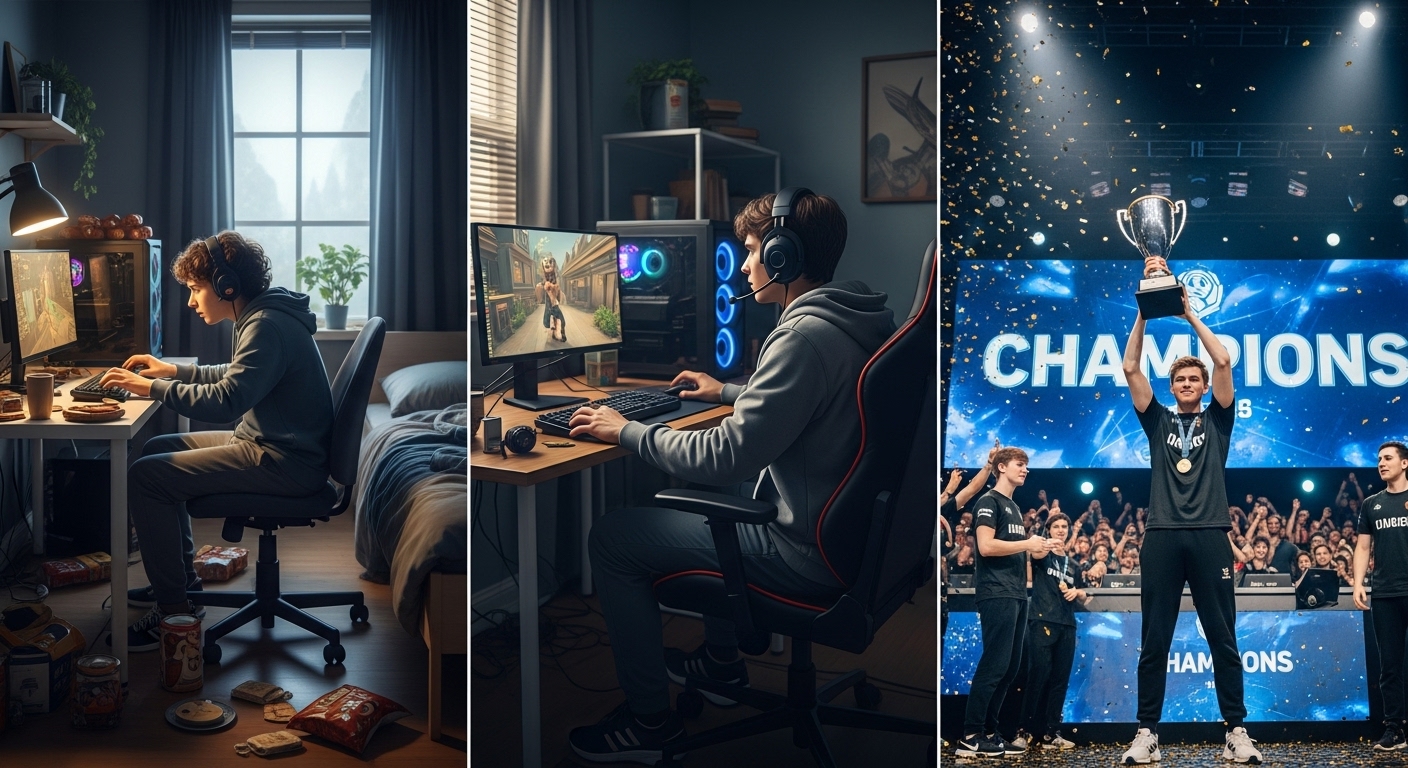
The fascinating journey of Esports from bedroom gaming to stadium-filling tournaments mirrors the evolution of technology, culture, and the modern idea of what it means to be an athlete. The concept of competing in games once dismissed as “just for fun” has transformed into a serious, lucrative, and globally respected industry. To truly understand the power and influence of Esports, one must dive into its history, its culture, the lives of its players, and its incredible future potential.
The Origins of Esports
The seeds of Esports were planted in the early days of gaming. During the late 1970s and early 1980s, video games such as Space Invaders and Pong became cultural icons. In 1980, Atari organized the Space Invaders Championship, considered the first large-scale video game competition, attracting more than 10,000 participants across the United States. Though primitive by today’s standards, this event marked the beginning of competitive gaming as a social phenomenon.
The following decades saw the emergence of arcades and home consoles, which further fueled the competitive spirit among players. By the 1990s, as computers and the internet became more accessible, multiplayer games began connecting people worldwide. Titles such as Quake, StarCraft, and Counter-Strike revolutionized the concept of online competition. Gamers could now face opponents from different countries in real-time battles, giving birth to the first generation of professional Esports players.
As technology advanced, so did the infrastructure around competitive gaming. Online tournaments, sponsored events, and early gaming clans began forming the foundation of what we now recognize as professional Esports. The late 1990s and early 2000s were especially pivotal as South Korea took the lead in transforming gaming into a mainstream form of entertainment.
The South Korean Influence and Global Expansion
South Korea played a monumental role in shaping the Esports industry. With its rapid technological development and widespread internet connectivity, the country became a hub for competitive gaming. Television networks began broadcasting StarCraft tournaments, turning professional gamers into national celebrities. Gaming cafes known as “PC bangs” became cultural centers where young Koreans could play, compete, and socialize.
This period saw the creation of professional Esports teams, sponsors, and organized leagues. Players were trained, coached, and treated like athletes. The concept of Esports as a profession began to take shape. The success of the Korean model inspired other regions such as China, North America, and Europe to invest in their own Esports ecosystems.
By the late 2000s, Esports was no longer confined to a few regions. Games like Dota, League of Legends, and Call of Duty began hosting international tournaments, drawing millions of viewers online. With platforms like Twitch and YouTube Gaming later joining the scene, Esports finally found the global stage it deserved.
The Evolution of Esports Games
Esports is not limited to a single type of game. It spans across genres, each with its own community, style, and competitive structure. The diversity of Esports titles has been one of its greatest strengths, attracting audiences with varying interests.
In real-time strategy games such as StarCraft II and Age of Empires, players rely on quick thinking, resource management, and strategic planning. In multiplayer online battle arena (MOBA) games like Dota 2 and League of Legends, teamwork, coordination, and communication are essential. First-person shooters such as Counter-Strike: Global Offensive, Valorant, and Overwatch test reflexes, precision, and tactical awareness.
Sports simulation games like FIFA and NBA 2K appeal to fans of traditional sports, bridging the gap between physical and digital competition. Meanwhile, fighting games like Street Fighter and Tekken bring back the classic one-on-one competitive spirit that defined the arcade era.
Every Esports title requires a distinct skill set. Unlike casual gaming, professional players dedicate countless hours mastering mechanics, strategies, and team dynamics. The depth and complexity of modern Esports titles demand the same level of dedication seen in traditional sports.
The Professional Esports Scene
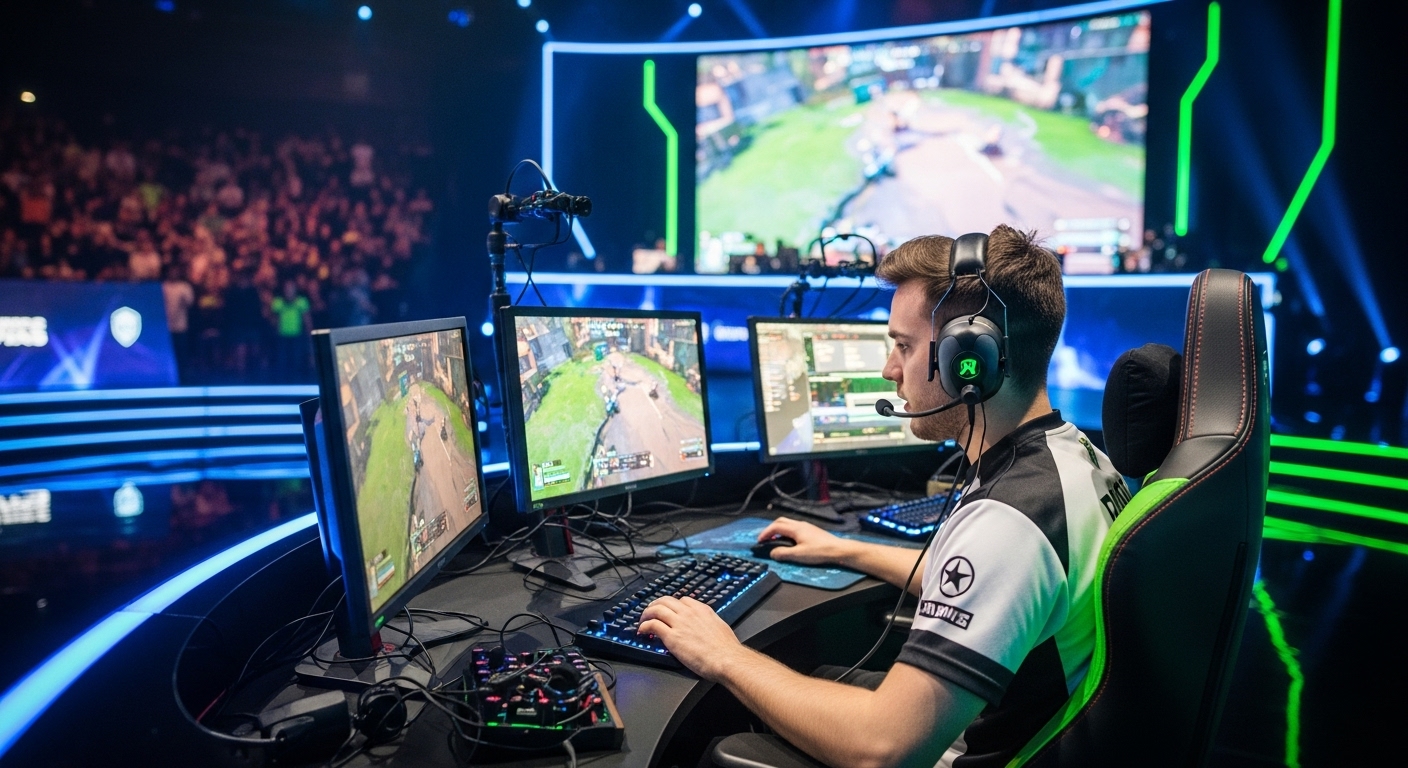
Professional Esports has grown into a massive global industry. Players sign contracts, receive salaries, and compete for prize pools that can exceed tens of millions of dollars. Major tournaments like The International for Dota 2, the League of Legends World Championship, and the Fortnite World Cup have turned professional gamers into millionaires overnight.
Teams and organizations operate much like sports franchises. They hire coaches, analysts, nutritionists, and even psychologists to ensure their players perform at peak levels. Training routines are rigorous, involving hours of practice, strategy meetings, and physical conditioning. The stereotype of the lazy gamer sitting in a dark room has been replaced by the image of a disciplined, skilled competitor.
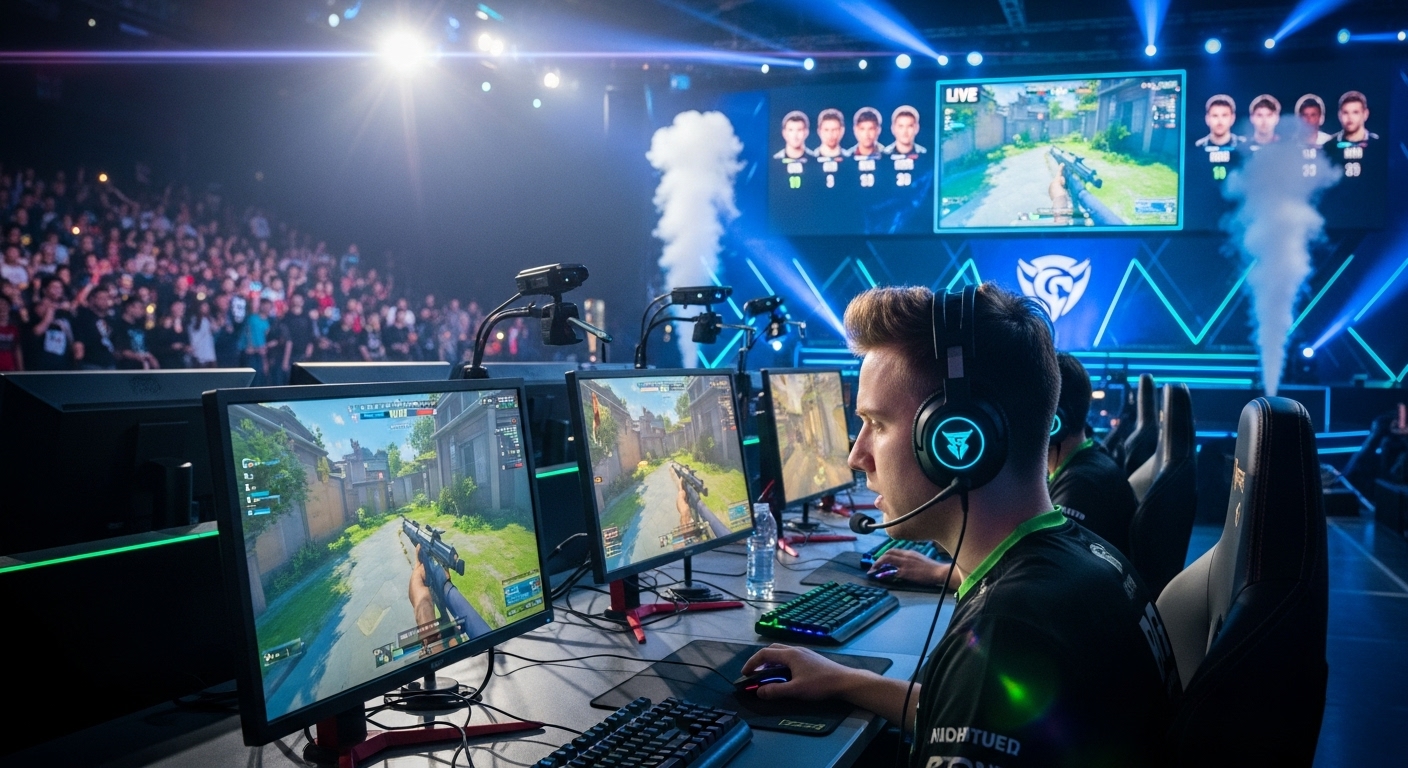
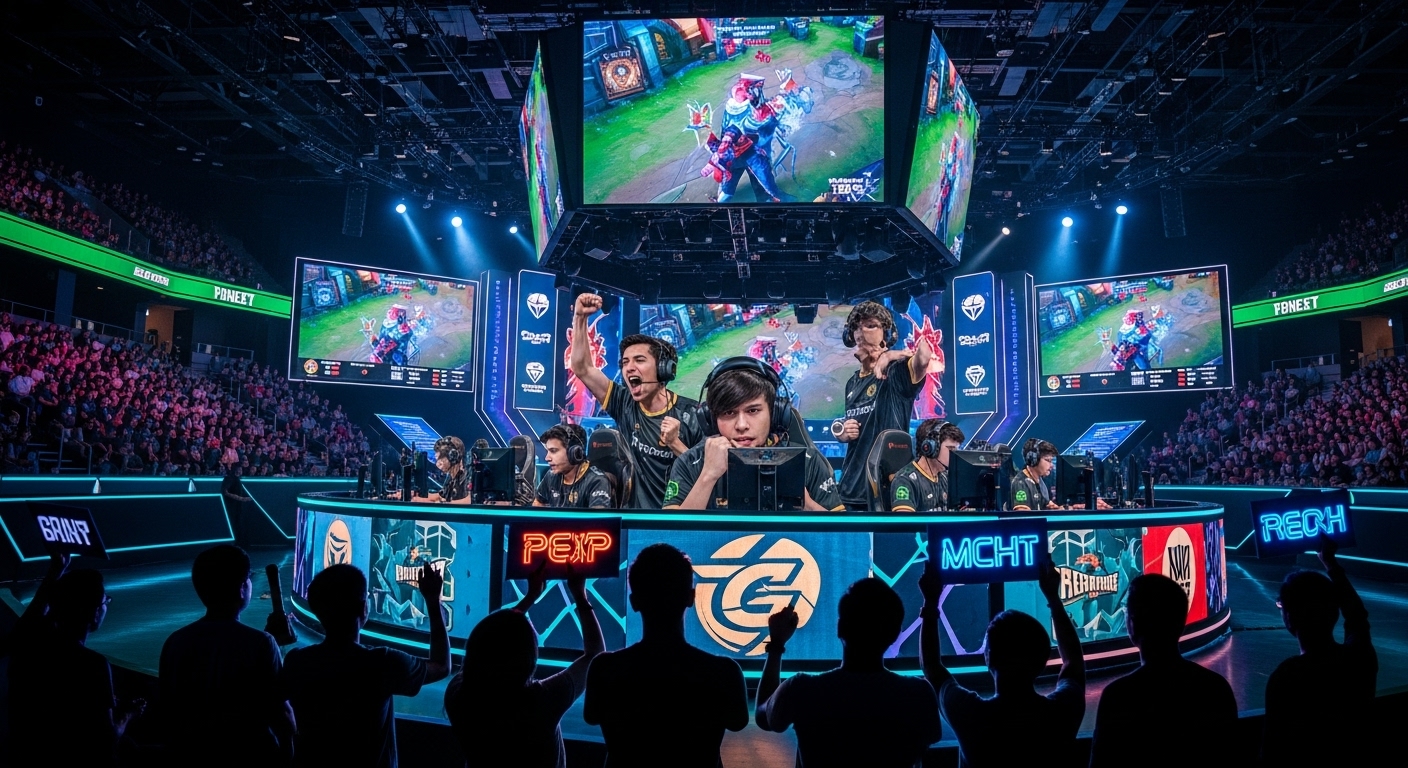
Esports organizations have also become major business entities. They secure sponsorships from major brands, attract media deals, and build global fanbases. Cities like Los Angeles, Shanghai, and Berlin host world-class Esports arenas where thousands of fans attend events, cheering for their favorite teams with the same enthusiasm seen in traditional sports.
Streaming and the Rise of Gaming Celebrities
One of the most transformative developments in Esports has been the rise of live streaming. Platforms such as Twitch, YouTube Gaming, and Facebook Gaming have made it possible for players to broadcast their matches to millions of fans around the world. Streaming has blurred the line between professional competition and entertainment, allowing fans to interact directly with their favorite players.
This new ecosystem gave birth to gaming celebrities—individuals whose popularity rivals that of musicians and actors. Streamers like Ninja, Shroud, and Pokimane have become global icons, earning from sponsorships, donations, and media appearances. What was once a hidden subculture has become a cornerstone of digital entertainment.
Moreover, streaming democratized the world of Esports. Anyone with skill and personality could build an audience, attract sponsors, and transition into professional gaming. The internet gave rise to a new kind of celebrity—one who connects directly with their audience, bypassing traditional media channels.
Esports and Traditional Sports: A New Rivalry and Partnership
The comparison between Esports and traditional sports has been a topic of debate for years. Critics argue that gaming lacks the physical element that defines athletic competition. However, supporters point out that Esports requires intense concentration, reflexes, and mental stamina, all hallmarks of athletic excellence.
Interestingly, the two worlds are no longer in conflict but increasingly interconnected. Major sports organizations such as the NBA, NFL, and European football clubs have invested in Esports teams. Players from traditional sports have also entered the Esports industry as investors or team owners. The FIFA eWorld Cup and the NBA 2K League are examples of how digital and physical sports can coexist and complement each other.
This blending of worlds reflects the evolution of entertainment consumption. Younger audiences, raised on digital media, see no distinction between watching a soccer match and a League of Legends final. Both offer competition, emotion, and community.
The Global Esports Community
Esports is more than just competition—it is a global community. Gamers from every continent participate in tournaments, forums, and online discussions. Language barriers fade away when teams coordinate through universal gaming mechanics. The community’s diversity is one of its most beautiful aspects.
Events like EVO for fighting games and DreamHack for multiple genres bring fans together in massive festivals celebrating creativity and competition. Cosplay, art, and fan-made content add to the culture, making Esports not just about gaming but also about expression and identity.
Esports has also opened doors for inclusivity. Women and marginalized groups are increasingly participating, challenging stereotypes and creating space for new voices. Initiatives to support diversity in gaming continue to grow, ensuring the community evolves with fairness and equality.
The Economic Power of Esports
The Esports industry has become a multibillion-dollar sector. Revenue comes from sponsorships, advertising, ticket sales, media rights, and in-game purchases. Major corporations recognize the marketing power of Esports, targeting the younger demographic that consumes digital content more than traditional media.
Esports has also created employment opportunities beyond players. There are commentators, event organizers, graphic designers, software developers, journalists, and marketing experts—all contributing to the industry’s ecosystem. Educational institutions now offer degrees in Esports management, preparing future professionals for this dynamic field.
Cities around the world are building Esports arenas, and governments are supporting Esports tourism. The economic potential is immense, making Esports one of the fastest-growing entertainment industries of the 21st century.
Challenges Facing the Esports Industry
Despite its success, Esports faces challenges. Issues like player burnout, match-fixing, and cheating remain concerns. The mental and physical strain of constant competition can take a toll on young players. Without proper regulation and player welfare systems, the industry risks exploitation.
Another challenge is maintaining integrity and fairness across global competitions. Since Esports operates in a digital space, it is susceptible to hacking, latency issues, and online harassment. Moreover, the rapidly changing landscape of games means that what is popular today might fade tomorrow, making sustainability a constant concern.
However, organizations and communities are addressing these issues through player unions, improved regulations, and mental health programs. The Esports ecosystem continues to mature, learning from the mistakes of traditional sports and building a more structured environment.
The Future of Esports
The future of Esports looks brighter than ever. With advancements in technology like virtual reality, augmented reality, and artificial intelligence, the possibilities for new gaming experiences are limitless. Esports may soon expand into immersive environments where players and fans can interact more closely than ever before.
Educational institutions are also integrating Esports into their programs, recognizing the teamwork, problem-solving, and leadership skills it fosters. Esports scholarships are becoming common, allowing talented gamers to pursue both education and competition simultaneously.
Furthermore, as internet connectivity reaches more parts of the world, new regions will rise as Esports powerhouses. Africa, the Middle East, and South America are already showing promising growth. The global stage of Esports will continue to diversify, uniting people across cultures and languages through shared digital passion.
Conclusion: A New Frontier of Human Competition
Esports is more than just a modern trend—it is a cultural revolution. It represents how humanity adapts competition, creativity, and community to the digital age. From the early days of arcade tournaments to million-dollar world championships, the journey of Esports is a testament to how technology can redefine human potential.
What began as a hobby for enthusiasts has grown into a professional pursuit that inspires millions. It has blurred boundaries between play and work, entertainment and sport, individualism and teamwork. Esports has proven that passion, skill, and perseverance can thrive anywhere—even in the virtual worlds of pixels and code.
As we move deeper into a digital future, Esports will continue to shape how people connect, compete, and celebrate. It is not merely a game—it is the new global arena where the spirit of competition evolves, reminding us that in every age, humans will always find new ways to test their limits and share their triumphs with the world.