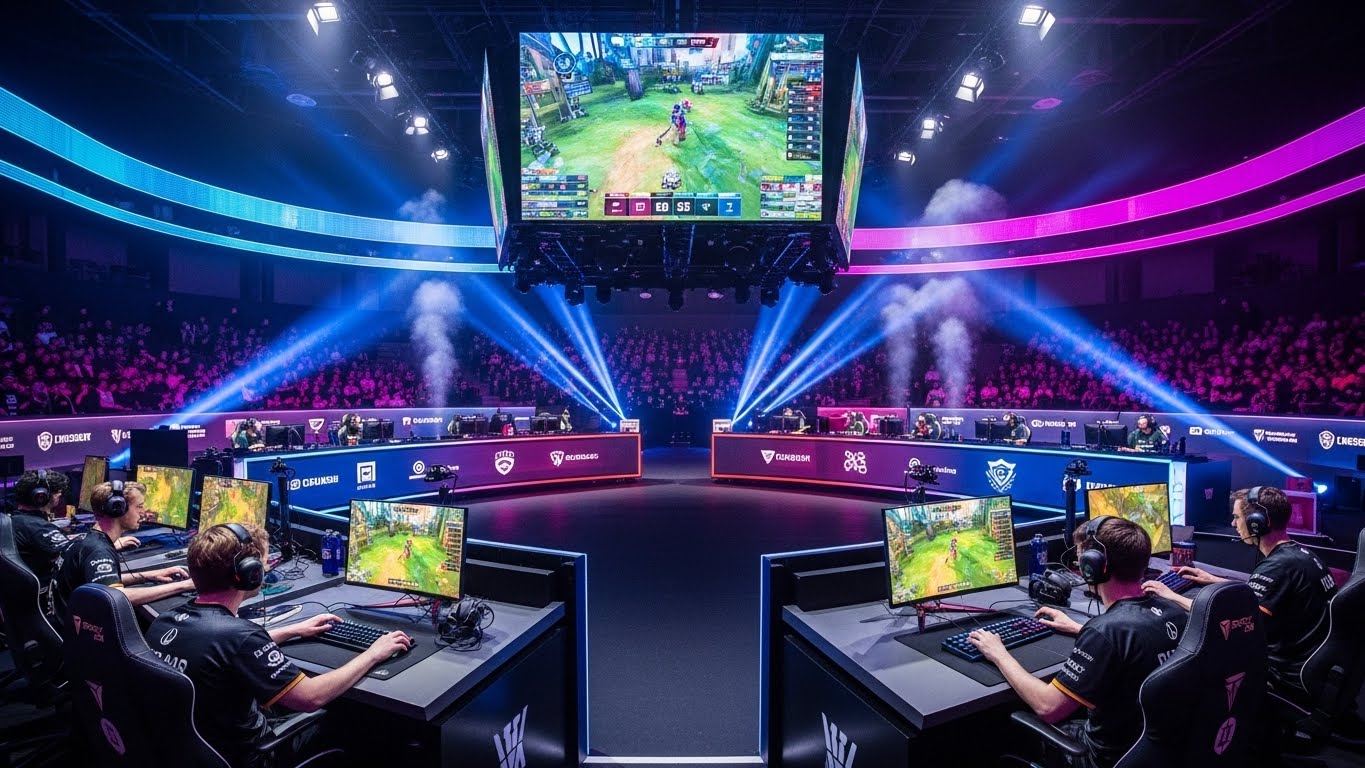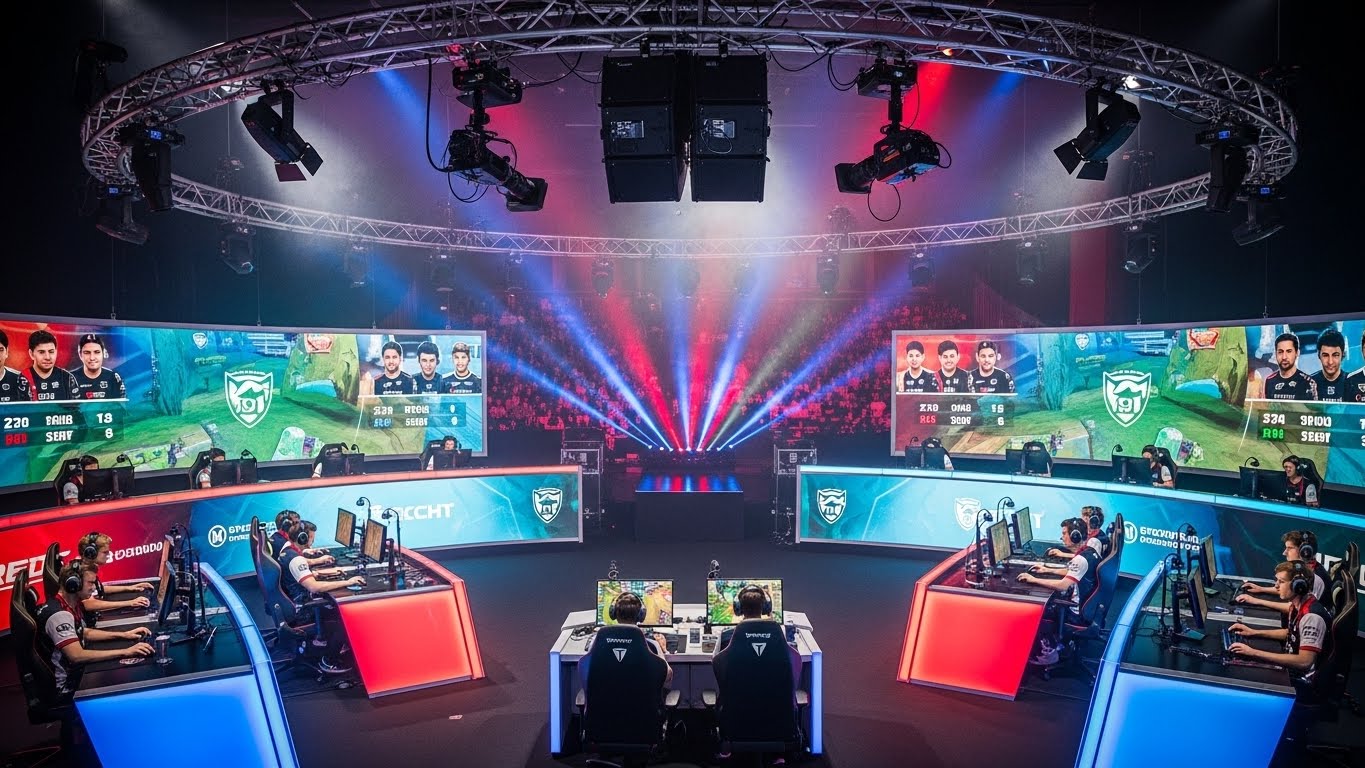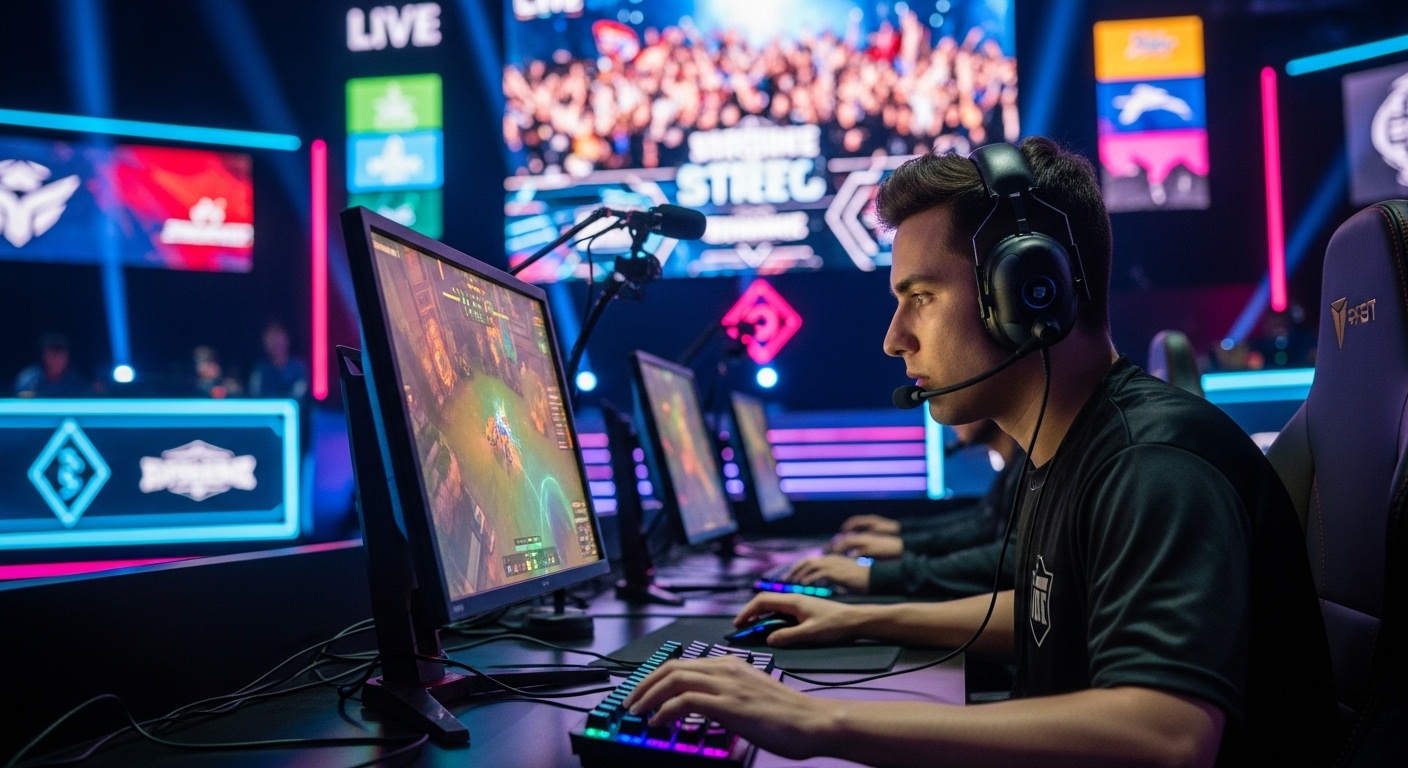
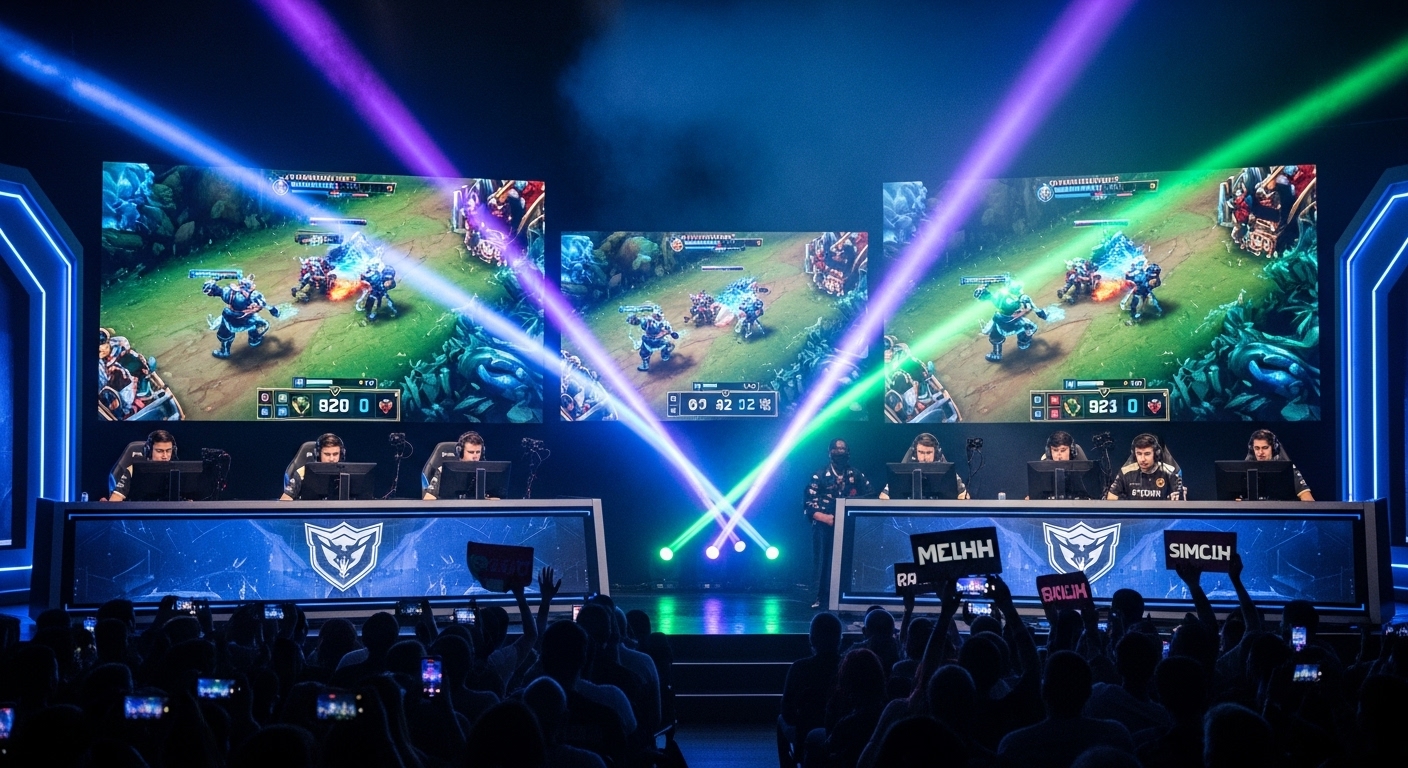
Esports, a term once unfamiliar to many, has now evolved into a global phenomenon that rivals traditional sports in terms of viewership, fan engagement, and professional opportunities. What began as small tournaments between friends has blossomed into a multi-billion-dollar industry with millions of fans and professional players around the world. From League of Legends to Fortnite, esports has captured the imaginations of gamers and spectators alike, offering a unique blend of competition, entertainment, and technology. In this blog post, we will explore the explosive rise of esports, its key components, and why it’s become a major part of the entertainment landscape.
The Origins of Esports: From Casual Play to Global Competitions
Esports didn’t emerge overnight. Its origins can be traced back to the early days of competitive gaming. In the late 1990s and early 2000s, multiplayer games like Quake, StarCraft, and Warcraft III laid the foundation for what would later become a full-fledged competitive scene. These games enabled players to connect over the internet, allowing them to test their skills against others across the world.
The first significant turning point for esports came in 1997 with the Red Annihilation tournament for Quake. This tournament, one of the first of its kind, was a precursor to what esports would eventually become: a global competition where players from all walks of life could compete for large prizes and bragging rights. As the internet continued to improve and online multiplayer games became more sophisticated, the rise of esports seemed inevitable.
In the early 2000s, the World Cyber Games (WCG) and Electronic Sports World Cup (ESWC) brought together top players from around the globe. These tournaments were the first major international platforms for esports, creating the model that would later inspire today’s massive global leagues.
The Explosion of Esports: Professional Leagues and International Recognition
By the mid-2010s, esports was no longer just a hobby—it had transformed into a thriving industry. Streaming platforms like Twitch made it easier for gamers to broadcast their gameplay, while simultaneously allowing fans to watch and interact with their favorite players in real time. This shift in how esports was consumed opened up new avenues for growth, as fans could now follow tournaments, learn from the pros, and engage in the excitement.
Tournaments like The International for Dota 2, League of Legends World Championships, and Overwatch League not only grew in size but also attracted major sponsorships from global brands, media companies, and even sports organizations. Prize pools for these tournaments now reach millions of dollars, with The International 10 offering a mind-blowing $40 million prize pool, setting a precedent for future tournaments.
Esports athletes—once considered “just gamers”—are now recognized as professionals with lucrative careers. Some of the best players earn significant salaries, sponsorships, and prize money, while teams are managed like traditional sports organizations, with coaching staff, analysts, and business managers. Esports has carved out its niche as a legitimate career path for talented gamers.
The Diverse World of Esports Games
A key element in the rise of esports is the sheer variety of games played at a competitive level. Different genres of games cater to distinct types of players, ensuring that there is something for everyone. Here are the most popular categories within esports:
Multiplayer Online Battle Arenas (MOBAs)
MOBAs like League of Legends (LoL) and Dota 2 are the cornerstone of the esports industry. In these games, teams of five players work together to defeat their opponents by strategically controlling characters (called “champions” or “heroes”) with unique abilities. Success depends on team coordination, individual skill, and strategic planning. League of Legends, in particular, is a global powerhouse, with its World Championship attracting millions of viewers annually.
First-Person Shooters (FPS)
FPS games like Counter-Strike: Global Offensive (CS:GO), Call of Duty, and Valorant are some of the most fast-paced and exciting esports to watch. These games feature two teams who battle in a variety of game modes, with players using a variety of weapons and tactical strategies to eliminate opponents. The skill and reflexes required for FPS games make them a thrilling spectator experience.
Real-Time Strategy (RTS)
Real-time strategy games like StarCraft II were the first to pioneer competitive gaming in esports. These games involve controlling armies, gathering resources, and engaging in strategic battles in real time. Although RTS games have been eclipsed by MOBAs in popularity, they still hold a significant place in esports, with StarCraft II continuing to have a dedicated player base and a strong tournament scene.
Battle Royale Games
Battle Royale games like Fortnite, PlayerUnknown’s Battlegrounds (PUBG), and Apex Legends have introduced a new competitive format where players drop onto a large map and fight to be the last person or team standing. The unpredictability of these games, combined with their fast-paced nature, has made them immensely popular both casually and in esports tournaments. Fortnite, in particular, has broken viewership records with events such as the Fortnite World Cup.
Fighting Games
Fighting games, such as Street Fighter V, Tekken 7, and Super Smash Bros., have long been a staple of esports competitions. These games involve two players controlling characters who fight in one-on-one combat. Fighting games are particularly popular in live events, where the excitement of fast-paced action and one-on-one competition creates an electric atmosphere for both players and fans.
Esports Business and Its Growing Influence
The financial ecosystem around esports is one of the major factors behind its rapid expansion. Sponsorships from multinational corporations, including tech companies like Intel and hardware manufacturers such as Logitech, are now commonplace. Major beverage brands, car companies, and telecommunications firms have also joined the esports sponsorship bandwagon. These partnerships bring in huge revenue and provide players, teams, and tournaments with the financial backing needed to grow the industry.
Esports organizations like Cloud9, Team Liquid, and Fnatic have become global brands in their own right. These teams not only compete in major tournaments but also generate revenue through merchandise sales, streaming, content creation, and sponsorships. Professional players have become influencers, often live-streaming on platforms like Twitch and engaging with their fanbase on social media. Some players have even signed endorsement deals with major brands outside the gaming world, bridging the gap between esports and mainstream celebrity.
Media coverage of esports has also surged, with platforms like ESPN and YouTube broadcasting major tournaments. This media presence has legitimized esports as a form of entertainment and has made it more accessible to a broader audience.
The Role of Fans and Community in Esports
Esports fans are some of the most dedicated and passionate in the entertainment world. They support their favorite players and teams, attend live tournaments, and engage with the esports community through social media platforms and forums. The fan-driven nature of esports has made it a vibrant and inclusive scene, where players and fans alike can share their love for the game.
The ability to interact with esports athletes through live streams and social media has helped create a sense of connection between players and fans. Esports is not just about watching the games; it’s about being a part of the larger community that supports these events. Fans can participate in discussions, cheer for their favorite teams, and even contribute to the competitive scene by creating fan art, videos, and other content.
The Future of Esports: Unlimited Potential
As esports continues to grow, its potential seems boundless. One key trend is the increasing integration of mobile gaming into the esports ecosystem. Games like PUBG Mobile and Mobile Legends have brought competitive gaming to a new demographic, especially in regions like Southeast Asia, where mobile gaming is dominant. Esports tournaments held on mobile platforms are becoming more common and are attracting a diverse range of viewers.
Virtual reality (VR) and augmented reality (AR) are also poised to revolutionize esports. With VR technology, players can immerse themselves in virtual arenas, offering a more interactive and dynamic experience for both competitors and fans. While still in its early stages, the potential for VR to enhance esports tournaments and gameplay is immense.
Furthermore, the growing involvement of traditional sports organizations in esports suggests that the two worlds will continue to overlap. Football clubs, basketball teams, and even Olympic organizations have shown interest in the esports scene, and some have even started their own esports teams. This collaboration between traditional sports and esports may open up new opportunities for cross-promotion and fan engagement.
Conclusion: The New Frontier of Competitive Entertainment
Esports is no longer just a hobby for passionate gamers; it is a legitimate, global entertainment industry that is shaping the future of both gaming and competitive sports. With its diverse range of games, professional leagues, lucrative careers, and passionate fanbase, esports has earned its place in the mainstream.
As technology continues to evolve and the business side of esports grows, we can only expect even more exciting developments in the years to come. Whether you’re a player looking to make a career out of your gaming skills or a fan eager to cheer on your favorite team, esports offers a thrilling, high-energy experience unlike any other form of entertainment. The competitive revolution is here, and it’s only just getting started.