Introduction
In the last decade, esports has evolved from a niche activity into a global phenomenon. Once regarded as a hobby for a select few, competitive gaming has grown into a multi-billion-dollar industry with massive audiences, sponsorship deals, and professional players. Today, esports attracts millions of viewers, features complex tournaments, and provides lucrative career opportunities for players, coaches, and analysts alike. Esports’ meteoric rise has transformed the gaming world, and it’s not just a passing trend—it’s a cultural revolution. In this blog post, we’ll explore how esports evolved, what makes it so popular, and what the future holds for this rapidly expanding industry.
The Origins of Esports: Humble Beginnings
The concept of competitive gaming dates back to the early days of video games. In the 1970s and 1980s, arcade games like Pong and Space Invaders offered players a chance to compete against each other, albeit in casual, non-professional settings. As video games became more advanced, multiplayer games started to take shape. Titles like Doom and Warcraft in the 1990s introduced the concept of online play, and LAN (local area network) parties became the epicenter of competitive gaming.
At these LAN parties, gamers would gather in one location and play against one another, connecting via a network. These events were a precursor to the large-scale esports tournaments that would emerge in the coming decades. These small-scale gatherings gradually led to the formation of larger tournaments, and by the late 1990s and early 2000s, esports was becoming an increasingly organized affair.
The Rise of Global Esports Competitions
The early 2000s saw the rise of major esports tournaments, and this is where the competitive gaming scene truly began to gain traction. The World Cyber Games (WCG), launched in 2000, is often regarded as the first truly global esports competition. It featured a diverse range of games, including StarCraft and Counter-Strike, and brought together players from all around the world. This tournament not only popularized esports but also began to legitimize it as a form of professional competition.
At the same time, South Korea emerged as a major hub for esports, largely due to the popularity of StarCraft. South Korean broadcasters began televising StarCraft matches, and professional players quickly became celebrities. The Korean government recognized esports as a form of entertainment, and by the mid-2000s, South Korea had developed a structured professional gaming scene, with live events and a robust online gaming culture.
As esports tournaments grew in both size and scope, the prize money began to increase, attracting more talented players and larger audiences. With this professionalization of esports, gaming companies started to take notice. Game developers like Blizzard and Riot Games began to build competitive scenes around their titles, giving rise to some of the most famous esports games we know today, such as League of Legends and Dota 2.
Esports Streaming: Changing the Way We Watch Sports
One of the most significant catalysts for the explosive growth of esports in the 2010s was the rise of streaming platforms like Twitch and YouTube. These platforms allowed fans to watch esports tournaments live, from anywhere in the world. Players could broadcast their gameplay, share strategies, and interact with fans in real-time.
Twitch, which was launched in 2011, became the dominant platform for esports streaming. The platform grew rapidly, attracting millions of viewers who tuned in to watch professional players compete in games like League of Legends, Counter-Strike: Global Offensive, and Overwatch. Twitch not only gave fans a chance to watch esports but also allowed them to engage with the players they admired.
This interactive aspect of streaming was groundbreaking. Fans could ask questions, send messages, and even donate money to their favorite streamers. Esports was no longer just about the competition—it was about building communities. The success of Twitch and YouTube Gaming made it clear that esports was no longer limited to physical tournaments; it had become a global spectator sport.
Major Tournaments and Expanding Prize Pools
As the esports industry continued to grow, so did the size of the tournaments. Esports events became bigger, more organized, and more lucrative. Prize pools for major tournaments saw exponential growth, with some events offering millions of dollars in prize money.
One of the most iconic examples of this is Dota 2’s International tournament. In its first year, the prize pool for the tournament was just over $1 million. However, thanks to the crowdfunding model introduced by Valve (the game’s developer), the prize pool skyrocketed in subsequent years. By 2018, the prize pool for The International had surpassed $25 million, making it one of the largest prize pools in esports history. This monumental increase in prize money not only attracted top-tier players but also elevated esports into the mainstream.
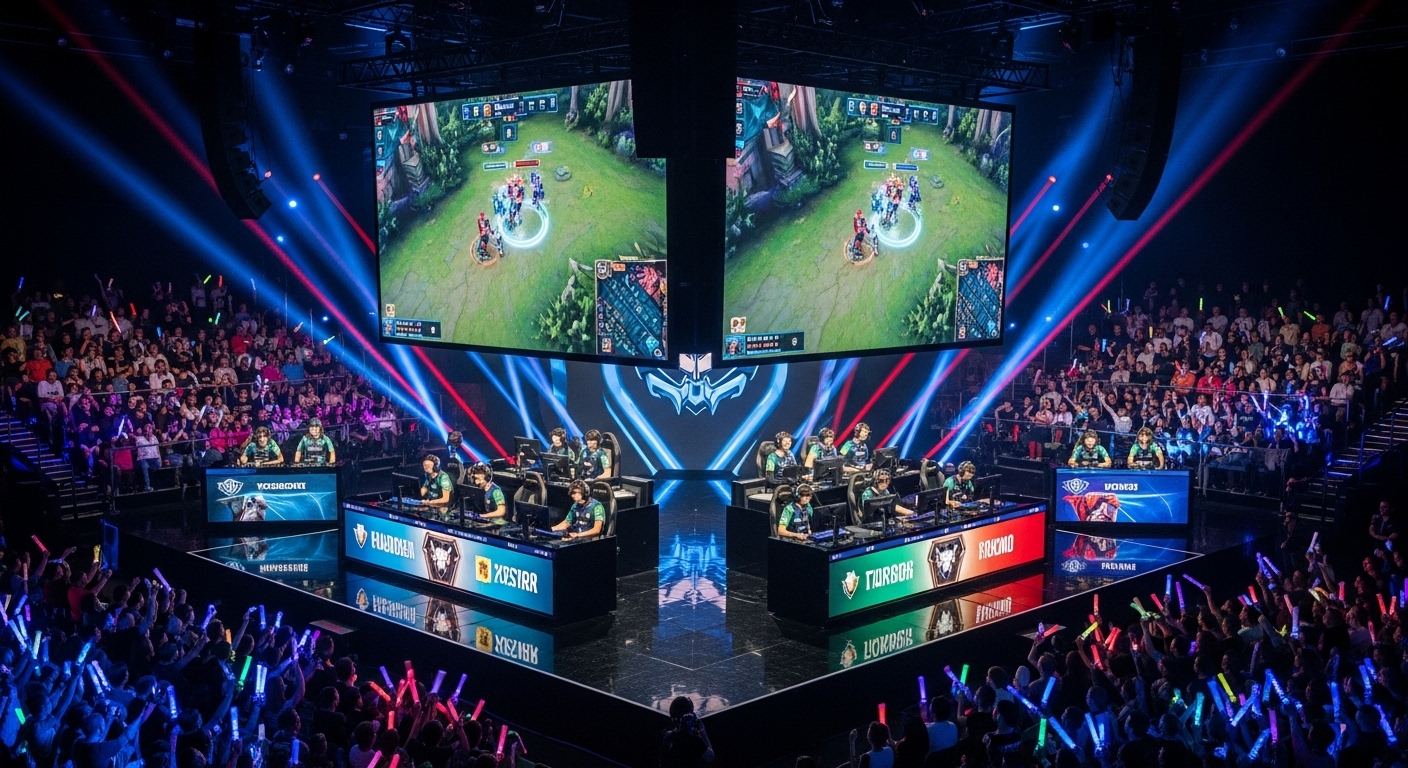
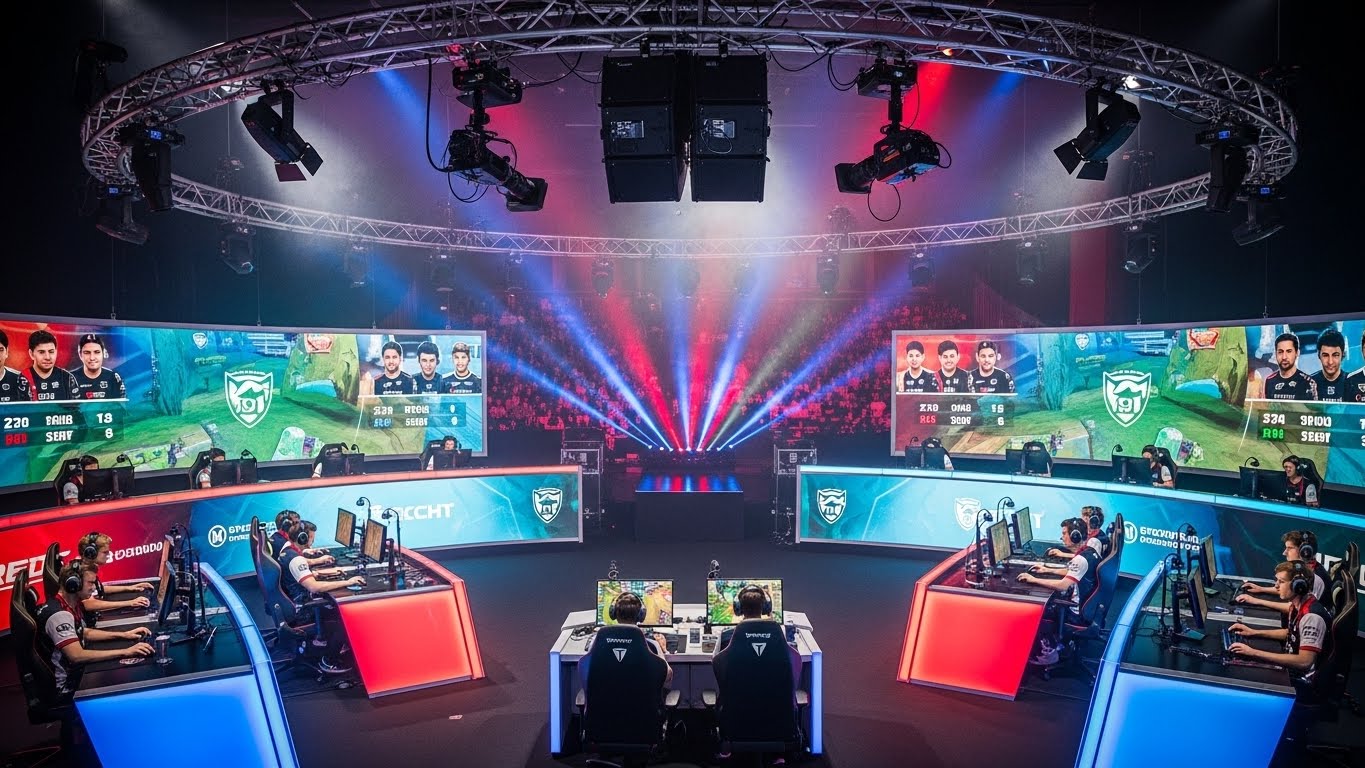
Similarly, League of Legends has become one of the most prominent esports titles, with its annual World Championship offering massive prize pools and drawing millions of viewers. These large-scale events, often broadcast in stadiums and online, have become central to the esports calendar, and companies worldwide have taken notice.
The Growth of Esports Organizations and Sponsorships
As esports gained legitimacy, professional organizations began to form around it. Teams were established, and sponsorship deals were signed. These organizations provided support for players, offering coaching, salaries, and management. With the increase in prize money and sponsorships, esports began to mirror traditional sports leagues in many ways.
Esports organizations also started to gain sponsorships from major corporations, not just game publishers. Companies like Intel, Coca-Cola, and Nike began to sponsor tournaments, teams, and players, recognizing the potential to reach a young, tech-savvy audience. These sponsorships helped professionalize the industry even further and created a sustainable economic model for esports organizations.
The rise of esports teams has also been comparable to traditional sports franchises. Many professional teams now have dedicated coaches, analysts, and performance managers. Teams are recruited and trained to compete at the highest level, and they have dedicated fanbases that support them through merchandise and viewing parties.
Esports and Traditional Sports: Bridging the Gap
One of the most significant developments in recent years has been the convergence of esports and traditional sports. Professional sports organizations have increasingly started to invest in esports, seeing the potential of this digital form of competition. For example, NBA teams like the Miami Heat and Golden State Warriors have launched their own esports teams to compete in NBA 2K tournaments. Similarly, European football clubs such as Paris Saint-Germain and FC Barcelona have also established esports divisions, competing in games like FIFA and Rocket League.
This collaboration has brought new attention and credibility to esports, making it feel more integrated with the traditional sports world. The use of esports as a marketing tool has proven to be effective for these sports organizations, as it helps them reach younger audiences who may not be as interested in traditional sports.
The Global Appeal of Esports
While esports first gained traction in the West and South Korea, its appeal is now truly global. China, Southeast Asia, and parts of Europe have become esports hotbeds, and tournaments are held around the world. League of Legends, PUBG Mobile, and Valorant have massive fanbases in countries like China, South Korea, and the Philippines, while Dota 2 has a strong following in Eastern Europe and Southeast Asia.
The global nature of esports makes it unique compared to traditional sports. While you may have national football leagues or basketball associations, esports transcends borders in a way that traditional sports cannot. A player in Europe can compete against someone in North America or Asia, and the internet allows them to do so from the comfort of their homes.
Furthermore, esports events are often broadcast in multiple languages, allowing fans from different regions to engage with the content. The accessibility and inclusiveness of esports have played a key role in its success, as it has brought together fans from all over the world in a shared passion for gaming.
The Future of Esports: Looking Ahead
Esports is still in its early stages compared to traditional sports, and there is much more to come. One of the most exciting possibilities for the future is the integration of virtual reality (VR) and augmented reality (AR) technologies into esports. These technologies could revolutionize the way games are played and viewed, offering fans a more immersive experience.
The continued growth of mobile gaming is another area of opportunity for esports. As mobile phones become more powerful, esports on mobile devices is poised to become a major sector. Mobile games like PUBG Mobile and Free Fire already boast massive player bases, and it’s likely that mobile esports tournaments will continue to grow.
Esports will also continue to expand its footprint in the mainstream media. As more companies invest in the industry, esports will become even more integrated into popular culture. Whether through partnerships with traditional sports leagues, TV networks, or major tech companies, esports will become an even larger part of the global entertainment landscape.
Conclusion
Esports has come a long way from its humble beginnings in arcades and LAN parties. It has grown into a massive, multi-billion-dollar industry that rivals traditional sports in terms of viewership, sponsorship, and popularity. As more people embrace gaming as both a form of entertainment and competition, esports is set to continue growing. The rise of streaming, sponsorships, and international competition has solidified esports as a cultural force that is here to stay. As we look to the future, one thing is clear: esports is no longer just a trend—it’s a revolution that is changing the world of sports and entertainment forever.