
Esports has rapidly transformed the landscape of entertainment and sports over the past several years. What began as informal video game competitions has now blossomed into a global industry that rivals traditional sports in viewership, revenue, and cultural impact. This blog explores the rise of esports, its current status, and what lies ahead for this dynamic world.
Understanding Esports: Beyond Just Playing Games
At its core, esports means organized, competitive gaming where individuals or teams face off in popular video games. Unlike casual gaming, esports involves professional players who dedicate hours of training to master their skills, develop strategies, and perform under pressure in tournaments that attract massive audiences. These games include titles like Valorant, Dota 2, Fortnite, and Overwatch.
The Phenomenal Growth of Esports
Esports has experienced unprecedented growth fueled by advancements in internet infrastructure, the proliferation of streaming platforms, and the appeal of digital entertainment to younger generations. Millions of viewers tune in to watch live tournaments, while the prize money for top competitions has soared into the millions of dollars, making esports a legitimate career path.
Building the Esports Ecosystem
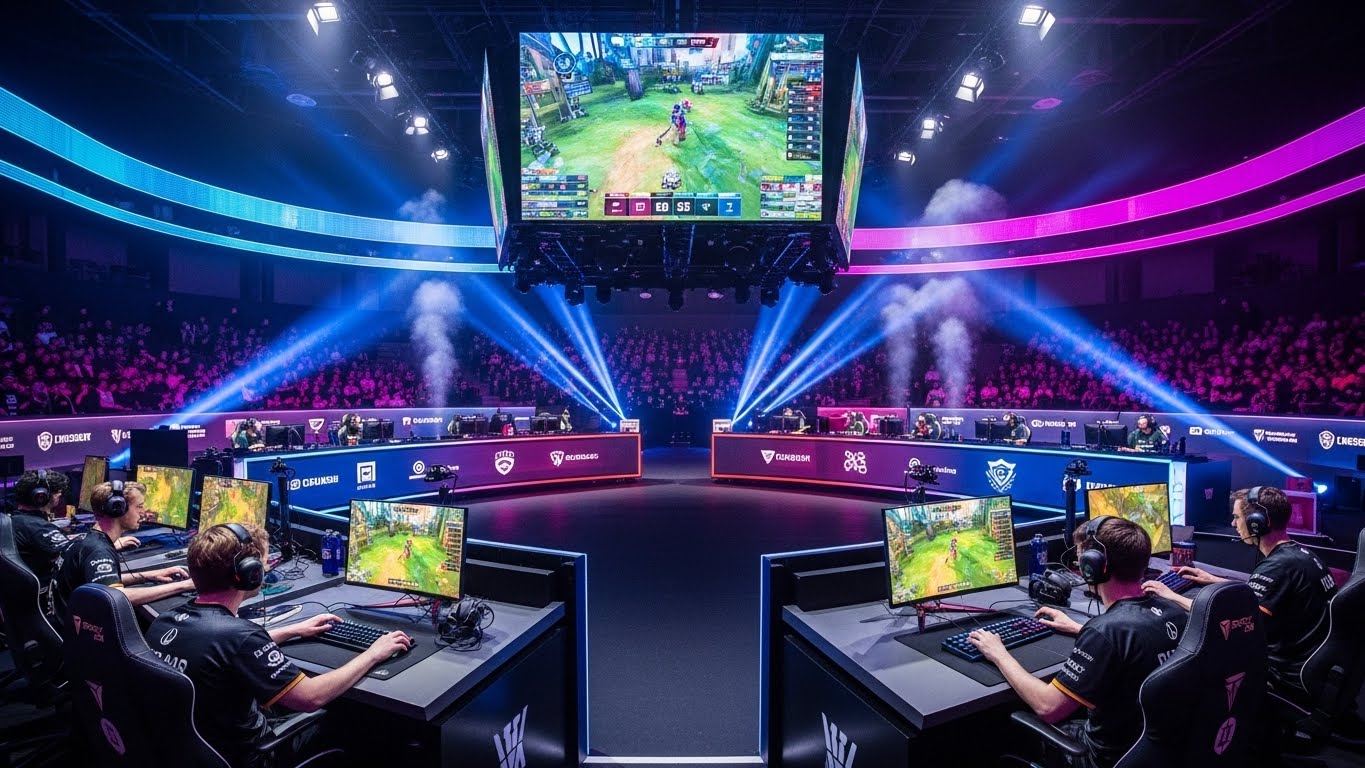
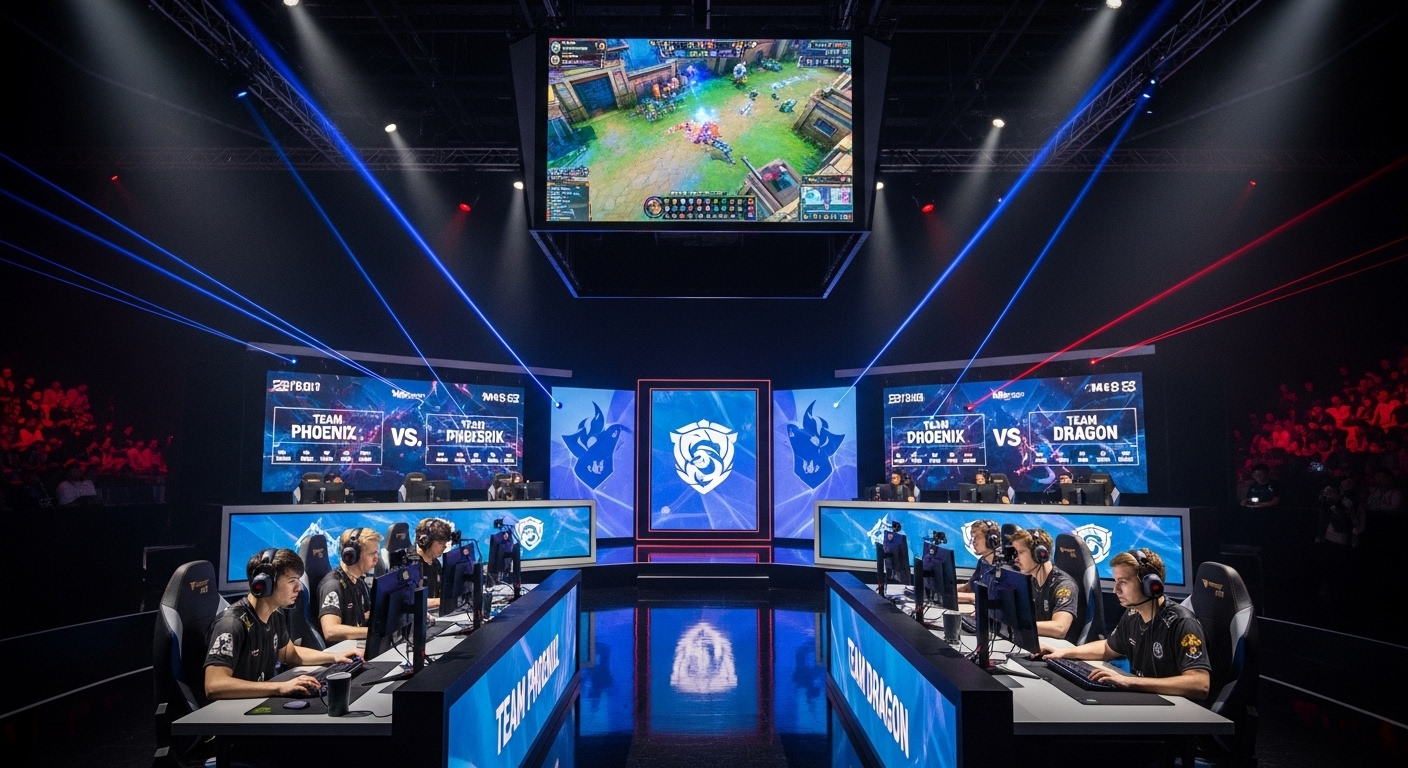
The esports ecosystem comprises players, teams, sponsors, event organizers, and content creators. Professional teams sign contracts with players and compete in leagues supported by game developers and sponsors. Events range from local tournaments to massive international championships held in stadiums. Content creators and streamers play a crucial role in growing the community by engaging fans and offering entertainment beyond competitive matches.
Esports and Its Influence on Society
Esports is more than just a competition; it’s a cultural movement influencing how people socialize, consume entertainment, and even pursue careers. For many, esports provides a sense of belonging and identity. Educational institutions have started offering scholarships and training programs focused on esports, recognizing its potential to shape future opportunities.
Challenges in the Esports Industry
Despite its rapid expansion, esports faces challenges such as player health concerns, including mental health and burnout, the need for standardized rules and regulations, and creating an inclusive environment that welcomes diverse participants. Addressing these issues is essential for maintaining the long-term success and integrity of the industry.
What the Future Holds for Esports
The future of esports looks bright with emerging technologies like virtual reality and artificial intelligence poised to enhance the gaming and viewing experience. Collaboration with traditional sports and increased mainstream media coverage may further elevate esports’ status. The industry will continue evolving, opening doors for innovation and new forms of entertainment.
Conclusion
Esports is revolutionizing how competition and entertainment merge in the digital age. It offers thrilling experiences for players and fans alike while creating new economic and cultural opportunities. As this industry continues to expand and mature, its influence on the world of entertainment will only grow stronger.