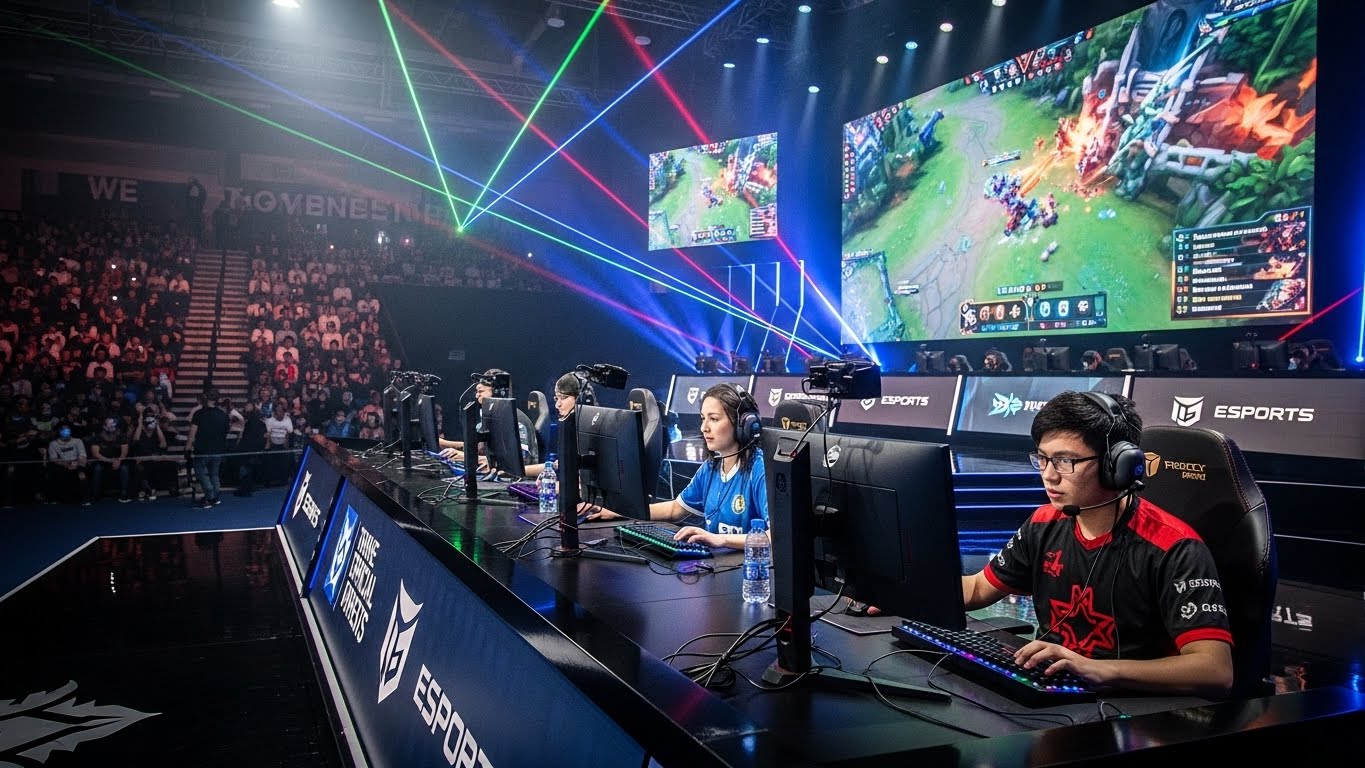
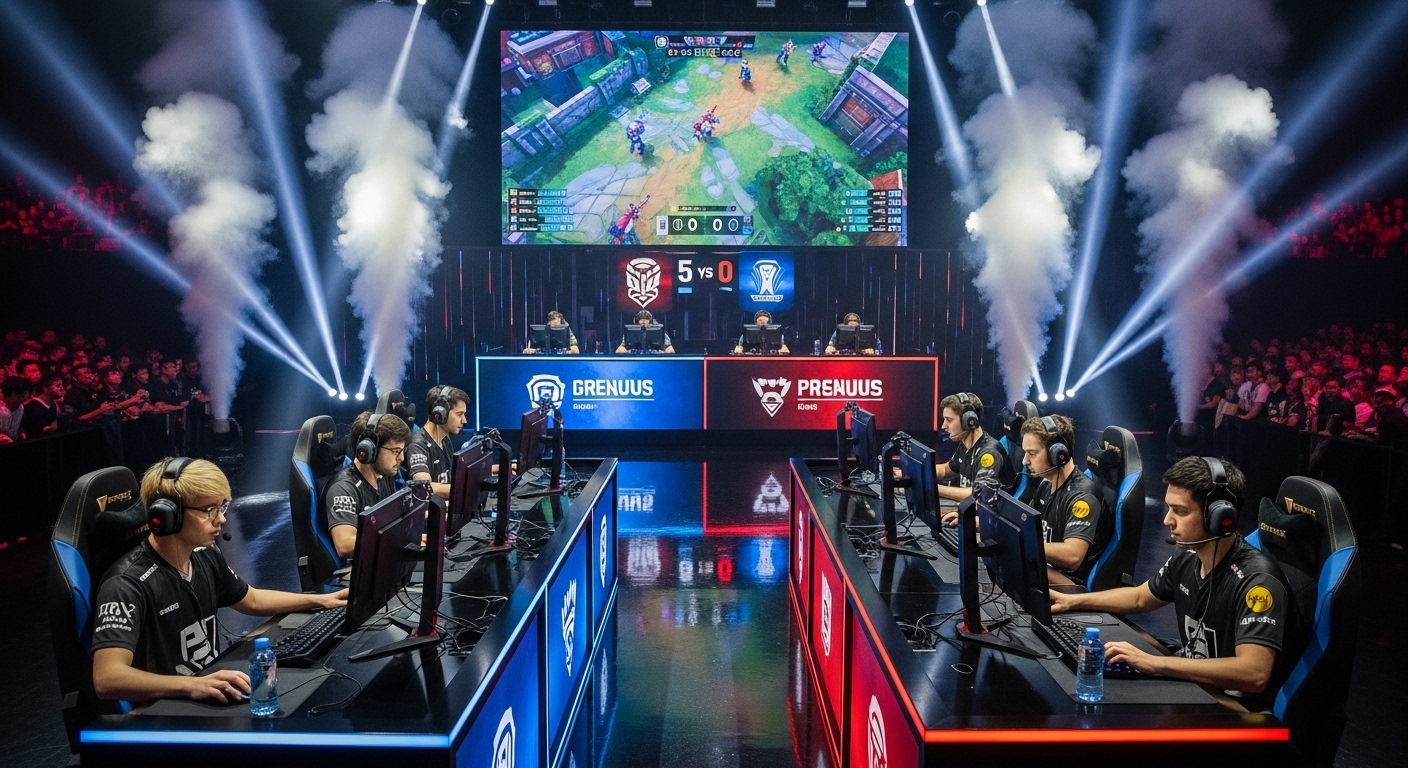
Esports, or competitive gaming, has emerged as one of the most exciting and rapidly growing entertainment industries in the world. What started as a niche community of players competing in small tournaments has transformed into a global phenomenon, attracting millions of fans, massive sponsorships, and even recognition comparable to traditional sports. Esports is more than just playing video games—it is a cultural movement, a professional career path, and a source of entertainment that blends skill, strategy, and community. This blog explores the evolution of esports, its impact on culture and economy, the role of players and teams, and the future of this dynamic industry.
The Birth and Evolution of Esports
Esports has roots that date back to the 1970s and 1980s, when video games became a part of popular culture. Early competitions were small-scale, often held in arcades or college campuses. One of the first recognized esports events was a Space Invaders tournament in 1980 that attracted over ten thousand participants. These events were exciting but limited in reach due to technology and infrastructure constraints.
The 1990s brought networked gaming and competitive multiplayer games, such as Doom, Quake, and StarCraft. These games introduced online competition and strategies, paving the way for modern esports. The early 2000s saw the rise of organized tournaments and professional leagues, particularly in South Korea, where StarCraft became a national obsession. With the internet providing global connectivity, esports began to grow beyond localized competitions into a worldwide phenomenon.
Today, esports includes games from multiple genres, such as first-person shooters, multiplayer online battle arenas, real-time strategy games, sports simulations, and even fighting games. The diversity of esports titles allows players of all skills and interests to participate, while fans have access to a wide array of competitions and entertainment.
Esports as a Professional Career
Unlike casual gaming, esports offers professional pathways for skilled players. Professional esports athletes dedicate hours each day to practice, strategy, and teamwork, much like traditional athletes. They compete in local, national, and international tournaments, earning salaries, sponsorships, and prize money.
Professional esports careers are not limited to players. Coaches, analysts, content creators, referees, and event organizers all play vital roles in the ecosystem. The esports industry has created thousands of jobs worldwide, proving that competitive gaming is a viable and respected profession. Many organizations now operate similarly to traditional sports franchises, managing teams, training facilities, and marketing campaigns.
The Global Esports Industry
The growth of esports has been nothing short of phenomenal. In recent years, esports has attracted billions in revenue through sponsorships, advertising, merchandise, and tournament winnings. Major tournaments, such as The International for Dota 2 or the League of Legends World Championship, draw millions of viewers, both online and in live venues.
The industry also benefits from technological advancements. Streaming platforms allow fans to watch live matches from anywhere in the world, creating a direct connection between players and audiences. Social media amplifies engagement, as fans discuss strategies, celebrate victories, and follow their favorite personalities. The global accessibility of esports ensures that talent and entertainment can thrive beyond geographic boundaries.
The Role of Teams and Organizations
Teams and organizations are the backbone of esports. Much like professional sports teams, they recruit, train, and manage players. These teams often have sponsors, branding, and marketing strategies to maximize their influence. Players become ambassadors of the organization, representing it in competitions and engaging with fans through social media and content creation.
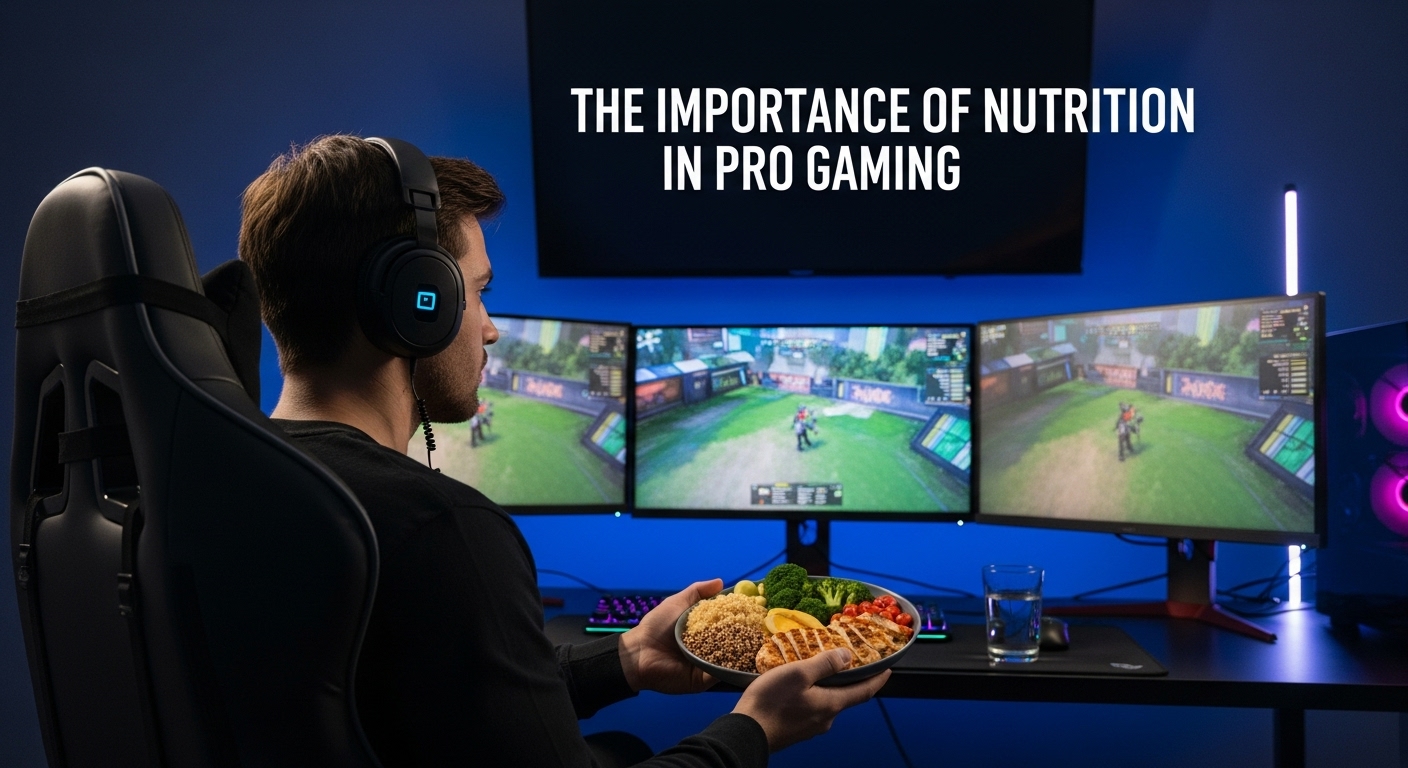
Successful esports teams invest in holistic development. Beyond mechanical skills and gameplay strategy, they focus on physical health, mental well-being, and communication skills. Esports professionals often work with nutritionists, fitness trainers, and psychologists to maintain performance under pressure. This professionalization of esports has elevated the industry and increased its credibility worldwide.
Major Esports Titles and Their Impact
Several games dominate the esports scene, each bringing unique gameplay, strategies, and fan communities.
First-person shooters like Counter-Strike: Global Offensive and Call of Duty demand precision, reflexes, and teamwork. Multiplayer online battle arena games, such as League of Legends and Dota 2, focus on strategy, coordination, and long-term planning. Fighting games like Street Fighter and Super Smash Bros. highlight individual skill, timing, and adaptability. Sports simulation titles, including FIFA and NBA 2K, bridge the gap between traditional sports fans and esports enthusiasts.
These games are more than competitions—they foster communities. Fans analyze strategies, create fan art, and discuss gameplay trends. The depth of engagement strengthens loyalty and expands the reach of esports culture.
Esports as Entertainment
Esports is not just about competition; it is entertainment at its core. Live broadcasts of tournaments feature commentary, analysis, and storytelling, making matches engaging even for casual viewers. High-stakes events generate excitement comparable to major sports finals, with fans cheering for favorite teams and players.
Streaming platforms have revolutionized how esports content is consumed. Fans can watch live gameplay, tutorials, behind-the-scenes content, and interactive sessions with players. Esports personalities have become influencers, connecting with millions of fans and creating a strong entertainment value beyond the game itself.
The fusion of competition and entertainment has created a unique spectacle that appeals to both gamers and non-gamers, bringing esports into mainstream culture.
Esports and Education
The rise of esports has also impacted education. Schools and universities now recognize esports as a legitimate extracurricular activity. Many institutions offer scholarships for talented esports players, allowing them to pursue higher education while honing their gaming skills.
Academic programs focusing on game design, esports management, and digital media provide pathways for students interested in careers in the industry. These programs teach skills such as event management, marketing, communication, and analytics, bridging the gap between gaming passion and professional expertise.
Esports in education fosters teamwork, strategic thinking, and problem-solving skills, proving that gaming can be both fun and educational.
Health and Well-being in Esports
Professional esports requires dedication, but it also presents challenges to physical and mental health. Long hours of practice, high-pressure competitions, and sedentary lifestyles can lead to fatigue, stress, and physical strain.
Recognizing these challenges, many esports organizations prioritize player health. Training regimens often include exercise, balanced nutrition, and mental health support. Mindfulness and stress management techniques are integrated into daily routines to ensure players maintain peak performance. By emphasizing well-being, esports organizations demonstrate that competitive gaming can be sustainable and healthy.
The Future of Esports
The future of esports promises even more growth and innovation. Emerging technologies such as virtual reality, augmented reality, and artificial intelligence will create immersive and interactive experiences for players and fans alike. Cloud gaming may remove hardware limitations, allowing more people to participate in esports without expensive setups.
Esports is also likely to gain broader recognition as a legitimate sport. Governments, sports associations, and educational institutions are increasingly supporting esports programs and tournaments. With expanding global audiences and professionalization, esports is poised to become a permanent fixture in the entertainment and sports landscape.
Conclusion: Esports as a Cultural and Global Phenomenon
Esports is more than competitive gaming—it is a cultural revolution. It combines skill, strategy, storytelling, and community, attracting millions of participants and fans worldwide. The industry provides professional opportunities, fosters social interaction, and offers entertainment that rivals traditional sports.
The evolution of esports demonstrates how technology, creativity, and human connection intersect to redefine entertainment. From its humble beginnings to a global powerhouse, esports has proven that video games are not just a pastime—they are a serious, dynamic, and influential force shaping modern culture.
As esports continues to grow, it will inspire new generations of players, fans, and creators, leaving a lasting impact on the world of entertainment, education, and beyond. Competitive gaming is no longer confined to screens—it has become a global stage where talent, strategy, and passion collide.