Introduction: The New Age of Competitive Gaming
Esports, short for electronic sports, has rapidly evolved from a niche hobby to a mainstream cultural phenomenon. What began as informal competitions between friends on early computer and console games has transformed into a professional global industry attracting millions of fans and players. Esports is more than gaming; it is a platform that merges skill, strategy, entertainment, and technology. Today, it shapes careers, influences culture, and fosters communities across the globe. This rise in popularity has sparked discussions on its cognitive, social, and economic impacts, demonstrating that esports is no longer just about playing games—it is about competition, growth, and human potential in the digital era.
The Evolution of Esports
The history of esports dates back to the 1970s and 1980s when arcade and early PC games introduced competitive elements. Tournaments such as Space Invaders competitions and later events featuring games like Street Fighter and Super Mario established the foundation for organized esports. The 1990s and early 2000s saw the rise of real-time strategy games and first-person shooters, which required higher skill, coordination, and strategic thinking. With the advent of high-speed internet, global online competitions became possible, connecting players across continents. Modern esports encompasses a wide array of genres, including multiplayer online battle arenas, shooters, battle royale games, and sports simulations, reflecting technological advancements and evolving gaming culture.
The Structure of Esports Competitions
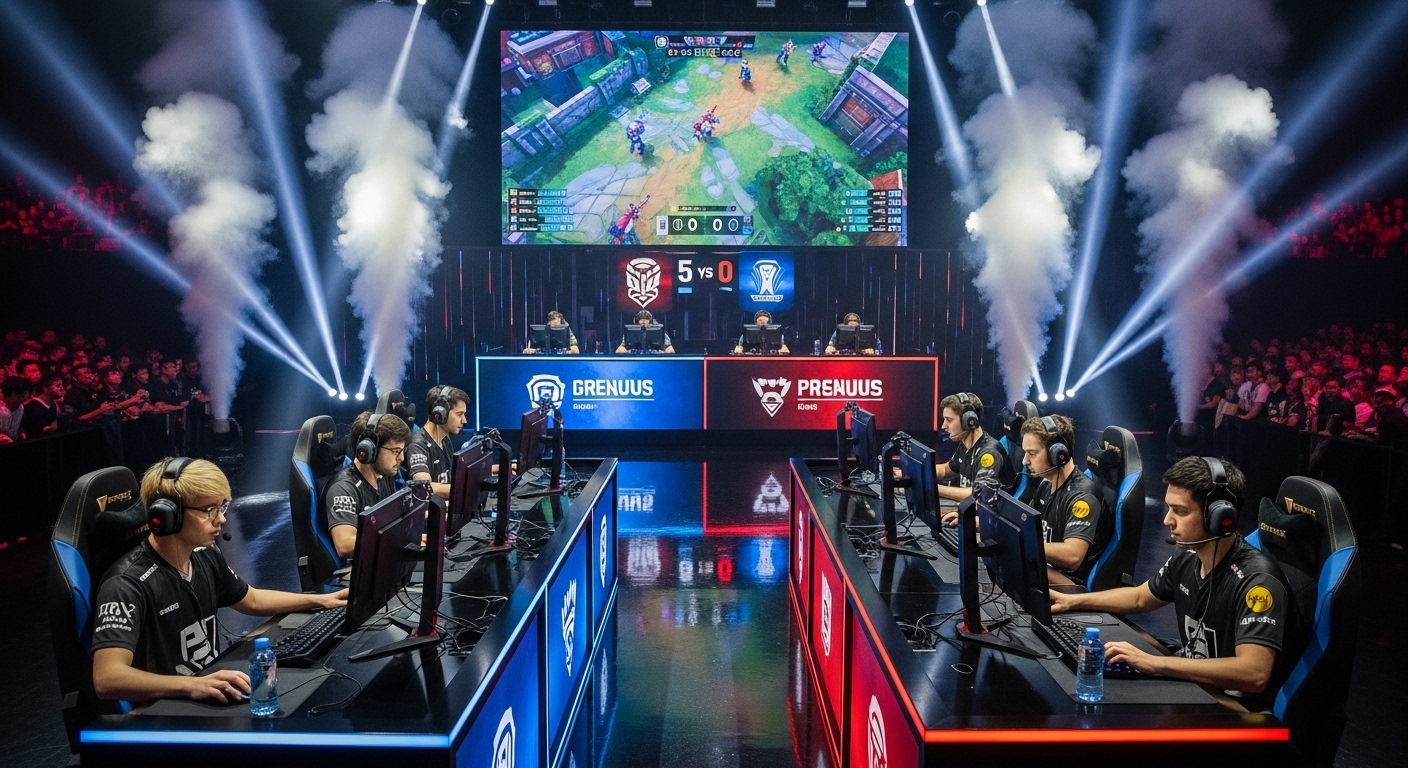
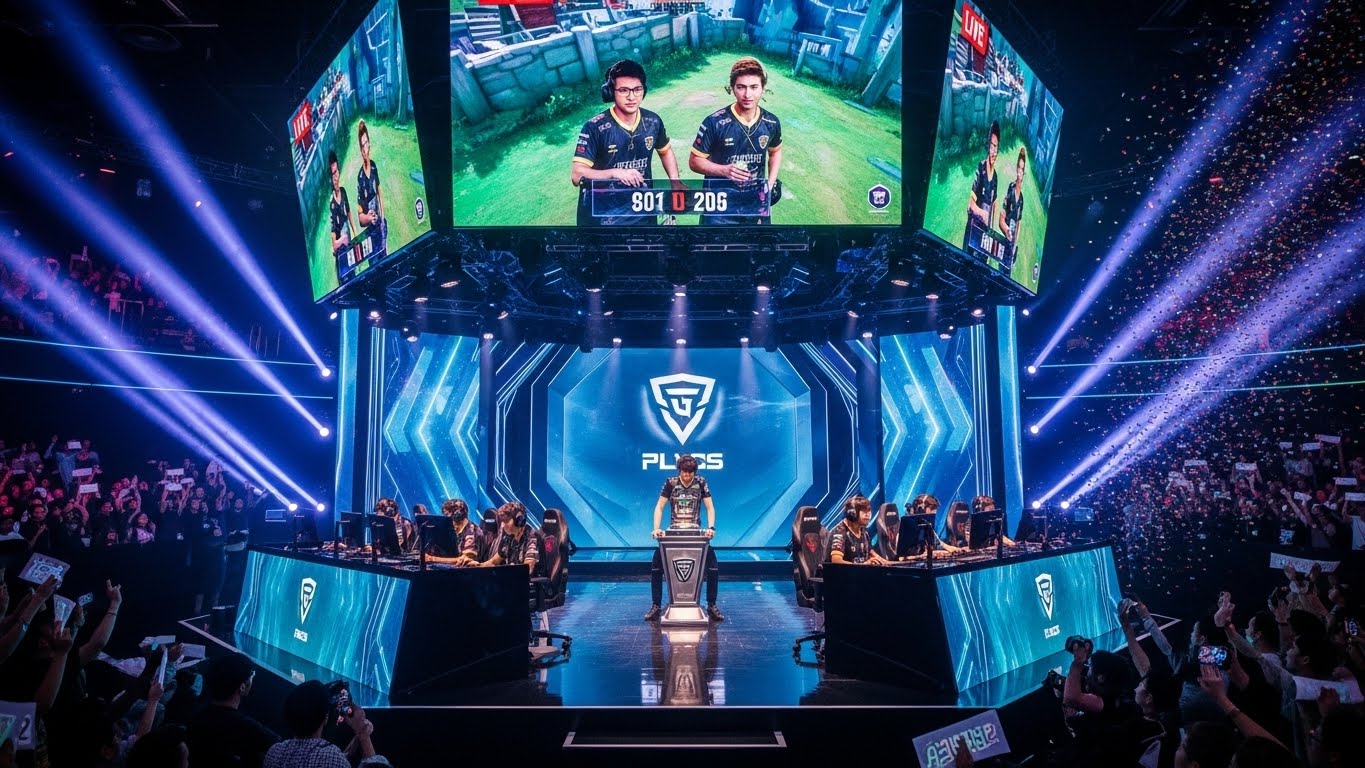
Esports competitions are highly organized and professional. Local, regional, and international tournaments follow structured formats with qualifiers, group stages, and finals. Professional teams consist of players, coaches, analysts, and managers, all working toward optimal performance. Competitive events often offer substantial prize pools, sponsorships, and media coverage, mirroring traditional sports leagues. Broadcasting and streaming platforms allow fans to watch games live, often with commentary, interactive features, and audience engagement. This professional structure has helped esports gain legitimacy, creating a robust ecosystem that supports players, fans, and the industry as a whole.
Cognitive Benefits of Esports
Competitive gaming offers significant cognitive benefits. Esports requires strategic thinking, rapid decision-making, problem-solving, and multitasking. Players must analyze dynamic scenarios, anticipate opponents’ moves, and adjust strategies in real-time. Games often demand a combination of long-term planning and split-second reflexes, enhancing focus, attention, and spatial awareness. These cognitive skills are transferable to real-life situations, improving adaptability, critical thinking, and performance under pressure. Far from being merely entertainment, esports engages the mind in complex and stimulating ways that challenge players intellectually.
Emotional and Psychological Impacts
Esports also has notable emotional and psychological effects. Competing at high levels teaches resilience, patience, and perseverance. Players experience victories, setbacks, and challenges, which foster emotional regulation and a growth mindset. Team-based esports emphasize communication, empathy, and collaboration, while individual competitions enhance self-discipline and confidence. Additionally, gaming provides a controlled environment for risk-taking and experimentation, helping players build problem-solving skills and manage stress. For many, esports offers a sense of purpose, motivation, and achievement, contributing to personal growth and psychological well-being.
Social Connectivity Through Esports
One of the most transformative aspects of esports is its ability to connect people. Online multiplayer games and esports communities bring players together across geographical boundaries. Fans engage with players and teams through live streaming, forums, and social media, creating a sense of belonging and shared culture. Collaborative gameplay fosters teamwork and interpersonal skills, while competitive tournaments inspire friendships and networks. Esports communities provide mentorship, support, and engagement, showing that gaming can be a socially enriching experience. In this sense, esports is not just a form of entertainment—it is a social phenomenon that builds relationships and bridges cultures.
The Rise of Professional Esports
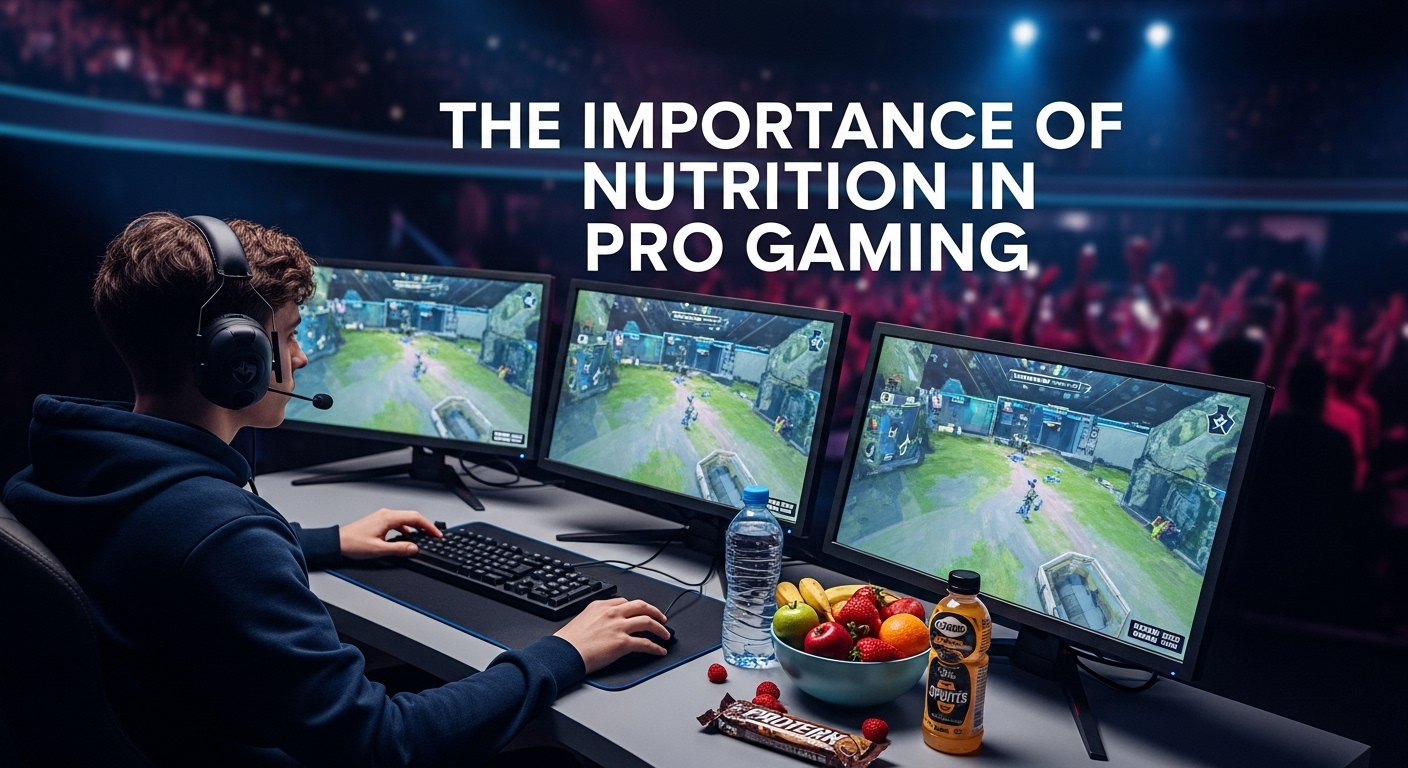
Professional esports has become a legitimate career path for skilled players. Professional gamers train rigorously, often for several hours a day, studying strategies, mechanics, and opponents. They maintain strict routines that include physical fitness, nutrition, and mental conditioning to ensure peak performance. Revenue streams such as sponsorships, tournament winnings, merchandise, and content creation allow esports athletes to earn a living while pursuing their passion. The professionalization of esports has also created opportunities in coaching, team management, event organization, and broadcasting, establishing a multifaceted industry comparable to traditional sports.
The Role of Technology in Esports
Technology is at the core of esports. High-performance computers, consoles, and peripherals enhance precision and responsiveness. Reliable internet connectivity enables real-time global competitions. Streaming platforms provide live coverage, commentary, and audience interaction, making esports an engaging spectator sport. Data analytics, performance tracking, and coaching software allow players to refine strategies and improve skills. Emerging technologies like virtual reality and augmented reality are expanding the boundaries of gameplay, creating immersive experiences for players and fans alike. Technology ensures that esports remains dynamic, accessible, and continuously evolving.
Esports and Education
Esports is increasingly recognized as a tool for education and skill development. Schools and universities around the world are introducing esports programs, offering scholarships, competitive teams, and structured training. These programs teach strategic thinking, teamwork, leadership, and digital literacy. Students develop critical soft skills such as communication, time management, and problem-solving while engaging in competitive gaming. Esports also provides opportunities for students who may not participate in traditional sports, fostering inclusivity and engagement. By integrating esports into educational frameworks, institutions harness its potential to develop skills and prepare students for modern careers.
Global Influence and Cultural Impact
Esports has grown into a global cultural phenomenon, influencing entertainment, media, and social trends. International tournaments attract millions of viewers, creating shared experiences and fandoms. Professional players have become cultural icons, inspiring young gamers and shaping trends in fashion, music, and online content. Esports also promotes cultural exchange, as players and fans from different countries collaborate, compete, and share experiences. This global reach demonstrates that esports is not just a pastime; it is a platform for community building, cultural influence, and identity formation in the digital age.
Health and Wellness in Esports
While esports is primarily a sedentary activity, professional players focus on maintaining physical and mental health. Fitness routines, proper nutrition, and ergonomic setups help prevent physical strain and enhance performance. Mental health support, including stress management, counseling, and rest schedules, is essential to prevent burnout and maintain well-being. Professional esports programs increasingly emphasize a holistic approach, recognizing that peak performance requires a balance of cognitive, emotional, and physical health.
Challenges in Esports
Despite its growth, esports faces several challenges. The competitive nature of the industry can lead to burnout, performance pressure, and mental fatigue. Issues such as toxic behavior, cheating, and unequal access to resources also pose challenges for players and communities. Regulatory frameworks, ethical standards, and fair play practices are still evolving, requiring careful governance. Addressing these challenges is essential to ensure that esports remains a positive, inclusive, and sustainable industry, capable of supporting players and communities worldwide.
The Future of Esports
The future of esports is bright, with continued growth in viewership, technological innovation, and professional opportunities. Virtual reality, cloud gaming, and artificial intelligence are expanding gameplay possibilities, creating immersive experiences for players and fans. Increased recognition in educational institutions and mainstream media further legitimizes the industry. Diversity and inclusion initiatives are broadening participation, ensuring that esports is accessible to people from all backgrounds. Global tournaments and online competitions will continue to unite communities and cultures, highlighting the enduring power of competitive gaming.
Conclusion: Esports as a Transformative Force
Esports is much more than digital gaming; it is a transformative force that influences culture, technology, education, and human development. It engages the mind, builds communities, and provides professional pathways for millions of players worldwide. The rise of esports demonstrates the power of skill, strategy, and dedication in the digital age. By embracing esports as both a cultural and professional phenomenon, society recognizes its potential to redefine competition, entertainment, and human connection. Digital champions are not just players—they are innovators, role models, and a testament to the limitless potential of gaming in the modern world.