Introduction: The New Age of Competitive Entertainment
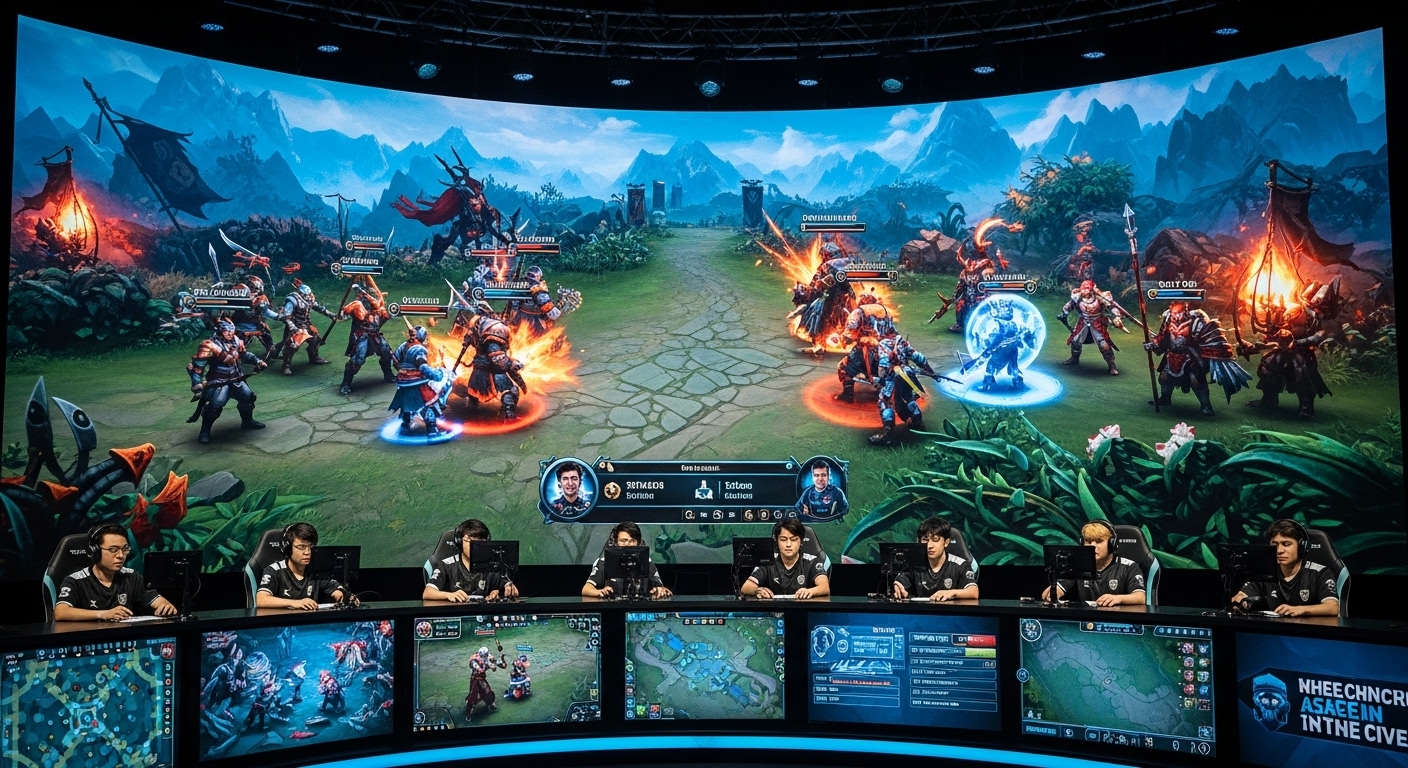
Esports has emerged as one of the most influential forms of entertainment in the modern world. What began as small gaming gatherings and friendly competitions has transformed into a global industry with professional players, massive tournaments, and audiences that rival traditional sports. Esports is more than just gaming; it is a culture, a career path, and a rapidly evolving digital movement. This blog explores the remarkable growth of esports, how it is reshaping entertainment, and why it continues to capture the imagination of millions.
From Arcade Battles to Global Arenas
The roots of esports stretch back to the early days of arcade gaming, where players competed for high scores on classic machines. Although modest, these early competitions sparked something powerful: the thrill of battling others in a virtual world. As video games advanced, so did the competitive spirit surrounding them.
When online multiplayer gaming emerged, it revolutionized how players connected. Suddenly, competition was no longer limited to a single arcade or living room. Gamers could compete with players from different cities, countries, and cultures. This transformation laid the foundation for the esports landscape we see today.
The Rapid Growth of Esports Culture
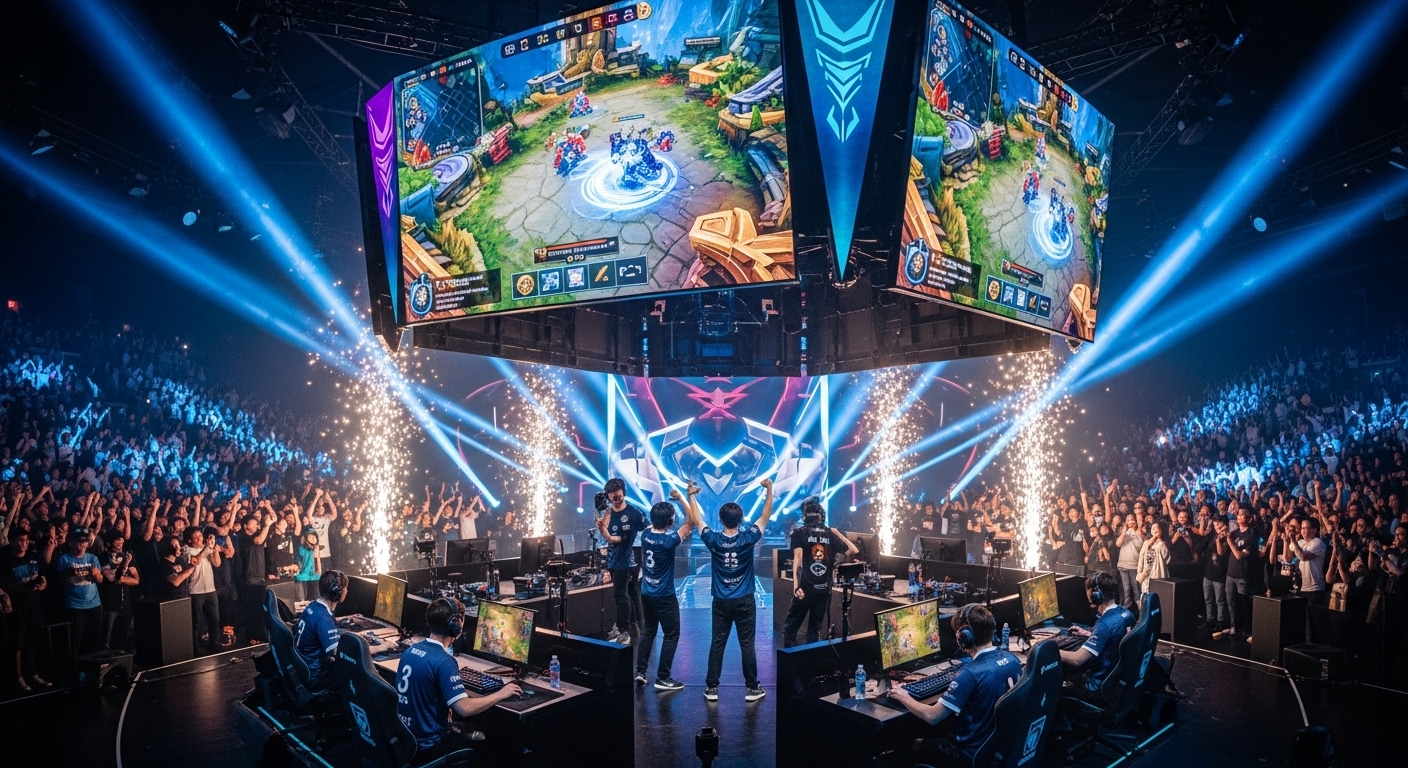
The popularity of esports has grown rapidly, and its audience continues to expand. Millions of people tune in to watch their favorite teams and players compete, not just for entertainment but for the exhilarating experience of witnessing digital mastery. The energy of live competitions, combined with the accessibility of gaming, makes esports appealing to players and viewers of all ages.
Esports culture thrives on community. Fans celebrate victories, analyze strategies, cheer for their favorite players, and engage in discussions that rival those found in traditional sports. The sense of belonging is a major reason why esports has captured such a passionate following.
Professionalism and Structure in Esports
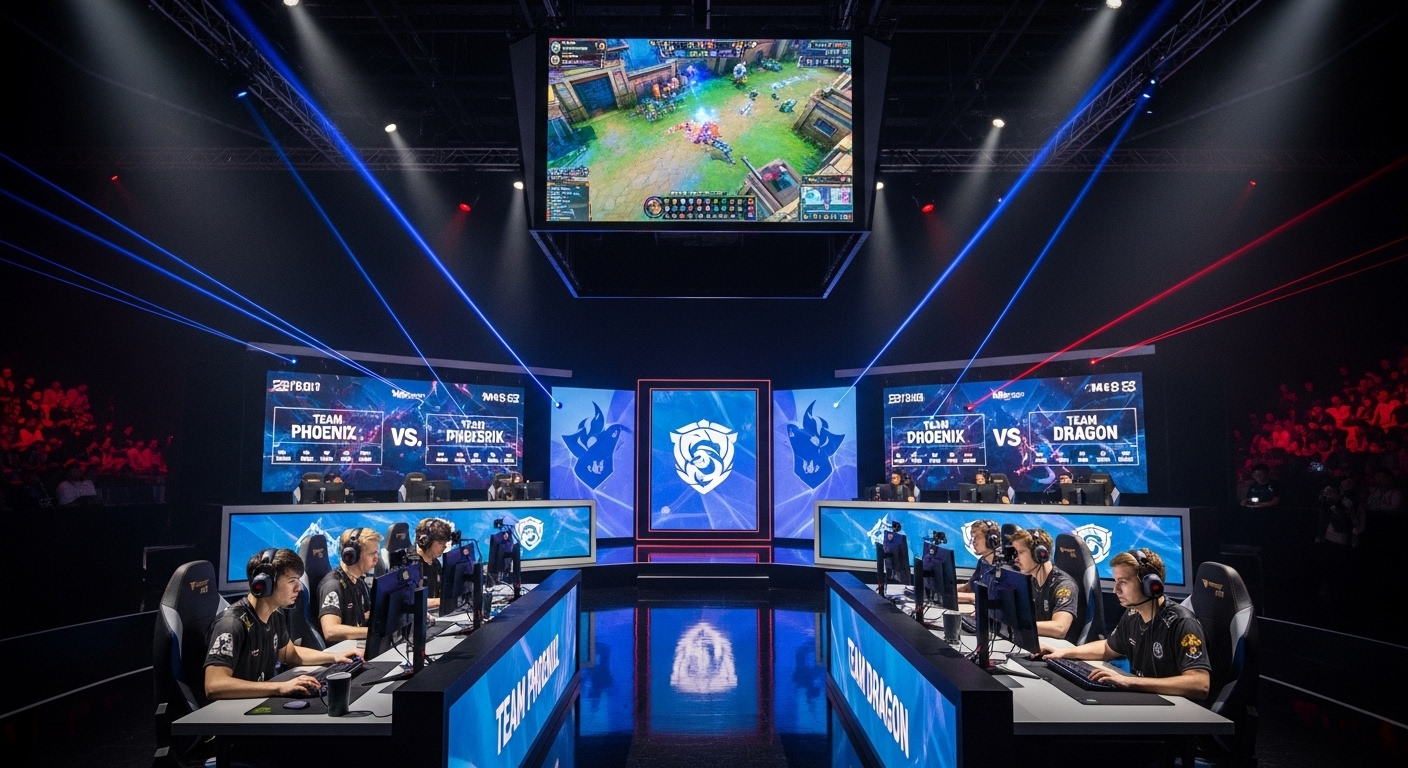
Today, esports functions much like traditional sports, with organized tournaments, team contracts, coaching staff, and detailed training routines. Professional players dedicate hours each day to mastering their games, studying strategies, and practicing teamwork. This level of commitment showcases the discipline required to excel in competitive gaming.
Major competitions offer large prize pools, attracting the world’s top talent. Teams often recruit players through scouting systems, and many organizations invest in technology, analytics, and equipment to stay competitive. The structure of esports highlights its seriousness and long-term potential as a professional industry.
The Players: Icons of the Digital World
Esports players have risen to fame much like professional athletes. Their skill, strategy, and unique personalities draw large fanbases. These players not only entertain but also inspire others to pursue gaming competitively. Their dedication often begins at a young age, with countless hours spent practicing and learning.
Being a professional esports player requires more than quick reflexes. It demands strategic thinking, mental endurance, teamwork, and the ability to perform under intense pressure. The combination of these qualities makes these digital competitors true icons of the modern entertainment world.
The Role of Strategy in Competitive Gaming
Strategy is at the heart of every esports competition. Unlike casual gaming, professional play involves deep analysis, planning, and adaptation. Teams study opponents, develop complex tactics, and refine their communication skills to gain an advantage.
Different games require different forms of strategy. Some involve fast-paced battles, while others focus on long-term planning or precise execution. This variety keeps esports exciting and diverse, offering something for every type of fan and player.
The Rise of Coaching and Training Facilities
As esports has matured, coaching has become a key part of player development. Professional coaches analyze gameplay, pinpoint weaknesses, and create training programs to improve performance. Teams often practice in dedicated facilities equipped with high-end computers, training rooms, and spaces designed for focus and collaboration.
These environments mirror those used by traditional athletes, proving that esports demands just as much preparation, dedication, and discipline. The rise of coaching also emphasizes the importance of teamwork, communication, and mental resilience in competitive gaming.
Esports and Its Massive Global Audience
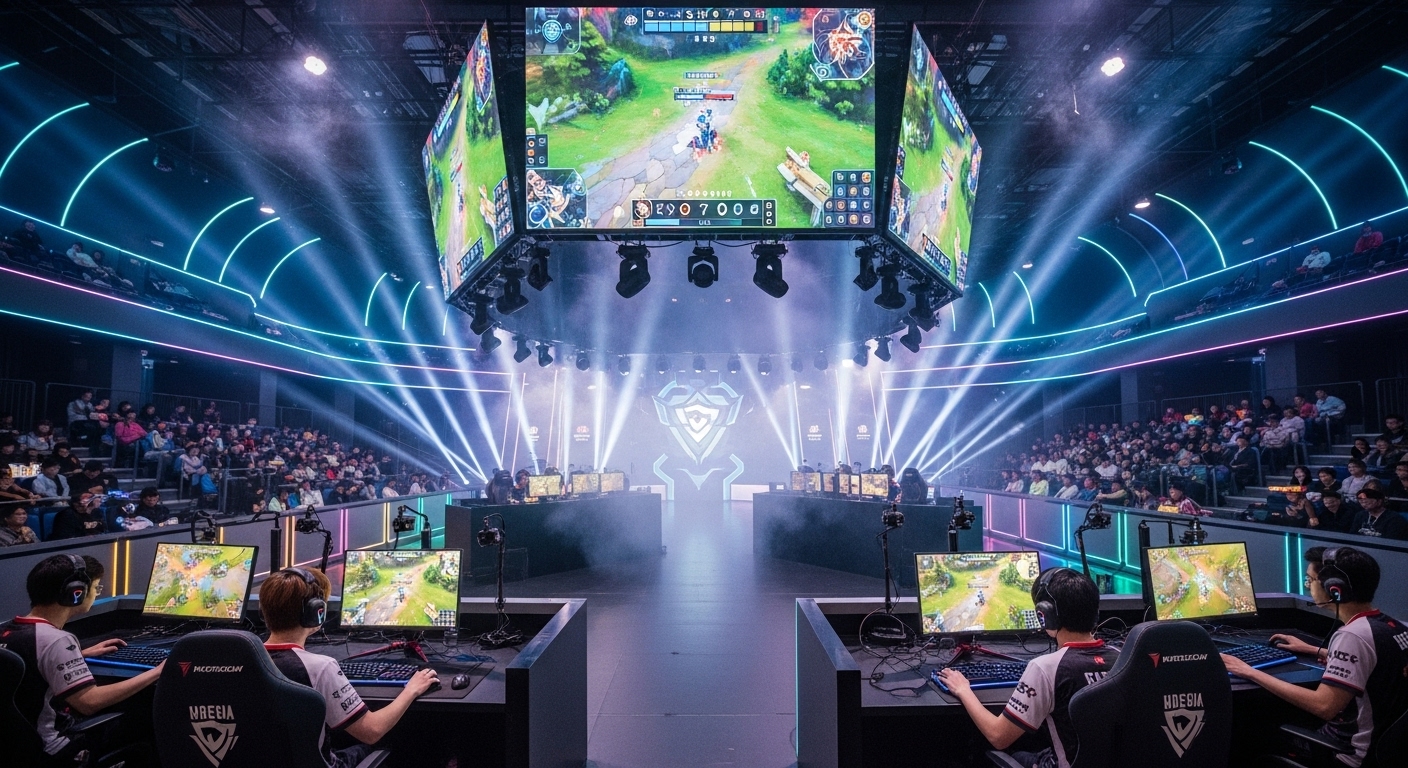
The global audience for esports is one of the industry’s greatest strengths. Millions of viewers from different regions watch tournaments, follow their favorite teams, and participate in discussions. Esports breaks down barriers, connecting people through a shared passion for competition and digital creativity.
Fans support teams with the same intensity seen in traditional sports. They enjoy analyzing plays, celebrating victories, and predicting outcomes. This engagement has turned esports into a worldwide entertainment powerhouse.
The Economic Impact of Esports
Esports is a major contributor to the global economy. It creates jobs in broadcasting, event management, coaching, marketing, software development, and more. Professional organizations generate revenue through sponsorships, merchandise, media rights, and live events.
The industry’s economic growth demonstrates its long-term sustainability. Companies invest in esports because of its active audience and potential for expansion. This financial support helps improve tournaments, support players, and push the industry forward.
The Social Impact of Esports Communities
Esports has become a social space where friendships form and communities thrive. Players collaborate with teammates, share experiences with fans, and connect with people from different backgrounds. Online communities provide support, motivation, and meaningful interactions.
Esports also fosters inclusivity. People from various cultures, skill levels, and walks of life find common ground in gaming. This diversity enriches the community and reflects the universal appeal of digital entertainment.
The Importance of Mental and Physical Wellbeing
While esports may take place on a digital stage, the physical and mental demands are very real. Players must maintain focus, manage pressure, and react quickly. Mental fatigue can affect performance, making rest and balance essential.
Many teams now employ fitness trainers, psychologists, and nutrition experts to help players stay healthy. This holistic approach supports the idea that esports athletes must care for both mind and body to achieve peak performance.
Women in Esports: Breaking Boundaries
Women have made significant contributions to esports, both as players and industry leaders. Although the field has historically been male-dominated, more women are stepping into competitive roles and gaining recognition. Their presence enriches the industry, encouraging inclusivity and inspiring future generations.
Efforts to promote equality and create welcoming spaces continue to strengthen esports as a community where everyone can thrive.
Educational and Career Opportunities in Esports
Esports has created new educational pathways and career options. Schools and universities offer esports programs, scholarships, and training courses for students interested in competition or industry roles. Careers in esports include content creation, coaching, event production, and marketing.
These opportunities show that esports is more than entertainment; it is a legitimate career field with diverse possibilities.
The Future of Esports: Innovation and Expansion
The future of esports promises even more innovation. Advances in virtual reality, artificial intelligence, and interactive media will introduce new forms of competitive gaming. Global tournaments will grow larger, with more teams, players, and fans entering the scene.
Esports will also continue blending with entertainment, education, and technology, shaping cultural trends worldwide. As the industry expands, it will redefine how people connect, compete, and experience digital entertainment.
Conclusion: The Unstoppable Growth of Digital Competition
Esports has evolved from small gaming sessions into a global movement that blends entertainment, competition, and community. Its impact is seen not only in entertainment but in culture, business, and technology. The discipline and passion of players, the energy of fans, and the innovation of the industry all contribute to its unstoppable rise.
Esports continues to inspire, unite, and ignite competition across the world. As it grows, it will remain a defining force in modern culture, shaping the future of entertainment and providing a stage where digital champions rise and shine.