Introduction
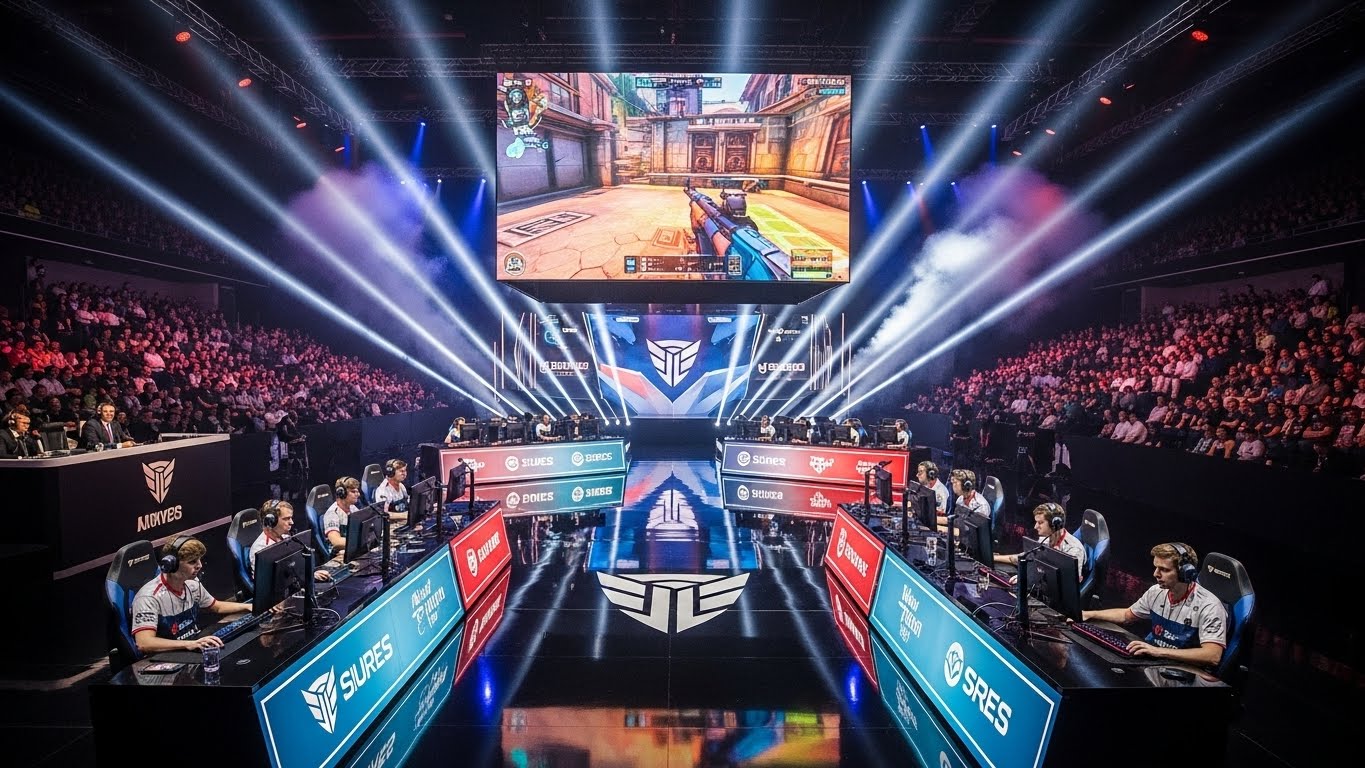
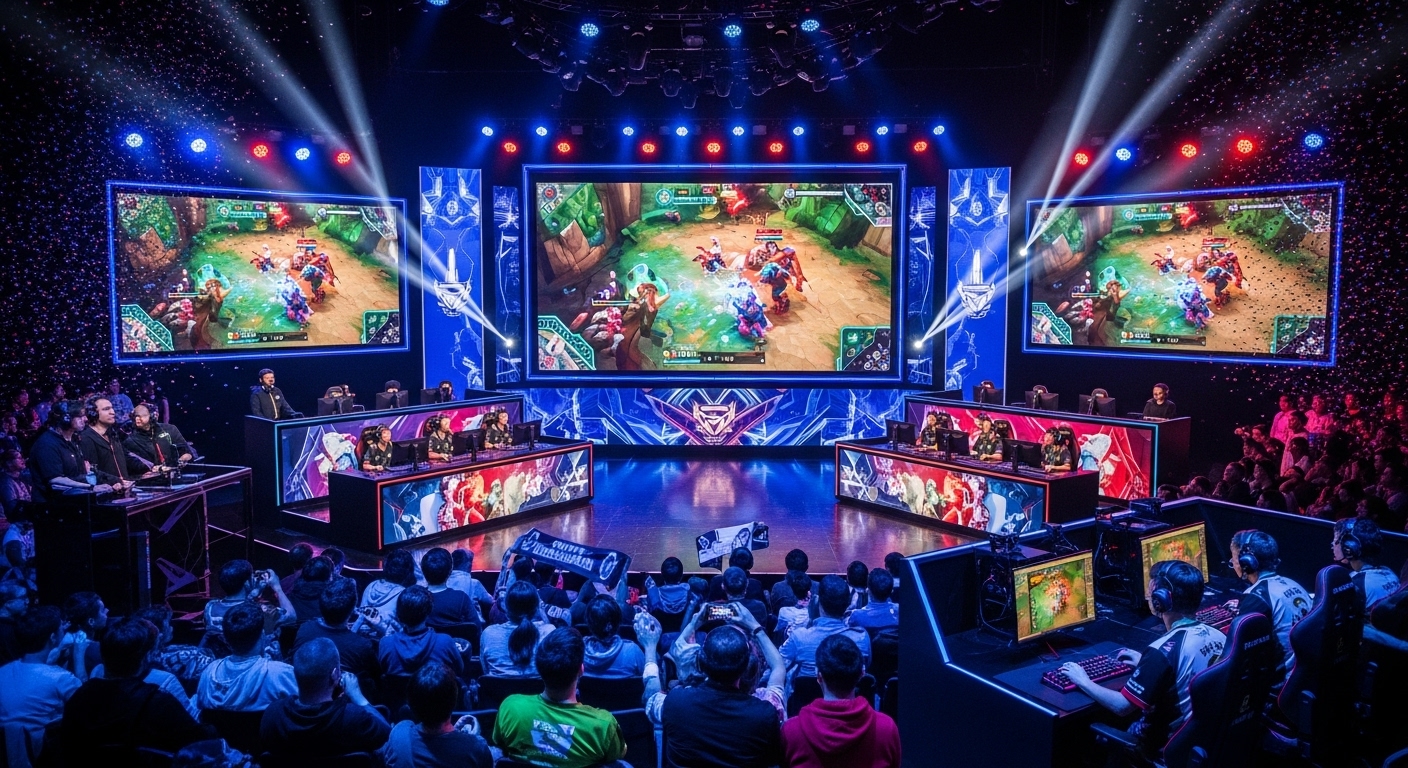
Esports, short for electronic sports, has transformed from a niche hobby into a global phenomenon, capturing the imagination of millions around the world. Once dismissed as mere video gaming, esports has grown into a professional, competitive, and lucrative industry. With massive tournaments, sponsorship deals, and dedicated fan bases, esports now rivals traditional sports in viewership and cultural impact. The rise of esports reflects more than technological advancement; it represents a shift in entertainment, competition, and community building in the digital age.
The Origins of Competitive Gaming
Competitive gaming is not a recent development. Its roots trace back to the 1970s and 1980s, when arcade games and early consoles sparked the first informal competitions. High scores were celebrated and local tournaments began to appear. The 1990s introduced multiplayer PC games, particularly first-person shooters and real-time strategy games, which fostered team-based competition. Games like StarCraft and Counter-Strike became icons of early esports culture, and the concept of organized gaming leagues started to take shape.
As internet connectivity improved, competitions moved online, allowing players from different cities and countries to challenge each other. This digital connectivity laid the foundation for what would eventually become professional esports. What began as a hobby for enthusiasts was slowly evolving into a serious, skill-based pursuit.
The Professionalization of Esports
The 2000s marked a turning point in esports as tournaments grew in scale and professionalism. Professional teams emerged, complete with coaches, analysts, and rigorous training schedules. Games like League of Legends, Dota 2, and Counter-Strike: Global Offensive became staples of competitive play, drawing thousands of players and millions of viewers.
Esports leagues began to mirror traditional sports in structure. Players signed contracts, earned salaries, and competed for substantial prize pools. Sponsors recognized the potential of esports as a marketing platform, and brands ranging from technology companies to apparel giants invested heavily. Today, some tournaments offer prize money exceeding several million dollars, proving that competitive gaming had evolved into a serious industry.
The Global Appeal of Esports
Esports is not limited to one region or culture; it is a truly global phenomenon. South Korea has long been considered the birthplace of professional esports, particularly for games like StarCraft. The country’s infrastructure, including dedicated esports arenas and internet cafés, set a standard for competitive gaming. Europe and North America followed, building their own leagues and attracting international talent.
In recent years, esports has expanded into markets across Southeast Asia, Latin America, and the Middle East. Streaming platforms such as Twitch and YouTube Gaming allow fans to watch competitions in real time, breaking geographic barriers. The global appeal of esports lies in its accessibility; unlike traditional sports that require physical arenas, esports is digital, allowing anyone with a computer or console to participate or spectate.
Popular Esports Titles and Genres
The esports landscape is diverse, encompassing multiple genres of games. Multiplayer online battle arena games, or MOBAs, such as League of Legends and Dota 2, emphasize strategy, teamwork, and fast decision-making. First-person shooters, including Counter-Strike: Global Offensive and Valorant, test reflexes, precision, and coordination. Battle royale games like Fortnite and PUBG combine survival instincts with competitive play. Sports simulations, such as FIFA and NBA 2K, recreate real-world sports digitally while offering competitive platforms.
Each genre attracts its own fan base and professional community. The variety ensures that esports appeals to a broad audience, catering to those who enjoy strategy, action, or immersive simulations. This diversity has been instrumental in transforming esports into a mainstream entertainment phenomenon.
The Rise of Esports Streaming
One of the most significant factors in esports’ growth is the rise of live streaming. Platforms such as Twitch, YouTube Gaming, and Facebook Gaming allow fans to watch tournaments, professional players, and casual streamers alike. Streaming has created an interactive experience, enabling fans to engage with players, comment in real time, and feel part of the action.
Professional esports tournaments now attract millions of viewers worldwide, often surpassing traditional sporting events in online viewership. Streaming has also created new revenue streams for players, including ad revenue, subscriptions, and sponsorships. The ability to broadcast matches globally has elevated esports from a niche hobby to an entertainment powerhouse.
The Economics of Esports
Esports is now a multi-billion-dollar industry with a complex ecosystem. Revenue comes from multiple sources, including tournament prizes, sponsorships, media rights, merchandising, and advertising. Brands increasingly see esports as a way to reach younger, digitally native audiences who engage more with gaming content than traditional media.
Teams and players have also become influential figures, with fan bases rivaling those of traditional athletes. Professional gamers often enjoy sponsorship deals, endorsements, and branded content partnerships. The economics of esports not only support competitive play but also foster an entire economy around gaming, content creation, and digital entertainment.
Esports as a Career Path
Once considered a hobby, esports now offers viable career paths. Professional players dedicate countless hours to training, developing skills, and strategizing for competitions. Coaches, analysts, content creators, and event organizers all contribute to the industry, creating diverse opportunities beyond the game itself.
Esports careers require discipline, teamwork, and adaptability. While some players rise to fame in their teens, others build careers in coaching, streaming, or content production. The profession challenges stereotypes about gaming and demonstrates that skill, strategy, and dedication are just as critical as in traditional sports.
Esports and Education
Esports has also begun to intersect with education. Schools and universities are creating programs and scholarships for competitive gaming, recognizing it as a legitimate form of skill development. Students learn teamwork, strategic thinking, time management, and digital literacy through esports programs.
These initiatives not only nurture future professional players but also develop transferable skills for careers in technology, marketing, and business. Educational programs centered on esports signal its acceptance as both a cultural and professional field, providing structure and legitimacy to competitive gaming.
The Social Impact of Esports
Esports is more than a competition; it is a community. Players and fans connect across the globe, sharing strategies, experiences, and passions. Online platforms foster inclusive communities where individuals who might feel marginalized in traditional sports can find belonging.
Esports also challenges perceptions about age, gender, and physical ability. While physical sports often emphasize strength and agility, esports rewards strategy, reflexes, and mental acuity. This inclusivity makes esports a unique space where talent and dedication are the primary determinants of success.
Challenges Facing the Esports Industry
Despite its rapid growth, esports faces challenges. Burnout is a major concern for professional players who spend long hours practicing under high pressure. Mental health, physical strain, and career longevity are ongoing issues. Additionally, the industry must address concerns such as fair competition, cheating, and online harassment.
Regulation is another area of development. Unlike traditional sports, esports does not have a unified governing body. Tournament rules, player contracts, and competitive integrity can vary widely across regions and games. For esports to maintain its legitimacy, it must continue to develop structures that protect players and ensure fair competition.
The Future of Esports
The future of esports is bright, with potential for continued growth and innovation. Advances in virtual reality, augmented reality, and artificial intelligence could transform gameplay, making experiences even more immersive. Esports may continue to integrate with mainstream entertainment, collaborating with movies, music, and traditional sports to create hybrid events.
Global recognition of esports as a professional sport is also growing. Countries are investing in infrastructure, arenas, and development programs to nurture talent. As technology advances and cultural acceptance increases, esports is poised to become an enduring part of both sports and entertainment culture.
Conclusion
Esports has emerged from humble beginnings to become a global powerhouse, reshaping how we view competition, entertainment, and community. It combines skill, strategy, and technology in ways that traditional sports never could, while fostering inclusivity and connectivity on a worldwide scale. The growth of professional leagues, streaming platforms, and educational programs demonstrates that esports is more than a trend; it is a revolution.
As the industry continues to evolve, it will face challenges, but its potential to inspire, entertain, and unite people is unparalleled. Esports is not just about winning a game; it is about redefining competition, community, and culture in the digital age. Beyond the screen, esports represents the limitless possibilities of human creativity and the future of interactive entertainment.