Introduction: The Digital Sports Revolution
Esports has emerged as one of the most exciting and rapidly growing industries in the world today. What started as small gaming competitions among friends has evolved into a global phenomenon with professional leagues, massive audiences, and lucrative prize pools. The rise of esports is changing how people view sports, entertainment, and even career opportunities in the digital age.
The Evolution of Competitive Gaming
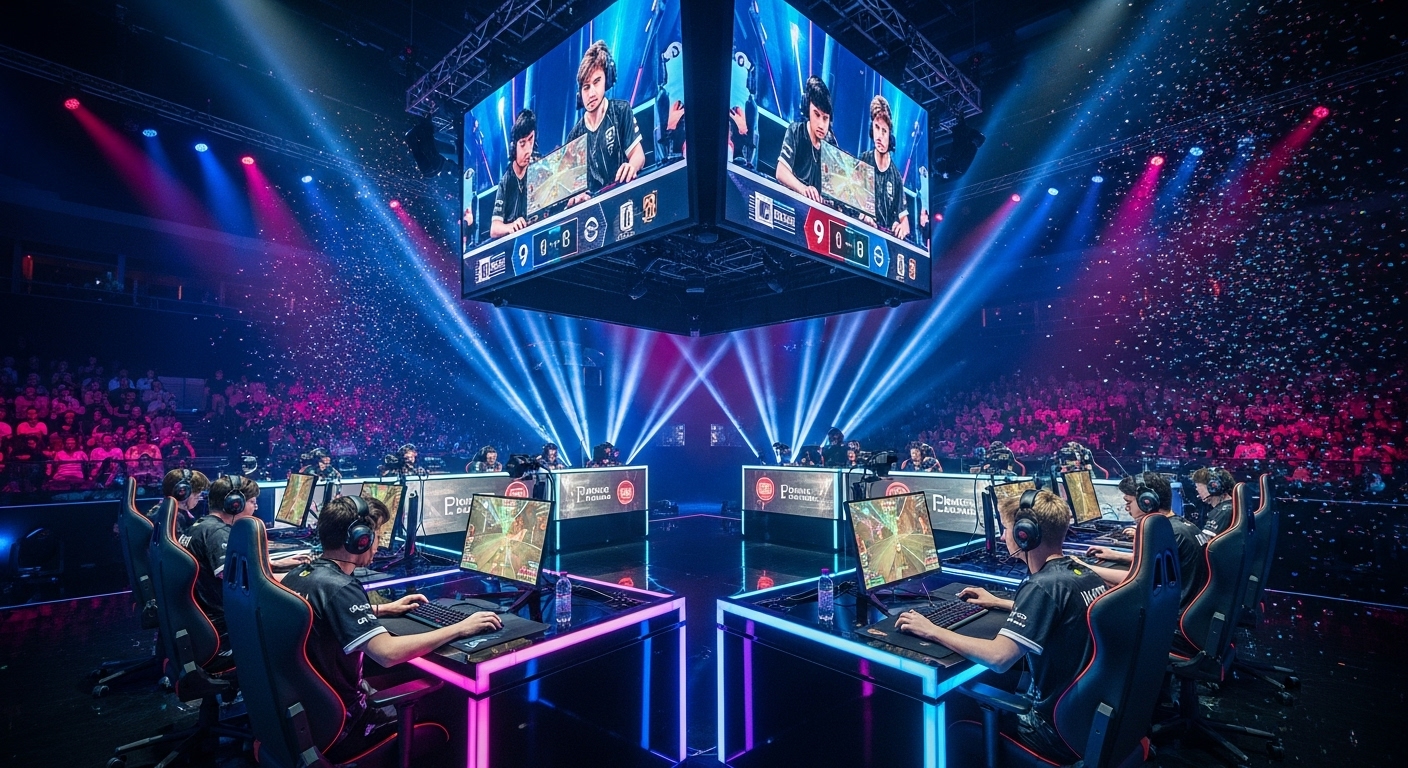
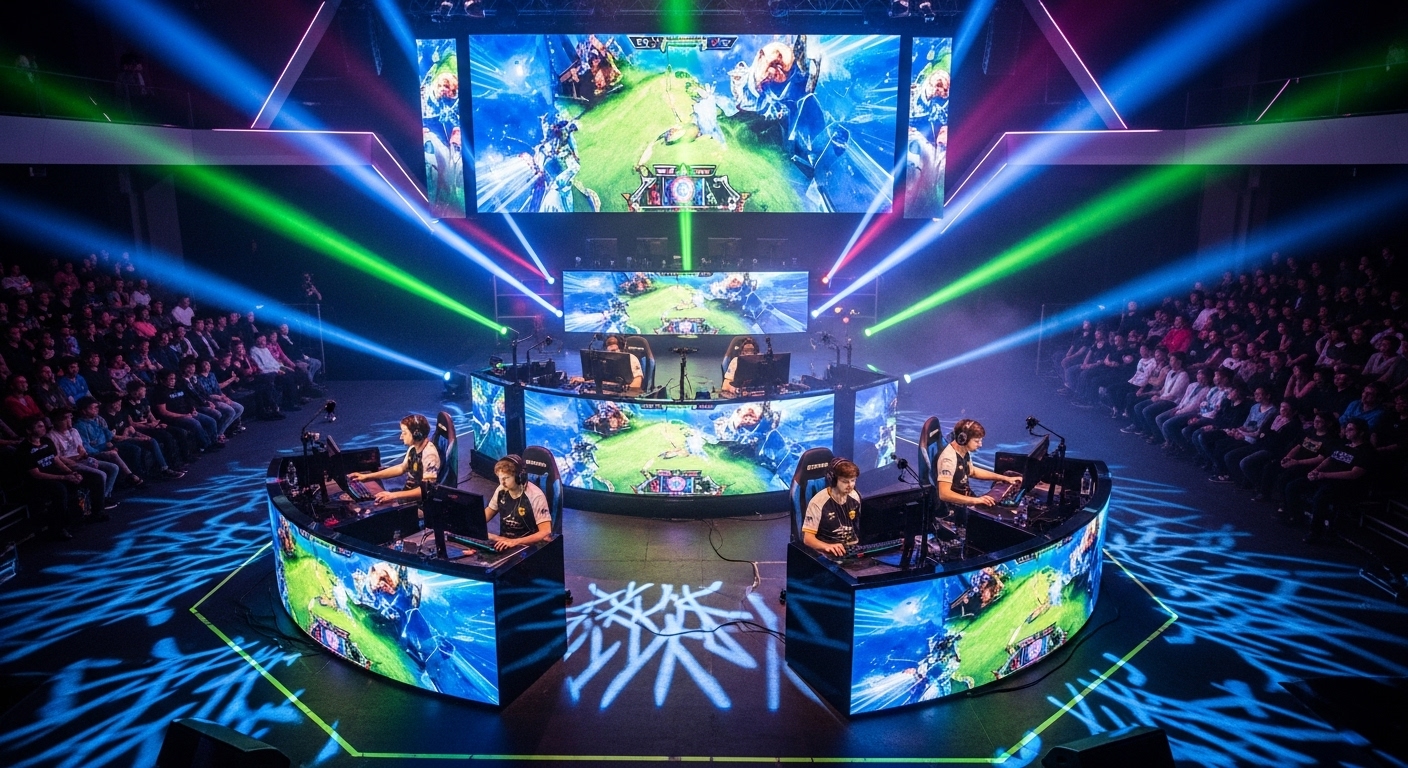
The roots of esports can be traced back to the late 20th century, when games like StarCraft, Counter-Strike, and Street Fighter began attracting competitive players. Early tournaments were small and local, but the development of faster internet and live streaming platforms allowed competitions to go global. Today, esports tournaments fill stadiums and attract millions of viewers online, proving that digital competition can rival traditional sports in excitement and popularity.
The Professional Landscape
Modern esports is highly structured and professional. Teams operate like traditional sports organizations, with managers, coaches, analysts, and support staff dedicated to improving player performance. Players spend hours practicing strategies, studying opponents, and refining their skills. International tournaments such as the League of Legends World Championship or Dota 2’s The International draw massive global audiences, showcasing both skill and teamwork at the highest level.
Economic Impact and Opportunities
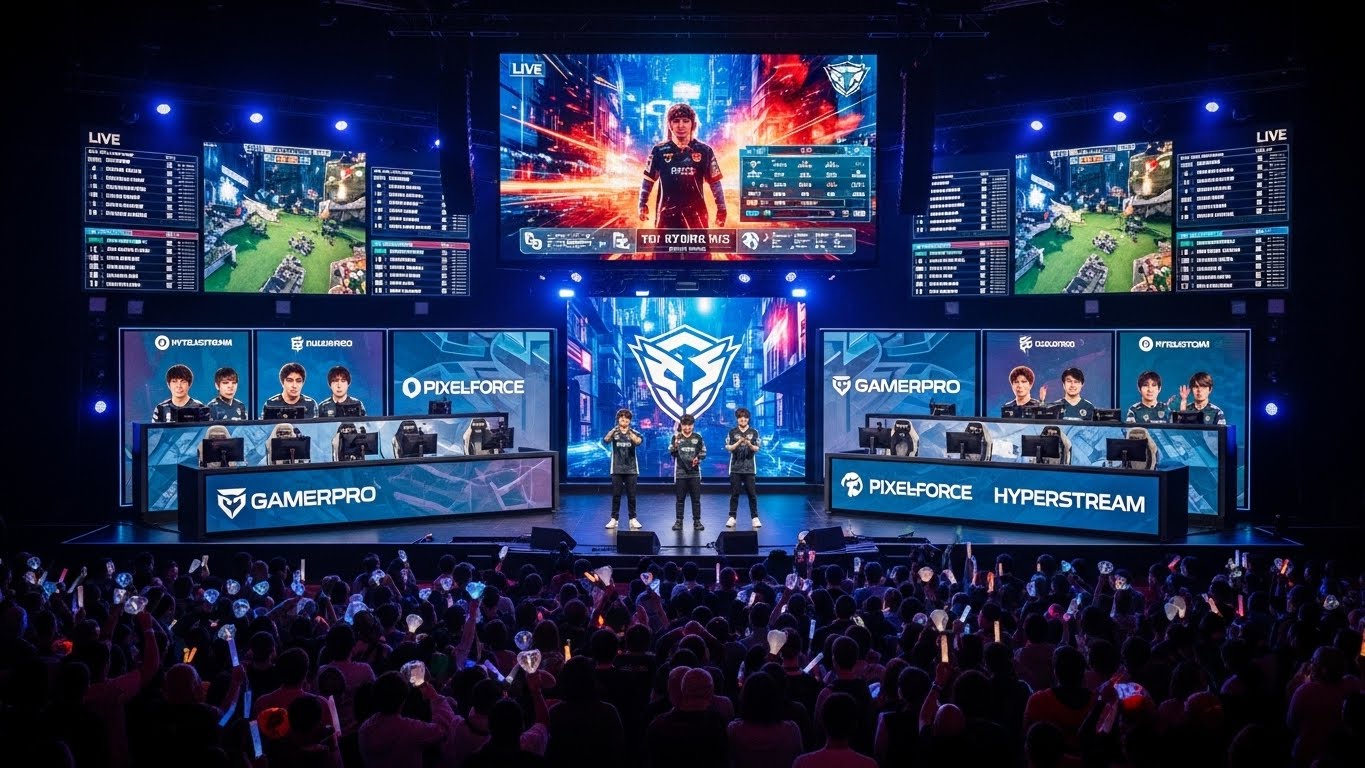
The esports industry generates billions in revenue every year. Beyond prize money, it thrives on sponsorships, advertising, merchandise, and media rights. Brands outside the gaming world, including technology companies and lifestyle brands, are investing heavily in esports, recognizing its potential to reach young and engaged audiences. This economic growth creates numerous career paths for players, content creators, event organizers, and marketers, making esports a legitimate and sustainable profession.
Cultural Significance and Community
Esports has cultivated vibrant communities around the world. Fans connect with players and teams, discussing strategies, sharing experiences, and celebrating victories. Live streaming platforms allow real-time interaction between players and audiences, strengthening the sense of community. Esports also promotes inclusivity, offering opportunities for people from diverse backgrounds and regions to compete and be recognized on a global stage.
Challenges Facing the Industry
Despite its success, esports faces several challenges. Player burnout, mental health concerns, and the lack of standardized regulations are ongoing issues. The industry also needs to adapt continually to changing technology, audience preferences, and emerging games. Addressing these challenges is essential for sustainable growth and maintaining the credibility and professionalism of esports.
Conclusion: The Future of Esports
Esports is more than just gaming; it is a cultural and economic force that is reshaping entertainment and competition. From small tournaments to international spectacles, it demonstrates the power of technology and community to create new forms of engagement and opportunity. As esports continues to grow, it promises to influence the future of sports, media, and digital culture for generations to come.