Introduction: The Rise of Esports
Esports, or competitive video gaming, has transformed from a niche hobby into a global phenomenon. What began as small, local tournaments in the late 20th century has evolved into a multi-billion-dollar industry attracting millions of viewers, professional players, sponsors, and organizers worldwide. Esports now commands the attention of mainstream media, with tournaments broadcasted globally, professional teams signing athletes, and universities offering scholarships. This transformation highlights how esports is no longer simply entertainment—it is a professional, cultural, and economic force that is redefining the landscape of competition.
The Evolution of Competitive Gaming
The roots of esports trace back to the 1970s and 1980s, when video game competitions were first organized in arcades and universities. Games such as “Space Invaders,” “Pac-Man,” and later “Street Fighter” attracted competitive players and laid the foundation for structured gaming contests. The rise of multiplayer games in the 1990s, combined with the growth of the internet, allowed players to compete online, expanding the reach and scale of esports.
Modern esports now encompasses a wide variety of genres, including first-person shooters, real-time strategy, battle royale, and multiplayer online battle arena games. Titles like “League of Legends,” “Dota 2,” “Counter-Strike: Global Offensive,” and “Fortnite” attract millions of players and viewers, establishing esports as a mainstream form of entertainment and competition.
Professionalization and Careers in Esports
Esports has developed into a legitimate professional industry with structured teams, contracts, sponsorships, and career opportunities. Professional players train rigorously, often dedicating eight to twelve hours a day to practice, strategy, and physical conditioning. Unlike casual gaming, professional esports requires discipline, focus, and teamwork, similar to traditional sports.
Beyond players, esports has created careers for coaches, analysts, commentators, event organizers, and content creators. The ecosystem around esports mirrors that of professional sports, including marketing teams, media partnerships, and merchandising. Universities and organizations now offer scholarships, training programs, and career pathways in esports, legitimizing it as a long-term professional pursuit.
The Global Audience of Esports
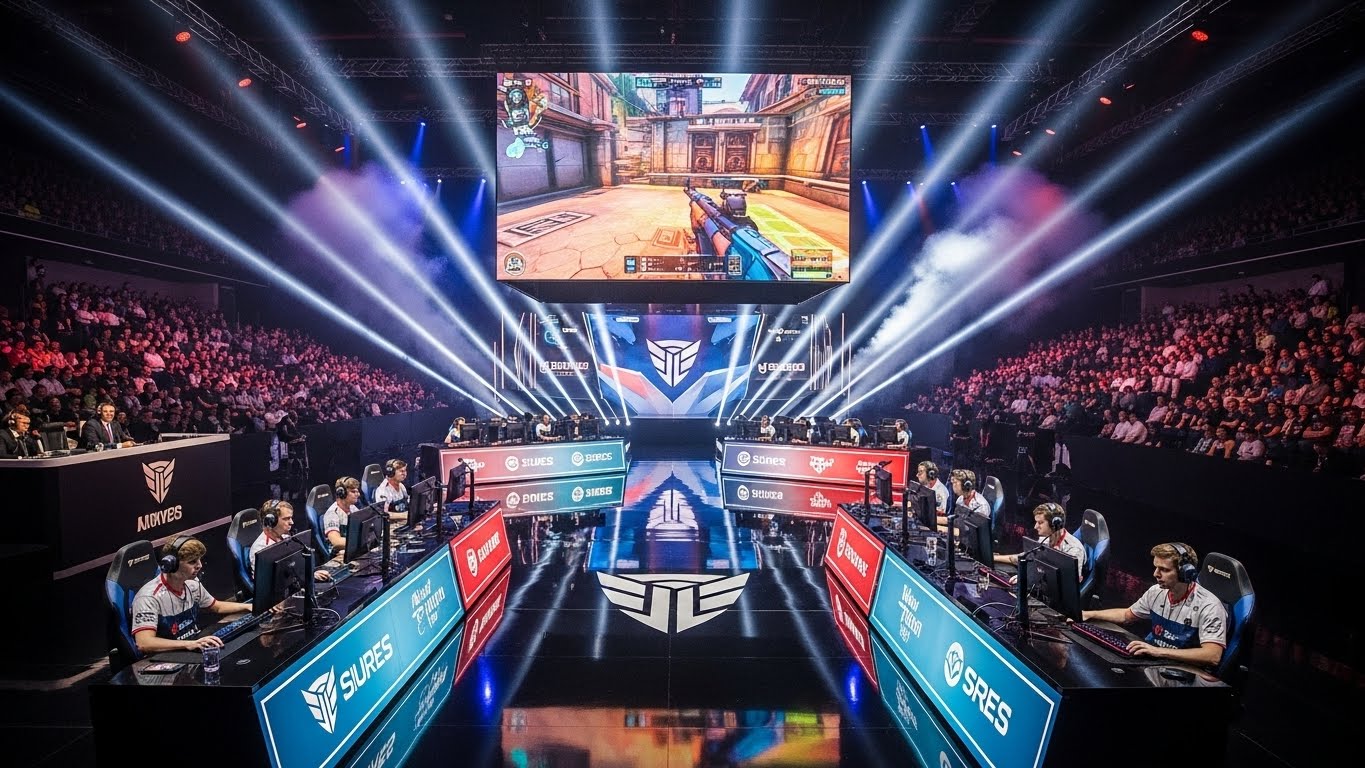
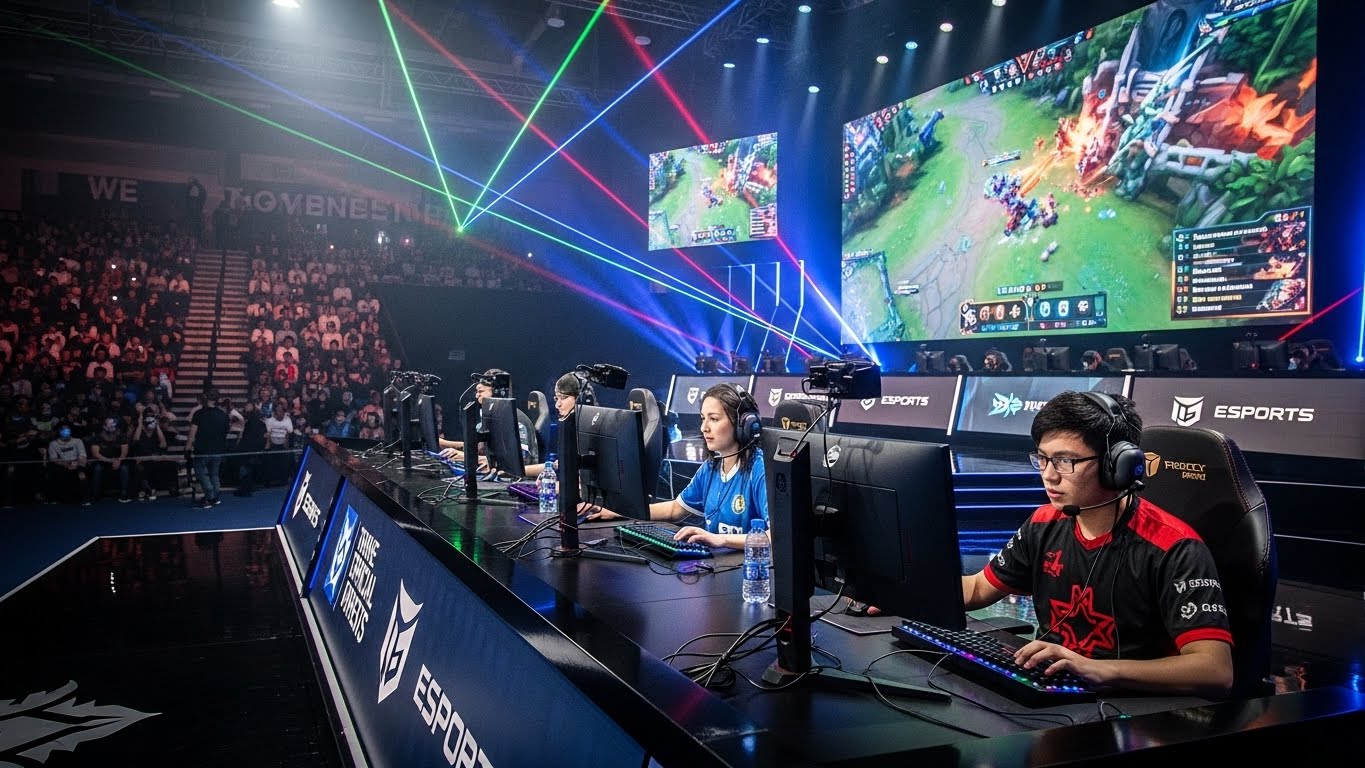
One of the most striking aspects of esports is its global reach. Millions of viewers watch live events online, through streaming platforms and dedicated esports channels. Major tournaments attract massive audiences, rivaling traditional sporting events in viewership and engagement.
Esports fandom is diverse and international, with communities forming around shared interests in specific games, teams, or players. Fans engage with esports content by following matches, participating in online forums, attending live events, and creating fan art and media. The interactive nature of esports strengthens engagement, making viewers feel like active participants rather than passive spectators.
The Role of Technology in Esports
Technology is the backbone of esports. High-performance hardware, fast internet connections, and advanced gaming software enable competitive play at the highest level. Streaming technology allows events to reach audiences worldwide in real time, while analytics and performance-tracking software help teams optimize strategies and improve player performance.
Virtual reality and augmented reality are beginning to influence esports, offering immersive viewing experiences and potential new game formats. Artificial intelligence is also being utilized for coaching, game analysis, and even simulating competitive scenarios for training purposes. Technology is not just a tool for esports—it is a defining factor in its growth, innovation, and global appeal.
Esports and Mental Skills
Success in esports requires a combination of cognitive skills, strategic thinking, and emotional control. Players must make rapid decisions, analyze complex patterns, and adapt to unpredictable situations in real time. Mental toughness is critical, as players face high-pressure environments, intense competition, and public scrutiny.
Team-based esports emphasize communication, leadership, and coordination, while individual-focused games demand self-discipline and focus. The mental benefits of esports include improved problem-solving, multitasking, memory, and reaction times. Despite misconceptions, esports is intellectually demanding and requires rigorous mental preparation, similar to traditional professional sports.
Training and Physical Conditioning in Esports
Contrary to the stereotype of sedentary gamers, professional esports athletes often maintain structured physical fitness routines. Physical health is crucial for maintaining focus, reflexes, and endurance during long training sessions and tournaments. Strength training, cardio, and stretching exercises help prevent injuries, improve posture, and support overall performance.
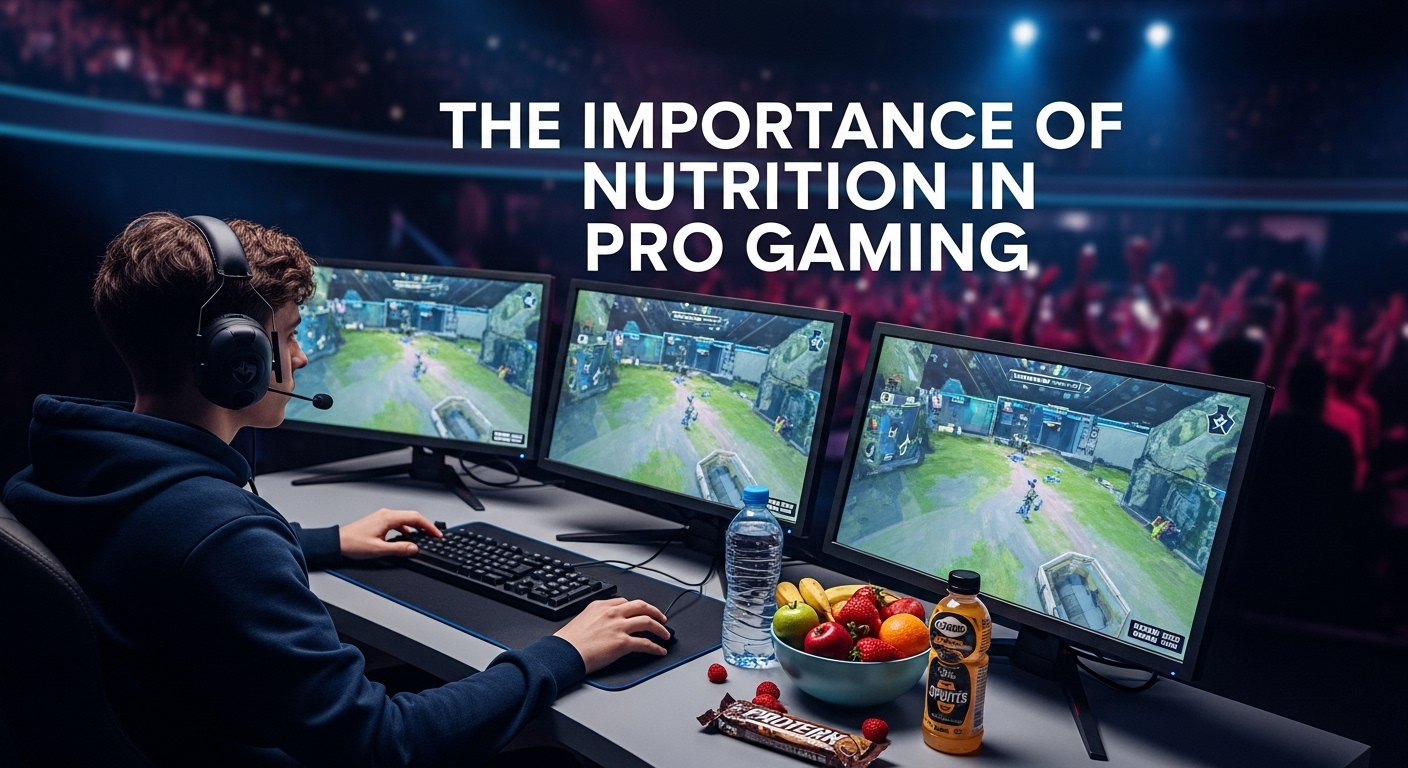
Nutrition, sleep, and mental wellness are also integral to an esports athlete’s regimen. Proper diet, hydration, and rest enhance cognitive function, reaction time, and concentration. Teams increasingly employ fitness coaches, nutritionists, and psychologists to support their players, demonstrating how esports combines mental and physical preparation for peak performance.
Esports as a Cultural Phenomenon
Esports is more than competition; it is a cultural movement. Gaming culture, fan communities, streaming personalities, and content creation have established esports as a lifestyle for millions. It influences fashion, music, social media trends, and digital creativity. Cosplay, fan art, and community events are extensions of esports culture, allowing fans to participate creatively and socially.
Esports has also become a medium for social interaction, particularly among younger generations. Communities form around shared experiences, fostering friendships and collaboration across geographic and cultural boundaries. The cultural impact of esports highlights its role as a social connector as well as a competitive endeavor.
The Business of Esports
The economic impact of esports is substantial. Revenue streams include sponsorships, advertising, merchandise, ticket sales, and broadcasting rights. Corporations invest heavily in teams and tournaments, recognizing esports’ ability to reach engaged and tech-savvy audiences.
Esports tournaments have become major events, generating revenue comparable to traditional sports competitions. The industry supports thousands of jobs, including players, coaches, media teams, event organizers, marketers, and content creators. As esports continues to grow, it plays an increasingly significant role in the global economy, blending entertainment, technology, and business in unprecedented ways.
Challenges Facing Esports
Despite its rapid growth, esports faces challenges. Player burnout, mental health issues, and the pressure of constant performance are common concerns. Maintaining fair play and integrity, particularly regarding cheating or hacking, remains a critical issue for organizers and platforms.
The industry also grapples with representation and diversity. Women, underrepresented groups, and players from developing regions face barriers to participation and recognition. Addressing these challenges is essential for ensuring that esports remains inclusive, sustainable, and respected as a professional and cultural domain.
The Future of Esports
The future of esports is poised for further expansion and innovation. Emerging technologies such as virtual reality, augmented reality, cloud gaming, and AI-driven analytics will create new formats, experiences, and opportunities. The integration of esports into education, professional training, and mainstream media is likely to increase, further legitimizing the industry.
Global collaborations, cross-platform competitions, and continued investment from corporations and media networks will drive growth. Esports may continue to evolve beyond traditional video games, encompassing interactive experiences, simulations, and hybrid formats that redefine what competitive entertainment can be.
Conclusion: Esports as a Transformative Force
Esports has transformed the concept of competition in the digital age. It combines mental acuity, physical conditioning, strategic teamwork, and entertainment in ways that resonate with millions worldwide. From grassroots tournaments to professional leagues and global events, esports has established itself as a cultural, social, and economic force.
The rise of esports demonstrates the potential of technology to redefine human engagement with competition, creativity, and community. It challenges traditional notions of sports, entertainment, and career pathways while inspiring innovation and cultural expression. Beyond the screen, esports is a transformative phenomenon, shaping the future of play, connection, and professional excellence.