Introduction: The Rise of a Digital Arena
Esports, once dismissed as a niche hobby for gamers, has evolved into a global phenomenon that rivals traditional sports in viewership, revenue, and cultural impact. Stadiums fill with cheering fans, professional players train with the discipline of elite athletes, and millions of viewers tune in online to watch high-stakes tournaments. What began in bedrooms and internet cafés has transformed into a structured, professional, and highly influential industry. Esports is no longer just about playing games; it is about community, identity, technology, and the future of competition itself.
Understanding Esports: More Than Just Gaming
At its core, esports refers to organized, competitive video gaming. Unlike casual gaming, esports involves structured leagues, professional teams, sponsorships, coaches, analysts, and rigorous practice schedules. Players compete in popular titles across genres such as multiplayer online battle arenas, first-person shooters, real-time strategy games, and sports simulations. Each game demands a unique set of skills, from lightning-fast reflexes to deep strategic thinking and flawless teamwork.
What separates esports from traditional gaming is its competitive integrity. Matches are governed by strict rules, tournaments follow standardized formats, and player performance is scrutinized at the highest level. The result is a professional environment where skill, preparation, and mental strength determine success.
The Evolution of Esports: From Arcades to Arenas
The journey of esports has been shaped by advances in technology and internet connectivity. Early competitive gaming took place in local arcades and small-scale tournaments, where players gathered physically to compete. As home consoles and personal computers became more powerful, online multiplayer gaming emerged, allowing players from different regions to compete in real time.
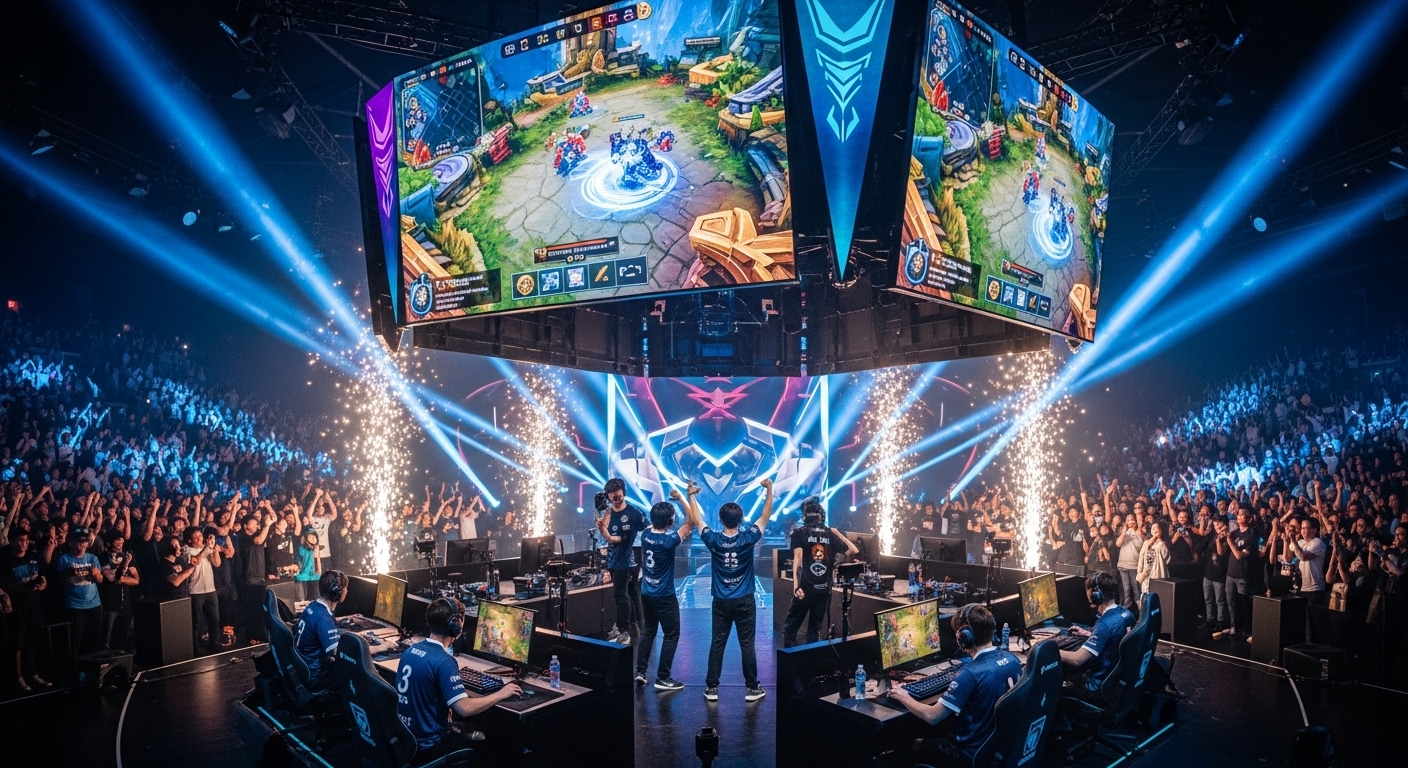
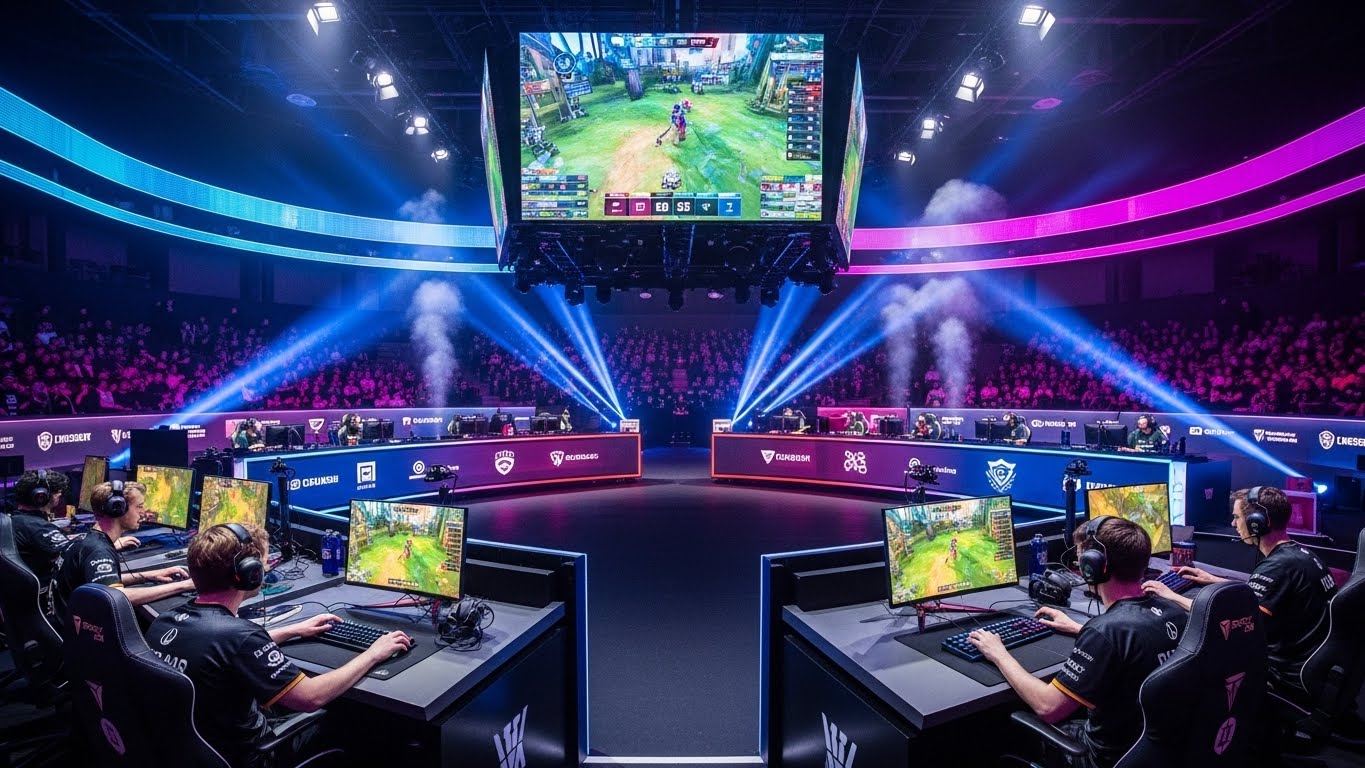
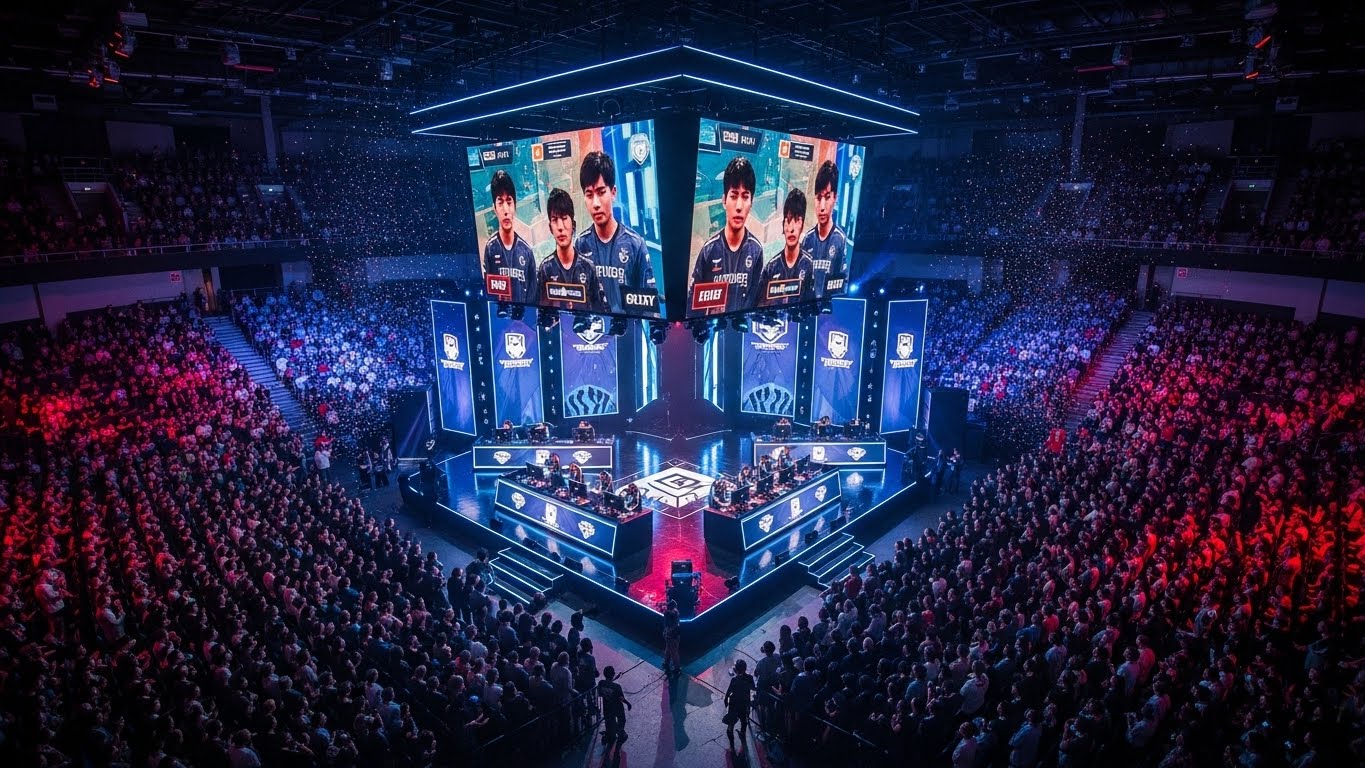
Streaming platforms played a critical role in accelerating esports growth. Fans could watch live matches, follow their favorite players, and engage with communities instantly. This accessibility transformed esports into a spectator sport, paving the way for massive international tournaments held in packed arenas. Today, esports events feature professional production, commentary teams, opening ceremonies, and prize pools that can reach millions.
Esports as a Legitimate Sport
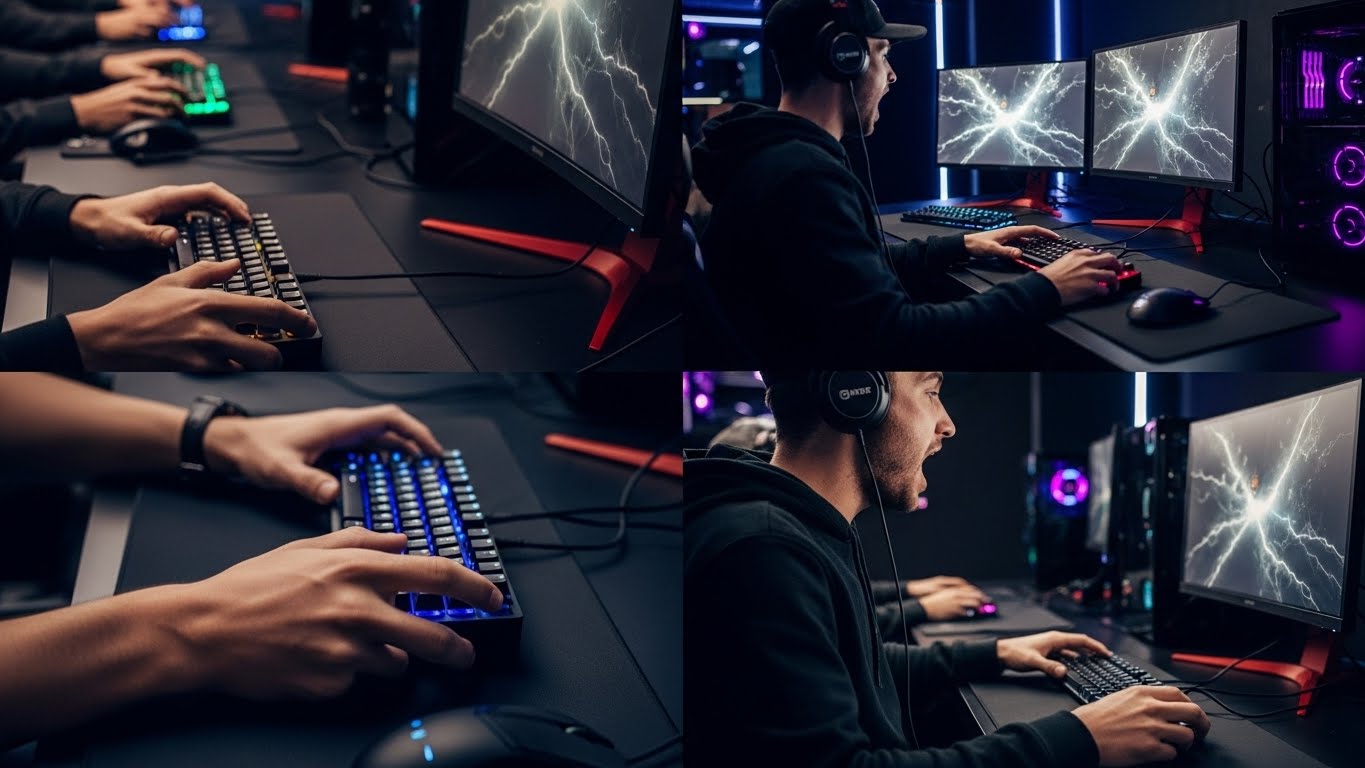
One of the most debated topics surrounding esports is whether it should be considered a “real” sport. While esports may lack traditional physical exertion, it demands exceptional hand-eye coordination, reaction speed, strategic thinking, and teamwork. Professional players often train for eight to twelve hours a day, focusing not only on gameplay but also on physical fitness, mental health, and tactical analysis.
Just like traditional athletes, esports professionals face burnout, performance pressure, and short competitive careers. Teams invest in sports psychologists, nutrition plans, and fitness routines to maintain peak performance. The discipline, commitment, and competitive structure of esports firmly establish it as a legitimate form of sport in the modern era.
The Business of Esports: A Thriving Industry
Esports has grown into a powerful economic engine. Revenue streams include sponsorships, advertising, merchandise, ticket sales, media rights, and in-game purchases. Major brands from technology, fashion, automotive, and food industries have entered the esports space, recognizing its ability to reach younger, digitally native audiences.
Professional teams operate like businesses, with owners, managers, marketing departments, and support staff. Tournament organizers, game developers, broadcasters, and content creators all play vital roles in the ecosystem. This interconnected network has created thousands of jobs worldwide, extending far beyond the players themselves.
Career Opportunities Beyond Playing
While becoming a professional esports player is a dream for many, the industry offers a wide range of career paths. Coaches and analysts help teams refine strategies and improve performance. Casters and hosts bring matches to life through commentary and storytelling. Event managers, production crews, graphic designers, and social media managers ensure tournaments run smoothly and reach global audiences.
There are also opportunities in journalism, data analysis, game design, marketing, and education. Universities and training programs now offer courses related to esports management and game studies, reflecting the industry’s growing legitimacy. Esports has become a viable career field for individuals with diverse skills and interests.
Esports and Youth Culture
Esports has had a profound influence on youth culture. For many young people, esports players are role models, comparable to traditional sports stars. They represent success achieved through passion, skill, and dedication in a digital world. Esports communities provide a sense of belonging, where fans connect over shared interests regardless of geographic or cultural boundaries.
This cultural impact extends to fashion, music, and language. Team jerseys, gaming slang, and esports-inspired content have become part of mainstream youth expression. Esports has also challenged traditional notions of success, showing that non-traditional career paths can be valid and rewarding.
Technology and Innovation in Esports
Technology is the backbone of esports. High-performance hardware, low-latency networks, and advanced software tools are essential for competitive integrity. Innovations such as virtual reality, augmented reality, and artificial intelligence are beginning to influence how games are played and viewed.
Data analytics has become increasingly important, allowing teams to analyze gameplay patterns, opponent tendencies, and individual performance metrics. Broadcast technology continues to evolve, offering immersive viewing experiences with multiple camera angles, real-time statistics, and interactive features. Esports often serves as a testing ground for new technologies that later influence other industries.
The Global Reach of Esports
One of esports’ greatest strengths is its global nature. Players and teams come from all corners of the world, and international tournaments bring together diverse cultures and playstyles. Unlike traditional sports, esports is not limited by physical infrastructure or climate. Anyone with the right equipment and internet access can compete on a global stage.
This global reach has helped esports grow rapidly in regions where traditional sports infrastructure may be limited. It has also encouraged cross-cultural exchange, as fans and players interact across borders, fostering mutual understanding and shared experiences.
Challenges Facing the Esports Industry
Despite its success, esports faces several challenges. Player welfare is a major concern, with issues such as burnout, mental health struggles, and lack of long-term career security. The rapid pace of the industry can lead to instability, especially for smaller teams and organizations.
There are also concerns around governance and regulation. Unlike traditional sports, esports lacks a single global governing body, leading to inconsistencies in rules, contracts, and player protections. Addressing these challenges will be crucial for ensuring sustainable growth and long-term credibility.
The Future of Esports
The future of esports looks promising and dynamic. As technology continues to advance, esports experiences will become more immersive and accessible. Integration with education, traditional sports organizations, and mainstream media is likely to increase. Esports may also play a role in redefining how competition, entertainment, and community are experienced in the digital age.
With growing acceptance from institutions, sponsors, and audiences, esports is poised to become a permanent and influential part of global culture. Its ability to adapt, innovate, and connect people across the world ensures that its impact will continue to expand.
Conclusion: A New Era of Competition
Esports represents more than just competitive gaming; it is a reflection of how society is evolving in the digital age. It blends technology, entertainment, and human ambition into a new form of sport that resonates with millions. As boundaries between physical and digital experiences continue to blur, esports stands at the forefront of this transformation. Whether as a player, fan, or professional, engaging with esports means participating in a movement that is reshaping the future of competition and culture.