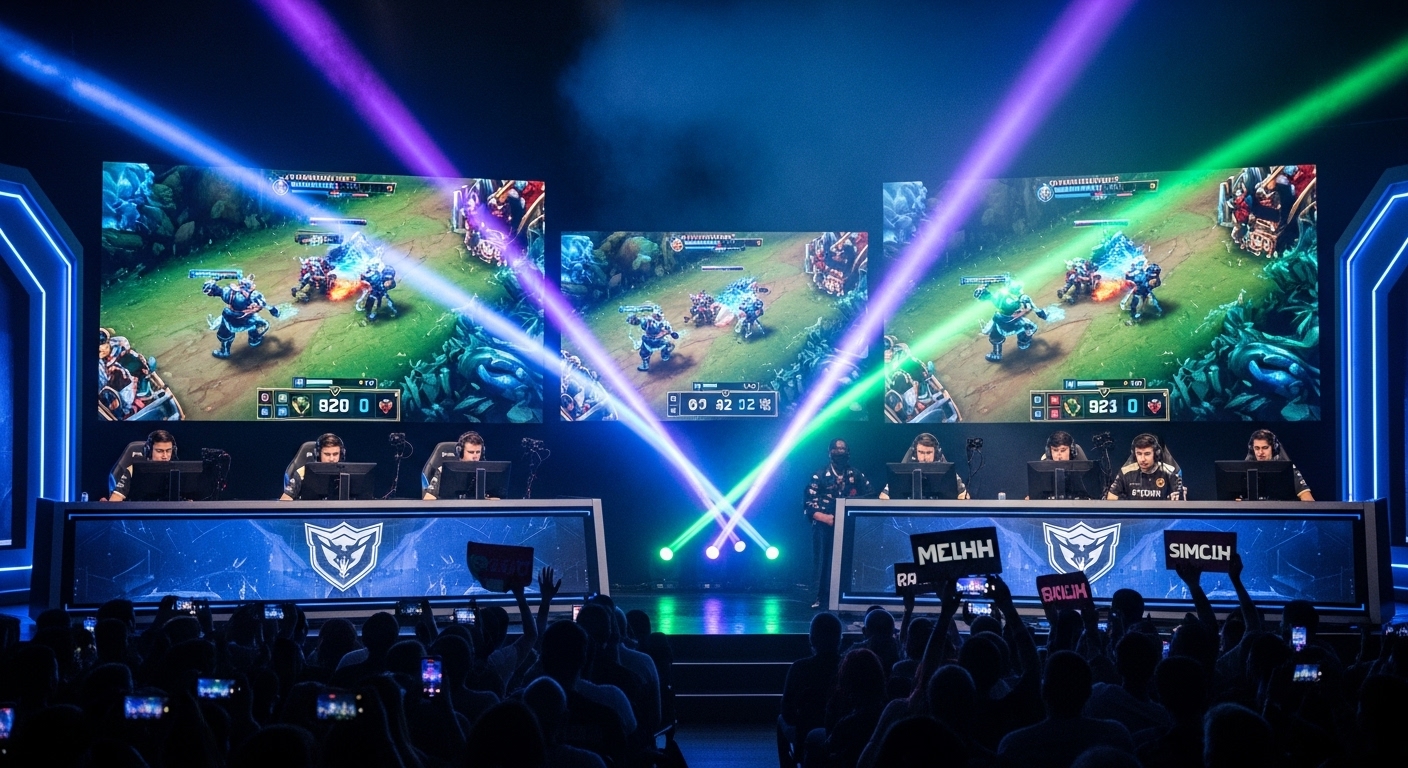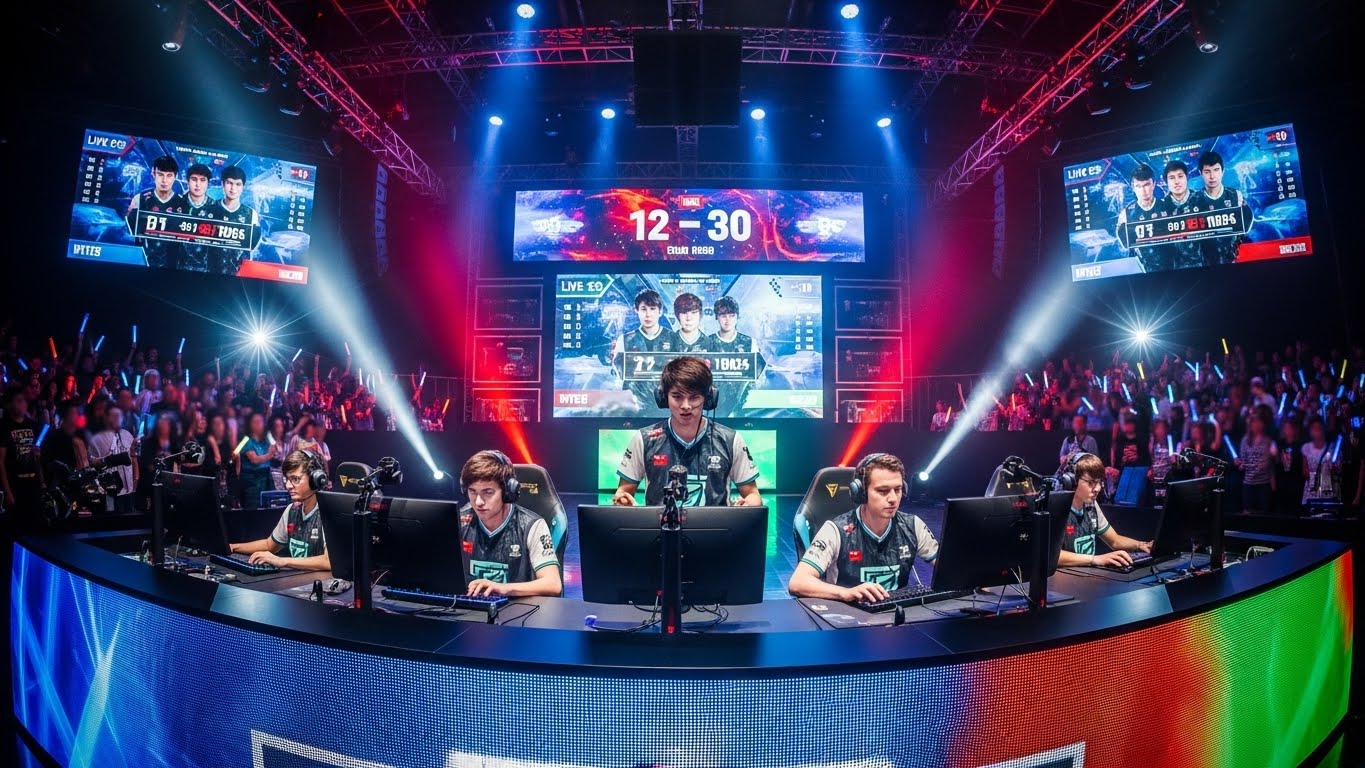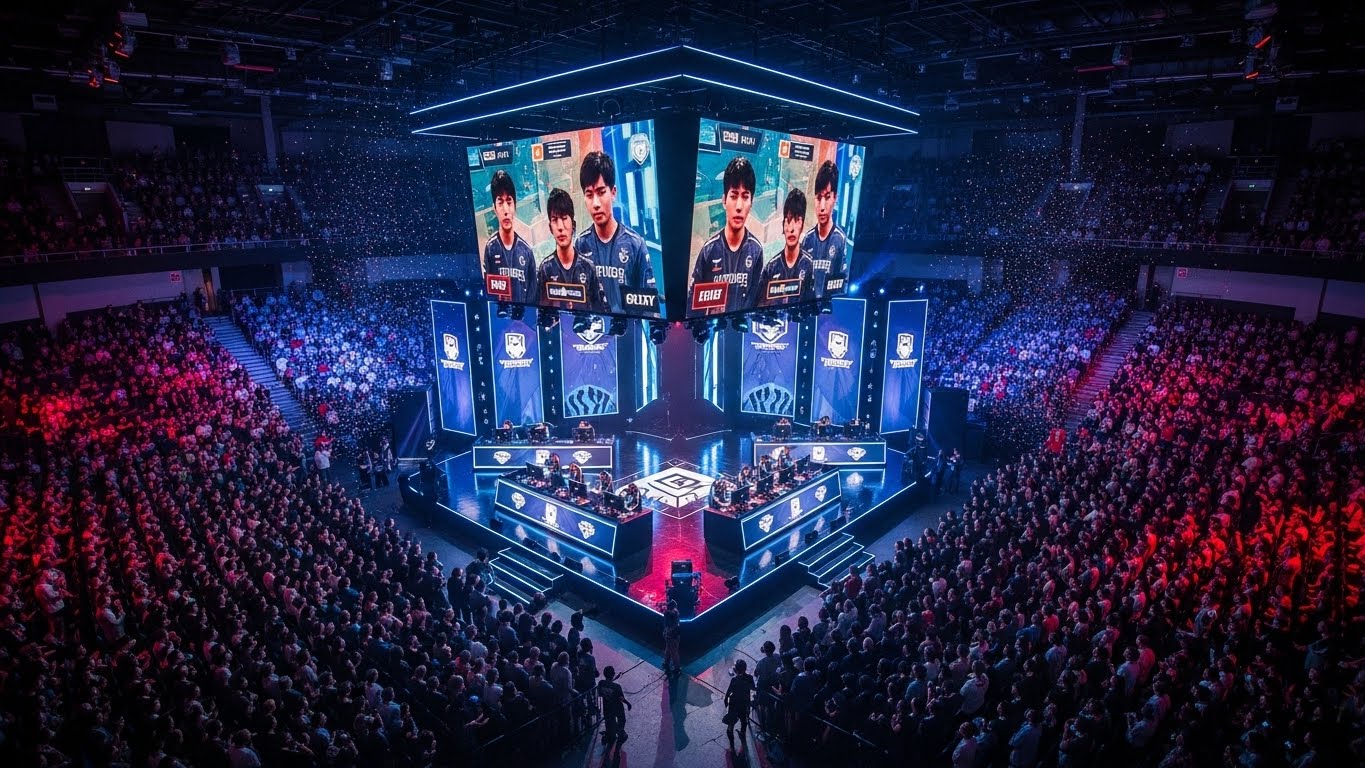
Esports has become one of the fastest-growing industries in the world. What started as small gatherings of gaming enthusiasts has now turned into massive global events that attract millions of viewers, players, sponsors, and investors. These tournaments rival traditional sports in popularity and scale, with professional teams, enormous prize pools, and carefully planned logistics. But behind every successful esports tournament lies months, sometimes years, of preparation and organization.
In this blog, we will explore how esports tournaments are organized from start to finish. We will discuss the planning process, team management, infrastructure setup, broadcasting, rules and regulations, prize distribution, and everything else that contributes to creating a successful esports event.
The Foundation of an Esports Tournament
Before any tournament can take place, organizers must decide the purpose and structure of the event. Esports tournaments can vary greatly depending on their goals. Some are organized to promote a new game, while others serve as international championships or community-driven competitions.
The foundation of an esports event typically includes three main elements: the game, the format, and the audience.
- Choosing the Game
The first step in organizing any esports tournament is selecting the game title. This choice determines the type of audience, the rules, and the overall structure. Popular esports games include titles such as Dota 2, League of Legends, Counter-Strike, Valorant, and Fortnite. Organizers often choose games with strong competitive communities and developer support because these ensure stable participation and spectator interest. - Deciding the Format
Tournament formats can range from single elimination to double elimination, round-robin, or league systems. The choice depends on the scale of the tournament and the number of participants. For example, smaller community tournaments might use single elimination to save time, while global events like The International use complex multi-stage formats with group stages and playoffs to ensure fairness and excitement. - Defining the Audience and Goals
Every event must have a clear audience in mind. Some tournaments are aimed at professional players and global viewers, while others target local amateur players or college teams. The audience determines the marketing strategy, venue size, and broadcasting approach.
The Planning and Organization Phase
Once the foundational elements are in place, the real work begins. Planning an esports tournament requires collaboration among multiple teams — logistics managers, event coordinators, technical experts, marketing teams, and referees.
- Budgeting and Sponsorship
Budgeting is one of the most critical aspects of tournament planning. Organizers must estimate costs for venue rental, production equipment, prize pools, marketing, staff, and player accommodations. Sponsors play a vital role in financing these costs. Many esports events partner with gaming hardware brands, beverage companies, and tech firms that see esports as a valuable advertising platform. Sponsorship deals often include brand placements, shout-outs, and exclusive merchandise. - Forming the Organizing Committee
A successful esports event requires a dedicated organizing committee. This group includes a tournament director, operations manager, marketing lead, technical manager, and referees. Each role handles specific aspects, ensuring smooth coordination between all parts of the event. - Selecting the Venue
Depending on the scale of the event, venues can range from online-only servers to physical arenas. Online tournaments require stable servers and strong anti-cheat measures, while offline events need large spaces equipped with stage lighting, internet infrastructure, and audience seating. Famous esports arenas include venues like the Staples Center in Los Angeles or the Spodek Arena in Poland, both known for hosting major finals. - Legal and Administrative Preparation
Organizers also need to manage contracts, licenses, and permissions. Game publishers usually require official authorization to host tournaments featuring their titles. There may also be legal considerations regarding broadcasting rights, sponsorship agreements, and international travel for players.
Team Registration and Qualification
After the initial planning, it’s time to bring in the competitors. The way teams or players qualify for a tournament can vary depending on the event’s scale and purpose.
- Open Qualifiers
Many tournaments start with open qualifiers that allow anyone to register and compete for a limited number of spots in the main event. This gives amateur players a chance to prove themselves and adds excitement to the competition. - Invitational Tournaments
Some high-profile tournaments only invite top-tier professional teams based on past performance or world rankings. These events focus on showcasing the best of the best, ensuring high-quality matches. - Regional and Online Qualifiers
To manage large-scale participation, organizers often divide qualifiers by regions. For example, teams from Asia, Europe, and North America compete separately, and the winners move to the international stage. Online qualifiers are cost-effective and allow global participation without requiring travel. - Player Verification and Rules Compliance
Once teams qualify, organizers must verify their identities, check eligibility requirements, and ensure compliance with the tournament’s rules. This process prevents smurfing (using alternate accounts) and maintains fairness.
Technical Setup and Infrastructure
Behind every smooth-running esports event lies an advanced technical setup. The infrastructure for esports tournaments combines gaming hardware, networking systems, broadcast tools, and security measures.
- Gaming Equipment and Hardware
All players need standardized gaming setups to ensure equal conditions. This includes high-performance PCs or consoles, gaming peripherals, and monitors with low latency. Organizers often partner with hardware brands that provide equipment in exchange for sponsorship visibility. - Network and Server Management
Stable and fast internet connectivity is non-negotiable. For offline events, dedicated servers are used to avoid lag or disconnection. Network engineers constantly monitor bandwidth, latency, and packet loss to ensure smooth gameplay. - Stage Design and Lighting
Offline tournaments invest heavily in stage aesthetics. The stage must showcase both players and visuals in an engaging way. Dynamic lighting, LED screens, and themed decorations contribute to the overall experience. The stage is also designed for audience engagement, allowing fans to see players and their reactions live. - Sound and Communication Systems
High-quality sound systems enhance the event’s atmosphere. Casters (commentators) rely on clear audio for live commentary, while players need soundproof booths to avoid distractions from the crowd. Communication systems also connect production crews, referees, and technical staff.
Rules, Regulations, and Fair Play
Fair competition is the backbone of any esports event. To ensure this, organizers establish comprehensive rulebooks before the tournament begins.
- Game Rules and Settings
Each tournament defines standardized game settings, including map pools, match formats, and time limits. This ensures consistency across all matches. - Anti-Cheat and Integrity Measures
One of the biggest challenges in esports is preventing cheating. Organizers employ anti-cheat software, surveillance systems, and referee oversight. In offline tournaments, player PCs are inspected before every match to prevent unauthorized software. - Referee and Admin Roles
Referees and admins monitor matches in real-time to enforce rules, resolve disputes, and issue penalties when necessary. They act as the ultimate authority in ensuring fair play. - Player Conduct and Sportsmanship
Players must also follow behavioral guidelines. Toxicity, harassment, or unsportsmanlike behavior can lead to disqualification. Maintaining professionalism is crucial to protecting the tournament’s image.
Broadcasting and Media Coverage
One of the most exciting aspects of esports tournaments is their broadcast. Millions of fans tune in to watch live streams of their favorite players and teams. This process involves complex coordination between production crews, camera operators, commentators, and directors.
- Production Team Setup
The production team controls what the audience sees. They manage camera angles, replays, transitions, and overlays showing statistics. A professional production makes the tournament look polished and engaging. - Casting and Commentary
Casters play an essential role in keeping viewers entertained and informed. They explain the strategies, highlight key plays, and build excitement. Good casters can transform even simple matches into unforgettable experiences. - Streaming Platforms
Esports events are broadcasted on major streaming platforms that allow live interaction with fans through chats and reactions. Multi-language streams ensure that audiences from different regions can enjoy the matches. - Social Media and Marketing
Social media teams keep fans updated throughout the event. They share match highlights, interviews, and behind-the-scenes content to maintain engagement and hype.
Managing Players and Teams
Professional players are at the heart of every esports tournament. Ensuring their comfort, safety, and readiness is a top priority.
- Travel and Accommodation
For offline events, organizers arrange travel and hotel accommodations for players. These logistics are planned carefully to minimize fatigue and stress. - Practice Facilities
Most tournaments provide dedicated practice rooms for teams to train before their matches. These setups mirror the main stage environment to help players adapt. - Player Welfare and Health
With long hours of practice and competition, maintaining players’ mental and physical health is crucial. Organizers often hire nutritionists and psychologists to support the teams. - Security and Privacy
Popular players can attract large fan crowds, so event organizers implement security measures to protect them during public appearances.
Audience Experience
Esports tournaments are not just about the matches—they are about the overall experience.
- Fan Engagement Activities
Organizers often host side events such as cosplay contests, meet-and-greet sessions, and merchandise booths. These add to the festive atmosphere and create memorable experiences for attendees. - Merchandise and Souvenirs
Fans love to collect merchandise related to their favorite teams or games. Limited-edition items and memorabilia contribute significantly to the event’s revenue. - Interactive Features for Online Viewers
Online viewers can engage through polls, predictions, and chat events, making them feel part of the action.
Prize Pool and Awards
The prize pool is often what draws the most attention to an esports tournament.
- Funding the Prize Pool
Prize money can come from sponsors, game publishers, or crowdfunding from fans. Some tournaments, like Dota 2’s The International, have prize pools reaching tens of millions of dollars. - Distribution and Recognition
Prizes are distributed among top-performing teams, with the winners receiving the largest share. In addition to cash rewards, players also receive trophies, medals, and MVP awards for outstanding performance. - Post-Tournament Bonuses
Some organizers offer additional benefits like future sponsorship deals or automatic qualifications for next year’s events.
Post-Event Evaluation and Legacy
After the tournament ends, organizers conduct post-event evaluations to measure success and identify areas for improvement.
- Feedback Collection
Feedback from players, sponsors, and fans helps understand what worked well and what can be improved for future events. - Financial Reporting
A detailed financial report is prepared to analyze profits, losses, and sponsor returns. This information guides future budgeting. - Media Analysis
Reviewing viewership numbers, social media engagement, and press coverage helps assess the event’s global impact. - Long-Term Impact
A well-organized tournament strengthens the game’s community, builds brand loyalty, and encourages more players to join the competitive scene.
Conclusion
Organizing an esports tournament is a massive undertaking that combines elements of sports management, entertainment production, technology, and community building. Every successful event is the result of countless hours of planning, teamwork, and dedication. From selecting the game and designing the format to managing players and broadcasting the matches, each detail matters.
Esports tournaments have transformed gaming from a hobby into a global phenomenon. They unite players, fans, and brands in a shared celebration of competition and innovation. As technology continues to advance and audiences grow, esports tournaments will only become more sophisticated, offering even more thrilling experiences to millions of people around the world.