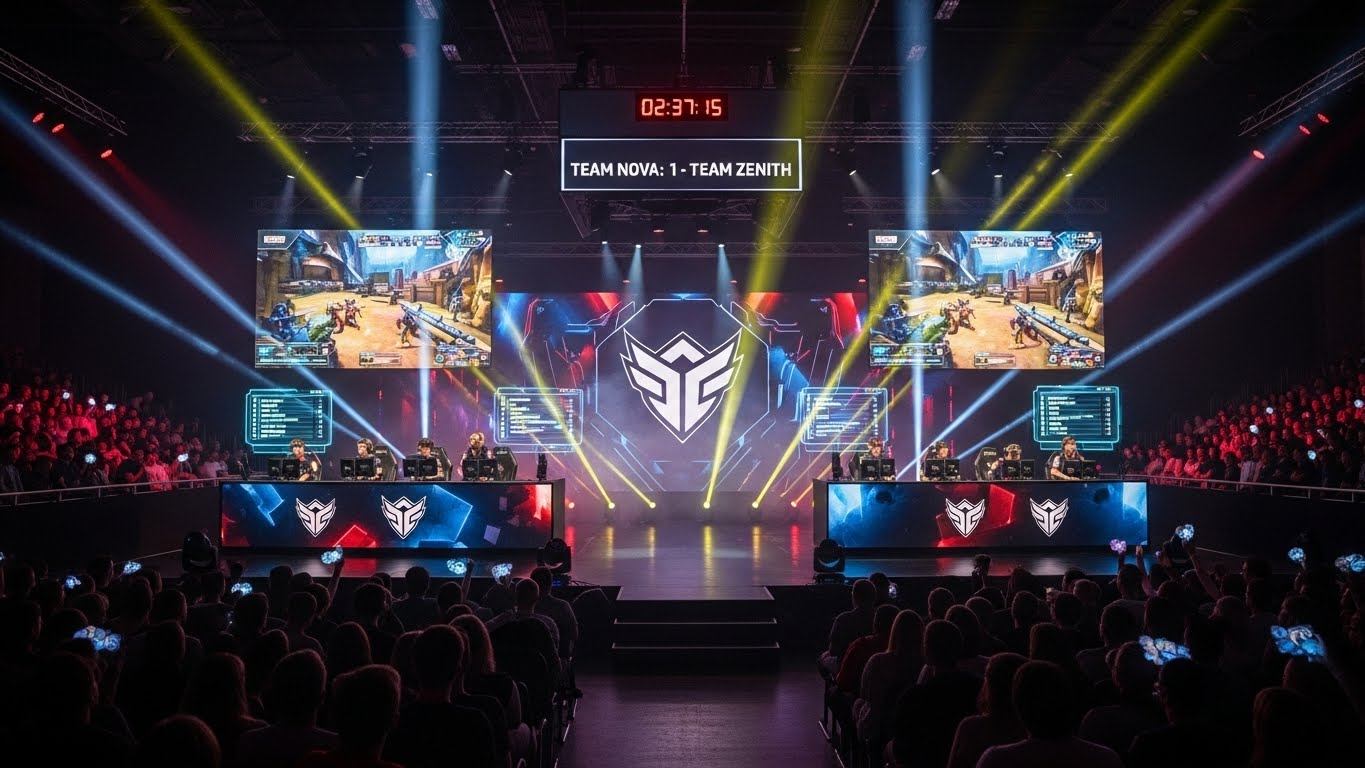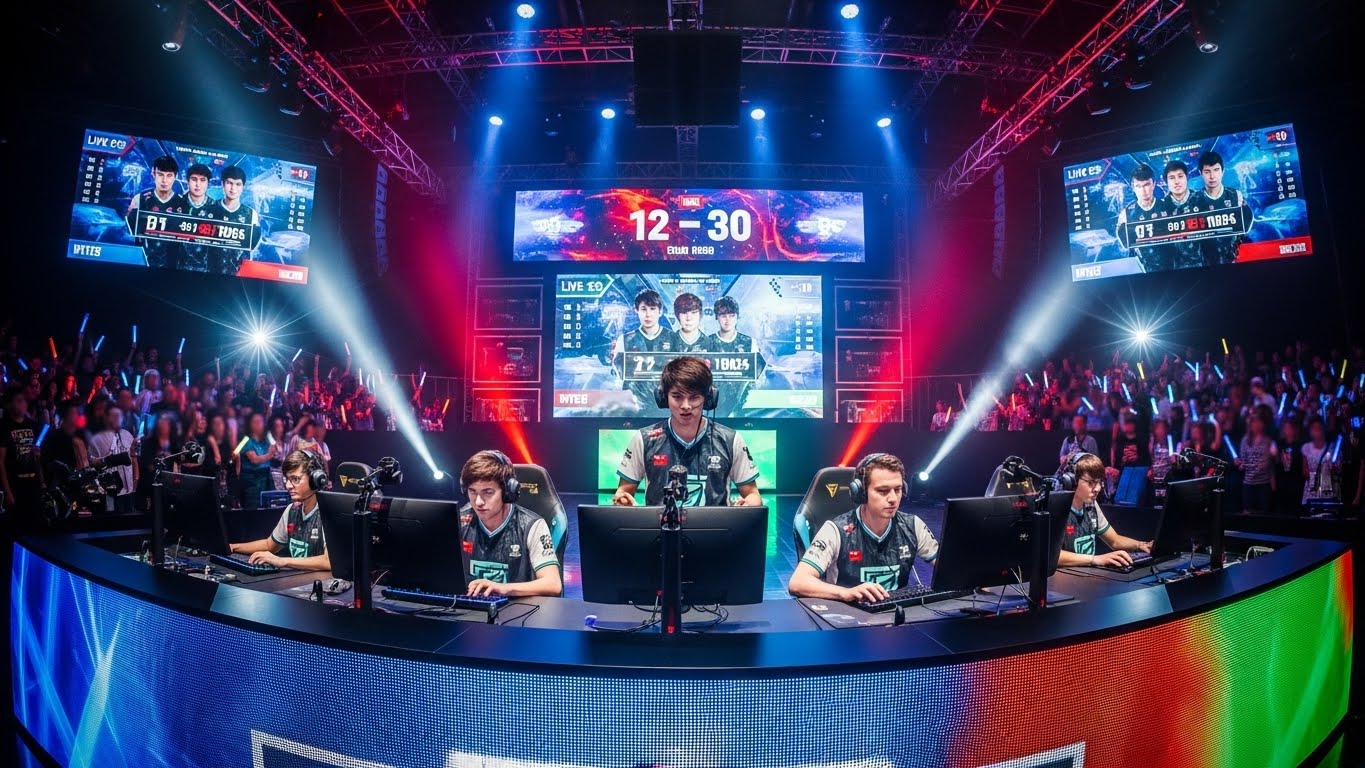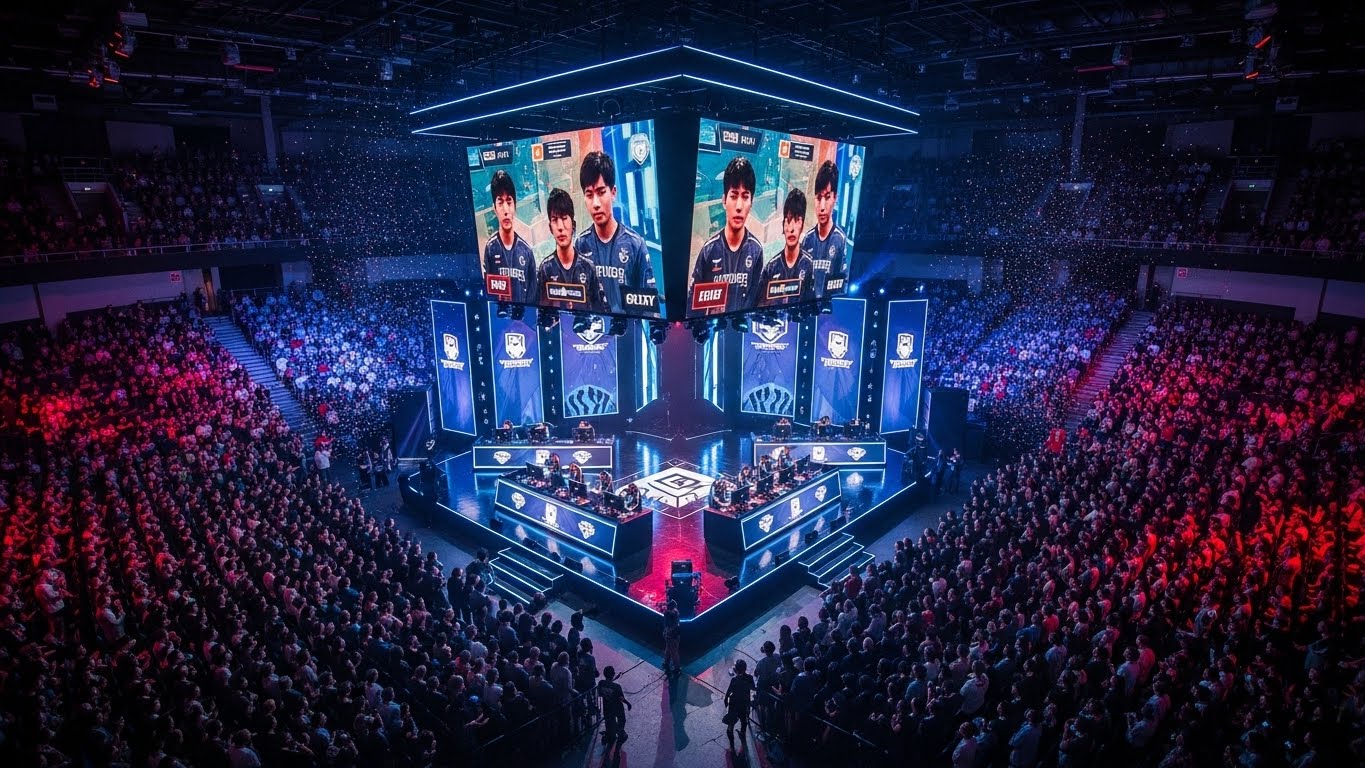
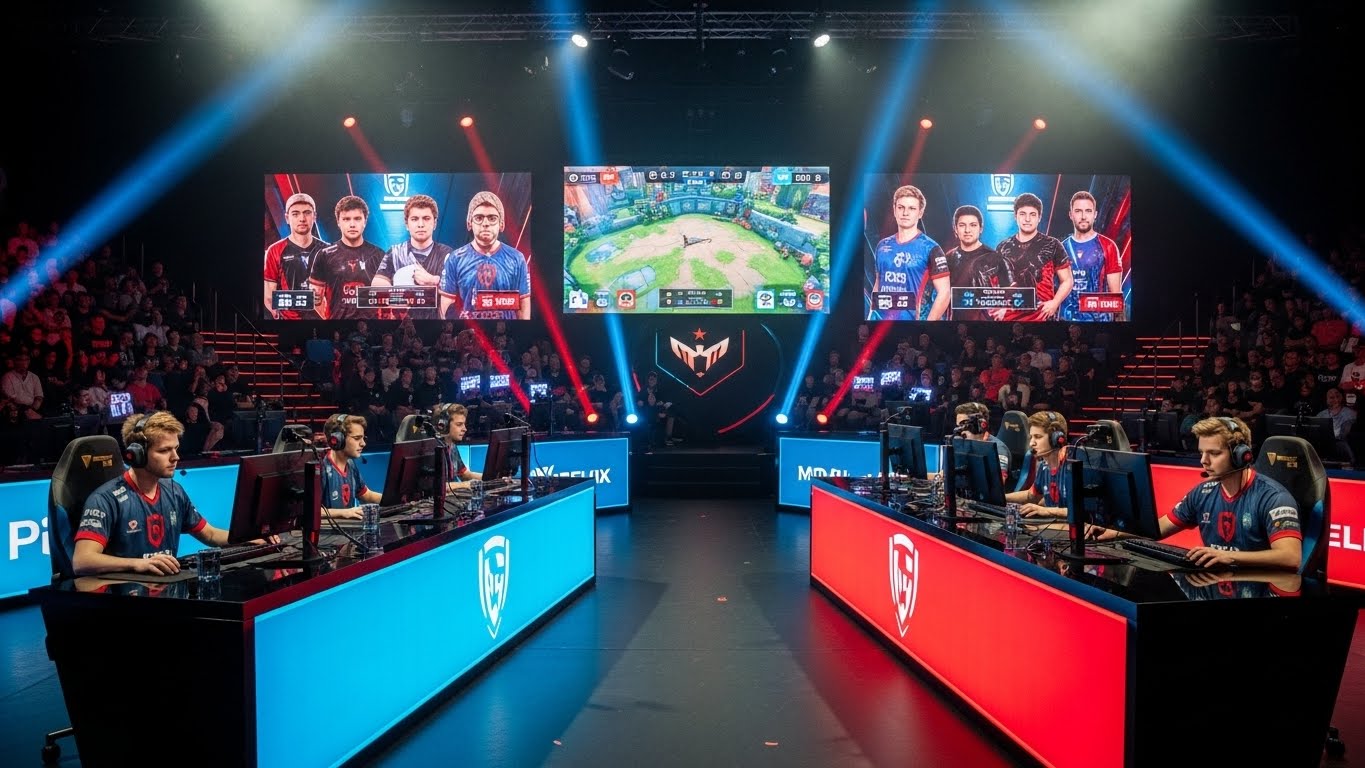
Esports, once considered a niche hobby for dedicated gamers, has evolved into a global phenomenon that attracts millions of fans, players, and investors. What started as casual gaming competitions has transformed into a professional industry with organized leagues, multimillion-dollar prize pools, and international recognition. In this blog, we will explore the rise of esports, its impact on the gaming industry, the professional ecosystem, and what the future holds for competitive gaming.
Understanding Esports
Esports, short for electronic sports, refers to organized competitive video gaming. Players or teams compete against each other in various game titles, often in front of live audiences and streamed to millions online. Esports spans multiple genres, including multiplayer online battle arenas (MOBAs), first-person shooters (FPS), real-time strategy (RTS) games, and fighting games. Titles such as League of Legends, Dota 2, Counter-Strike: Global Offensive, and Fortnite have become household names in the esports community.
Unlike casual gaming, esports requires immense skill, strategy, and teamwork. Players train for hours daily, honing reflexes, decision-making, and communication. Professional esports athletes are often compared to traditional athletes due to their rigorous schedules, physical conditioning, and mental preparation.
The Evolution of Competitive Gaming
Competitive gaming is not a new concept, but its scale and influence have grown exponentially over the last two decades. In the early 2000s, gaming tournaments were primarily local events with limited recognition. However, the rise of streaming platforms, social media, and online communities helped propel esports to global prominence.
The introduction of organized leagues and structured tournaments provided legitimacy to competitive gaming. Major events such as The International for Dota 2, the League of Legends World Championship, and the Fortnite World Cup offered massive prize pools and attracted worldwide attention. Sponsors, brands, and media companies began to invest heavily in esports, recognizing its potential as a profitable and influential entertainment industry.
The Professional Ecosystem of Esports
The professional esports ecosystem is complex and multifaceted, consisting of players, teams, leagues, tournament organizers, sponsors, and media platforms. Each component plays a crucial role in sustaining the growth and popularity of competitive gaming.
Professional players are the cornerstone of esports. They dedicate significant time and effort to practice, strategize, and maintain peak performance. Many players also build personal brands through streaming, social media engagement, and content creation, expanding their influence beyond competitions.
Teams and organizations provide infrastructure, coaching, and financial support for players. Top-tier esports organizations manage multiple game divisions, recruit talented players, and participate in international tournaments. These organizations operate similarly to professional sports franchises, emphasizing brand building, merchandising, and fan engagement.
Leagues and tournament organizers structure competitions, establish rules, and manage broadcasting rights. They ensure fair play, audience engagement, and revenue generation through sponsorships, advertising, and ticket sales. Major esports tournaments are now streamed to millions globally, creating fan communities and driving viewership numbers comparable to traditional sports events.
The Economic Impact of Esports
Esports has emerged as a significant economic force, contributing billions of dollars annually to the global gaming industry. Revenue streams in esports include tournament prize pools, team sponsorships, merchandise sales, broadcasting rights, and digital content.
Sponsorships have become one of the most lucrative aspects of esports. Brands ranging from technology companies to consumer goods are investing in teams, players, and events to reach younger, digitally engaged audiences. Merchandise sales, including jerseys, accessories, and in-game items, provide additional revenue and strengthen fan loyalty.
The digital nature of esports allows for scalable monetization. Live streaming platforms generate income through subscriptions, advertisements, and virtual donations, enabling players and organizations to reach global audiences without geographic limitations. The growing economic impact of esports has also created career opportunities beyond playing, including coaching, event management, marketing, broadcasting, and game development.
The Role of Streaming and Content Creation
Streaming platforms have played a pivotal role in the rise of esports. Platforms like Twitch, YouTube Gaming, and other streaming services allow players to broadcast their gameplay live, interact with fans, and build personal brands. Streamers often combine entertainment with competitive gameplay, making esports more accessible and engaging for broader audiences.
Content creation has expanded the esports ecosystem beyond tournaments. Players, analysts, and influencers create tutorials, highlight reels, commentary videos, and behind-the-scenes content. This engagement strengthens fan communities and provides alternative revenue streams for esports professionals.
The interactivity of streaming also transforms the viewer experience. Fans can participate in chats, vote on in-game decisions, or engage in live events, creating a sense of connection and immersion that traditional sports cannot replicate.
Esports and the Youth Culture
Esports has become an integral part of youth culture. Young gamers are drawn to competitive gaming due to its accessibility, social interaction, and potential for professional careers. Gaming clubs, online communities, and educational programs focused on esports are increasingly popular, providing platforms for skill development and networking.
Educational institutions are recognizing esports as a legitimate activity. High schools and universities are forming esports teams, offering scholarships, and integrating gaming into extracurricular programs. This shift not only legitimizes esports as a career path but also highlights its potential for teamwork, critical thinking, and strategic problem-solving.
Health and Well-being in Esports
While esports offers exciting opportunities, it also presents unique challenges related to health and well-being. Professional players face intense mental and physical demands, including long hours of practice, high-pressure competitions, and irregular schedules. This lifestyle can lead to burnout, stress, and physical strain.
To address these challenges, esports organizations are emphasizing player wellness. Professional teams employ physical trainers, mental health professionals, and nutritionists to ensure players maintain peak performance while safeguarding their health. Proper ergonomics, exercise routines, and mental resilience training are becoming standard practices in the industry.
Gender Diversity in Esports
Esports has historically been male-dominated, but efforts to promote gender diversity are gaining momentum. Female gamers, streamers, and esports professionals are increasingly visible, challenging stereotypes and advocating for inclusion.
Tournaments and leagues specifically for women are emerging, providing competitive opportunities and exposure. Additionally, mainstream esports organizations are promoting diversity initiatives, mentorship programs, and inclusive policies. Increasing gender diversity not only enriches the esports community but also expands its audience and market potential.
Globalization of Esports
Esports is a global phenomenon with significant cultural and economic impact worldwide. Countries like South Korea, China, and the United States are major hubs for competitive gaming, hosting large-scale events and producing top-tier talent. However, emerging markets in Europe, Latin America, and Southeast Asia are rapidly contributing to the global esports landscape.
International tournaments foster cross-cultural interactions and fan communities. Fans from different countries can follow their favorite teams, engage in online discussions, and participate in global competitions. This interconnectedness strengthens the esports ecosystem and positions it as a truly global industry.
The Future of Esports
The future of esports looks promising, driven by technological advancements, increasing investment, and growing mainstream recognition. Emerging technologies such as virtual reality (VR) and augmented reality (AR) have the potential to revolutionize gameplay and viewer experiences, offering more immersive and interactive competitions.
Artificial intelligence (AI) is also playing a role in enhancing esports analytics, player training, and audience engagement. AI can analyze gameplay patterns, predict strategies, and provide actionable insights to teams and players, elevating the competitive standard.
The professionalization of esports will continue to evolve, with structured leagues, standardized contracts, and regulatory frameworks ensuring fair play and ethical practices. As esports gains legitimacy as a career path, educational programs, training academies, and talent pipelines will further strengthen the ecosystem.
Challenges Facing the Industry
Despite its growth, esports faces several challenges. Regulatory issues, including intellectual property rights, player contracts, and gambling-related concerns, need careful management. Maintaining competitive integrity, preventing cheating, and ensuring fair play are ongoing priorities for the industry.
Public perception remains a challenge, as some still view esports as mere entertainment rather than a professional sport. Overcoming these misconceptions requires continued education, advocacy, and demonstration of the skill, strategy, and professionalism involved in competitive gaming.
Additionally, sustaining long-term engagement and fan interest requires constant innovation. Game developers, leagues, and organizations must adapt to evolving player preferences, technological advancements, and changing audience expectations to remain relevant.
Conclusion
Esports has emerged as a transformative force in the world of entertainment, reshaping perceptions of competitive gaming and creating a dynamic professional ecosystem. With global tournaments, professional players, streaming platforms, and diverse revenue streams, esports has grown from a niche hobby to a billion-dollar industry with immense cultural impact.
As technology continues to advance, esports will evolve further, offering new opportunities for players, fans, and businesses alike. From enhancing global connectivity to fostering youth engagement and promoting creativity, competitive gaming is more than just a pastime—it is a defining aspect of modern culture.
The rise of esports demonstrates the potential of digital innovation to create new forms of entertainment, professional careers, and community engagement. With dedication, inclusivity, and continued innovation, esports is poised to remain at the forefront of the entertainment industry for years to come.