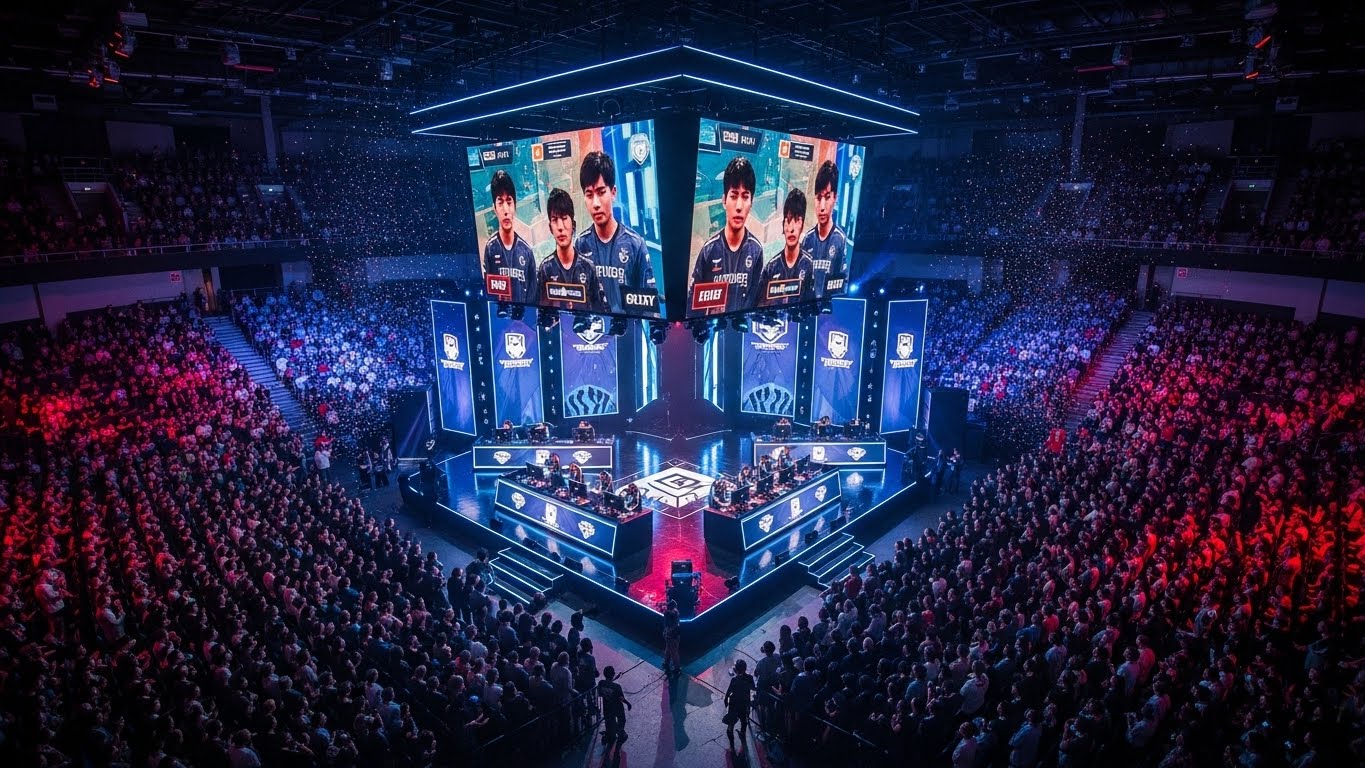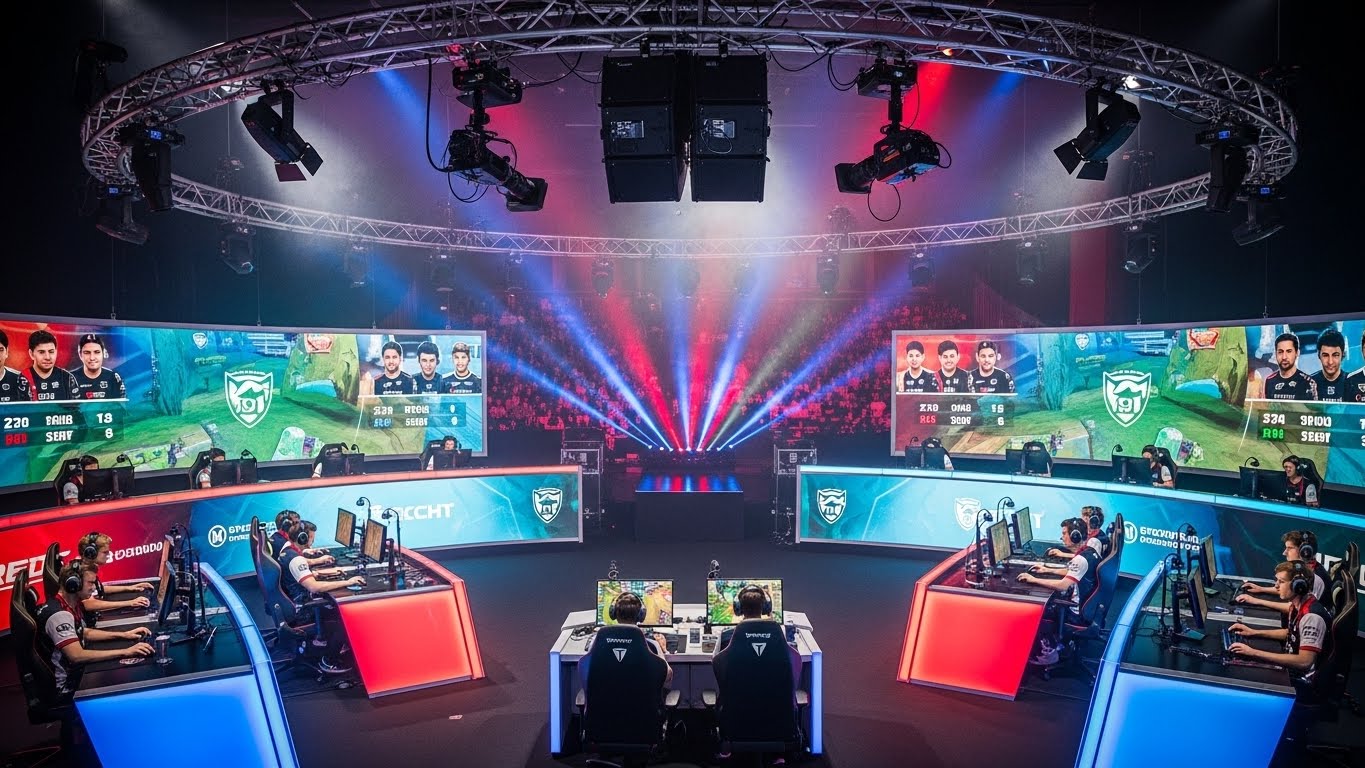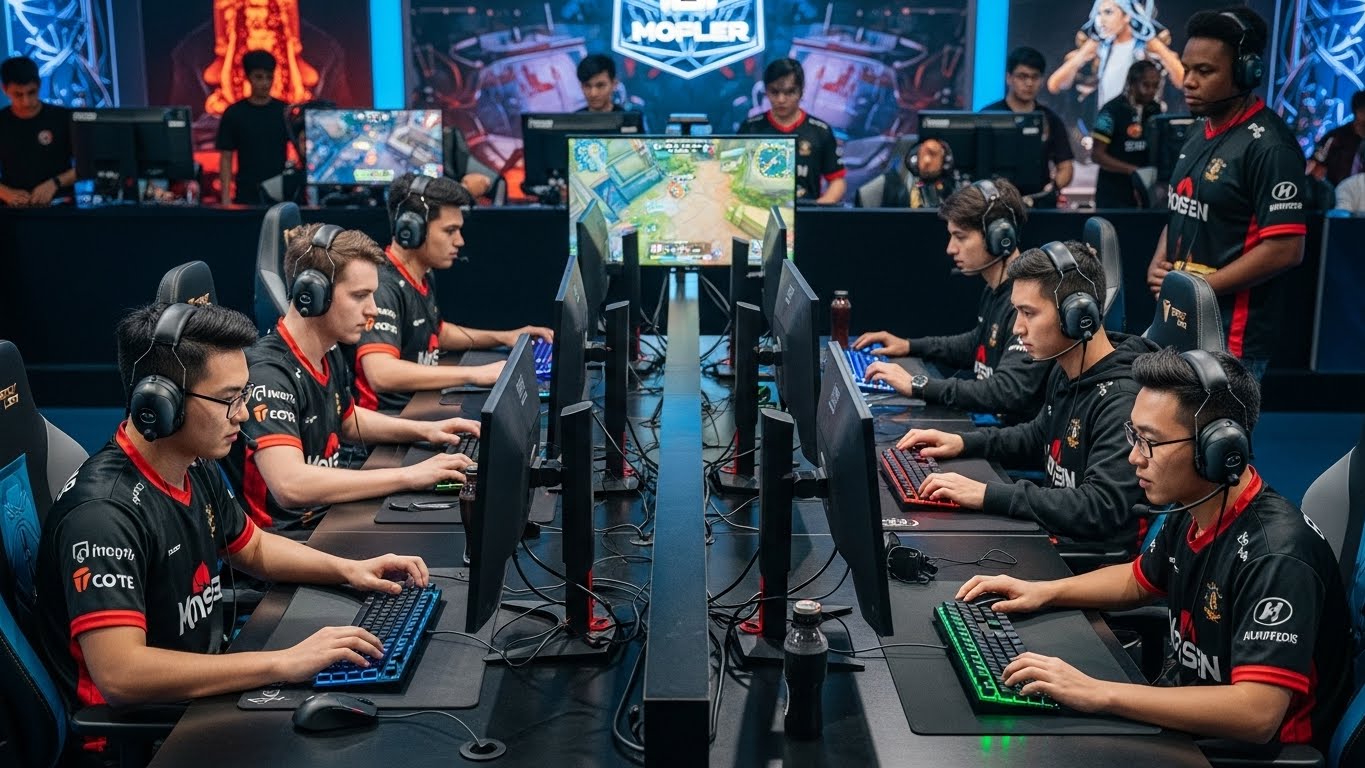
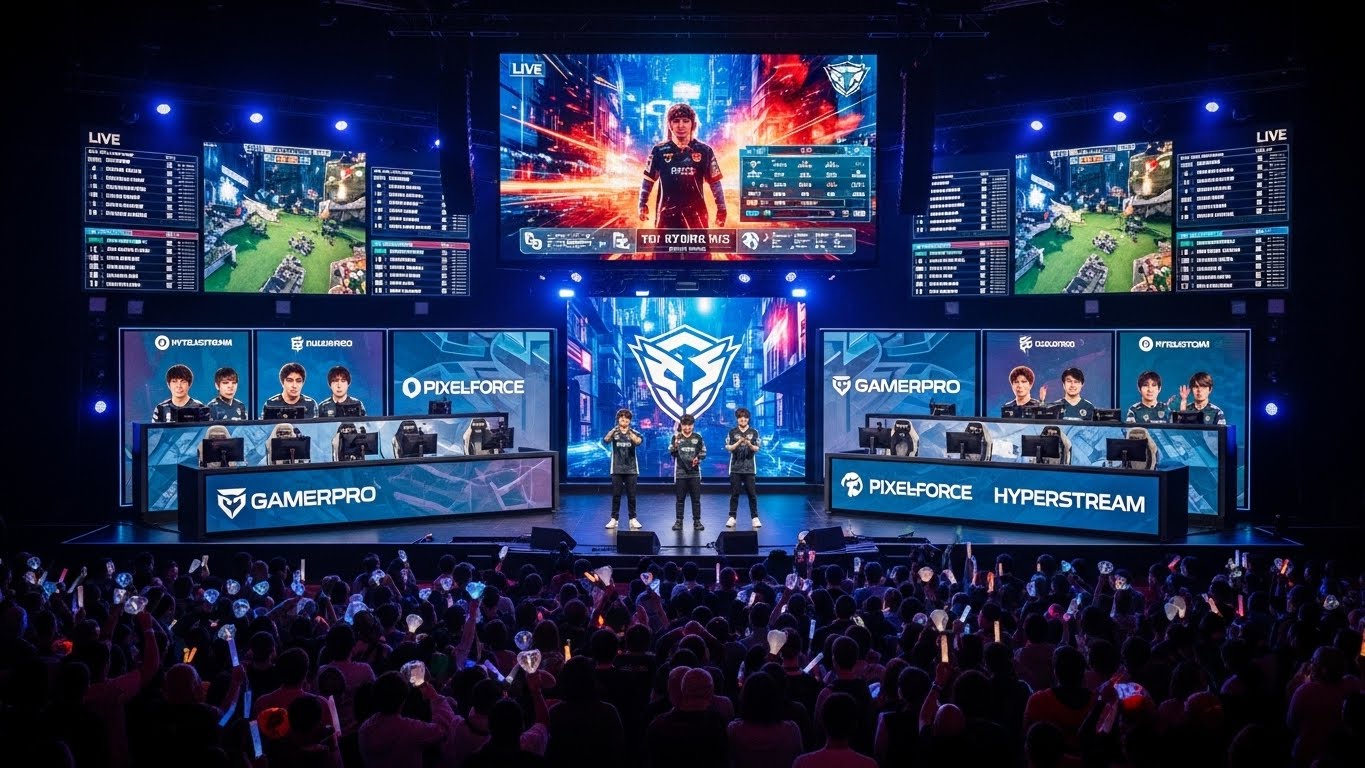
Esports, or competitive gaming, has transformed from a niche hobby into a global cultural and economic powerhouse. Once considered merely a pastime for enthusiastic gamers, esports now commands massive audiences, professional leagues, and lucrative sponsorships. With tournaments broadcasted worldwide and players achieving celebrity status, esports has firmly established itself alongside traditional sports as a legitimate form of competition and entertainment. This blog explores the history, growth, cultural significance, and impact of esports, shedding light on why this industry has captured the attention of millions.
The Origins of Esports
The roots of esports can be traced back to the late 1970s and early 1980s, when video game competitions began emerging in arcades and universities. Early events featured games like Pong and Space Invaders, drawing small but passionate crowds. By the 1990s, competitive gaming evolved with the rise of PC-based games such as Quake, StarCraft, and Counter-Strike. LAN parties became popular, allowing gamers to compete locally in organized settings.
These early tournaments laid the foundation for professional esports, introducing the concepts of organized competitions, structured rules, and player rankings. Although the scale was modest, these early events demonstrated that gaming could be more than just entertainment—it could be a platform for skill, strategy, and competition.
The Technological Revolution in Gaming
The growth of esports is closely tied to advancements in technology. High-speed internet, powerful gaming hardware, and streaming platforms have revolutionized how games are played and consumed. Online multiplayer games enabled global competitions, allowing players to compete against opponents from different continents in real-time.
Streaming platforms like Twitch and YouTube Gaming transformed the esports landscape by connecting players with millions of viewers. Fans could watch live matches, interact with streamers, and follow their favorite teams or players from anywhere in the world. This accessibility has fueled esports’ rapid growth, creating a vibrant ecosystem of players, audiences, sponsors, and content creators.
Popular Esports Titles and Genres
Esports encompasses a wide range of game genres, each requiring unique skills and strategies. Multiplayer Online Battle Arena (MOBA) games like League of Legends and Dota 2 emphasize teamwork, strategy, and precise coordination. First-Person Shooters (FPS) such as Counter-Strike: Global Offensive and Call of Duty demand fast reflexes, accuracy, and tactical awareness. Fighting games, racing simulators, and sports simulations also contribute to the diversity of competitive gaming.
Each game attracts a dedicated fanbase, and professional players often specialize in a single title. This specialization allows for mastery of complex mechanics, deep understanding of strategies, and the development of unique playstyles that define the competitive scene. The diversity of games ensures that esports caters to a broad spectrum of interests, appealing to both casual and hardcore fans.
The Rise of Professional Esports
Professional esports has grown into a structured industry with teams, leagues, sponsorships, and prize pools rivaling those of traditional sports. Major tournaments offer millions of dollars in prize money, attracting elite players and generating global attention. Organizations like the League of Legends Championship Series, Dota 2’s The International, and the Overwatch League have professionalized esports, introducing contracts, coaching, training facilities, and marketing strategies.
The rise of professional esports has also led to career opportunities beyond playing. Analysts, commentators, coaches, content creators, and event organizers contribute to a multi-faceted industry, providing sustainable livelihoods for thousands. As esports continues to grow, the professionalization of competitive gaming is expected to increase, creating new roles and further legitimizing the industry.
Mental and Physical Skills in Esports
Contrary to common misconceptions, esports demands significant mental and physical skills. Players must demonstrate quick decision-making, strategic thinking, situational awareness, and teamwork. High-level competition requires intense concentration, adaptability, and the ability to remain calm under pressure.
Physical fitness, often overlooked, also plays a role. Professional players maintain routines to improve reaction times, reduce fatigue, and prevent injuries such as carpal tunnel syndrome or eye strain. Nutrition, sleep, and ergonomic setups are integral to sustained performance. Esports, therefore, is not merely about sitting in front of a screen—it is a discipline that combines cognitive, strategic, and physical elements.
The Global Audience and Cultural Impact
Esports has cultivated a massive global audience. Tournaments attract millions of viewers, both online and in arenas, rivaling attendance figures for traditional sports. Fans follow players and teams passionately, engage in fan communities, and participate in discussions about strategies, updates, and highlights.
Culturally, esports has influenced fashion, music, and media. Gaming-inspired apparel, merchandise, and collaborations with mainstream brands highlight the growing cultural relevance of esports. Additionally, gaming conventions, fan festivals, and live events create shared experiences, reinforcing community bonds and celebrating competitive gaming as a lifestyle.
Esports and Education
Esports has also found a place in education. Schools and universities worldwide are incorporating esports programs and scholarships, recognizing gaming as a valuable avenue for skill development. Participation in esports enhances critical thinking, problem-solving, communication, and leadership skills.
Educational institutions benefit from esports by attracting students interested in technology, media, and gaming careers. Competitive gaming teaches discipline, time management, and collaboration, skills that are transferable to academic and professional settings. This integration of esports into education demonstrates its potential as both a recreational and developmental tool.
Health and Wellbeing in Esports
While esports offers numerous benefits, it also presents unique challenges for health and wellbeing. Extended gaming sessions can lead to physical strain, poor posture, and eye fatigue. Mental health concerns such as stress, burnout, and performance pressure are also significant.
To address these challenges, professional teams emphasize balanced routines, including breaks, exercise, and mindfulness practices. Awareness of physical and mental health is critical to sustainable careers in esports. Organizations and players increasingly advocate for healthy gaming practices, highlighting the importance of wellbeing alongside competitive success.
Women in Esports
The participation of women in esports is growing, challenging gender stereotypes and promoting inclusivity. Female gamers are competing professionally, hosting streams, and contributing to game development and content creation. Initiatives supporting women in gaming provide mentorship, resources, and visibility, encouraging more female participation.
Increasing diversity strengthens the esports community and broadens perspectives in strategy, storytelling, and culture. Representation matters, and the presence of women in esports inspires younger generations to pursue competitive gaming without barriers.
The Economic Impact of Esports
Esports has emerged as a significant economic force. The industry generates revenue from sponsorships, advertising, merchandise, broadcasting rights, and ticket sales. Major tournaments attract corporate sponsorships, with brands recognizing the engagement and reach of gaming audiences.
The economic impact extends beyond tournaments and sponsorships. Gaming hardware, software, streaming services, and content creation contribute to a dynamic ecosystem. Jobs in esports range from technical development to marketing, event management, and player management, demonstrating the industry’s broad influence on the global economy.
The Future of Esports
The future of esports is promising, with continued growth expected across audiences, technology, and global participation. Emerging technologies like virtual reality, augmented reality, and artificial intelligence are likely to redefine gameplay and spectator experiences. Mobile esports is expanding rapidly, particularly in regions with high smartphone usage, providing accessibility and new opportunities for competitive play.
Esports may also see increased integration with traditional sports and entertainment. Collaborations, hybrid events, and cross-industry initiatives will further legitimize competitive gaming as a mainstream phenomenon. As the industry matures, standardization, regulation, and professional development will contribute to sustainable growth and greater recognition worldwide.
Conclusion: Esports as a Cultural Revolution
Esports is more than a digital pastime; it is a cultural revolution that redefines competition, entertainment, and community. From its humble beginnings in arcades to global tournaments and professional leagues, esports has demonstrated its ability to inspire, unite, and empower people worldwide.
Competitive gaming fosters mental and physical skills, promotes teamwork and strategic thinking, and offers educational and career opportunities. It cultivates a passionate global audience, drives economic growth, and influences culture on multiple levels. As esports continues to evolve, it reaffirms the power of gaming as a legitimate, transformative force. Embracing esports means acknowledging the skill, dedication, and innovation of players and celebrating the dynamic world of competitive gaming as a central part of modern culture.